
Tag

Chromatophores

All articles tagged with #chromatophores

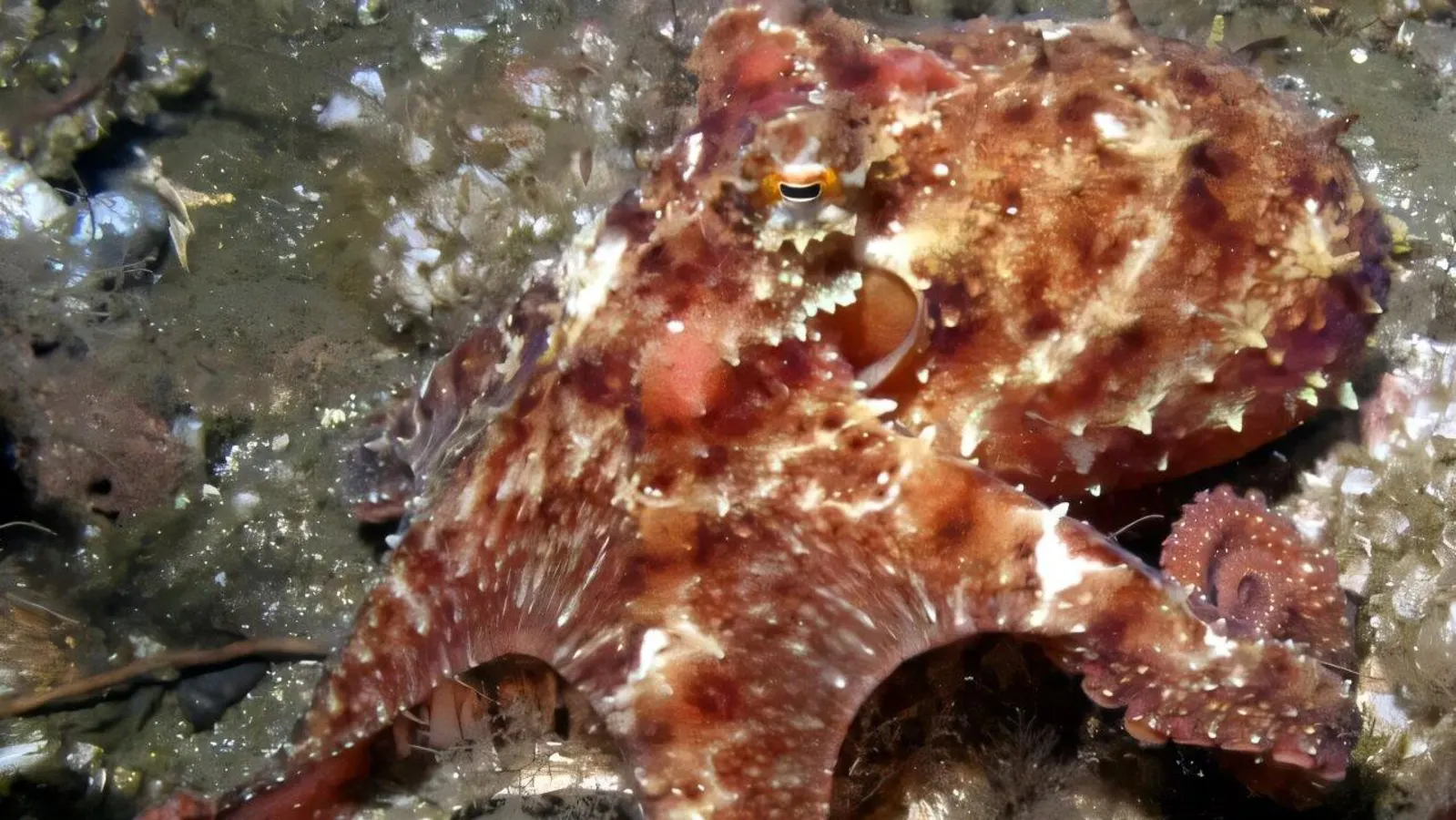
Octopus Camouflage: A High-Energy Masterpiece

Originally Published 1 year ago — by Forbes

Featured image for Octopus Camouflage: A High-Energy Masterpiece
Source: Forbes

A study by biologists Sofie C. Sonner and Kirt L. Onthank reveals that the rapid color-changing ability of octopuses is energetically demanding, akin to a 23-minute jog for humans. This process involves specialized skin cells called chromatophores, which require significant oxygen consumption. The high metabolic cost may explain certain octopus behaviors, such as hiding in dens to conserve energy. The research highlights the exceptional energetic demands of cephalopod color change, suggesting it is one of the most costly forms of color change in the animal kingdom.
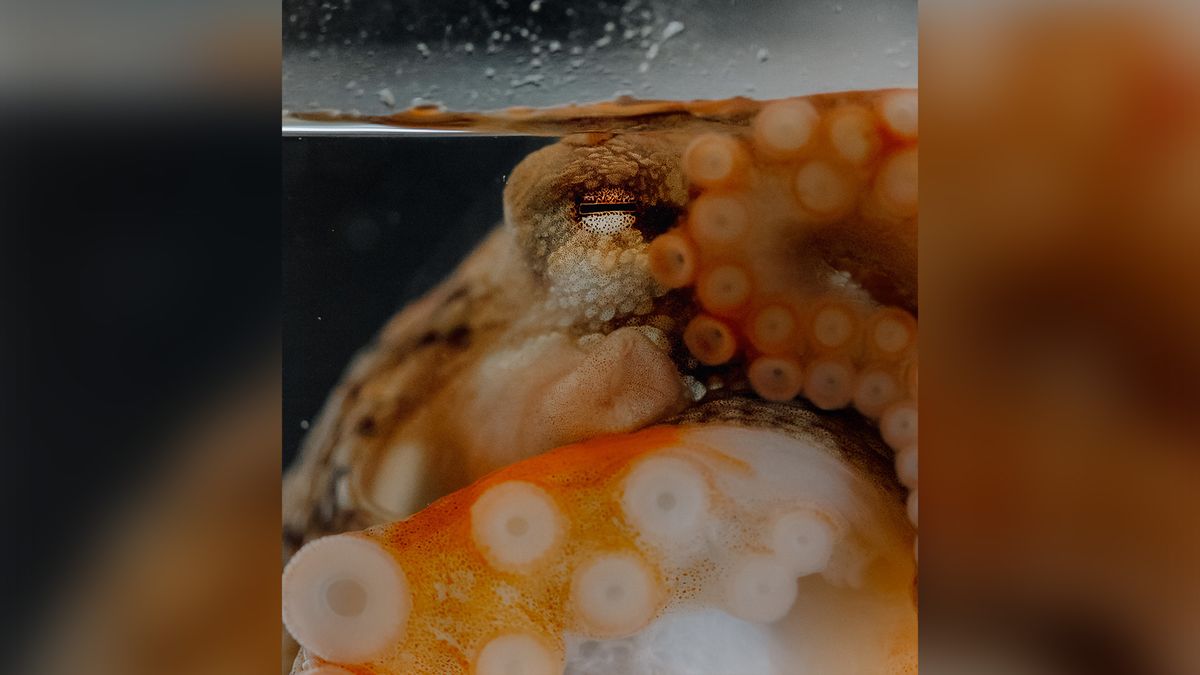

Octopus Camouflage: A High-Calorie Disguise

Originally Published 1 year ago — by Livescience.com

Featured image for Octopus Camouflage: A High-Calorie Disguise
Source: Livescience.com

New research reveals that octopuses expend significant energy when changing color, comparable to a human's calorie burn during a 30-minute jog. This study, using ruby octopuses, measured oxygen consumption during color changes, highlighting the energetic cost of their sophisticated camouflage system. The findings provide insights into the biological trade-offs octopuses make for survival, as their color-changing ability is more energy-intensive than similar adaptations in other animals like chameleons.

Octopus Camouflage: The Hidden Strain of Color Change

Originally Published 1 year ago — by ScienceAlert

Featured image for Octopus Camouflage: The Hidden Strain of Color Change
Source: ScienceAlert

Octopuses are renowned for their exceptional camouflage abilities, but new research reveals that this skill comes with a significant metabolic cost. Biologists Sofie Sonner and Kirt Onthank found that the energy required for an octopus to change color using its chromatophore system is nearly as high as its entire resting metabolic rate. This high energy demand may explain why octopuses often hide in dens or adopt nocturnal habits to conserve energy. The study highlights the energetic expense of active camouflage in the animal kingdom.