Nebraska is the first state to pursue work requirements for Medicaid expansion members, requiring able-bodied adults to engage in work or related activities by May 1, 2026, as part of a new policy aimed at promoting independence and economic stability.
Many Americans face rising health insurance premiums, with costs increasing significantly since 2010, despite the ACA's success in reducing the uninsured rate. The law focused on expanding coverage rather than controlling costs, which continue to grow due to systemic issues like provider pricing and lack of comprehensive reform. Political disagreements hinder effective solutions, leaving many Americans struggling with affordability and underinsurance, highlighting the need for more substantial health care reforms.
Families benefiting from Obamacare subsidies face potential financial hardship if the subsidies expire, which could lead to increased healthcare costs and loss of coverage for millions, especially in conservative states that haven't expanded Medicaid. The issue is intertwined with the US government shutdown and political debates over healthcare policy, with some Republicans showing support for extending the subsidies amid concerns about affordability and political repercussions.
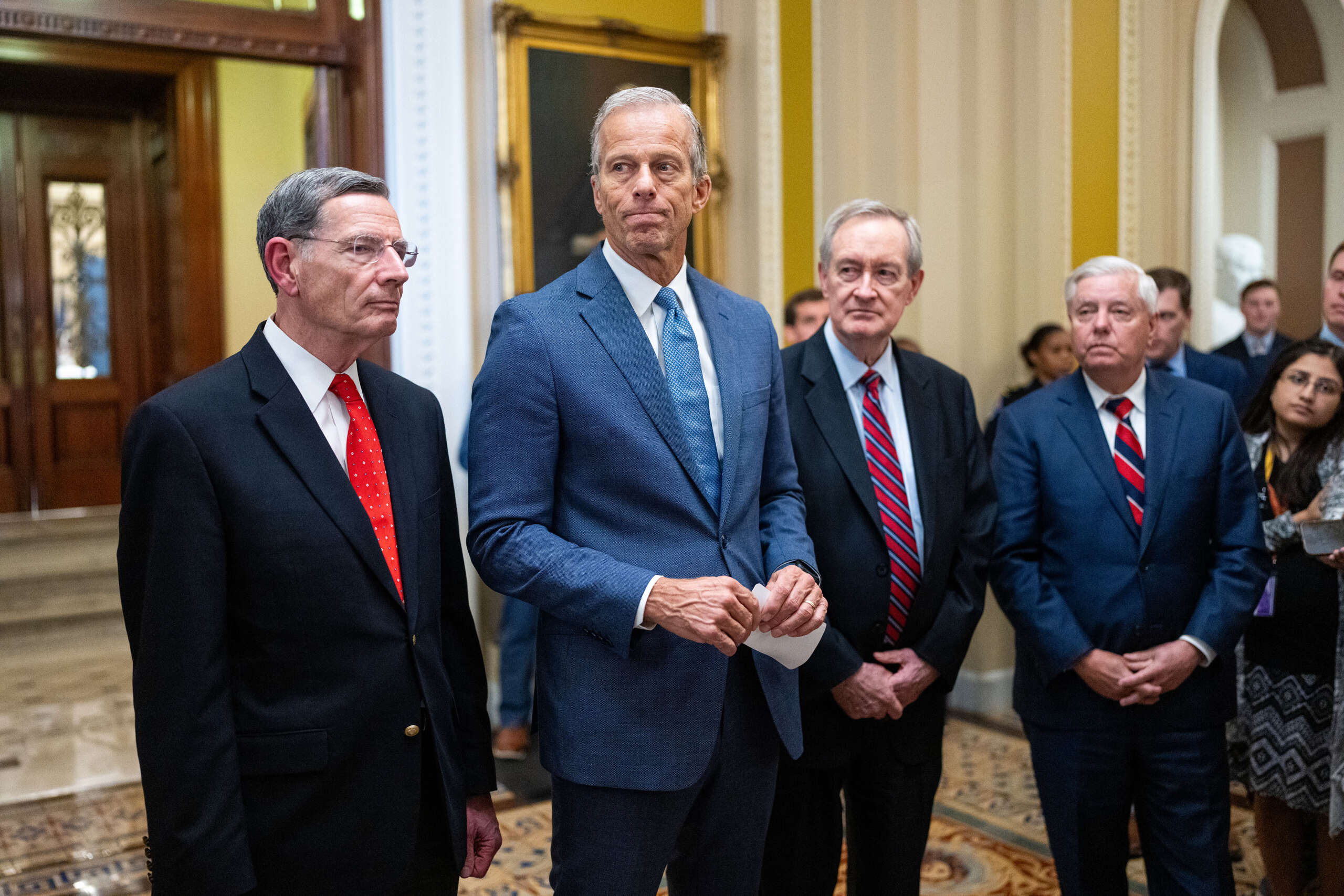
The ongoing government shutdown is stalling the extension of ACA subsidies, which help millions afford health insurance. Democrats want to make these subsidies permanent, while Republicans are hesitant, leading to a standoff that could increase premiums for many Americans. The issue remains unresolved as negotiations continue amid political tensions.
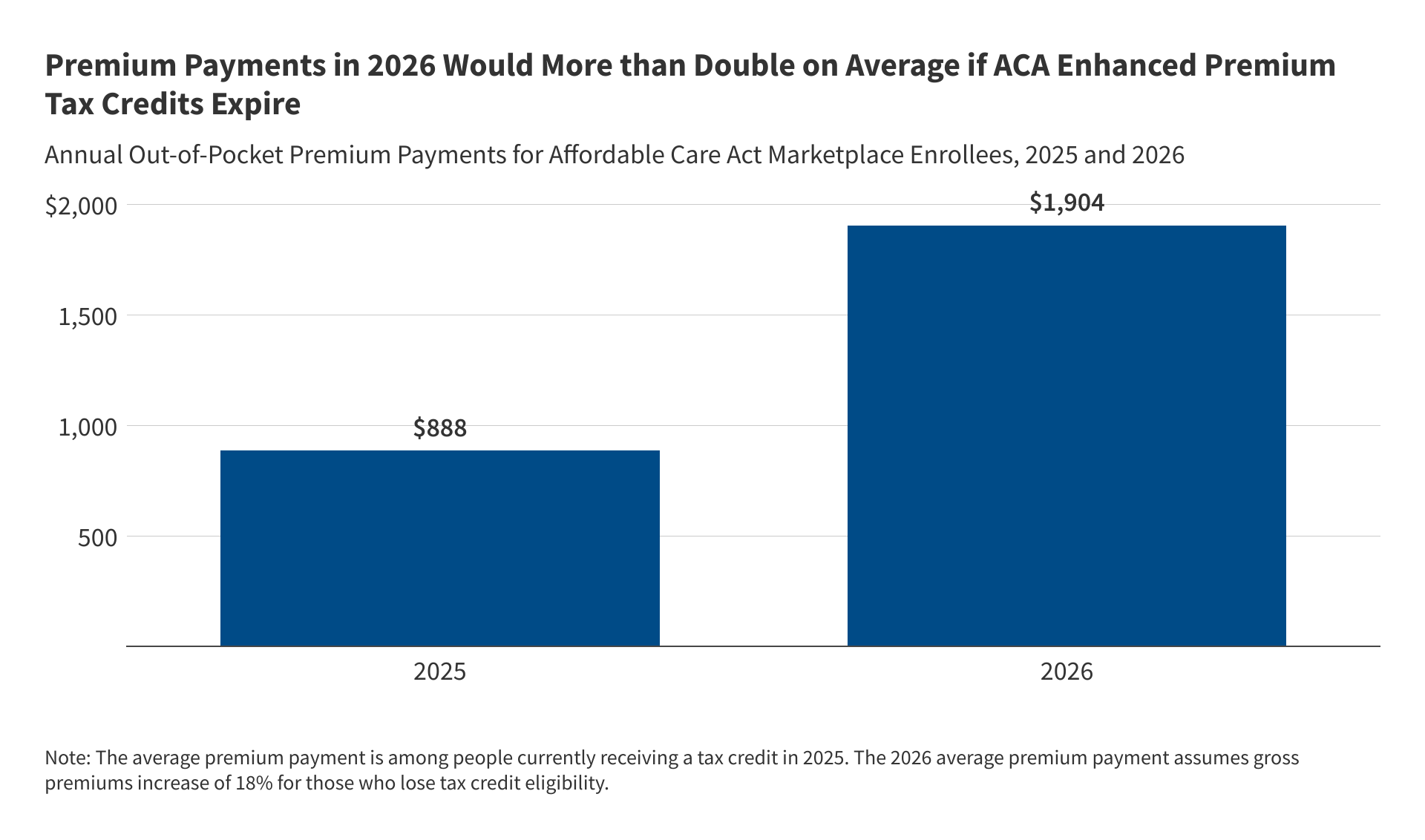
If the enhanced premium tax credits for ACA Marketplace enrollees expire at the end of 2025, average premium payments could more than double in 2026, with middle- and high-income enrollees facing significant increases due to rising premiums and changes in tax credit calculations, potentially leading to substantial financial burdens for many.
Health insurance premiums in Florida are set to double for over 4 million residents in 2026, driven by rate hikes approved by the Florida Office of Insurance Regulation, which could lead to a significant increase in the uninsured population. The increases affect individual and small employer plans, with rural counties facing the highest costs, and are part of broader national trends of rising insurance costs due to various factors, including the expiration of enhanced premium tax credits. Experts emphasize the urgent need for Medicaid expansion to prevent a healthcare crisis.
Roy Cooper is breaking fundraising records as he begins his campaign for re-election in North Carolina, emphasizing his role in expanding Medicaid and contrasting himself with Republican opponents, including Michael Whatley, who has Trump’s backing but lacks name recognition and campaign funds.
President Trump's tax and spending bill initiates nearly $1 trillion in Medicaid and health policy cuts that will mostly take effect after the 2024 midterm elections, with some changes like premium increases and Medicaid restrictions occurring sooner, creating a delayed impact that complicates political messaging.
Originally Published 6 months ago — by Rolling Stone
President Trump signed a law that significantly reduces Medicaid coverage for up to 15 million Americans by imposing work requirements, risking hospital closures and increased healthcare costs, contradicting his promises to improve affordability and protect vital programs.
The article discusses the potential impact of recent Republican-led legislative changes on Medicaid, highlighting significant federal funding cuts that threaten healthcare access for millions, especially in rural areas like North Carolina, Kentucky, and Arizona, risking hospital closures and worsening health disparities among low-income populations.
An empty hospital in Williamston, North Carolina, exemplifies the impact of proposed Medicaid cuts in the GOP's tax bill, which threatens rural hospitals and healthcare access, especially in states like North Carolina that expanded Medicaid. Senator Thom Tillis opposed the bill due to its potential to worsen hospital closures and reduce healthcare funding for low-income and rural populations.
Senate Republicans passed a controversial budget bill with $1.1 trillion in Medicaid and safety net program cuts, sparking political backlash, potential loss of health coverage for millions, and opposition from Democrats and advocacy groups, amid concerns about impacts on rural hospitals, health costs, and environmental protections.
The Senate version of Trump's policy bill proposes deeper healthcare cuts than the House version, potentially leading to 11.8 million more Americans losing insurance by 2034, with over $1.1 trillion in reductions mainly from Medicaid, according to the Congressional Budget Office.
A proposed Republican bill threatens to cut nearly a trillion dollars from Medicaid over the next decade, risking the loss of coverage for millions, including vulnerable populations like Enid Rodriguez in North Carolina, who relies on Medicaid for essential healthcare. The bill's potential cuts and work requirements could reverse recent expansions that have improved healthcare access and provider capacity, especially in rural areas, despite public opposition and concerns from some Republicans.
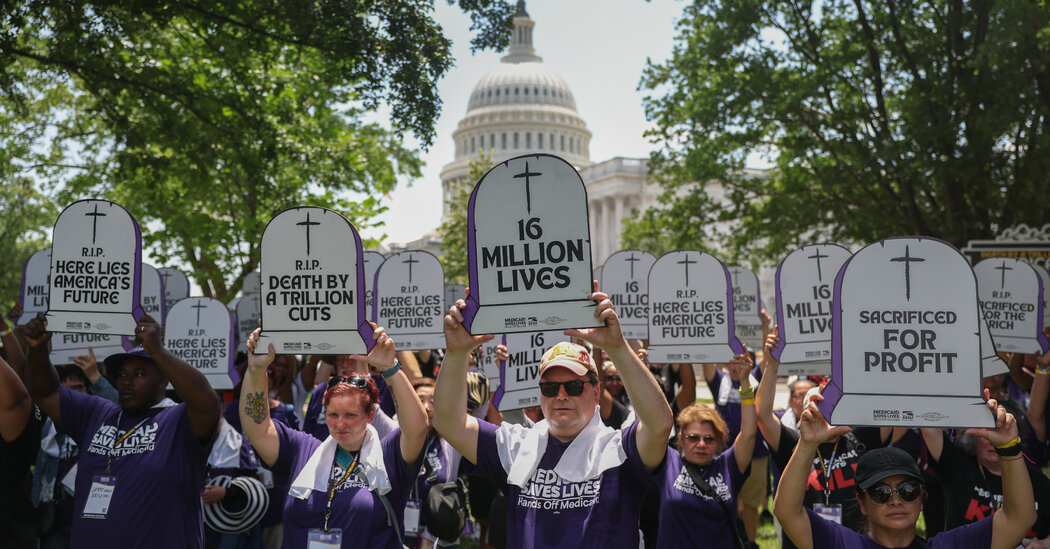
Senate Republicans are pushing a budget bill with $1 trillion in cuts to Medicaid and food assistance, sparking widespread opposition from doctors, health organizations, and activists who warn these cuts will lead to increased deaths, hospital closures, and reduced access to healthcare, especially in rural and vulnerable communities.