The House passed a bill to extend ACA subsidies for three years with bipartisan support, despite opposition from GOP leadership, aiming to address rising healthcare costs and increase coverage, though the measure is unlikely to pass in the Senate.
The House voted 248-177 to uphold President Trump's veto of the Finish the Arkansas Valley Conduit Act, which aims to improve water access for southeastern Colorado, falling short of the two-thirds majority needed to override. Despite bipartisan support and low costs, most Republicans sided with the veto, citing concerns over federal spending, while Colorado lawmakers criticized the veto as political retaliation.
The House voted 230-196 to extend Obamacare subsidies for three years, with some Republican support, aiming to pressure the Senate for a bipartisan deal amid rising healthcare costs and political risks for Republicans, especially in states with higher enrollment and premiums.
The U.S. House is preparing to vote on a three-year extension of Obamacare subsidies, with bipartisan support expected, despite opposition from some Senate Republicans and a Republican health care bill that does not address the subsidies, risking their lapse at year's end.
Four centrist Republicans defied House Speaker Mike Johnson by signing a petition to force a vote on extending enhanced ACA subsidies for three years, amid disagreements within the Republican Party over health care policy and the handling of pandemic-era support measures.
A group of House Republican centrists defied GOP leadership and helped Democrats secure enough signatures to force a vote on a three-year extension of ACA tax credits, marking a rare revolt that highlights internal divisions within the Republican Party and the challenges of passing healthcare legislation in Congress.
A group of House Republican moderates joined Democrats to push for a vote on a three-year extension of Obamacare tax credits, bypassing GOP leadership, though the bill is unlikely to pass in the Senate. The effort highlights internal divisions over healthcare policy and the ongoing debate about extending subsidies for millions of Americans.
The House is set to vote on the SCORE Act, a bill to reform college athletics oversight, despite GOP divisions and some members opposing it; the legislation aims to provide antitrust exemptions and other protections for college sports, with President Trump endorsing it. Meanwhile, other legislative issues like U.S.-China investment restrictions and healthcare subsidies are also progressing with bipartisan negotiations, amidst internal GOP conflicts and upcoming elections.
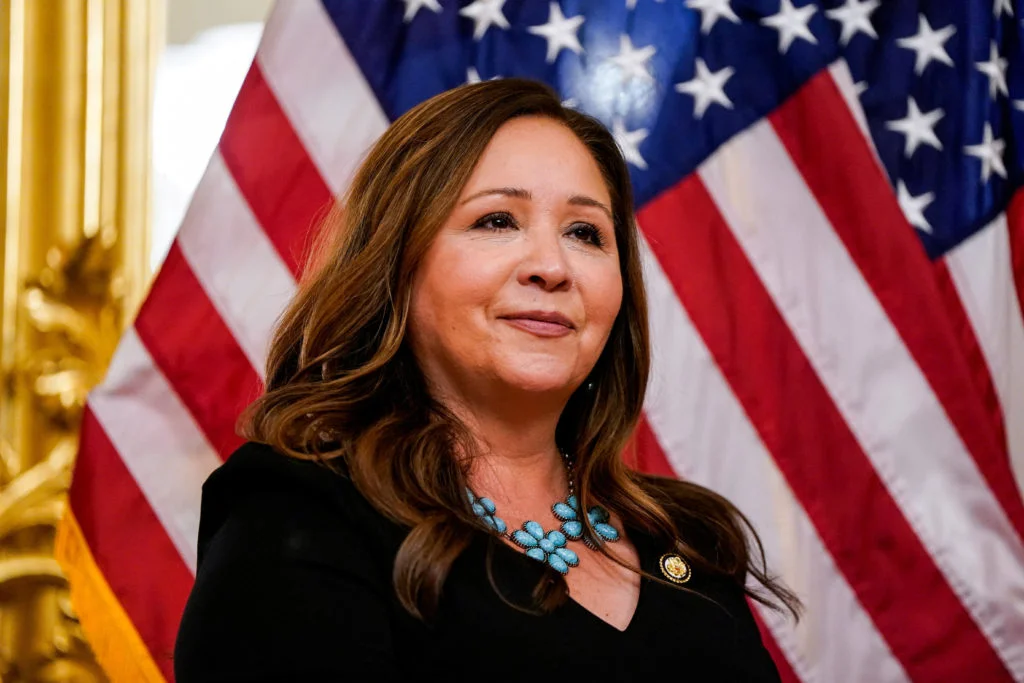
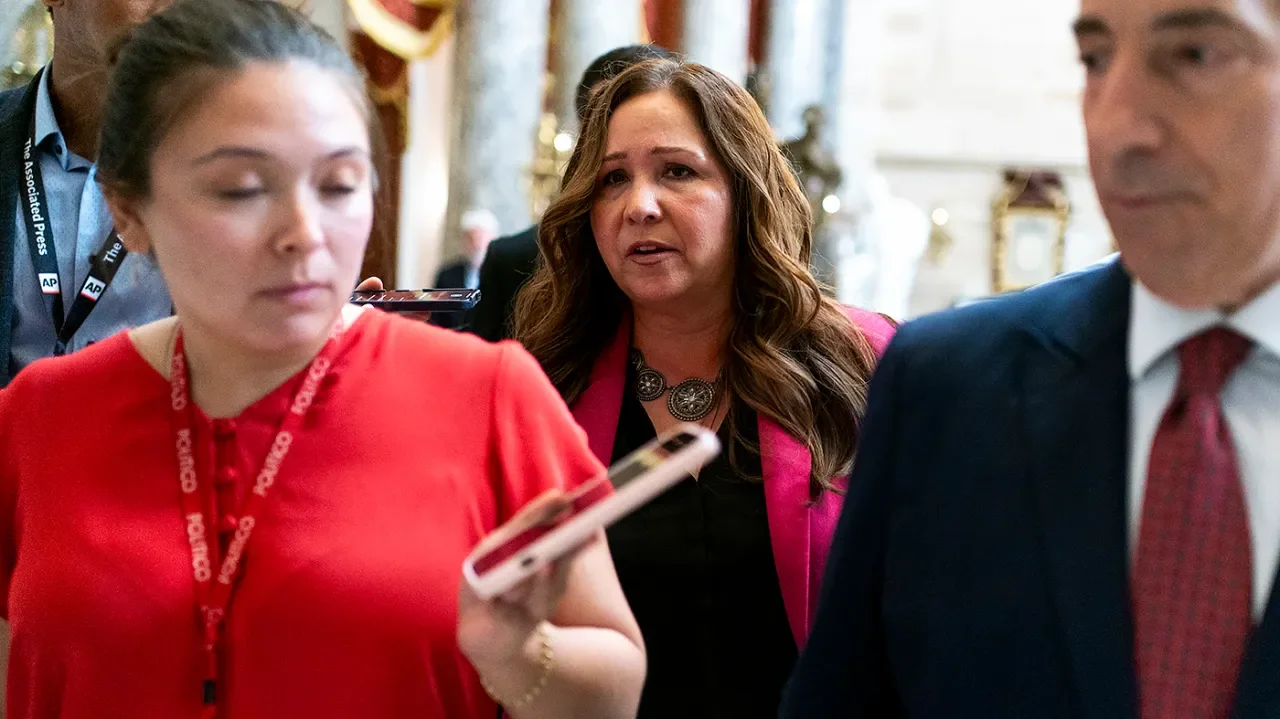
The US House is scheduled to vote next week on a bill to compel the release of government files related to Jeffrey Epstein, following the final signature on a discharge petition by Democrat Adelita Grijalva. The bill aims to increase transparency about Epstein's activities, but faces uncertain prospects in the Senate and from President Trump, who dismisses it as a hoax.
House Speaker Mike Johnson plans to hold a vote next week on a measure to fully disclose Justice Department files related to Jeffrey Epstein, amid bipartisan efforts and political controversy, including a discharge petition led by Rep. Adelita Grijalva. The move is part of broader legislative activities including ending the government shutdown and addressing other investigations and policy issues.
The U.S. House of Representatives plans to vote next week on a bill to release all Justice Department files related to Jeffrey Epstein, driven by bipartisan pressure and a discharge petition, despite opposition from GOP leadership and concerns about transparency and political implications.
Rep. Adelita Grijalva signed a petition with 218 signatures to force a House vote on releasing Jeffrey Epstein files, marking her official swearing-in and continuing her advocacy for transparency and progressive policies.
A discharge petition with 218 signatures has been successful in forcing a House vote on releasing files related to Jeffrey Epstein, with Speaker Mike Johnson planning to bring the bill to a vote next week. The bill aims to declassify records related to Epstein and his associates, and is expected to pass easily in the House, though it faces hurdles in the Senate and potential veto by President Trump.
The U.S. House is set to vote on releasing Jeffrey Epstein files after Democrat Adelita Grijalva signed a discharge petition, bypassing Republican opposition, with the vote expected in early December. The effort reflects bipartisan push for transparency amid ongoing political tensions, including debates over government funding and healthcare subsidies.
President Trump and his administration are exerting pressure on congressional Republicans to prevent a House vote on releasing the Justice Department's files related to Jeffrey Epstein, with key officials meeting in the White House Situation Room to coordinate efforts.