Many Americans, including families like Adrienne Martin's, face soaring healthcare costs in 2026 as ACA subsidies expire, leading to increased uninsured rates and financial hardship, with a congressional vote expected soon to potentially extend these subsidies.
The ACA subsidies that significantly reduce health insurance costs for millions of Americans are set to expire at the end of 2025, potentially causing a sharp increase in premiums in 2026, amid political disagreements over extending these benefits.
Most Texas Republicans oppose extending ACA premium tax credits, which are set to expire at year's end, risking millions losing coverage and higher premiums, while some Democrats and moderate Republicans push for extensions amid ongoing legislative debates.
President Trump delivered a speech claiming the U.S. is on the verge of an economic boom, while GOP lawmakers are divided on extending ACA subsidies, and Trump ordered a ban on Venezuelan oil tankers amid escalating tensions. Additionally, debates over AI detection tools in schools and holiday shopping trends with buy now, pay later options are highlighted.
House Republicans passed a healthcare bill that does not renew ACA subsidies, which is expected to cause premiums to more than double for about 20 million enrollees, despite internal disagreements and efforts to extend subsidies. The bill includes measures to lower healthcare costs but also increases the uninsured population and reduces government spending. The Senate is unlikely to take up the bill, but some ideas may resurface later.
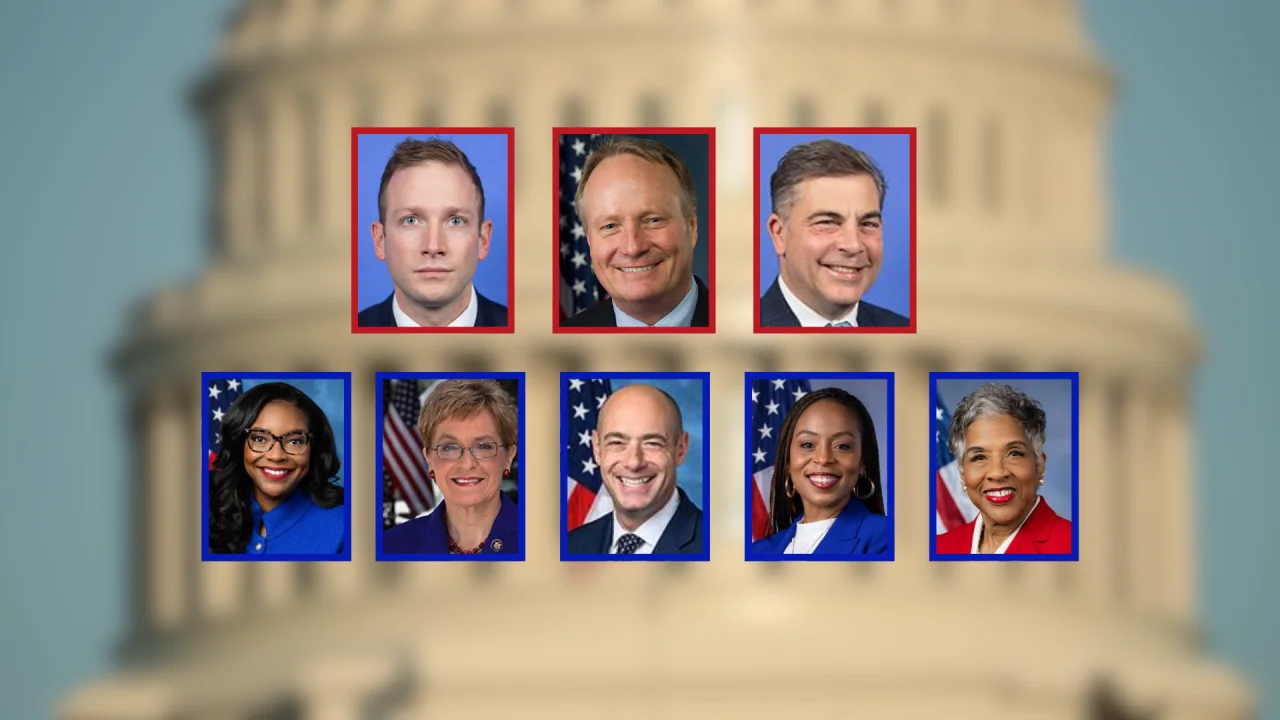
A small group of moderate House Republicans are collaborating with Democrats to push for a vote on extending pandemic-era ACA subsidies, which are set to expire at year's end, highlighting internal GOP tensions amid the Senate's rejection of the plan.
Four moderate Republicans in the House defied GOP leadership by signing a petition to force a vote on extending pandemic-era ACA subsidies for three years, highlighting intra-party divisions and setting the stage for renewed health care debates in January, with potential implications for upcoming elections and bipartisan negotiations.
Four centrist Republicans defied House Speaker Mike Johnson by signing a petition to force a vote on extending enhanced ACA subsidies for three years, amid disagreements within the Republican Party over health care policy and the handling of pandemic-era support measures.
Republican Rep. Mike Lawler criticizes congressional inaction on extending ACA subsidies, which are set to expire and affect over 20 million people, calling the situation 'idiotic' and 'shameful' as premiums are expected to rise without reforms or extensions.
Congress is unlikely to extend ACA subsidies before the holiday recess, risking higher premiums for millions, while President Trump's approval ratings hit a new low at 36%. The administration is also fast-tracking new nuclear reactor designs, raising safety concerns, and a new statue of Barbara Rose Johns has been installed in the U.S. Capitol.
House Speaker Mike Johnson faces internal Republican opposition over a healthcare package that excludes extending Obamacare subsidies, causing frustration among moderates who argue the subsidies are crucial for millions, while the bill advances with plans for further healthcare reforms and potential reconciliation efforts in the new year.
House Republicans are divided over extending expiring Obamacare subsidies, with some moderates refusing to withdraw discharge petitions for a floor vote, while GOP leadership attempts to negotiate amendments and pass a health care bill amid internal disagreements and upcoming votes.
House GOP moderates are frustrated with Speaker Johnson's refusal to allow a vote on extending ACA subsidies, leading to threats of bipartisan action through discharge petitions, highlighting leadership struggles and potential shifts in health care policy.
The White House is carefully considering the risks of a potential health care fight as ACA subsidies are set to expire, with internal disagreements on whether to extend them or let them expire, amid political and electoral considerations.
House Republicans proposed a narrow health care package that does not include extending the expiring ACA subsidies, focusing instead on expanding association health plans, transparency in drug costs, and reducing premiums, while discussions continue on possibly adding an amendment to extend the subsidies. The bill faces uncertain prospects in the Senate, and Democrats criticize the proposal for not addressing the upcoming premium hikes.