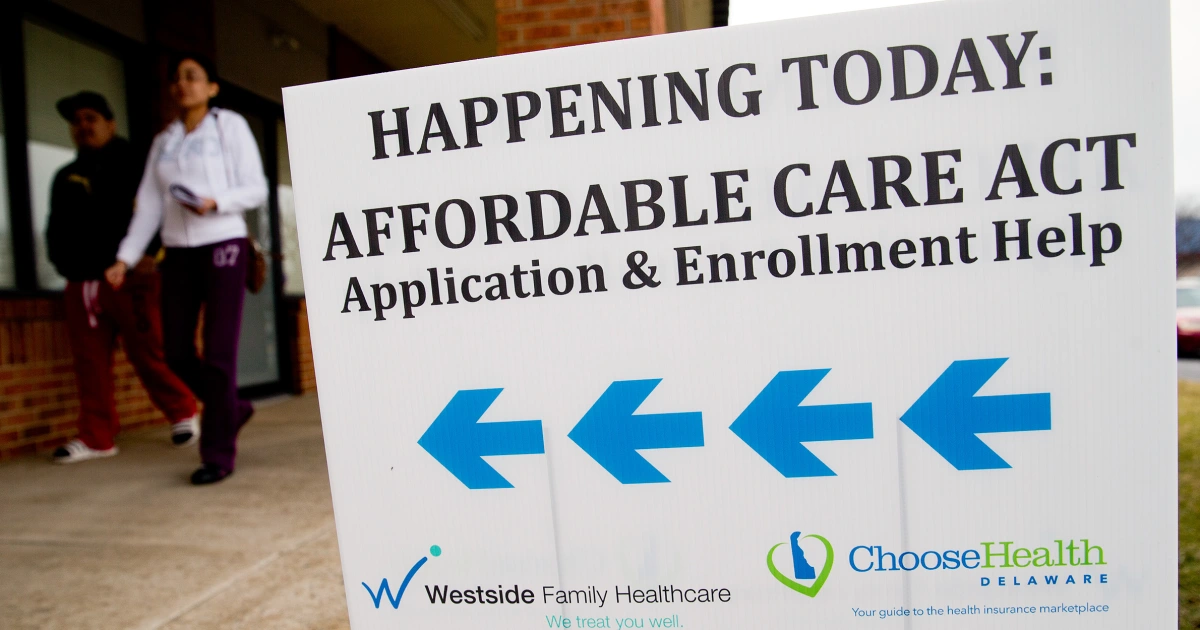
Enhanced health insurance subsidies under the Affordable Care Act expired at the start of 2026, leading to significant premium increases for millions of Americans, especially affecting middle-class and vulnerable groups, amid ongoing political debates and no immediate legislative relief.
Enhanced health insurance subsidies under the Affordable Care Act expired at the start of 2026, leading to significant premium increases for millions of Americans, especially affecting middle-class and vulnerable groups, with ongoing political debates about extending the subsidies.
Enhanced health insurance subsidies under the Affordable Care Act expired at the start of 2026, leading to significant premium increases for millions of Americans, especially affecting middle-class and vulnerable groups, amid ongoing political debates and no immediate legislative relief in sight.
Enhanced health insurance subsidies under the Affordable Care Act expired at the start of 2026, leading to significant premium increases for millions of Americans, with ongoing political debates and no immediate relief in sight, raising concerns about affordability and enrollment.
As federal Obamacare subsidies expire, some states like New Mexico are covering the costs, while others like Georgia refuse, leading to potential coverage gaps and increased premiums, especially impacting rural hospitals and uninsured populations. States are debating whether to fill the gap themselves, with some viewing it as a matter of life or death.
The U.S. House passed a Republican healthcare bill that does not renew the expanded ACA subsidies, which are set to expire at year's end, potentially leading to higher insurance costs for millions and a decrease in insured individuals, amidst political disagreements and upcoming legislative challenges.
House Republicans passed a healthcare bill that does not renew ACA subsidies, which is expected to cause premiums to more than double for about 20 million enrollees, despite internal disagreements and efforts to extend subsidies. The bill includes measures to lower healthcare costs but also increases the uninsured population and reduces government spending. The Senate is unlikely to take up the bill, but some ideas may resurface later.
Four Republicans joined Democrats in the US House to push for a vote on extending healthcare subsidies set to expire, risking increased premiums and uninsured Americans if not approved, with the measure facing uncertain prospects in the Senate.
The House GOP health package aims to reduce government spending by $35.6 billion but could result in 100,000 fewer Americans gaining health insurance annually through 2035, mainly by not extending enhanced Obamacare subsidies and expanding association health plans, while also increasing oversight of drug pricing and permitting reforms.
Consumer Reports, using data from Insurify, lists Subaru, Buick, Volvo, GMC, and Mini as the top five cheapest car brands to insure in the US, with Subaru being the most affordable. Insurance costs vary based on multiple factors, including vehicle safety features and personal circumstances, so shopping around is recommended.
Democrats are launching a messaging campaign to blame Republicans for upcoming Obamacare premium hikes set for November 1, highlighting the potential financial impact on Americans and criticizing GOP resistance to health care negotiations amid ongoing government shutdown talks.
The 2026 ACA open enrollment begins with the largest cost increases since the law's inception, driven by rising premiums and the expiration of enhanced subsidies, leading many Americans to face higher costs or consider going uninsured. Enrollment runs from Nov. 1 to Jan. 15, with some state variations, and changes in subsidy eligibility may result in fewer people qualifying for financial assistance, potentially increasing the uninsured rate.
States are preparing for significant changes in health insurance costs and plans due to the potential expiration of federal subsidies for ACA plans, with Congress's gridlock creating uncertainty during the upcoming open enrollment season.
The popularity of weight loss drugs, especially GLP-1 medications, among workers with employer health insurance is increasing, leading to higher costs for employers and prompting some to reconsider coverage policies. Larger firms are more likely to cover these drugs, but rising usage and prices are impacting their budgets, potentially affecting future insurance premiums and employee costs.
The median monthly cost of homeownership in the U.S. has risen to $2,035 in 2024, driven by higher mortgage rates, insurance, and fees, making homeownership increasingly expensive amid high real estate prices. Meanwhile, utility costs are also climbing, especially in major cities, and rent prices continue to grow, adding financial pressure on Americans.