The upcoming JPMorgan Healthcare Conference will showcase industry updates on drug pipelines, M&A activity, and the impact of recent drug pricing deals, with a focus on managing patent expirations, obesity treatments, and potential new drug developments from major pharma companies like Bristol Myers Squibb, Merck, Novo Nordisk, and Eli Lilly.
Several major pharmaceutical companies, including Merck, struck drug-pricing agreements with the Trump administration, joining other industry leaders in negotiations over drug prices.
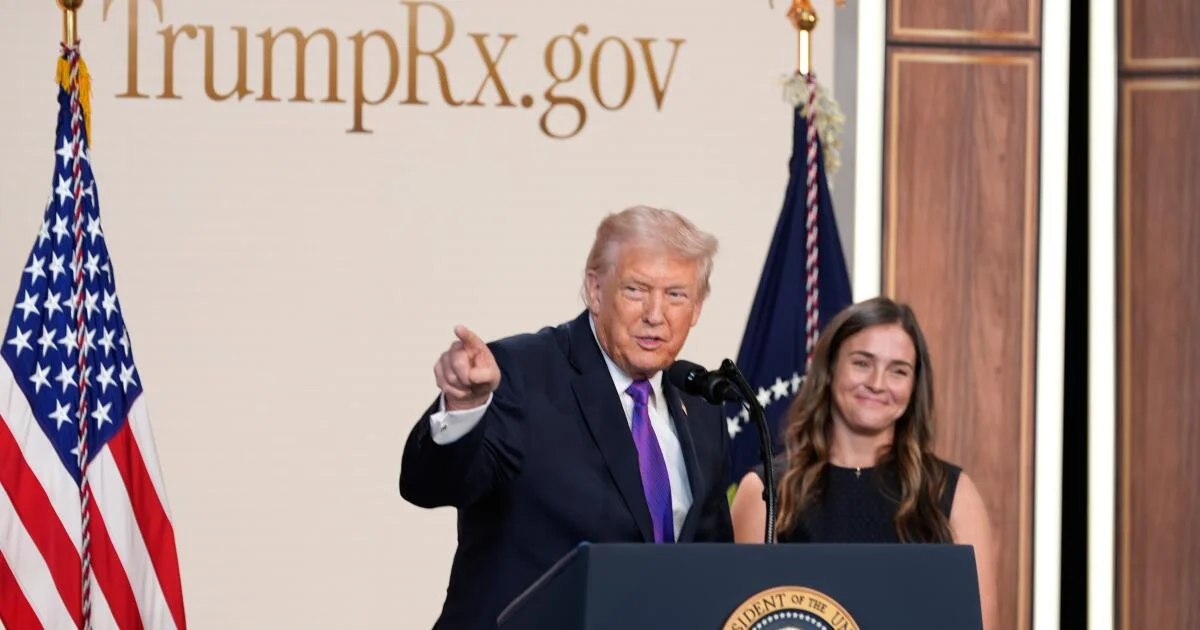
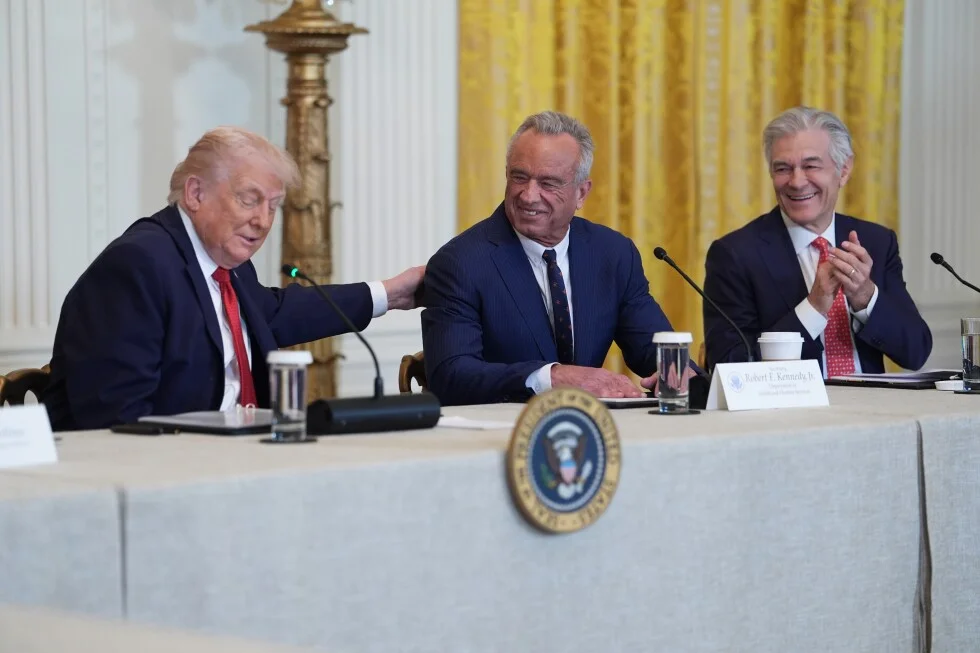
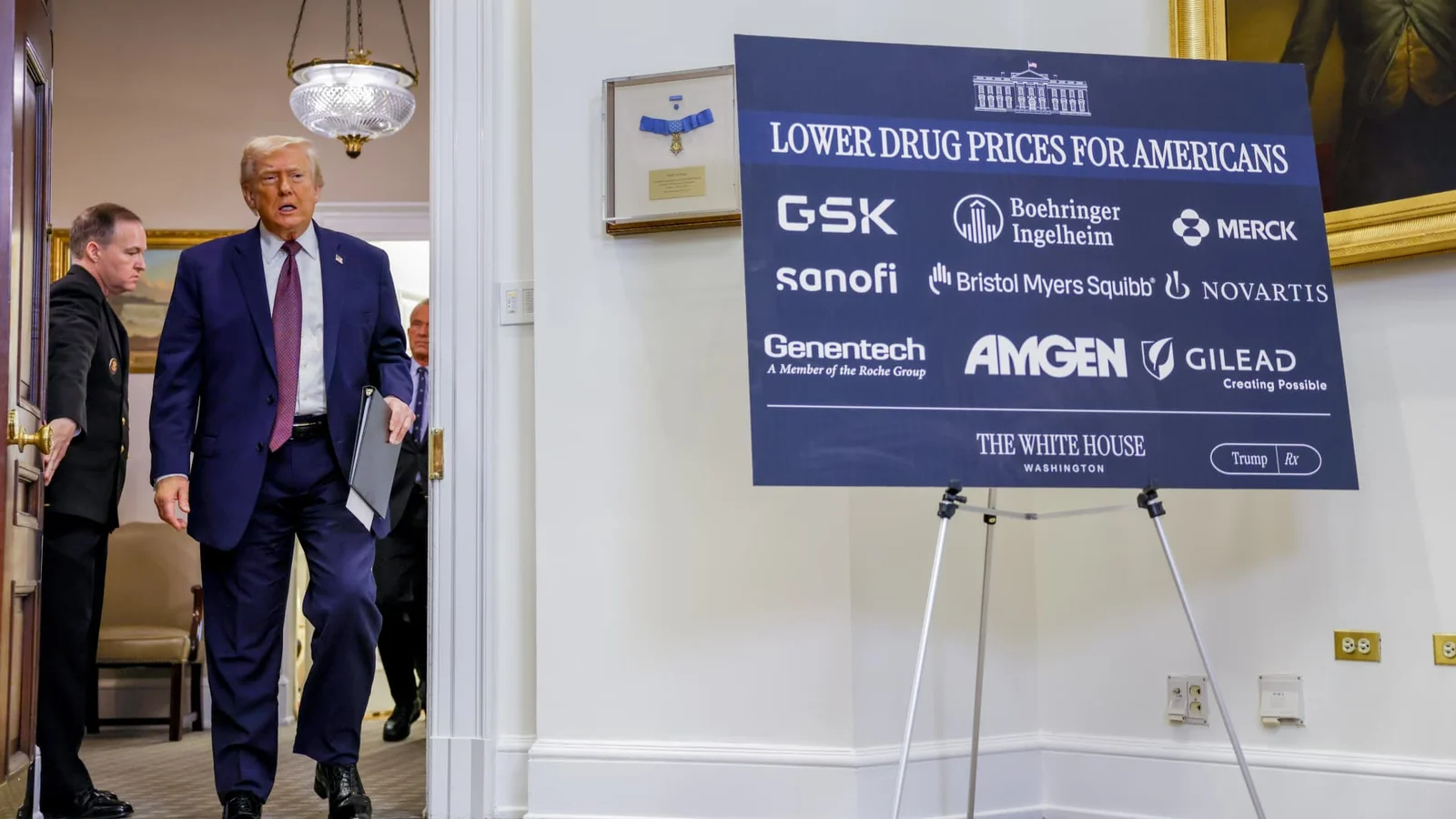
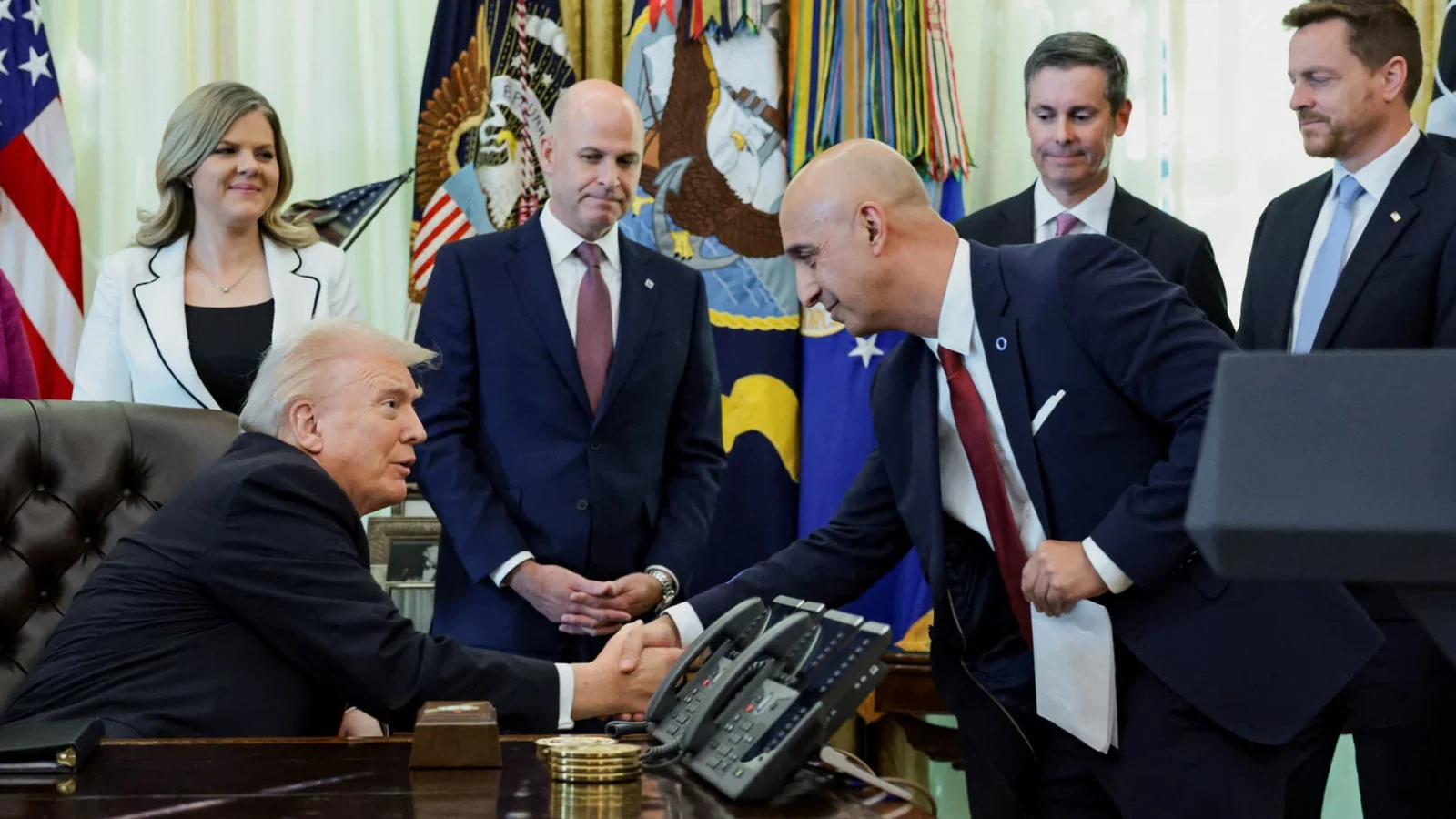
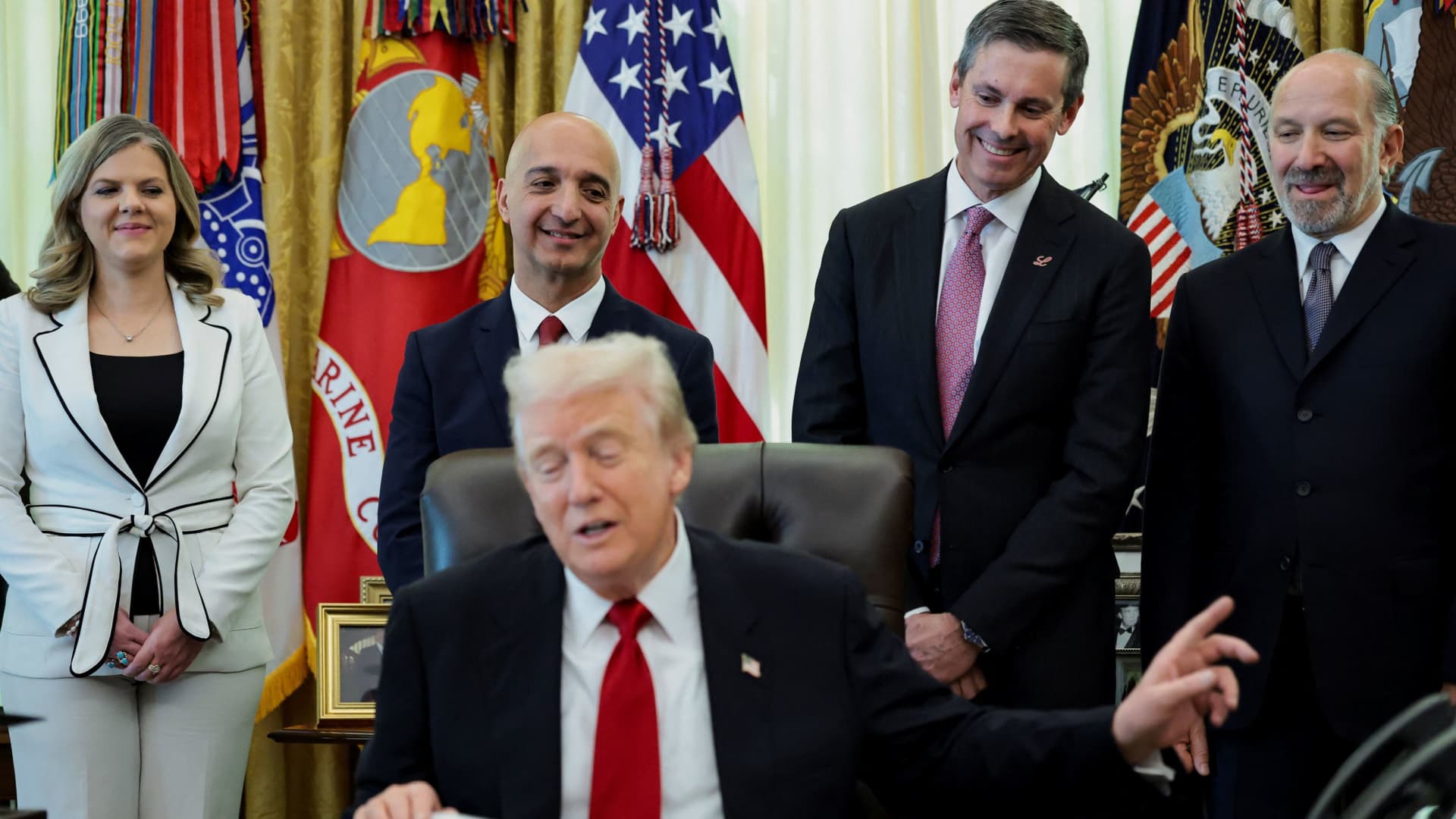
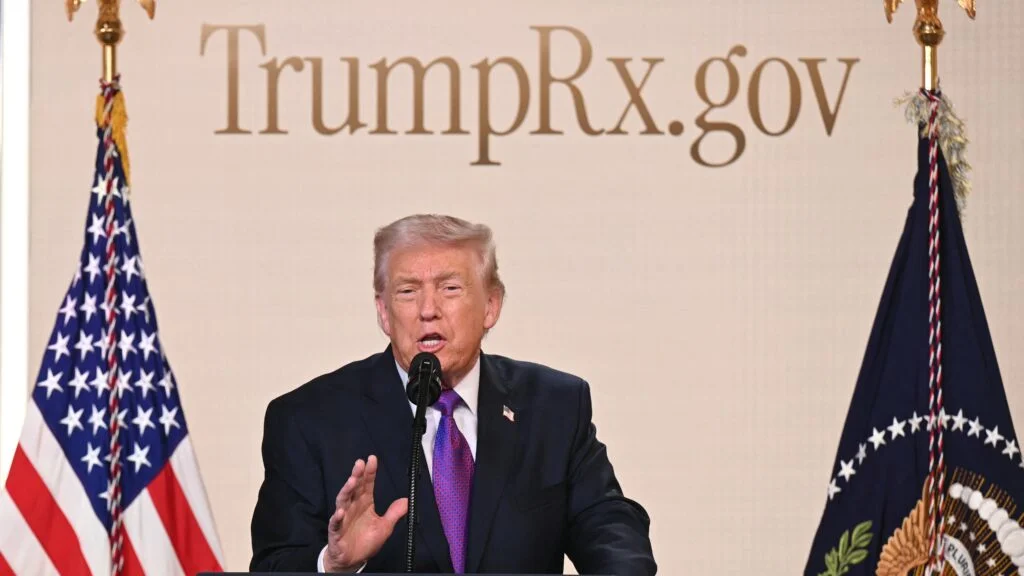
Nine pharmaceutical companies have committed to President Trump's drug pricing policies, including lowering U.S. prices for some drugs and participating in the upcoming TrumpRx platform, as part of a broader effort to align U.S. drug prices with those in other developed countries and promote domestic manufacturing. The deals involve offering drugs at most favored nation prices, investing in domestic production, and donating ingredients to the national stockpile, though some drugs are already available as generics.
Merck has reached an agreement with the U.S. government to improve access to medicines and lower costs for Americans, including offering key drugs at significantly reduced prices through a direct-to-patient program and investing over $70 billion in U.S. manufacturing and R&D to bolster domestic innovation and job creation.
Hospitals in the US are significantly marking up the prices of old, generic cancer drugs, sometimes by hundreds of times the Medicare rate, leading to inflated costs for patients and insurers. This practice, driven by hospital profit motives and opaque pricing systems, results in substantial financial burdens on patients and health plans, despite the drugs being inexpensive to produce. Efforts to increase price transparency and regulate these markups are ongoing, but the problem remains complex and widespread.
The UK and US have reached a deal to keep tariffs on UK pharmaceutical exports to the US at zero for three years, while the UK will increase NHS drug spending and adjust pricing thresholds, aiming to boost trade, investment, and the UK’s position in global life sciences, amidst ongoing tensions over drug costs and investments.
The Trump administration is implementing policies to combat obesity by making weight-loss drugs more affordable through negotiated prices and copays, while also proposing bans on soda and candy purchases with SNAP benefits in several states, aiming to reduce 'disease fuel' consumption and promote healthier choices, though critics argue these measures may undermine dignity and autonomy and face practical challenges.
The Trump administration's CMS is launching a five-year pilot in 2026 to link Medicaid drug prices to lower international prices through a 'Most Favored Nation' model, allowing participating states to negotiate lower prices for certain drugs, amid ongoing debates about its impact on drug costs and rebates.
The Trump administration announced deals with Novo Nordisk and Eli Lilly to lower the cost of obesity and Type 2 diabetes drugs for Medicare beneficiaries to $50 copays, aiming to improve access and reduce overall healthcare spending through broader drug pricing reforms.
President Trump announced a deal with Eli Lilly and Novo Nordisk to expand coverage and lower prices for obesity drugs Wegovy and Zepbound, including Medicare coverage starting next year and phased price reductions for uninsured patients, aiming to improve access and affordability of these effective treatments.
The White House is close to a deal with Eli Lilly and Novo Nordisk to lower the cost of weight loss drugs Zepbound and Wegovy to as little as $149 a month, in exchange for limited Medicare coverage, as part of efforts to reduce prescription drug prices.
Pfizer exceeded earnings estimates and raised its full-year profit guidance despite a decline in sales, driven by cost-cutting measures and a one-time charge related to a Chinese biotech licensing deal. The company also announced a significant investment in U.S. manufacturing and is involved in a bidding war for the biotech Metsera, amidst ongoing negotiations with the Trump administration over drug pricing and tariffs.
Cigna plans to eliminate prescription drug rebates in many of its private health plans by 2027, shifting to upfront discounts to lower patient costs and reduce the influence of rebates, which have been controversial and linked to higher drug prices. This move aims to increase transparency and potentially negotiate better drug prices, marking a significant change in the pharmaceutical and insurance industries.
The White House announced a deal to significantly reduce the cost of IVF drugs on the TrumpRx platform, with over 70% discounts for drugs like Gonal-F, Ovidrel, and Cetrotide, and plans to encourage employers to offer more IVF coverage, although it stops short of providing universal free IVF.