The US House of Representatives, with some Republican support, passed a bill to extend COVID-era healthcare subsidies for three years, but it faces significant opposition in the Senate, making its future uncertain ahead of the midterm elections.
Four Republicans joined Democrats in the US House to push for a vote on extending healthcare subsidies set to expire, risking increased premiums and uninsured Americans if not approved, with the measure facing uncertain prospects in the Senate.
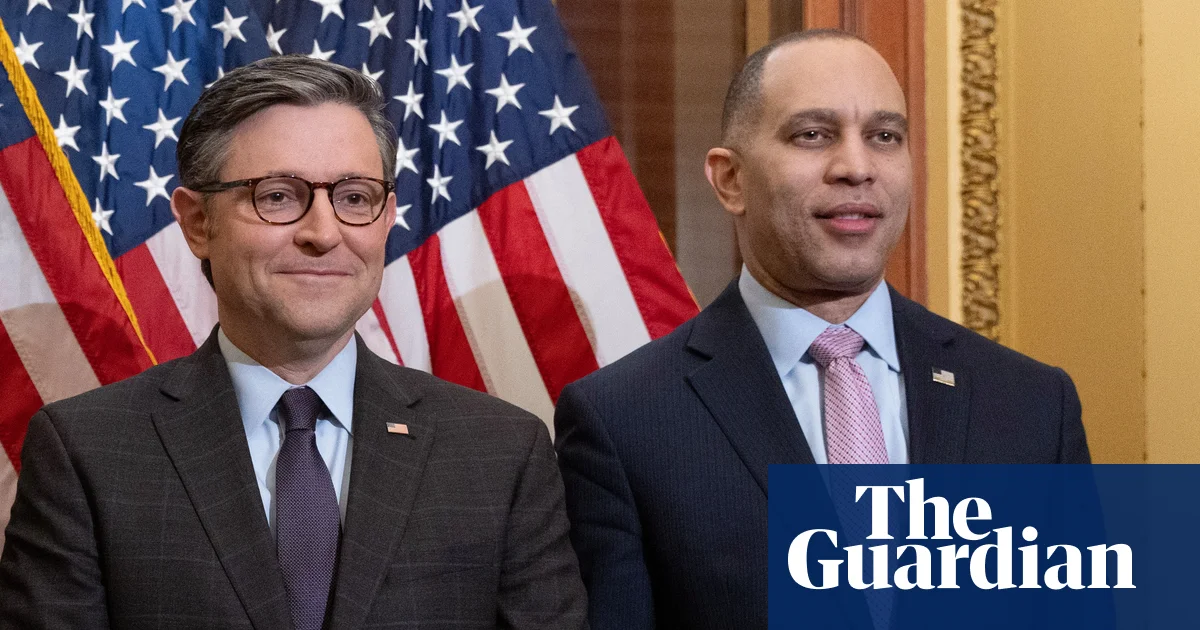
A group of House Republican moderates joined Democrats to push for a vote on a three-year extension of Obamacare tax credits, bypassing GOP leadership, though the bill is unlikely to pass in the Senate. The effort highlights internal divisions over healthcare policy and the ongoing debate about extending subsidies for millions of Americans.
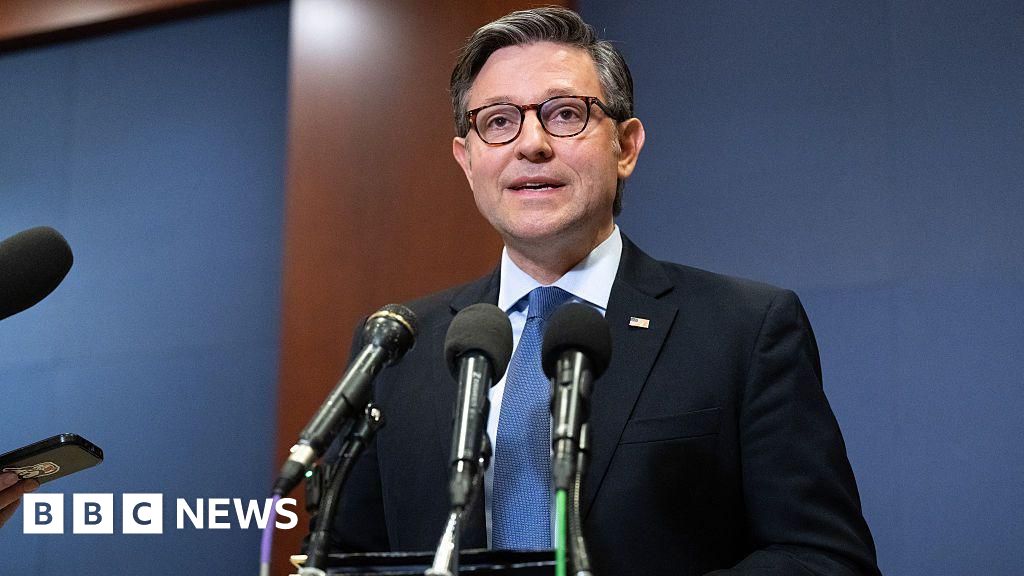
House Speaker Mike Johnson announced there will be no vote to extend COVID-era healthcare subsidies, likely leading to increased premiums for millions of Americans, as Republicans cite budget concerns and Democrats push for a quick extension amid upcoming elections.
The US House is set to vote on a short-term funding bill to end the record government shutdown, amid Democratic disagreements over healthcare subsidies and Republican optimism about passing the legislation, which would keep the government open through January.
The US House is set to vote on a bill to end the longest government shutdown in history, which includes funding through January 2026 and provisions for federal workers and programs, amid political disagreements over healthcare subsidies and bipartisan support for the measure.
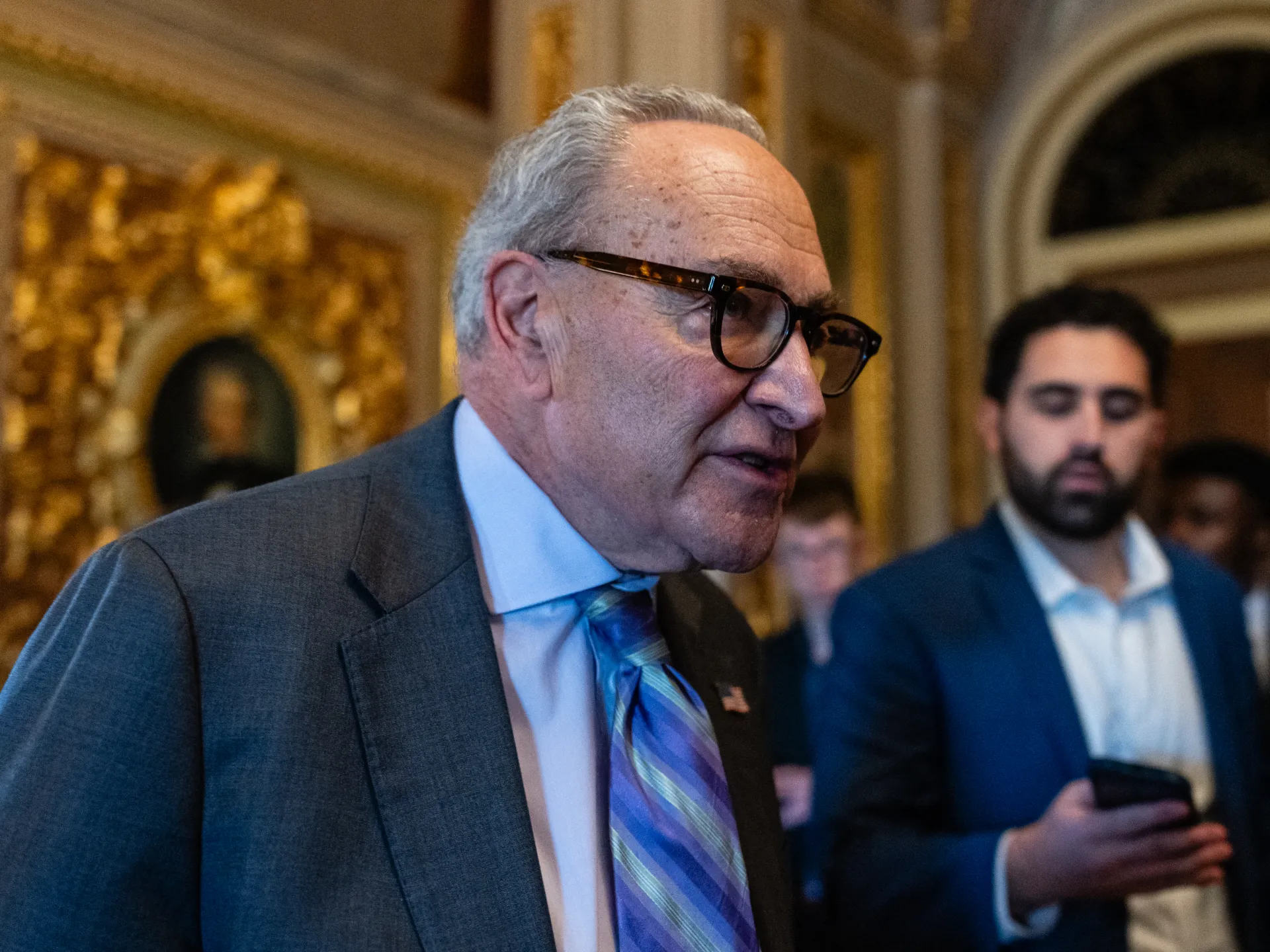
Senate leader Chuck Schumer faces criticism from within his party after Democrats voted with Republicans to end the government shutdown without securing healthcare subsidy extensions, highlighting internal party divisions and calls for his replacement from progressive members.
The U.S. Senate approved a stopgap funding bill to end the government shutdown, which now awaits House approval and President Trump's signature. The measure funds the government through January 30 and includes provisions for federal employee backpay and SNAP funding, but does not extend ACA subsidies, leading to ongoing political negotiations. The House is expected to vote soon, with further discussions on healthcare reform and full-year funding still pending.
The U.S. House is returning to a period of controversy after a 7-week break, with internal disagreements over government funding and healthcare subsidies. House Republicans are hesitant to commit to extending subsidies, while Democrats are strategizing to oppose the Senate's funding deal and push for healthcare support, despite some bipartisan support. The situation remains tense as both parties navigate internal divisions and upcoming votes.
NPR is seeking stories from individuals shopping for ACA health plans during open enrollment, amid uncertainty over the renewal of subsidies that have helped many afford coverage, with potential significant premium increases if subsidies expire in 2026.
Senator John Fetterman explains his vote to end the government shutdown, criticizing the chaos and impact on millions of Americans, and emphasizing the importance of protecting healthcare subsidies and SNAP benefits while expressing skepticism about the likelihood of these subsidies being extended as promised.
The US Senate has voted to advance a Republican stopgap funding bill to end the longest government shutdown in US history, which includes funding for various government sectors until January 30 and a vote on healthcare subsidies by December, amid bipartisan negotiations and internal party disagreements.
The US Senate narrowly approved a compromise funding bill to end the longest government shutdown in history, which includes provisions to fund the government through January 2026 and retroactively pay federal workers, but omits the Democrats' demand for healthcare subsidy extensions, setting the stage for further battles in the House.
The US Senate has reached a deal to end the 40-day government shutdown by advancing a stopgap funding package, which includes provisions for government funding through January and a vote on healthcare subsidies, though final approval and the impact on federal employees and food aid programs remain ongoing issues.
The US government shutdown has entered its 40th day with ongoing negotiations in the Senate, where Republicans and Democrats are debating measures to reopen the government and extend healthcare subsidies, amid President Trump's push to abolish the filibuster and Republican efforts to pass new funding bills. The situation remains uncertain as both sides negotiate terms, with potential votes on legislation imminent.