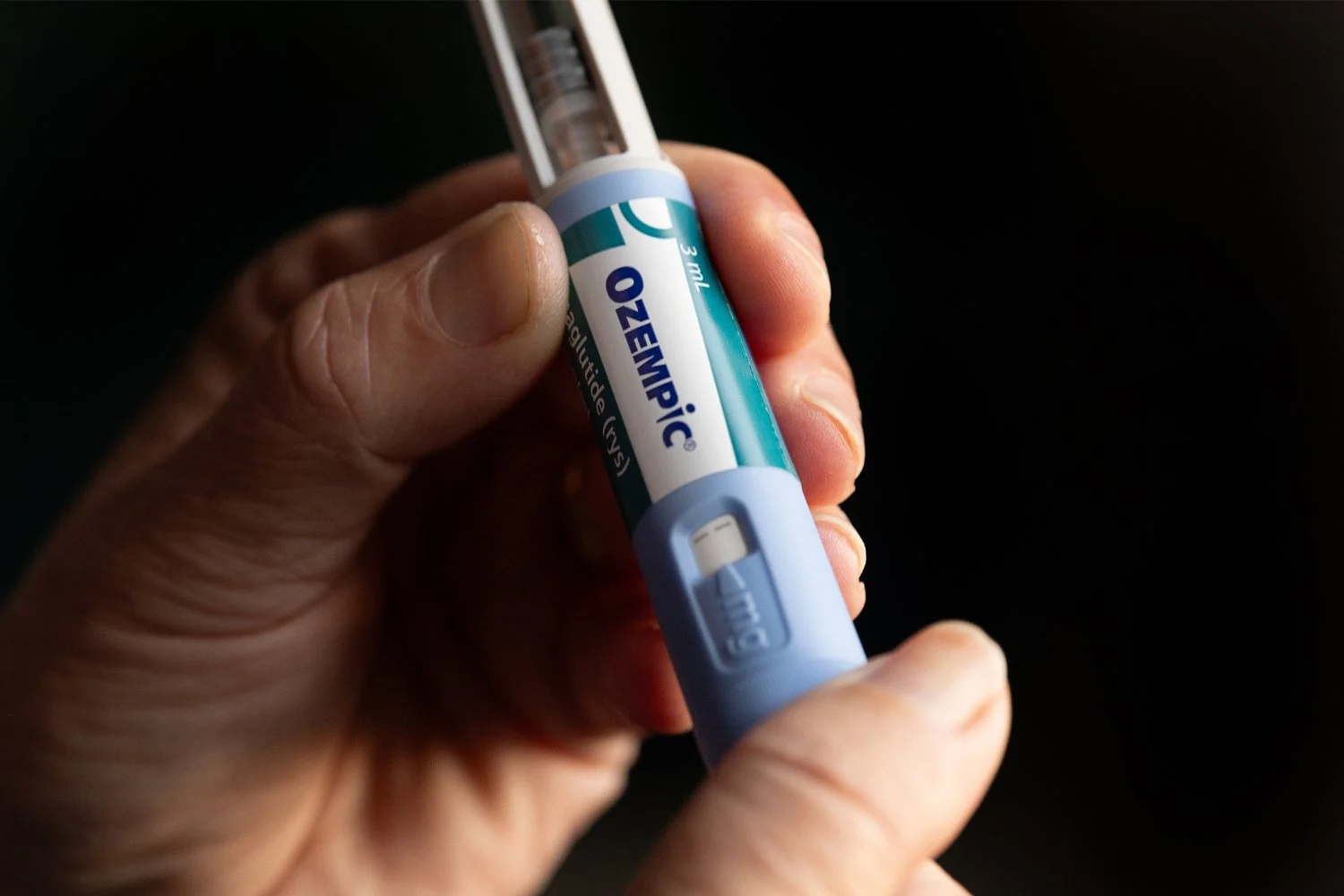
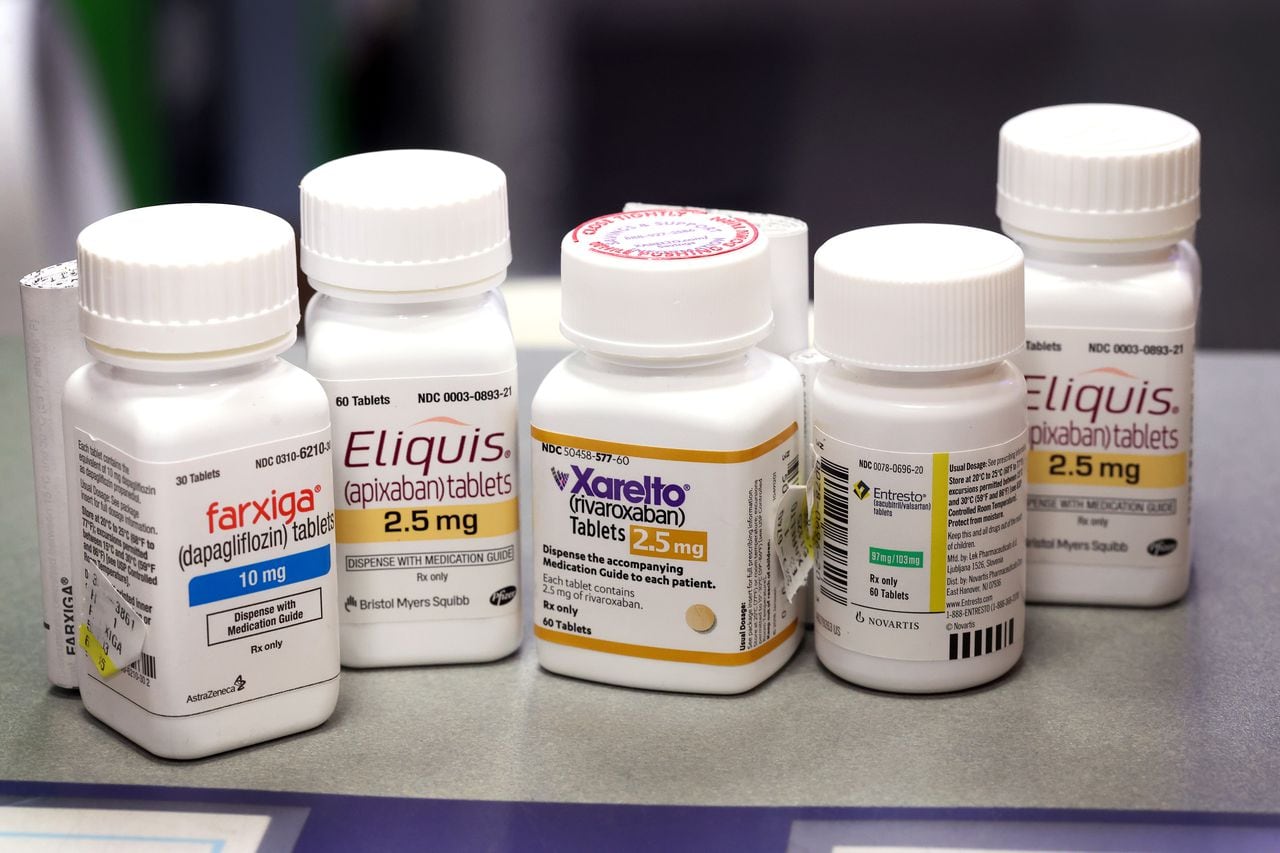
New research from Emory University suggests that weight loss drugs like Ozempic and Wegovy could significantly reduce healthcare costs by helping people lose weight, which in turn lowers expenses related to obesity-associated conditions. The study found that losing as little as 5% body weight can lead to substantial savings in medical bills for both privately insured and Medicare patients. However, the high cost of these drugs and limited insurance coverage pose challenges to their cost-effectiveness. The researchers emphasize that improving access to these medications could further decrease healthcare spending and potentially save lives by preventing obesity-related health issues.
The article discusses the frustration and anger many Americans feel towards the healthcare system, as experienced by doctors. It highlights issues such as high costs, complex insurance processes, and inadequate patient care, which contribute to widespread dissatisfaction. The author, a doctor, shares insights into the systemic problems and suggests that meaningful reform is necessary to address these concerns and improve the overall healthcare experience for patients.
The rising demand for weight loss medications, often referred to as "skinny drugs," is significantly increasing healthcare expenses for state governments. These medications, which are becoming popular for their effectiveness, are straining state budgets as more people seek prescriptions, leading to higher overall healthcare costs.
A toddler in San Diego was bitten by a rattlesnake, leading to a hospital bill of $297,461, primarily due to the high cost of antivenom. The child received 30 vials of Anavip, with prices varying significantly between hospitals. The incident highlights the exorbitant costs of medical treatment for snakebites in the U.S., driven by hospital markups and lack of competition in the antivenom market. The family's insurance covered most costs, but they still faced significant out-of-pocket expenses.
The FDA has approved two groundbreaking cell-based gene therapies, Casgevy and Lyfgenia, for treating sickle cell disease (SCD), with Casgevy being the first FDA-cleared clinical use of CRISPR-Cas9 gene editing for any condition. SCD, which disproportionately affects those with African ancestry, has long been underfunded in research and treatment. While these therapies offer hope, concerns about their high costs and accessibility remain, especially for those not enrolled in Medicaid. The ethical use of CRISPR in these therapies differs from more controversial applications, and the focus should now be on making these treatments more affordable and accessible to patients worldwide.
Former U.S. Surgeon General Jerome Adams received a nearly $5,000 emergency room hospital bill for a dehydration-related visit, sparking a conversation about inflated medical costs. Medical bills are a leading cause of bankruptcy in the U.S., with adults owing at least $195 billion in medical debt. Adams advises people to request itemized bills, research and dispute charges, and consider hiring companies like Goodbill and Resolve to help navigate the legal system. HealthLock, a service that monitors medical bills, can also help identify potential errors or overbilling. Adams continues to dispute his bill, hoping for a positive resolution with the Mayo Clinic, while the clinic emphasizes its commitment to providing high-quality care without financial obstacles.
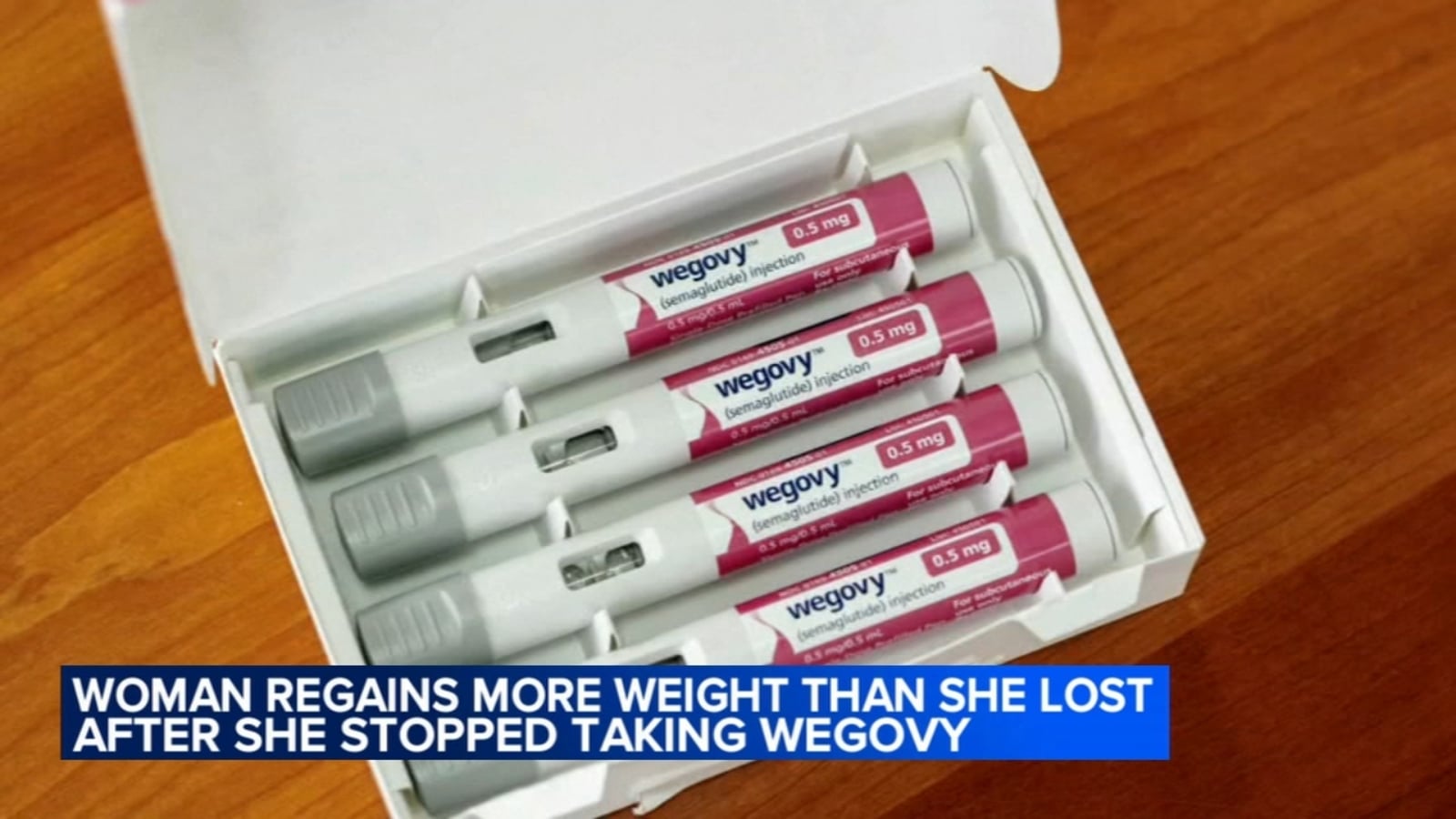
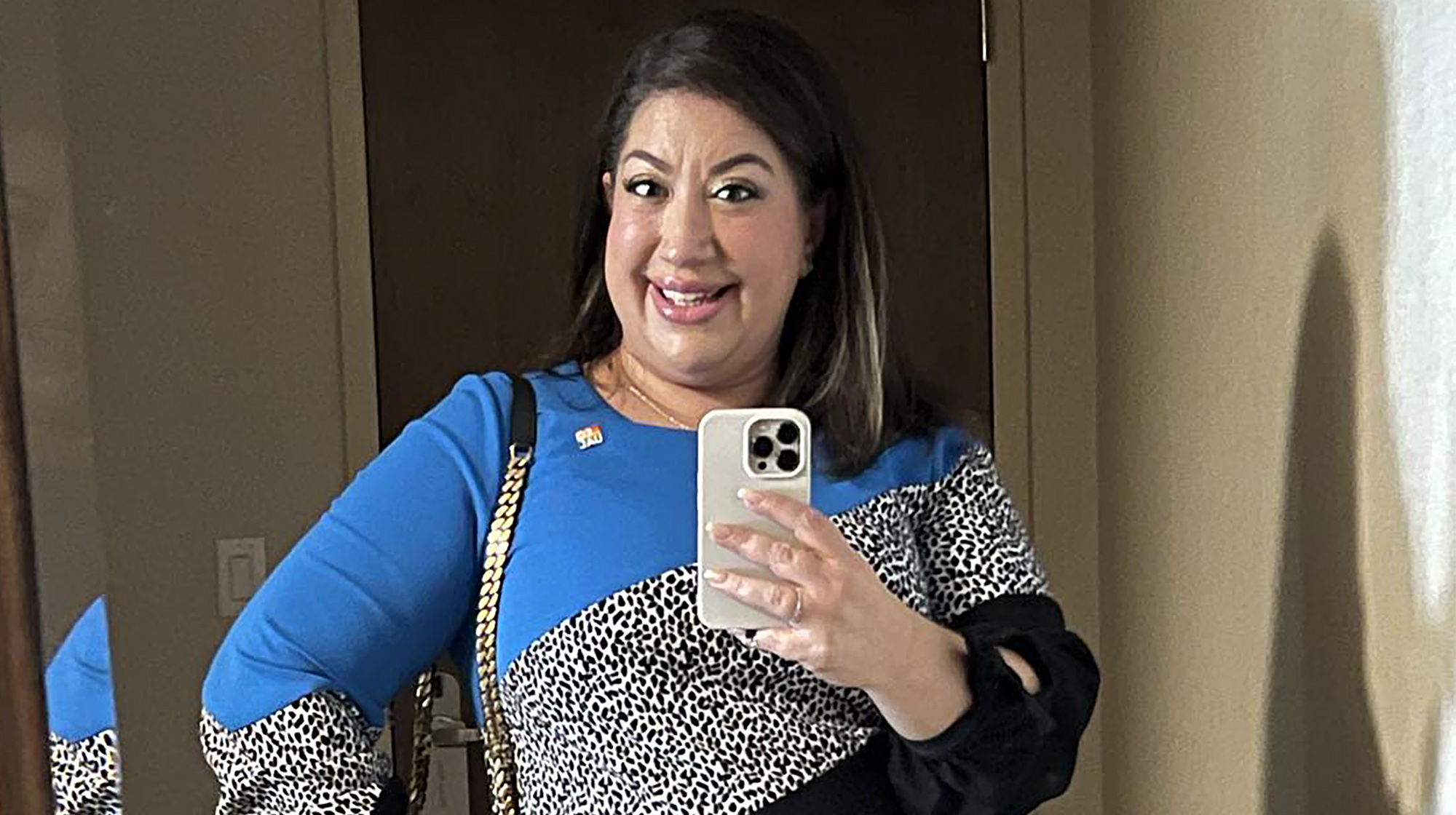
Artemis Bayandor from Naperville shared her experience of gaining more weight after discontinuing the prescribed weight loss medication Wegovy due to its high cost without insurance coverage. Initially, Bayandor lost 15 pounds with the medication but gained it back, plus an additional 15 pounds, after stopping. The medication's active ingredient, semaglutide, was initially approved for type 2 diabetes and later for chronic weight management. A study showed that patients typically regain about two-thirds of the weight they lost after ceasing the medication. Novo Nordisk, the manufacturer, acknowledges weight regain is expected when stopping the drug, emphasizing the need for long-term management of obesity. Experts advise that weight loss drugs should be accompanied by lifestyle changes.
A traveler was surprised by the high cost of a yellow fever vaccine at Passport Health in the United States, totaling $483, including a $99 office visit fee and $394 for the vaccine itself. This price is significantly higher than the average cost mentioned online and the prices charged by some health departments. The traveler regrets not researching the costs beforehand and is considering leaving an online review to share the experience, despite the pleasant service received from the nurse. The vaccine is necessary for travel to certain African countries, but the cost at this clinic seems to be on the higher end of the spectrum.
Jules Rogers, a millennial, has decided not to have children due to a variety of reasons including genetic health concerns, the high costs associated with childbirth and raising a child, the environmental impact of increasing the population, and the inadequacies of the U.S. healthcare and parental leave systems. Despite societal pressures and the potential for judgment, Rogers stands by her choice, highlighting the risks and ethical considerations that have shaped her decision.
Women who used the weight loss drugs Wegovy and Ozempic experienced significant weight loss, but upon discontinuing the medication due to high costs or side effects, not only regained the weight they had lost but also gained additional weight. Experts suggest that these medications, which treat obesity as a chronic disease, need to be taken indefinitely alongside healthy lifestyle changes to maintain weight loss. The high out-of-pocket costs and side effects are major barriers for patients, leading some to consider alternative treatments like bariatric surgery or weight loss apps.
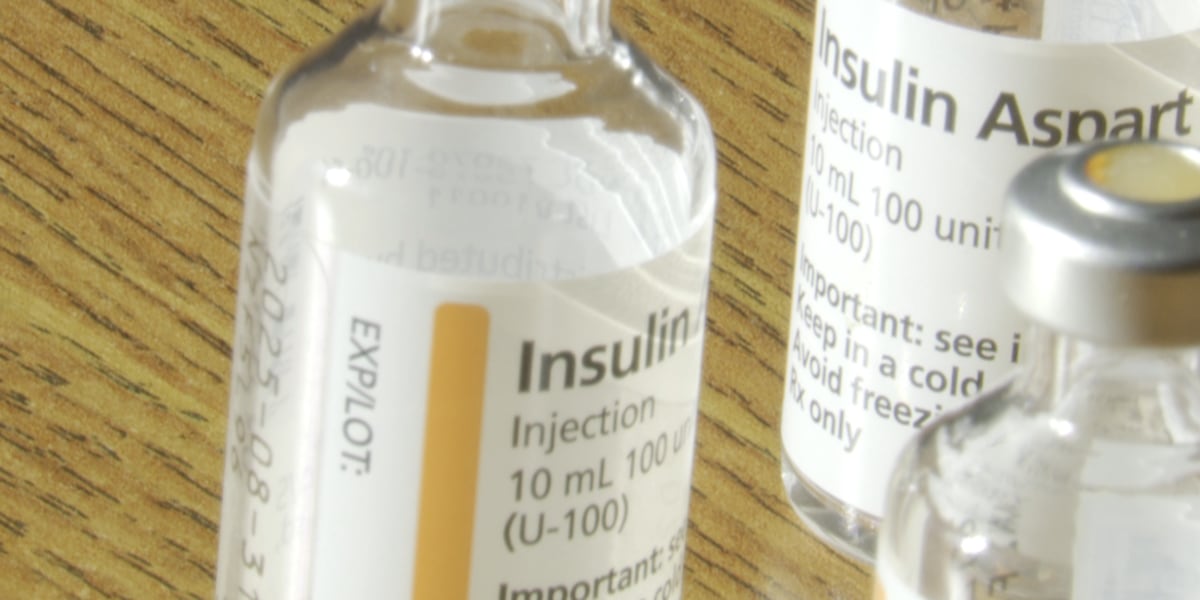
Sanofi, a leading insulin manufacturer, has capped the monthly price of its widely prescribed insulin, Lantus, at $35 for insured patients in the U.S. This move follows similar price reductions by other major insulin producers and comes after increased pressure from the government and public, partly due to the Inflation Reduction Act's $35 cap for Medicare users. The change is significant for the 8.5 million Americans dependent on insulin, with up to 25% previously unable to afford their medication. Sanofi also offers a savings program for uninsured patients.
New Jersey is implementing several laws in 2024, including a cap on out-of-pocket costs for essential medications like insulin and Epi-Pens, discounts on prescription drugs for seniors, and new licensing standards for police officers. Additionally, a surcharge on the state's corporate business tax will expire, which is expected to reduce state revenue by over $300 million in the current year and potentially up to $1 billion in fiscal year 2025.
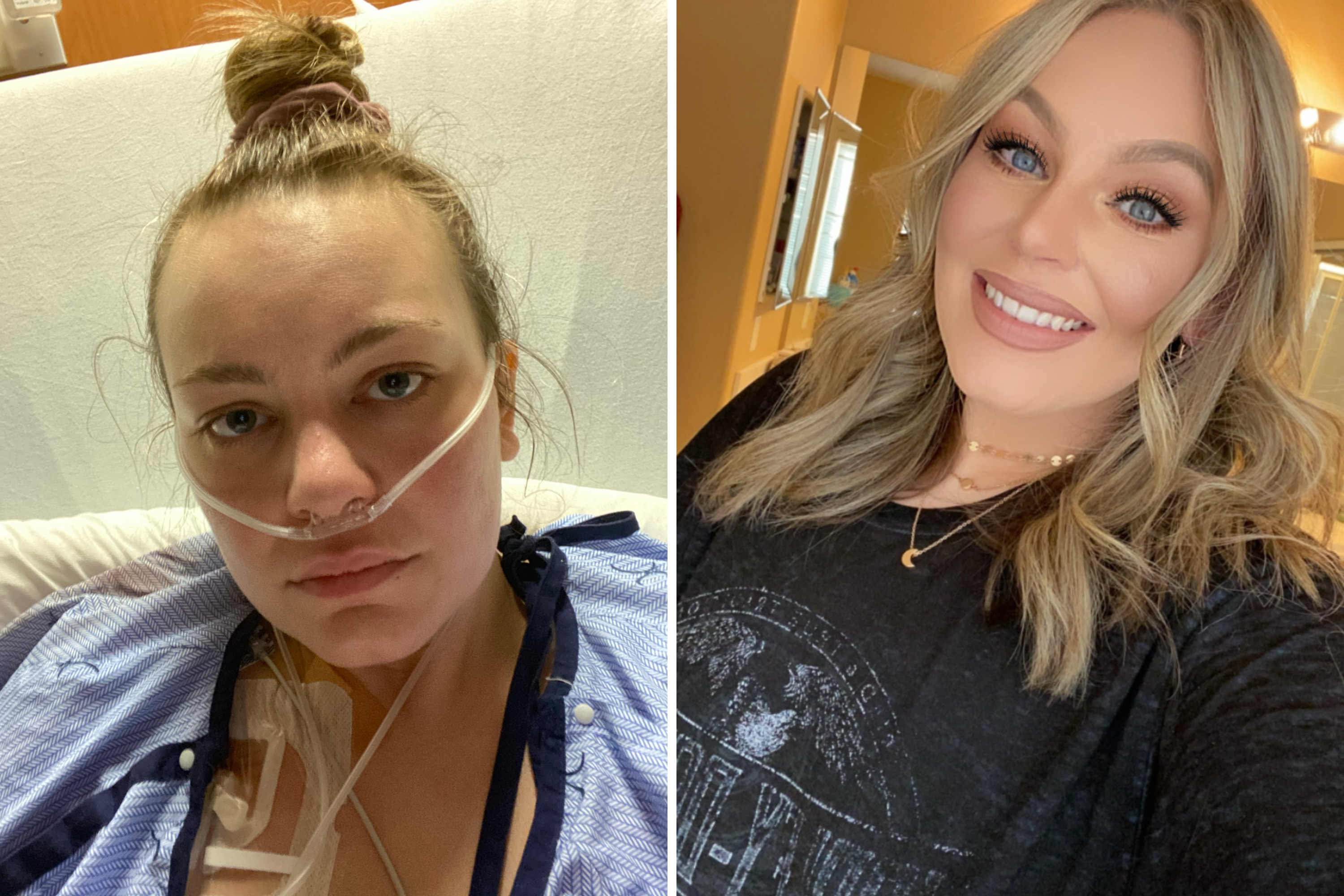
Amanda Pehrson, an Alabama mother, decided to forego health insurance to save money, which led to a delayed diagnosis of stage four lung cancer after initially dismissing persistent symptoms as minor. Despite not being a smoker, Pehrson's condition was serious, and she now advocates for the importance of health insurance and seeking medical advice for persistent symptoms. Her story highlights the risks of being uninsured and the potential for non-smokers to develop lung cancer.
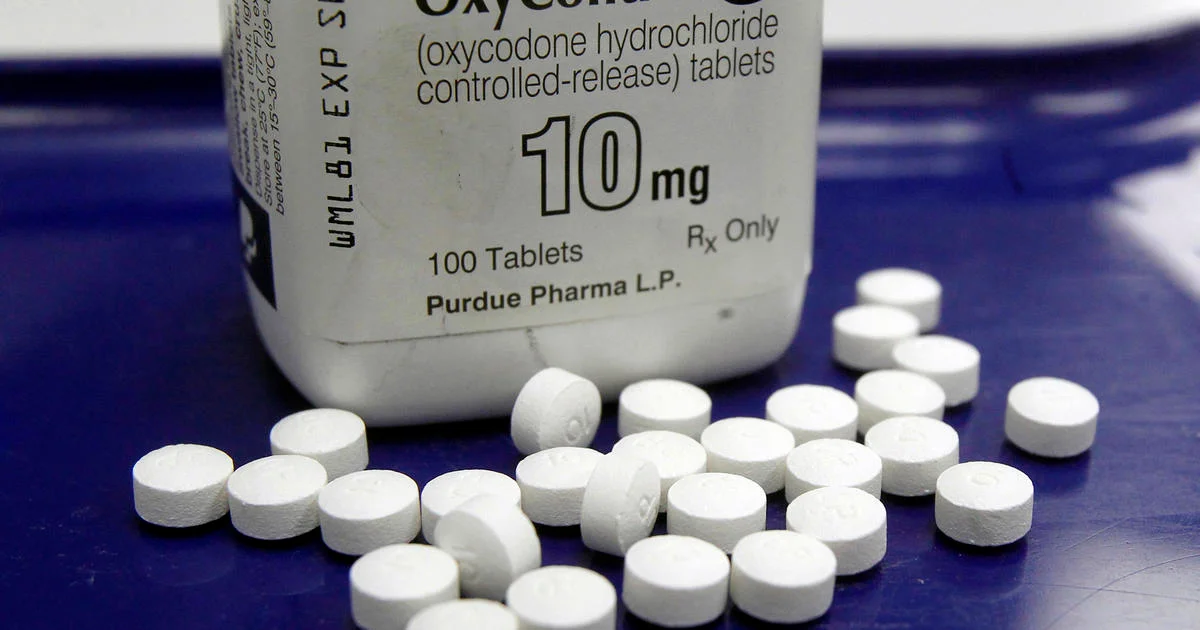
Consulting firm McKinsey & Co. has agreed to a $78 million settlement with insurers and healthcare funds over allegations that its work with Purdue Pharma and other drug companies contributed to the opioid crisis. The settlement, pending judicial approval, will establish a fund to reimburse prescription opioid costs and addiction treatments. This follows McKinsey's previous settlements totaling nearly $830 million with U.S. states, territories, and local entities. Despite the settlements, McKinsey maintains that its past work was lawful and ceased advising on opioid-related business in 2019.
A report by Patient Rights Advocate has revealed significant price discrepancies for medical procedures within the same hospital and across different hospitals in Idaho. For instance, an MRI of the lower extremity without contrast could cost between $133 and $2,074 at Saint Alphonsus Regional Medical Center in Boise, depending on the insurance plan. The cost for a knee replacement at the same hospital ranged from $2,081 to over $6,980. The study highlights the need for transparent hospital pricing to allow patients to make informed decisions and avoid overcharges.