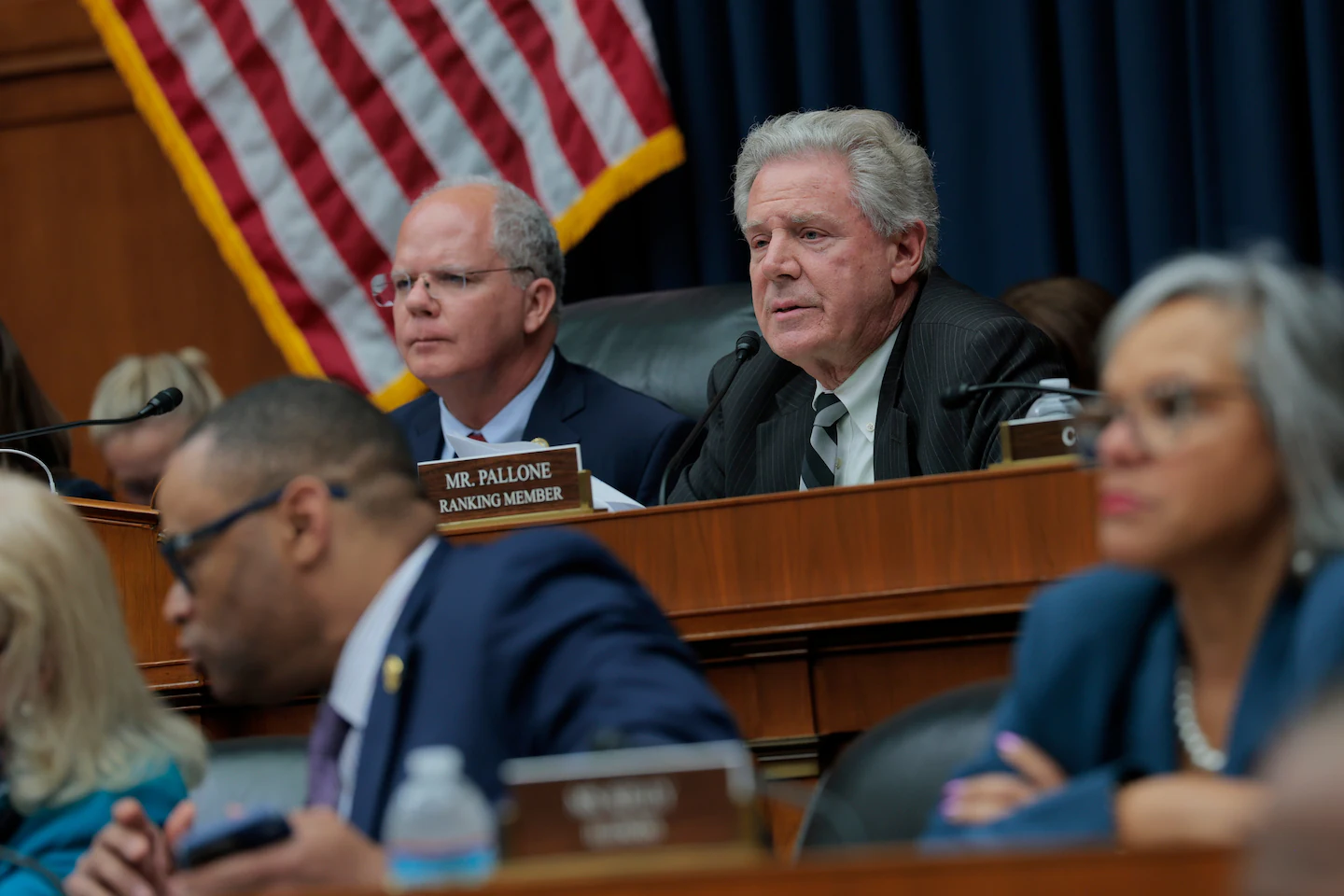
Colorado's congressional representatives reacted to the House's passing of a 3-year extension for ACA tax credits, with some Republicans calling for reforms due to concerns over fraud and waste, while Democrats support the extension as a starting point for broader negotiations. The legislation faces challenges in the Senate, which previously rejected a similar extension.
Democratic candidates are divided on Medicare for All, with some supporting it as a long-term goal to reduce healthcare costs, while others focus on expanding ACA subsidies and Medicaid. The debate highlights differing strategies within the party on achieving universal healthcare, with some emphasizing bold reforms like Medicare for All and others advocating for incremental changes.
Congress is on the brink of leaving for the holidays without extending the enhanced ACA subsidies, which are set to expire and could cause premiums to spike for millions, amid ongoing partisan disagreements and bipartisan efforts that have so far failed to produce a consensus.
The fight over extending Obamacare subsidies continues, with key votes expected in December and January that could lead to a compromise, potentially involving deal-making on major healthcare policy elements, amid political pressure from rising insurance costs and upcoming midterm elections.
President Trump suggested that ACA subsidies currently paid to insurance companies should be redirected directly to consumers to buy their own healthcare, a proposal that complicates the ongoing government shutdown and faces opposition from Democrats and some Republicans.
Senate Republicans are considering a proposal inspired by Trump to replace Obamacare with health savings accounts, amidst ongoing government shutdown negotiations, but faces opposition from Democrats who warn it could undermine coverage for pre-existing conditions. The shutdown has caused widespread disruptions, and bipartisan efforts are ongoing to find a solution, though significant disagreements remain.
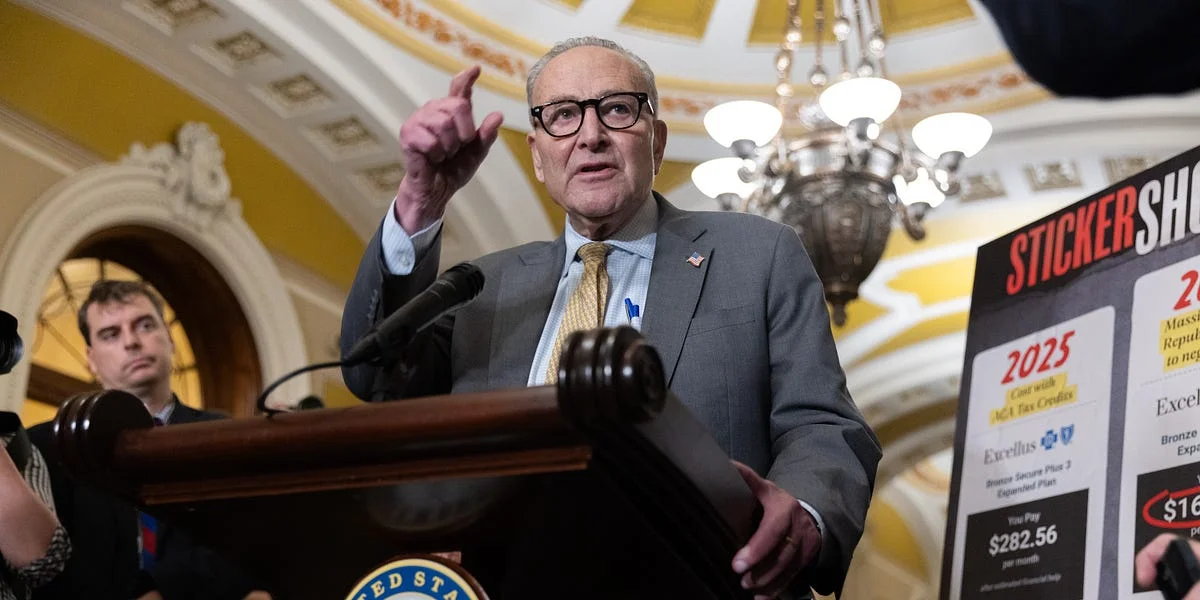
Senate Democrat Chuck Schumer proposed a deal to reopen the U.S. government by passing a short-term funding resolution and extending existing ACA health insurance tax credits for one year, while establishing a bipartisan committee to negotiate long-term healthcare reforms, though the proposal faces Republican rejection and internal Democratic disagreements.
A House Republican, Kiggans, is pushing a one-year extension of Obamacare subsidies with Democratic support, risking GOP backlash due to lack of reforms, aiming to spark a broader discussion on long-term solutions amid internal party disagreements.
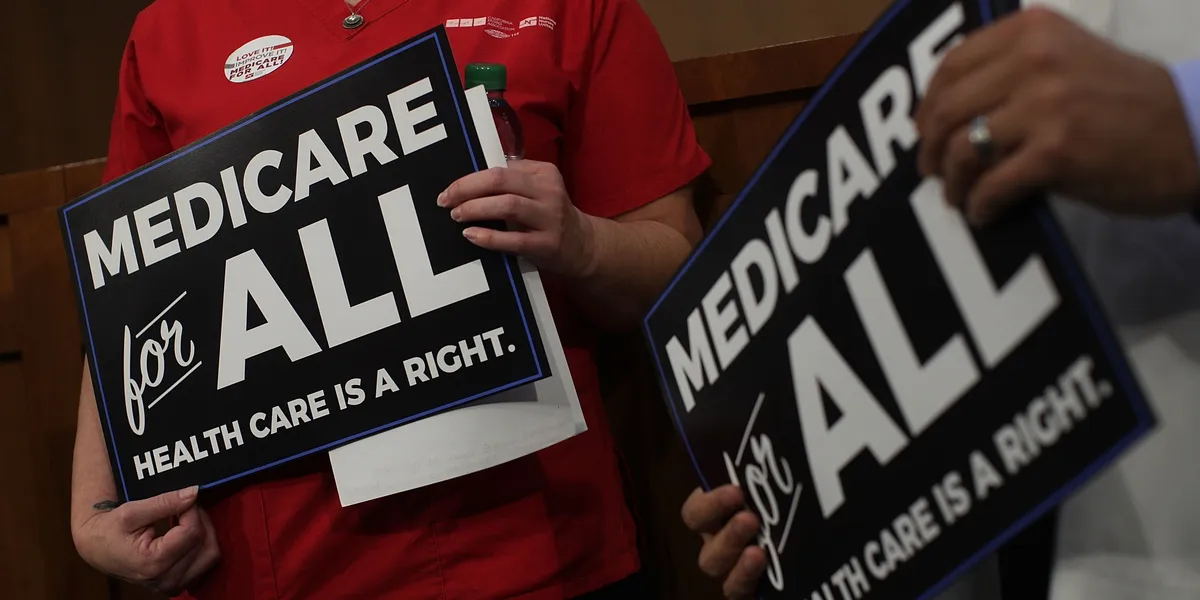
With health insurance premiums expected to rise significantly, advocates remind Americans that Medicare for All could save $650 billion annually and provide universal coverage, criticizing current private insurance for profit and inefficiency.
The rollout of GLP-1 medications for weight loss in the U.S. has been chaotic due to systemic issues like high costs, supply chain problems, regulatory loopholes, and lack of comprehensive policy, highlighting the need for a national strategy to fully harness their potential and address obesity effectively.
Prime Minister Keir Starmer unveiled a 10-year plan for NHS England focusing on digitalization, community care, and prevention, amid mixed reactions and political debates, while Rachel Reeves faced personal challenges during the day.
Health insurance plans in the U.S. have committed to simplifying and streamlining the prior authorization process to improve patient access, reduce administrative burdens, and enhance transparency, with specific actions including standardizing electronic submissions, reducing scope, ensuring continuity of care, and expanding real-time responses, aiming for significant improvements by 2026-2027.
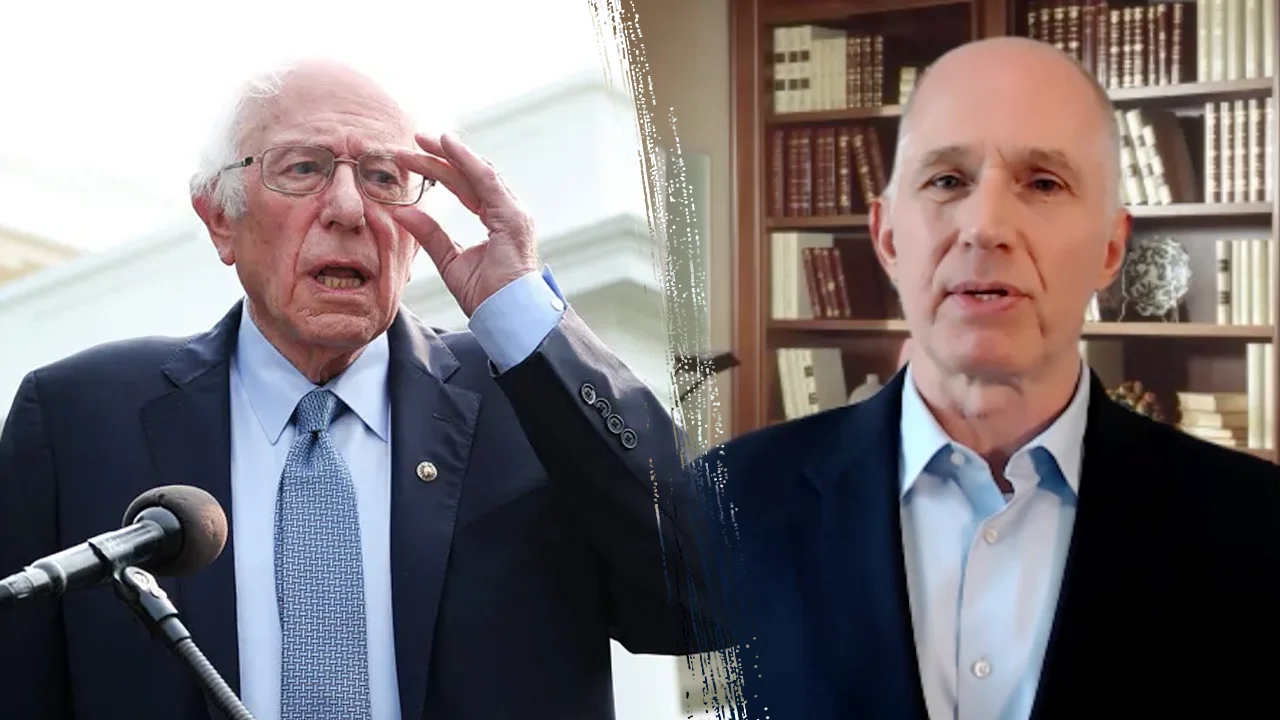
An expert refutes Democrats' claims that President Trump's proposed bill will cut benefits for the poor, arguing it targets illegal immigrants and fraudsters, and promotes work requirements to reduce waste and encourage employment, while critics like Bernie Sanders claim it harms working-class Americans by raising costs and reducing coverage.
Congressional Republicans are proposing modifications to the Affordable Care Act that would significantly reduce health insurance coverage for millions by tightening eligibility and enrollment rules, primarily targeting Medicaid and marketplaces, in a move seen as a 'backdoor' repeal that aims to cut costs and curb waste, but risks increasing the number of uninsured Americans.
The Republican budget bill aims to significantly roll back ACA coverage by introducing barriers to enrollment, ending automatic reenrollment, and restricting subsidies, potentially causing millions to lose coverage and increasing premiums, amidst concerns over fraud and policy impacts.