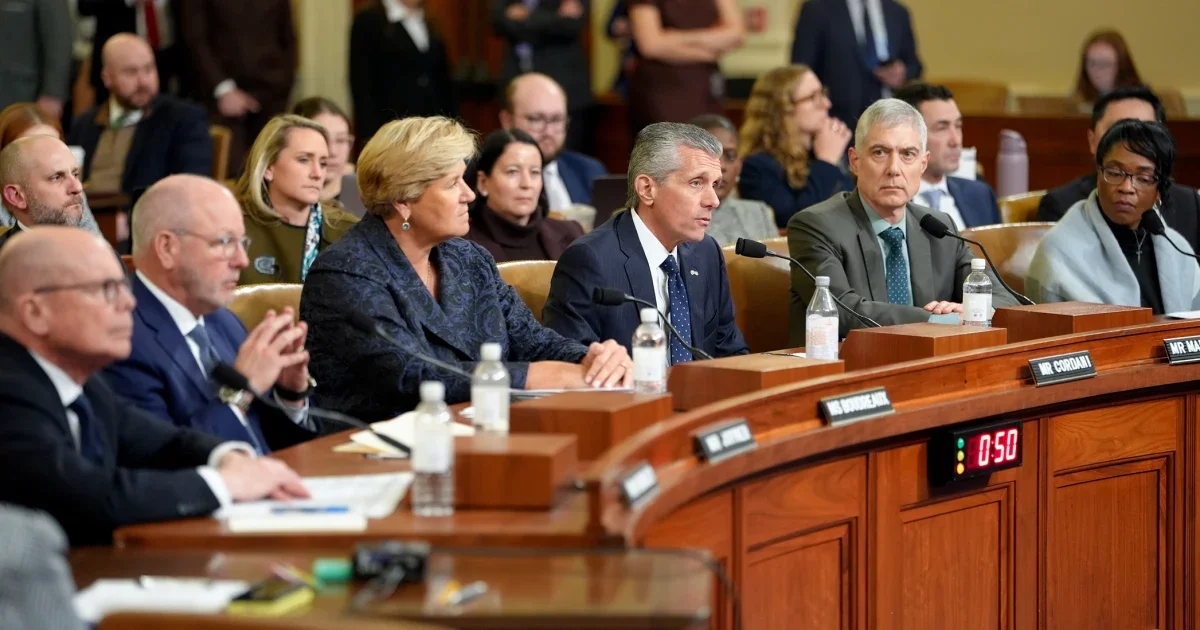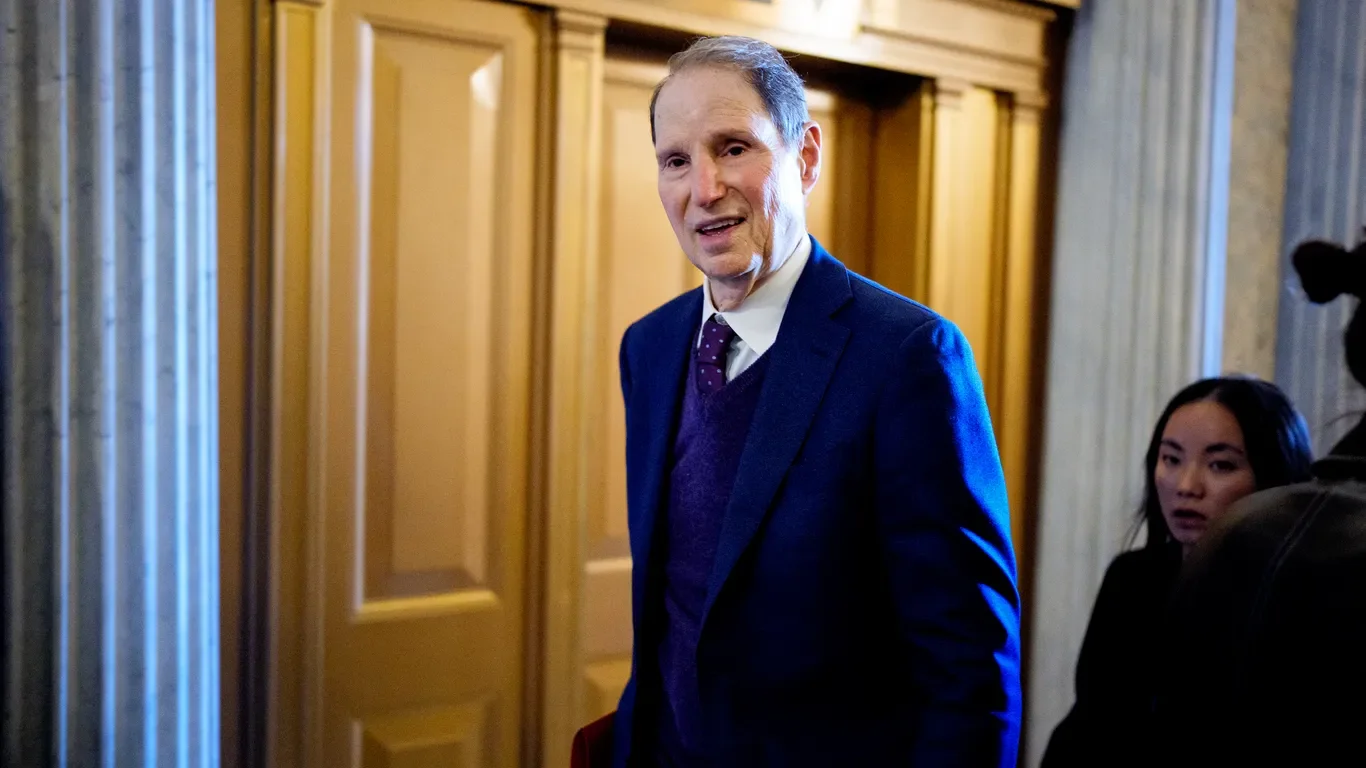
The U.S. House is preparing to vote on a three-year extension of Obamacare subsidies, with bipartisan support expected, despite opposition from some Senate Republicans and a Republican health care bill that does not address the subsidies, risking their lapse at year's end.
As California prepares for federal Medicaid funding cuts and policy shifts, a new commission led by former health officials is developing a 10-year plan to sustain and improve Medi-Cal, which covers over 14 million low-income residents, amid concerns about access, costs, and program growth.
President Trump signed an executive order to expedite the rescheduling of marijuana to Schedule III, enhancing research on its medical uses, and to improve access to hemp-derived CBD products, aiming to inform patients and doctors while advancing healthcare policies and affordability.
The Trump administration proposed cutting federal health payments to hospitals that provide transition-related care to youths, sparking legal and political opposition, with critics arguing it threatens access to essential medical services for transgender minors, while supporters claim it addresses concerns about the safety of such treatments.
The Trump administration is set to announce new restrictions that effectively ban gender-affirming care for transgender youth across the U.S., including proposed rules that would cut Medicaid and Medicare funding for such treatments, coinciding with legislative efforts to criminalize and restrict gender-affirming care for minors. These measures could make access to gender-affirming care extremely difficult nationwide, especially in states where it is currently legal.
Republicans are developing a healthcare proposal to redirect Obamacare subsidies directly to individuals for use in health savings accounts, aiming to end the government shutdown, but this approach raises concerns about increased costs for those with pre-existing conditions and potential erosion of the ACA's protections and principles of risk pooling and solidarity.
The President emphasizes the importance of addressing the rising rates of diabetes and obesity, especially among children, during National Diabetes Month, highlighting efforts to improve research, innovation, and access to affordable medication, with a call for Americans to take charge of their health.
Vulnerable House Republicans are divided on extending expiring Obamacare subsidies, with some open to negotiations if Democrats reopen the government first, while others oppose or seek policy changes; their positions could influence upcoming midterm races and healthcare costs.
Republicans are pushing to extend Obamacare subsidies with new measures to crack down on 'phantom' enrollees, sparking a clash with Democrats who oppose barriers to access; meanwhile, the government shutdown continues with debates over federal pay and funding for essential services.
The ongoing government shutdown is stalling the extension of ACA subsidies, which help millions afford health insurance. Democrats want to make these subsidies permanent, while Republicans are hesitant, leading to a standoff that could increase premiums for many Americans. The issue remains unresolved as negotiations continue amid political tensions.
UnitedHealth has attempted to meet with President Trump to discuss healthcare issues, including Medicare and private plan policies, highlighting the company's engagement with the administration to influence healthcare policy and improve patient access and affordability.
During National Ovarian Cancer Awareness Month, the President emphasizes the fight against ovarian cancer, highlights efforts to improve healthcare access and affordability, and commits to eradicating all forms of cancer to build a healthier future for Americans.
President Donald Trump announced actions to lower U.S. prescription drug prices by demanding pharmaceutical companies offer the lowest prices available in other developed nations, aiming to end the practice of American consumers subsidizing foreign healthcare systems and to ensure Americans get the best prices for medications.
President Trump has taken executive action leading numerous health systems across the U.S. to cease providing gender-affirming care and surgeries to minors, fulfilling his campaign promise to end what he described as child sexual mutilation.
CMS has issued a proposed rule for the CY 2026 Medicare Physician Fee Schedule, outlining policy changes including separate conversion factors for qualifying and non-qualifying APM participants, efficiency adjustments to RVUs, updates to telehealth services, and new policies for skin substitutes, digital mental health devices, and drug pricing, aiming to improve healthcare quality, efficiency, and innovation.