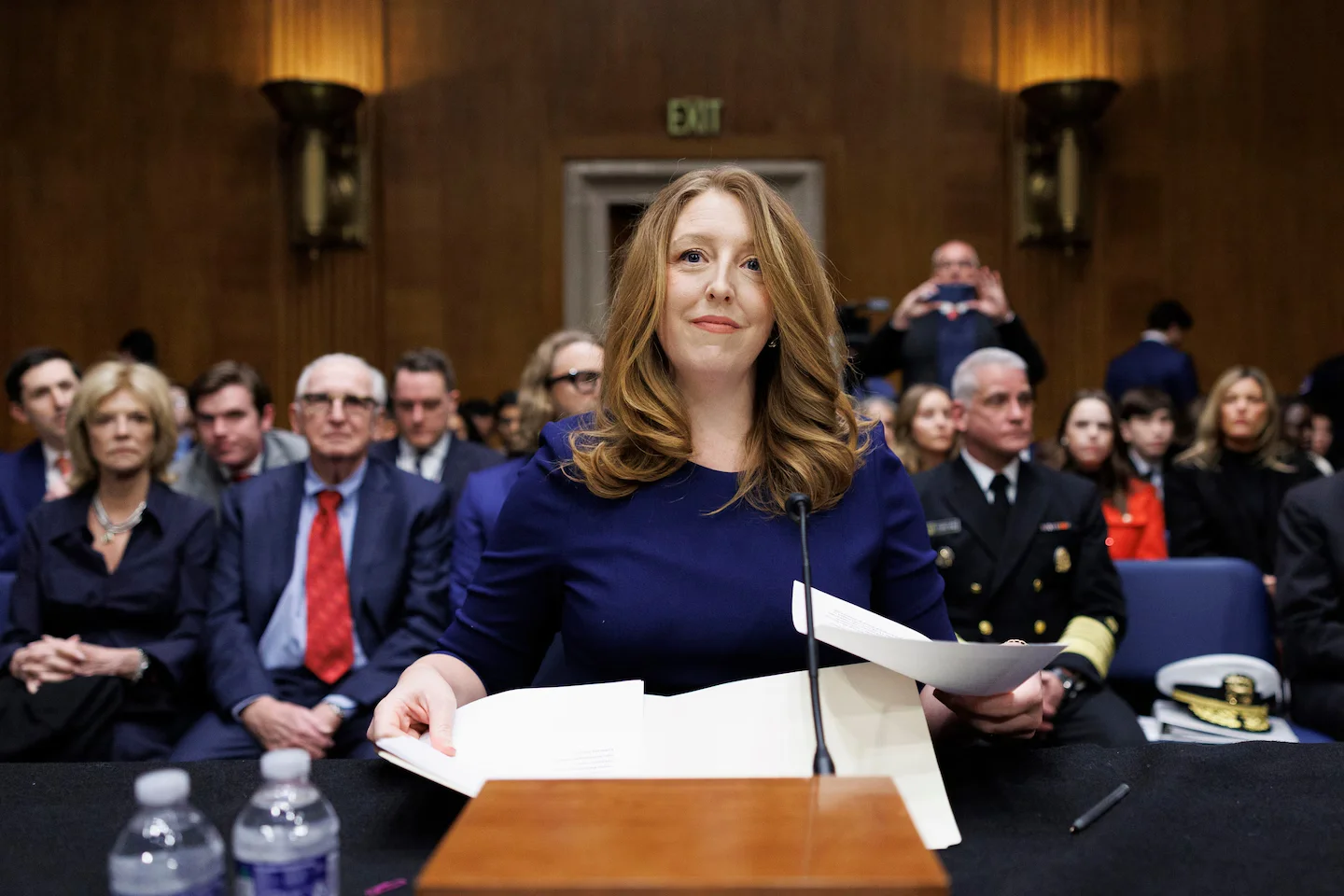
Surgeon general nominee Casey Means faced questions from the Senate Health Committee about her views on vaccines, pesticides, and RFK Jr.’s vaccine stance, while lawmakers scrutinized her past business ties and potential conflicts of interest as they weigh her nomination.
Health care and social assistance accounted for 95% of the 130,000 jobs added in January, continuing a 2025-driven trend of health-care hiring that buoyed the broader labor market, with hospitals, clinics and nursing homes expanding payrolls while other sectors slowed.
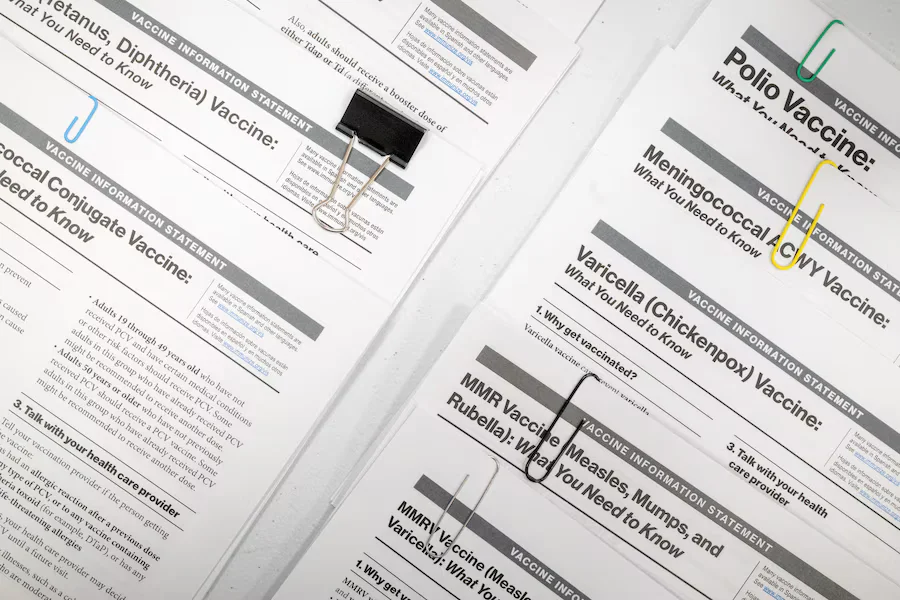
Maryland health officials warn of a rising mumps cluster, with 14 infections this year—primarily adults in the Baltimore area—marking a sharp uptick from last year’s four cases. Providers are urged to identify suspected cases quickly, ensure testing and reporting, and continue vaccination per current guidance, including two MMR doses for those born after 1957. The vaccine also protects against measles, which Maryland hasn’t seen since March amid broader vaccine-safety concerns. Mumps spreads via droplets and can cause fever and swollen salivary glands; serious complications are rare but possible, and there is no specific treatment beyond supportive care.
Washington Post reports that a Hims & Hers Super Bowl ad promotes access to wellness products and a controversial cancer-detection blood test, highlighting concerns that such tests can yield false positives or negatives and underscoring broader debates about wealth-based equity in health care.
FTC settlement ends Express Scripts’ rebate practices that inflated insulin prices, requiring reforms that base patient costs on net price, boost transparency, and shift to a cost-based model at retail pharmacies. The deal could cut patients’ out-of-pocket costs by up to $7 billion over 10 years and bring new revenue to community pharmacies, while reshoring the Ascent GPO to the United States; a 30-day public comment period precedes final order.
A Washington Post poll finds health care costs are Americans’ top pocketbook worry, surpassing food and rent, with rising premiums and out‑of‑pocket costs shaping concerns ahead of the 2026 midterms.
During a House hearing on health-care affordability, lawmakers pressed five health-insurer CEOs about why pay remains high as customers struggle; CVS Health's David Joyner explained his 2024 compensation was about $17 million (roughly $1.1 million base plus long-term incentives) and said he returned a bonus to a relief fund, while Democrats argued stock options and bonuses can incentivize prioritizing shareholders over patients.
Clark County faces a growing shortage of specialists, forcing many residents to seek complex care in Portland. The healthcare workforce isn’t expanding fast enough to meet demand, leading to frustrating referrals and lengthy travel, though some say the care is worth the trek. The Association of American Medical Colleges projects a potential shortfall of up to 5,500 specialists by 2036, prompting calls for better local access and stronger collaboration between primary care providers and specialists to improve timely, coordinated care.
Trump is promoting a $50 billion rural health fund to position Republicans as the health‑care party ahead of the midterms, arguing the money would shore up struggling rural hospitals and patient access despite criticism of his Medicaid cuts.
The House Democratic Women’s Caucus praised the FDA and HHS Secretary Kennedy Jr. for removing the black-box warning on estrogen-based hormone replacement therapy, saying the change reflects science-based regulation. They urged continued research into safety and effectiveness, increased menopause research funding, better labeling and postmarket oversight, in a letter to Kennedy and FDA Commissioner Makary, with signatures from a broad group of Democratic lawmakers.
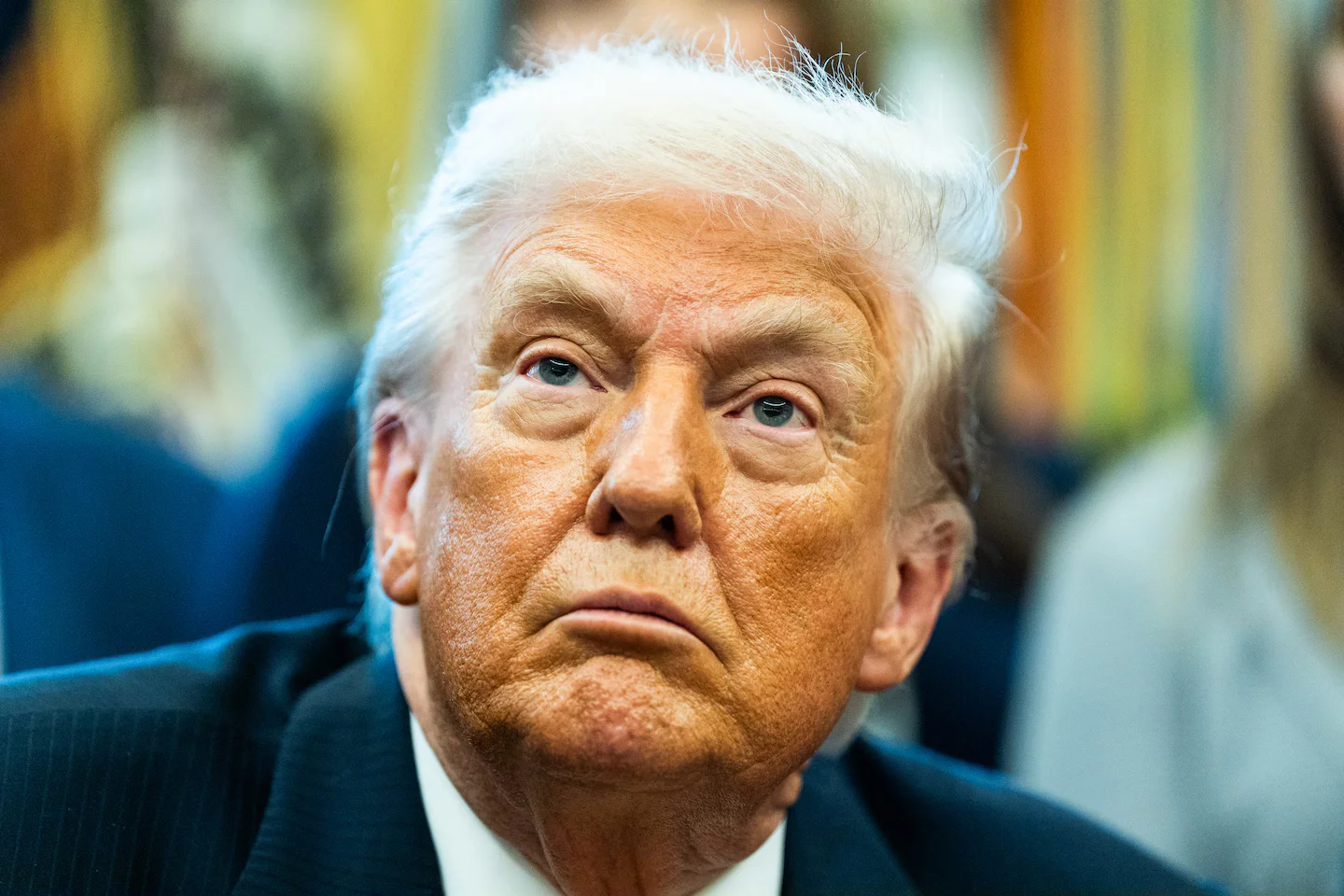
Trump unveiled a comprehensive health-care blueprint aimed at enshrining his executive actions into law, pressuring Congress to codify drug-price deals (including most-favored-nation provisions), expand price transparency for insurers and providers, fund cost-sharing reductions, and launch a consumer-focused discount site, while Republicans remain divided over subsidies and abortion provisions and critics warn the plan may struggle to pass.
President Trump outlined a health care plan for Congress to consider, signaling a renewed push to reshape U.S. health policy and start a legislative discussion on its details and potential impact.
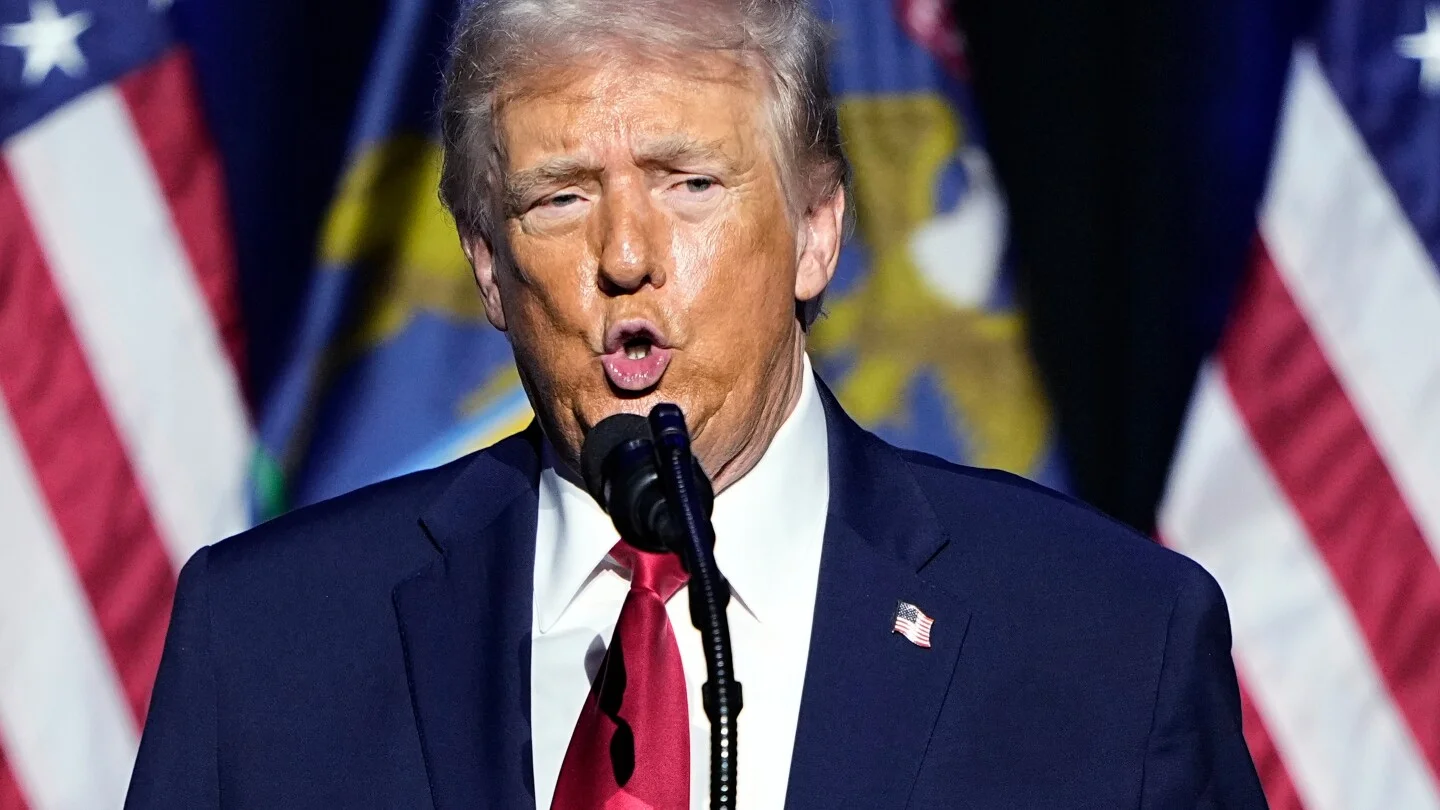
President Trump released a health-care framework called the Great Health Care Plan that would lower prescription drug prices, shift ACA subsidies toward Health Savings Accounts, and require price transparency from insurers, hospitals, and physicians. The proposal also seeks congressional passage of a most-favored-nation drug pricing policy and funding for ACA cost-sharing reductions to reduce premiums, though some elements are likely to draw GOP pushback on Capitol Hill.
Texas opened 2026 with a record 4.11 million Texans selecting ACA plans as of Jan. 3—about 6.5% more than 2025—marking a new state record, though the data are preliminary and may not reflect who will maintain coverage after payments. Open enrollment runs through Jan. 15 amid the expiration of enhanced subsidies and ongoing federal negotiations on a subsidy extension. Experts caution that auto-renewals and income levels will influence the final coverage numbers.
Montana stands to receive about $233.5 million in 2026 from the federal Rural Health Transformation Program, with a potential total of roughly $1.2 billion by 2031 if funding remains level. The state’s plan centers on five initiatives—workforce development, facility sustainability, innovative care models, community health investment, and modern IT—plus a proposed Center of Excellence (costing about $418 million) to assess needs and guide service realignment. Physical infrastructure spending is largely restricted, but funds could cover equipment or IT upgrades; Montana will issue RFPs as projects are defined and submit a revised budget by Jan. 30, with an advisory committee to provide input during the process.