Steny Hoyer, a long-serving Democratic Congressman and former House Majority Leader, announced his retirement after over 40 years in Congress, citing a desire to be true to himself and reflecting on his bipartisan relationships and leadership. His departure marks the end of an era in Democratic leadership, with speculation about his successor.
Republican Congressman Doug LaMalfa of California has died at age 65, reducing the GOP's narrow majority in the House to 218-213. LaMalfa, a staunch Trump supporter and a dedicated representative of rural Northern California, passed away during surgery after a medical emergency. His death prompts a special election to fill his seat, and he was remembered for his deep connection to his district and his principled conservative stance.
Republican U.S. Representative Doug LaMalfa of California has died at age 65, reducing the GOP's control of the House to 218 seats, just above the Democrats' 213, impacting the balance of power.
California Republican Rep. Doug LaMalfa has died at age 65, reducing the House Republican majority to 218 seats and potentially impacting Speaker Mike Johnson's control. LaMalfa, a key figure on water issues and a member of several committees, represented California’s 1st District since 2013. His death comes amid a closely divided House and upcoming special elections. President Trump and House leaders expressed their condolences.
The US House of Representatives experienced a record year of censures, with at least 17 attempts to reprimand lawmakers for various alleged misdeeds, ranging from insulting comments and racial stereotypes to questioning election integrity and inappropriate behavior, reflecting intense partisan conflicts and efforts to discipline members.
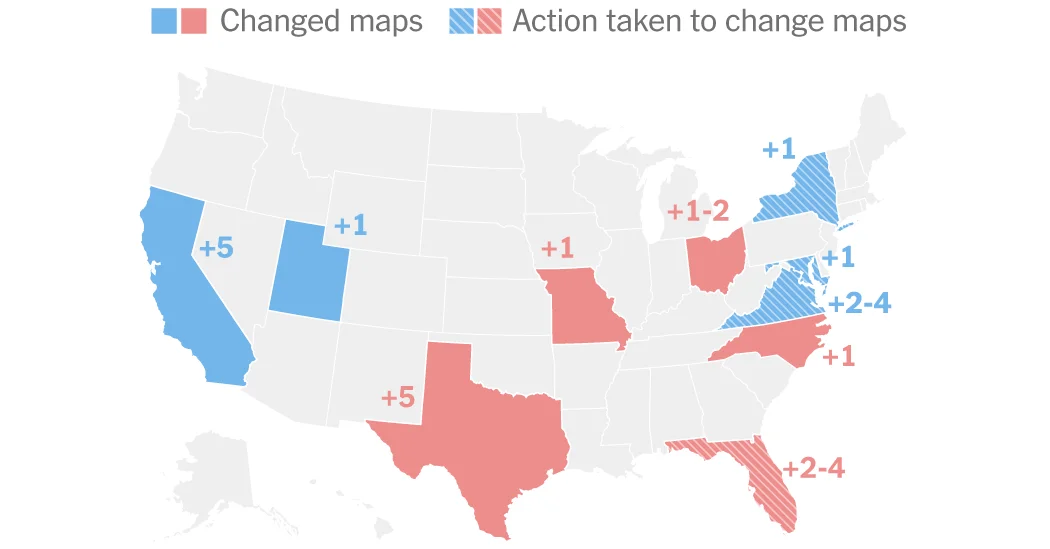
A significant portion of Texas' congressional delegation is retiring or leaving in 2026, which will weaken the state's influence in Congress. Despite efforts to rebuild power through new seats and leadership, the high turnover and internal divisions pose challenges to Texas regaining its former clout in the House.
Rep. Elise Stefanik has suspended her campaign for New York governor and will not seek reelection to Congress, citing family reasons and a strategic decision amid a challenging Republican primary against Bruce Blakeman. She has been a prominent Trump ally and a rising star in the House, but recent internal conflicts and political shifts influenced her decision to step back from the race.
House Speaker Mike Johnson's strategy of limiting floor action and frequent cancellations have led to legislative stagnation and frustration among Republicans, despite some legislative successes, with many members feeling the chamber has been ineffective and sidelined.
Rep. Randy Fine (R-Fla.) is considering a vote to expel Rep. Ilhan Omar (D-Minn.) over unproven allegations and controversial remarks, but such an effort would require a two-thirds majority in the House and is unlikely to succeed. The move highlights ongoing partisan tensions and debates over the use of expulsion and censure in Congress.
The U.S. House passed a Republican healthcare bill that does not renew the expanded ACA subsidies, which are set to expire at year's end, potentially leading to higher insurance costs for millions and a decrease in insured individuals, amidst political disagreements and upcoming legislative challenges.
House Republicans are advancing sweeping anti-trans bills, including measures that could jail doctors for providing gender-affirming care to minors and ban such care altogether, amid concerns about their impact on families and youth mental health, though the bills are unlikely to become law.
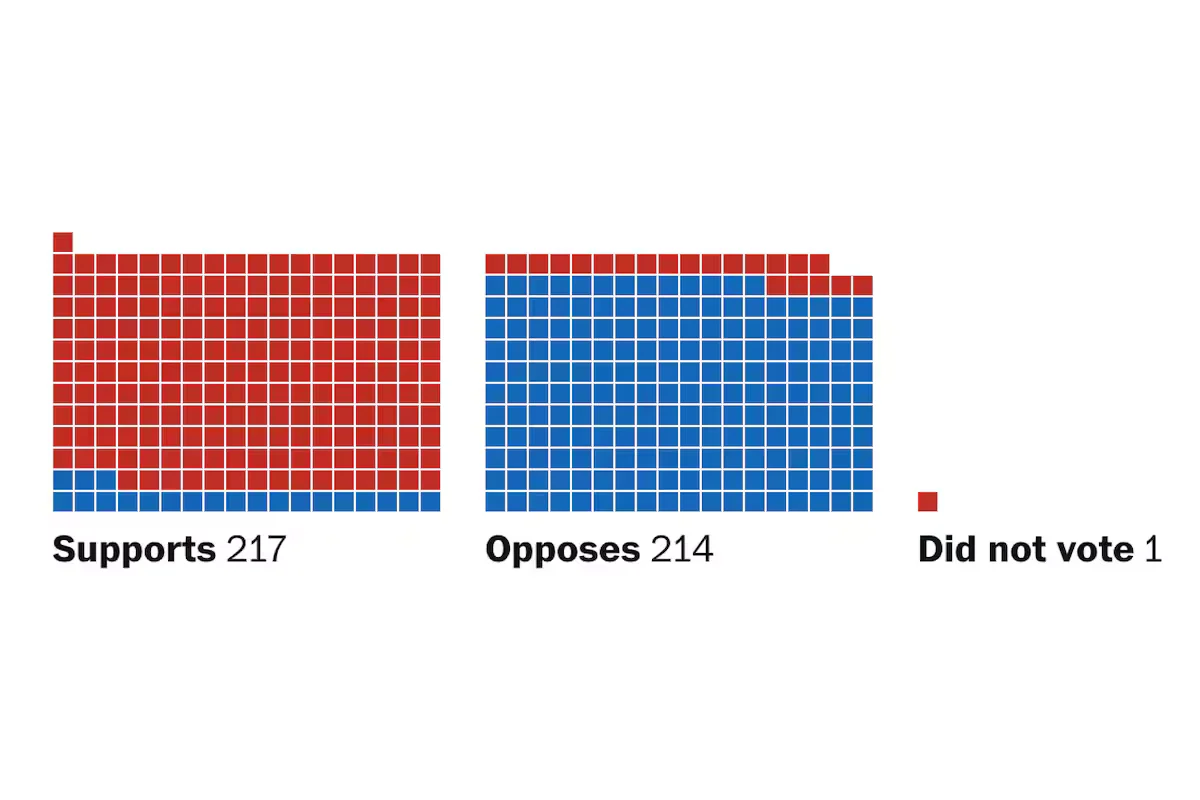
Four Republicans joined Democrats in the US House to push for a vote on extending healthcare subsidies set to expire, risking increased premiums and uninsured Americans if not approved, with the measure facing uncertain prospects in the Senate.
Four moderate Republicans in the House defied GOP leadership by signing a petition to force a vote on extending pandemic-era ACA subsidies for three years, highlighting intra-party divisions and setting the stage for renewed health care debates in January, with potential implications for upcoming elections and bipartisan negotiations.
Four centrist Republicans defied House Speaker Mike Johnson by signing a petition to force a vote on extending enhanced ACA subsidies for three years, amid disagreements within the Republican Party over health care policy and the handling of pandemic-era support measures.
A group of House GOP centrists, led by Reps. Fitzpatrick and Lawler, defied Speaker Mike Johnson by supporting a Democratic bill to extend Obamacare subsidies, threatening to force a vote and potentially cause the subsidies to lapse, amidst internal party conflicts and a tight legislative schedule.