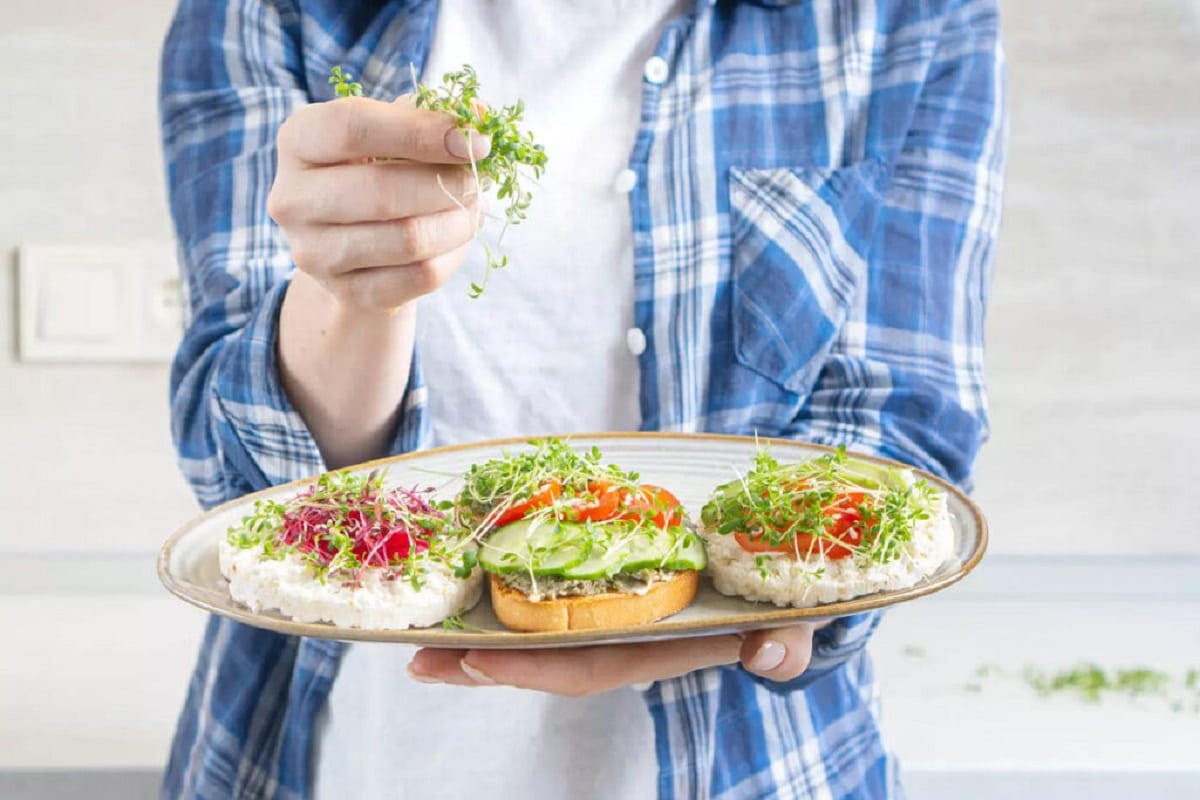
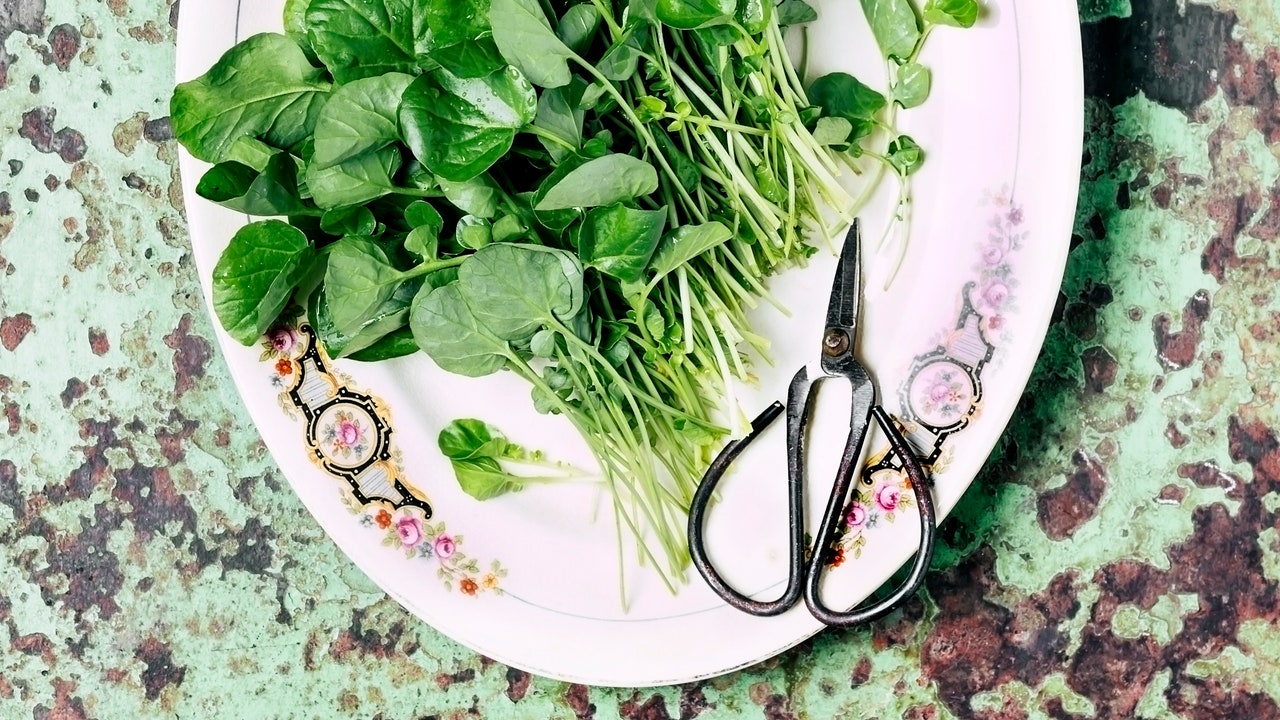
Watercress has been identified as the world's healthiest food due to its high nutrient content, including vitamins C, E, K, calcium, and antioxidants, making it a simple, affordable, and versatile addition to a healthy diet.
The article advocates for reviving nine traditional homemade snack habits in 2025, emphasizing their health benefits backed by recent research, such as reducing processed calories, taming cravings, and encouraging mindful eating, with practical tips for making snacks like popcorn, nut butters, roasted chickpeas, veggie sticks, yogurt parfaits, frozen banana 'nice-cream,' trail mix, whole-grain toast, and fruit leather at home.
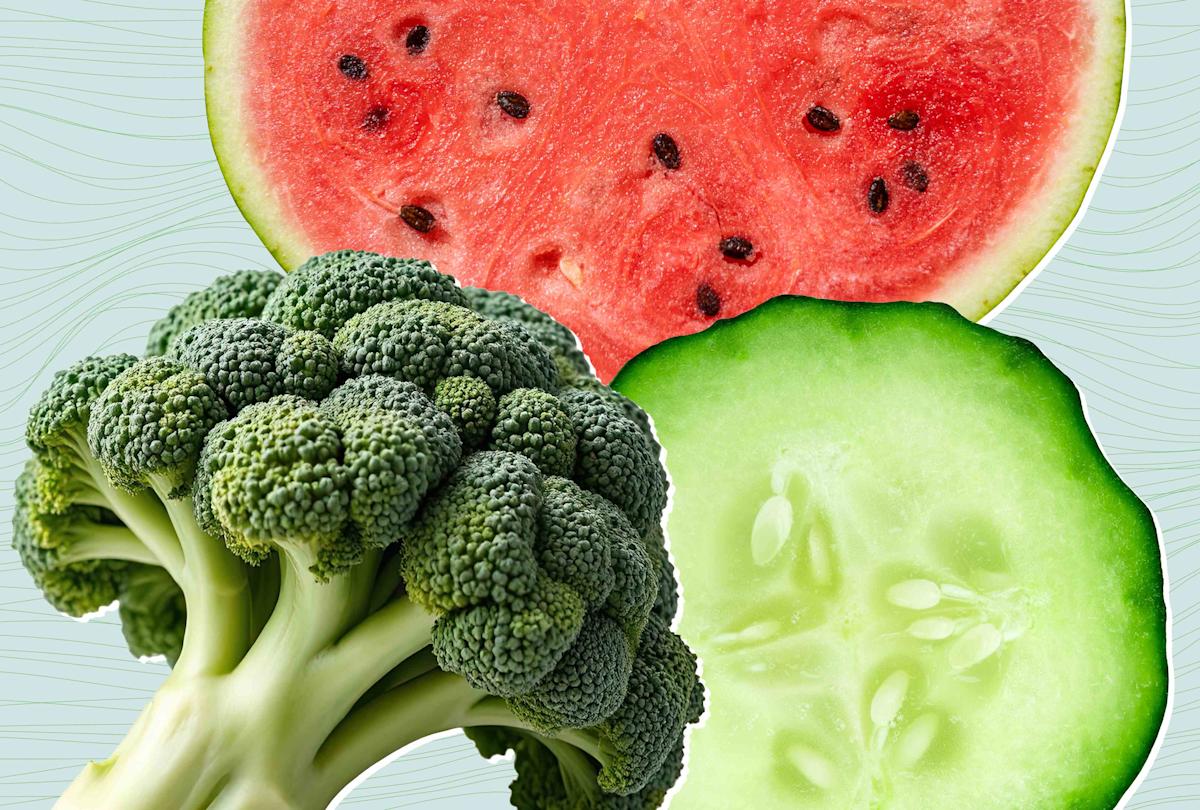
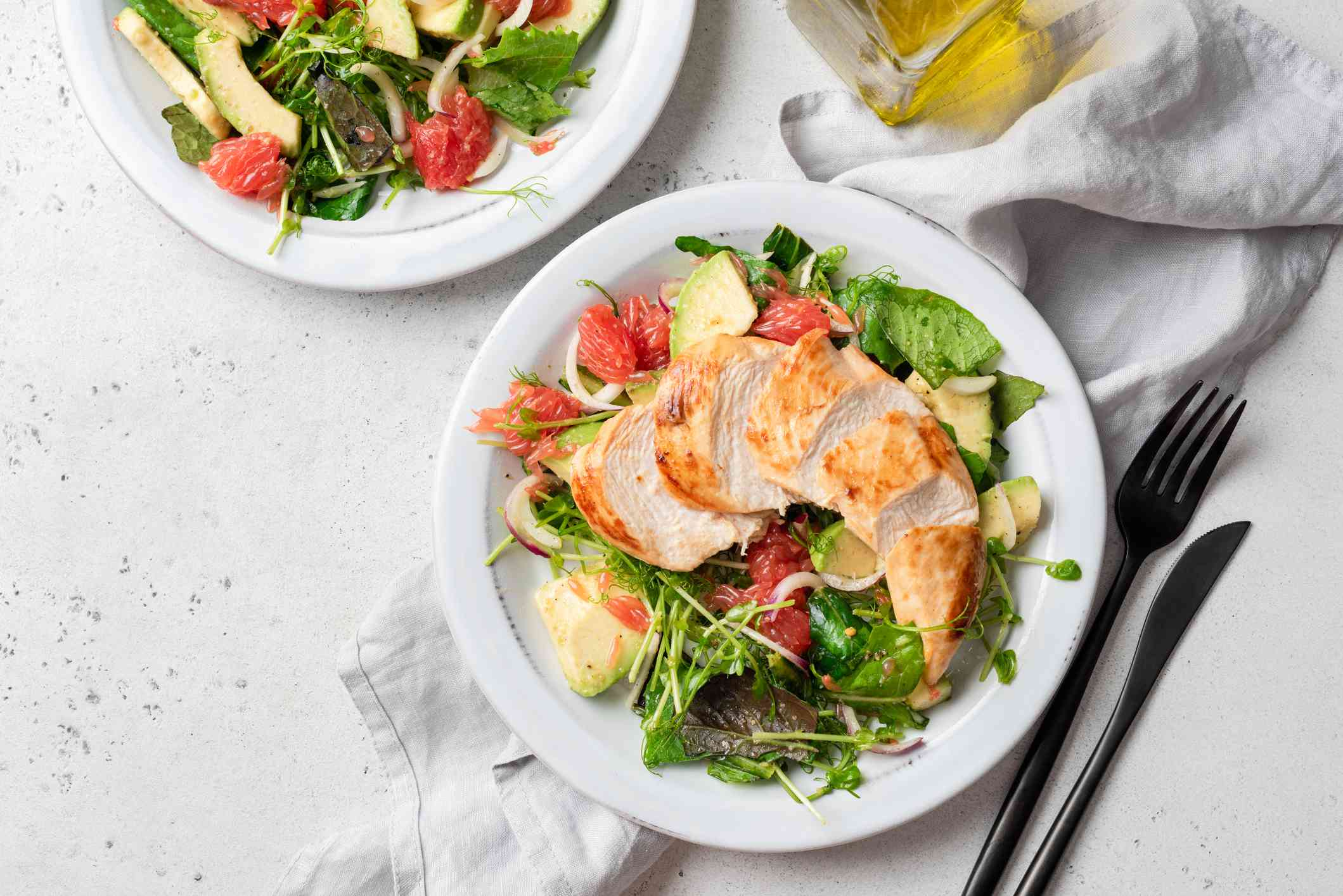
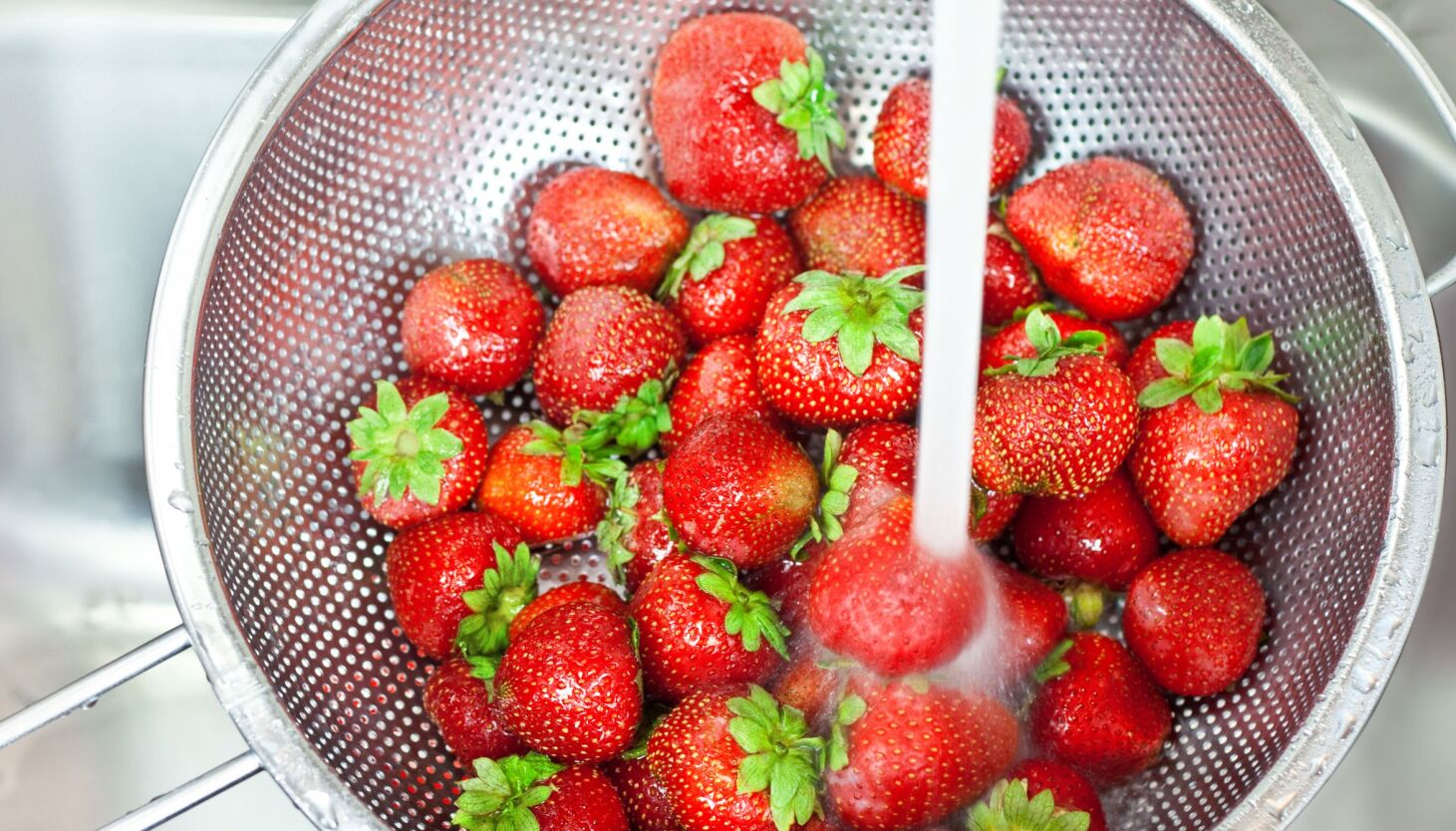
The article highlights seven high-volume, low-calorie foods such as cucumbers, strawberries, air-popped popcorn, mushrooms, grapefruit, leafy greens, and broccoli that can help with weight loss by allowing larger portions without exceeding calorie goals, emphasizing the importance of balancing these foods with proteins for a nutritious diet.
Vegetables are essential for a balanced diet, and some are more nutrient-dense than others. Spinach, carrots, sweet potatoes, broccoli, and kale are among the most nutrient-rich options, each offering unique health benefits. From managing blood sugar and cholesterol levels to reducing the risk of chronic diseases, incorporating a variety of colorful, versatile vegetables into your daily meals can help you obtain essential nutrients and promote overall well-being.
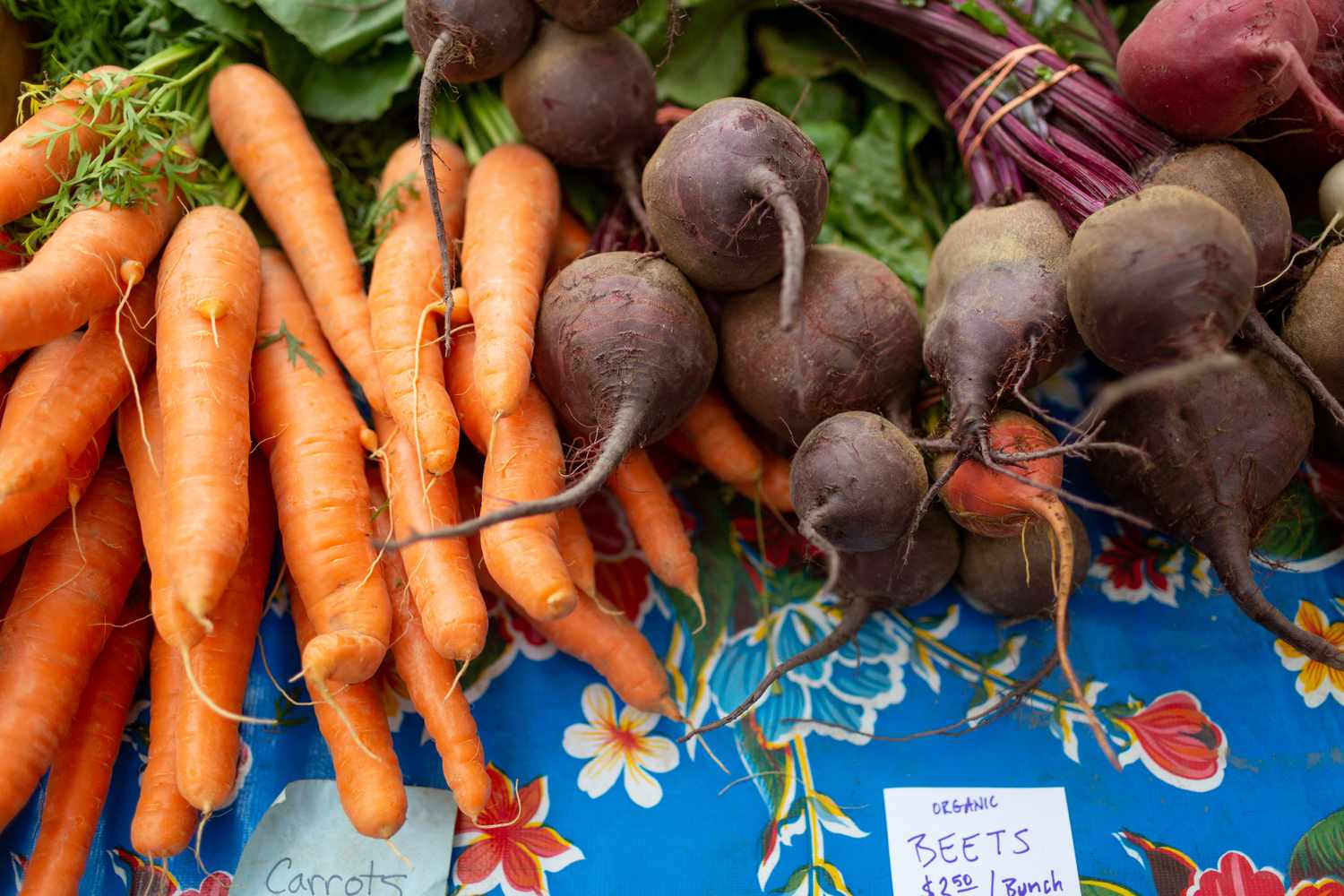
This article highlights the health benefits of 20 of the most nutrient-dense vegetables, including spinach, carrots, sweet potatoes, broccoli, kale, green peas, tomatoes, Brussels sprouts, bell peppers, onions, garlic, Swiss chard, beets, asparagus, alfalfa sprouts, collard greens, cauliflower, red cabbage, seaweed, and fermented vegetables. Each vegetable offers a unique blend of vitamins, minerals, and antioxidants that can help lower the risk of chronic diseases, support weight management, and promote overall health. Variety in color, texture, and flavor is key to maximizing the health benefits of vegetables in a balanced diet.
Low-carb, high-protein diets have been linked to various health benefits. There are many protein-rich, low-carb foods to choose from, including eggs, canned salmon, cheddar cheese, whey protein, cottage cheese, turkey sticks, canned tuna, collagen peptides, tofu, hemp seeds, pumpkin seeds, chicken breast, peanuts, kefir, shrimp, Greek yogurt, edamame, ground turkey, organ meats, peanut butter, ricotta cheese, tempeh, plant-based protein powders, bone broth, and Parmesan cheese. Nutrition needs vary, so it's important to work with a healthcare provider to determine the right protein and carb intake for your specific needs.
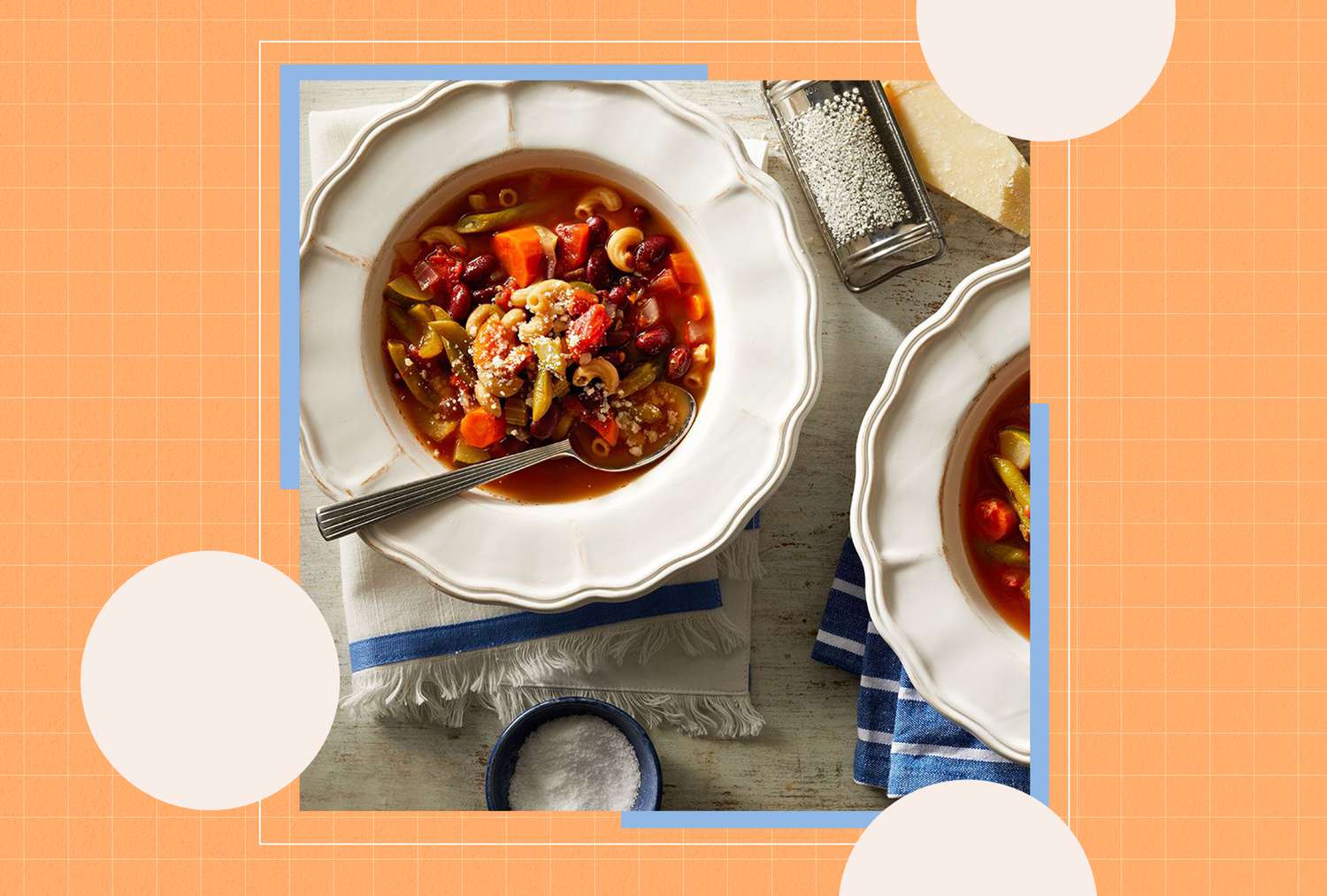
Longevity expert Dan Buettner swears by starting his day with a savory breakfast, particularly a bowl of homemade minestrone soup. Minestrone soup is packed with fiber, nutrient-dense ingredients, and is a budget-friendly option that can help reduce food waste. It provides a variety of vegetables, plant protein, whole grains, and can be customized based on personal preferences. Buettner recommends batch cooking to save time and adding some healthy fats for richness and satiety. Using vegetable broth instead of water adds flavor and contributes to hydration. Incorporating healthy habits like eating lots of vegetables and fruits, staying active, and cooking more at home can potentially add an extra 10 years to one's life.
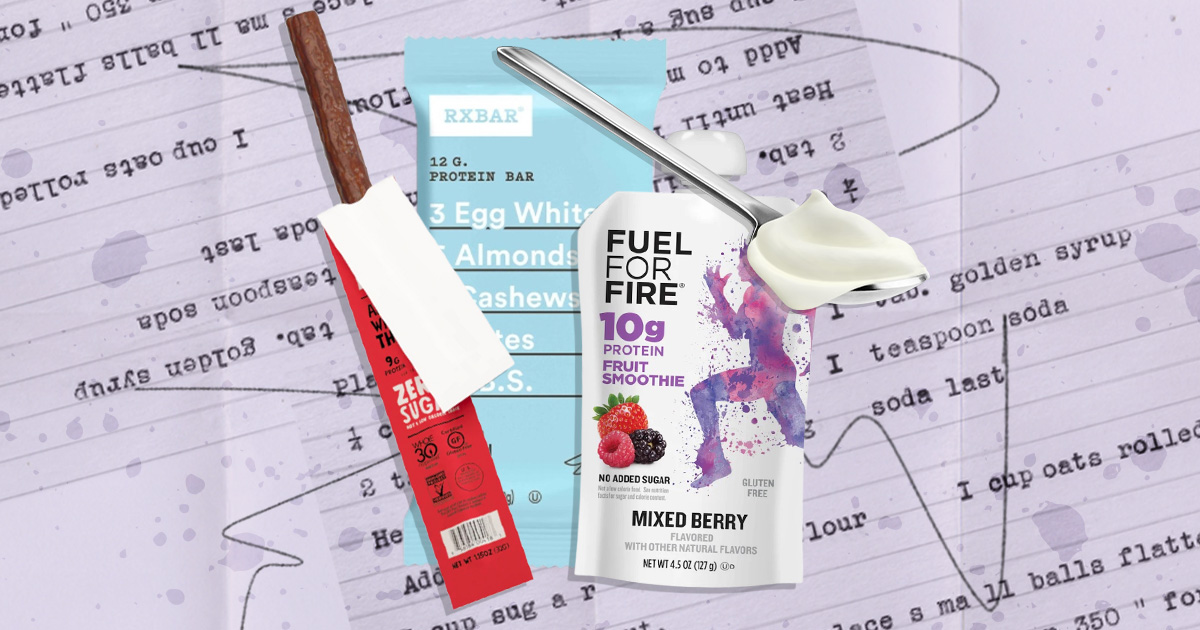
A registered dietitian recommends 10 high-protein snacks to increase protein intake, including cottage cheese, tuna packets, salmon lettuce wraps, Greek yogurt, nuts and cheese, Koia protein shakes, Chomps jerky, Fuel For Fire fruit and protein smoothie pouches, RX bars, and edamame. These snacks range from 8 to 18 grams of protein per serving and provide a convenient and nutritious way to boost protein levels throughout the day.
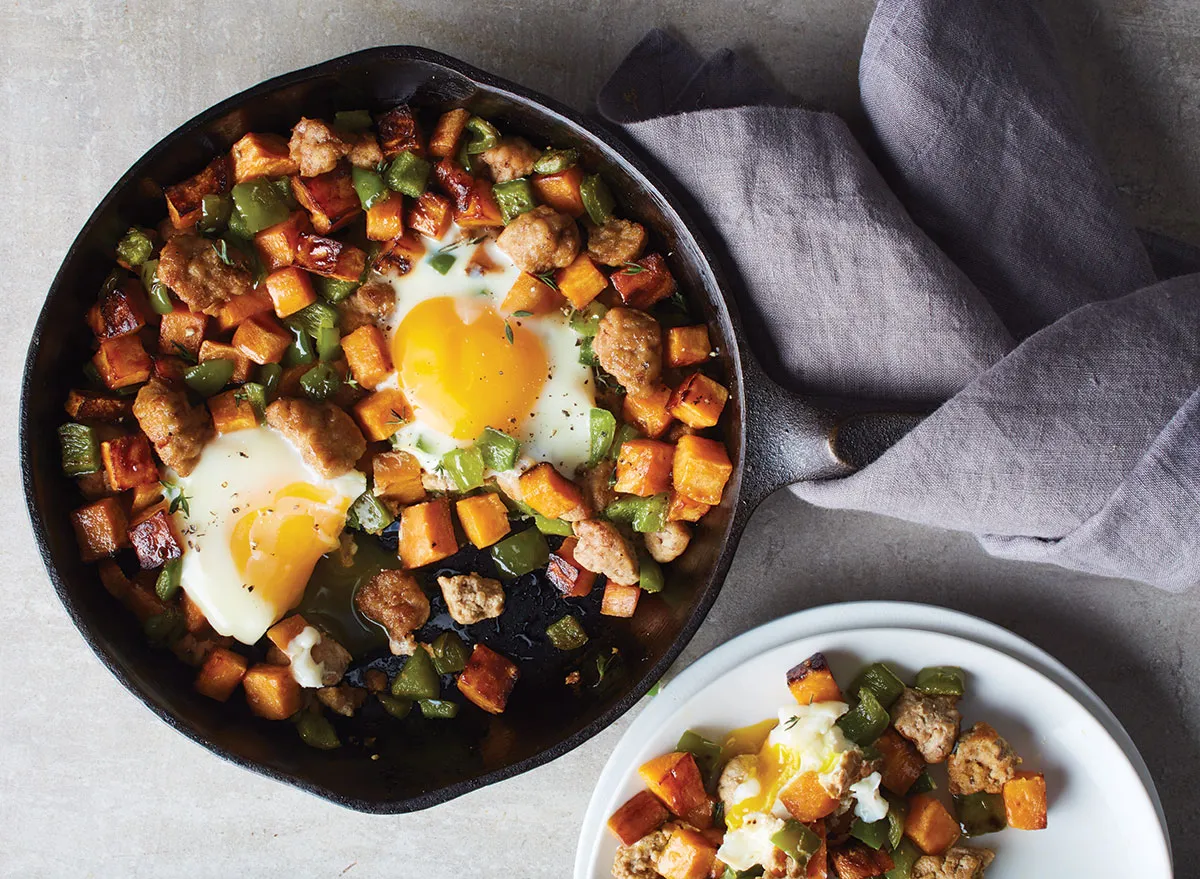
Eating a healthy breakfast is crucial for weight loss, as it can provide essential nutrients, boost metabolism, and prevent mindless snacking. To support weight loss goals, breakfasts should be high in protein, fiber, and healthy fats. Here are 20 nutrient-dense breakfast recipes that incorporate these elements, including options like breakfast hash, healthy breakfast pizza, baked eggs with mushrooms and spinach, banana pancakes, artichoke feta quiche, fiber-filled breakfast burrito, sunrise sandwich with turkey and guacamole, low-calorie ham and cheese omelet, eggs in purgatory, scrambled eggs with salmon and asparagus, huevos rancheros, sausage and mushroom frittata, vegetarian black bean omelet, keto frizzled eggs and sausage, turkey-sweet potato breakfast hash, red and green breakfast salad, oatmeal with peanut butter and banana, protein pancakes, peanut butter overnight oats, and a 10-minute Mediterranean tofu scramble.
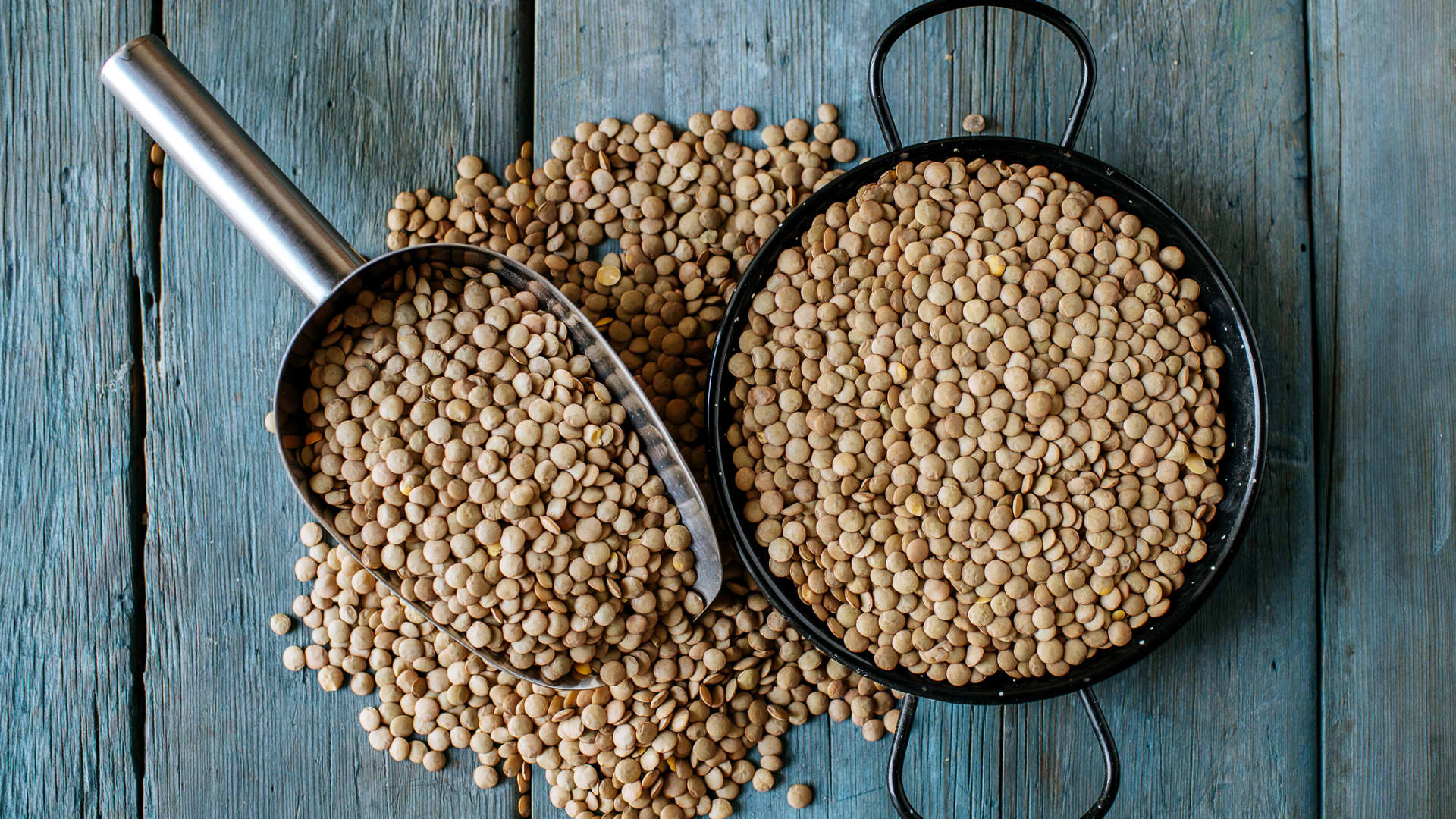
Eating superfoods such as cruciferous vegetables, olive oil, berries, nuts, and beans/legumes can increase longevity and promote a healthy life. These nutrient-dense foods are packed with vitamins, minerals, healthy fats, protein, and antioxidants, which can boost immune function, reduce the risk of diseases like cancer and cardiovascular disease, and slow cognitive decline. Incorporating these superfoods into a balanced diet can lead to a longer and healthier life.
Cutting back on bread can be beneficial for weight loss or weight maintenance, as well as for those with gluten sensitivities or seeking more nutrient-dense options. Here are eight bread substitutes to consider: Ezekiel bread, tortillas (gluten-free options available), almond flour bread, lettuce wraps, bell peppers, portobello mushrooms, egg wraps, and crackers. Additionally, transforming dishes into bowls can provide a creative alternative to bread.
Watercress has been officially named the healthiest food in the world, surpassing other popular superfoods like goji berries and açaí. Researchers found that watercress is packed with essential vitamins, minerals, and antioxidants, making it an excellent immune booster and a natural cough suppressant. It contains more Vitamin C than oranges and lemons and is rich in iron, calcium, potassium, and magnesium. However, consuming excessive amounts of watercress can cause irritation, so it is best enjoyed in moderation as a side dish or topping. The herb can be easily grown at home, even without a garden, as long as the soil is kept moist.
Dietitians prefer the term "nutrient-dense" over "superfoods" as it is more inclusive and doesn't overshadow other healthy alternatives. They suggest legumes, dark leafy greens, and berries as some of the nutrient-dense foods that deserve attention. Berries are lower in naturally-occurring sugar and are high in nutrients like vitamin C and fiber. Frozen fruits like berries are also a good option as they are frozen at their peak freshness and have the same nutrient profile as fresh ones.