Tag

Information Storage

All articles tagged with #information storage

neuroscience1 year ago

"Brain's Storage Capacity Far Greater Than Previously Believed"

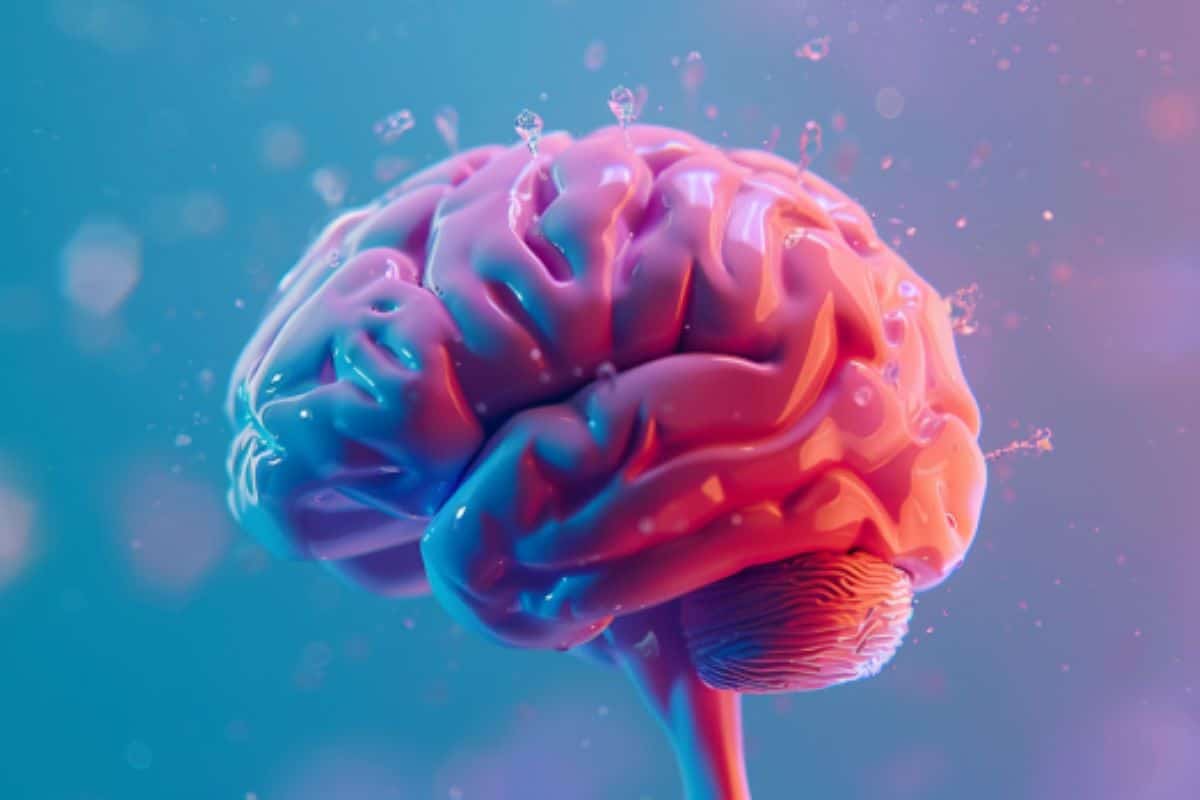
Researchers at the Salk Institute have discovered that synapses in the brain can store 10 times more information than previously thought, using a new method based on information theory. This breakthrough enhances understanding of learning, memory, and brain disorders, potentially advancing research on conditions like Alzheimer's disease.
science-and-technology1 year ago

"Unveiling the Quantum Mechanics and Black Holes Connection in 7 Minutes"

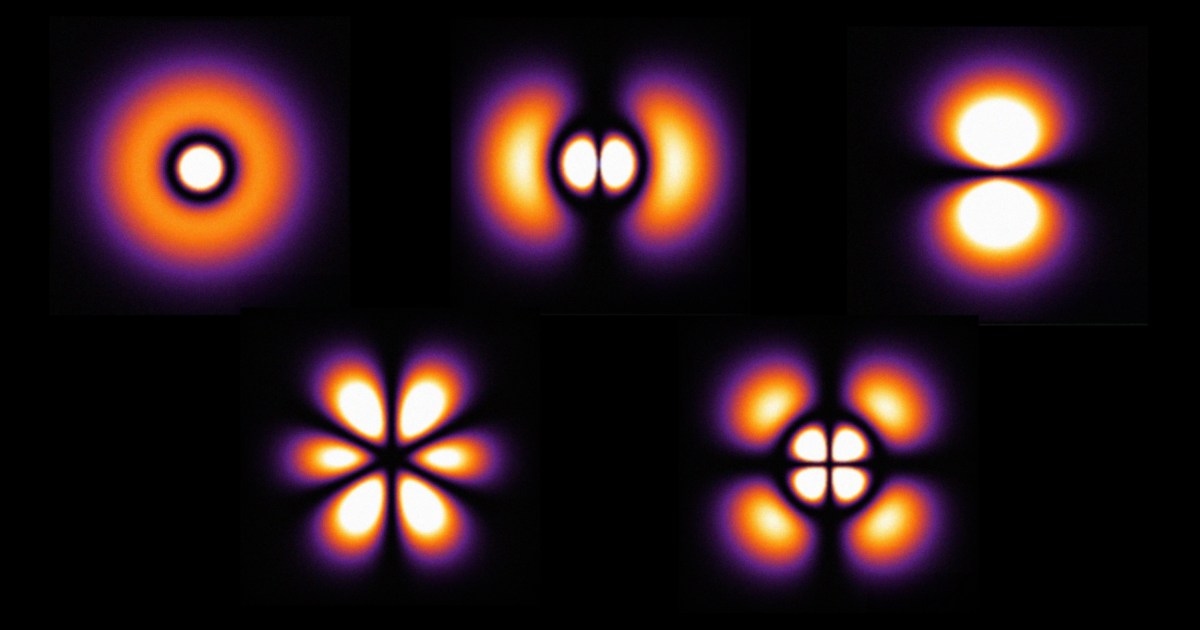
Physicist Brian Cox discusses the challenges of building quantum computers and their unexpected link to black holes, where the information storage in quantum computer memory mirrors the solutions found in nature. The relationship between black holes and quantum mechanics raises questions about information storage, holography, and redundancy, suggesting a deeper theory of reality that challenges our understanding of space and time. This frontier of research holds promise for the future of computing and technological innovation.

science-and-technology1 year ago

"Unprecedented Quantum Preservation: Breakthrough Method Defies All Odds"

Theoretical physicists have discovered a potential method to enhance quantum computer chips' memory capabilities by arranging qubits into specific patterns, allowing the information to remain organized and resistant to disruption. This breakthrough could lead to new ways of storing information in quantum computer chips and may have broader implications for understanding fundamental phenomena in the universe.

science-and-technology2 years ago

Fractons: The Future of Information Storage

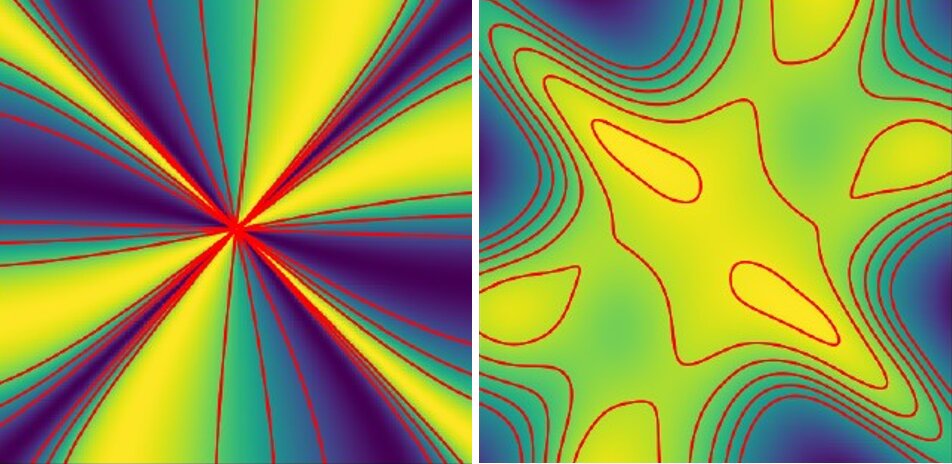
Fractons, fractions of spin excitations, are immobile and could be used for secure information storage. Theoretical physicists have modeled octahedral crystal structures with antiferromagnetically interacting corner atoms to reveal special patterns with characteristic pinch points in the spin correlations, which can be detected experimentally in a real material with neutron experiments. Quantum fluctuations do not enhance the visibility of fractons, but on the contrary, completely blur them, even at absolute zero temperature. The next step is to develop a model in which quantum fluctuations can be regulated up or down to study the extended quantum electrodynamic theory with its fractons in more detail.