Tag

Brain Science

All articles tagged with #brain science

Neuroscience Explains Why NFL Players Miss Goal Line Opportunities
sports4 months ago

Neuroscience Explains Why NFL Players Miss Goal Line Opportunities

The article explains that NFL players dropping the ball before crossing the goal line is due to involuntary neurological responses, specifically a multitasking deficit and bottom-up reactions triggered by stimuli like the sight of the end zone, rather than simple carelessness. Experts highlight that these errors are rooted in the brain's focus narrowing and activation of competing goals, and emphasize the importance of understanding and compassion over blame.

Rethinking ADHD: From Disorder to Diverse Normalcy
health1 year ago

Rethinking ADHD: From Disorder to Diverse Normalcy

The podcast discusses the rising diagnoses of ADHD and challenges the traditional view of it as a brain dysfunction requiring treatment. Instead, some experts suggest ADHD may be part of the neurodiversity spectrum, representing a different way of being normal. The episode explores the scientific basis for this perspective and its potential implications for managing ADHD.

"Insights on Consciousness from Neuroscientist Christof Koch"
science1 year ago

"Insights on Consciousness from Neuroscientist Christof Koch"

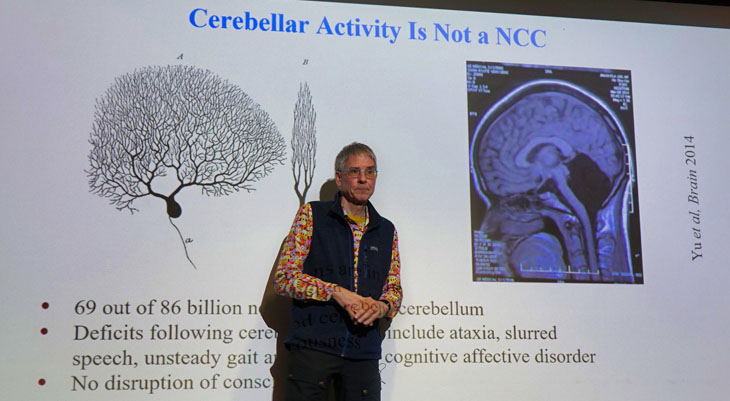
Famed neuroscientist Christof Koch spoke at UC Santa Barbara about consciousness, emphasizing the challenges of studying it and the importance of Integrated Information Theory (IIT). He discussed the neural correlates of consciousness, the hard problem of consciousness, and the limitations of functionalism. Koch also highlighted the potential of psychedelics in understanding consciousness and his interest in their therapeutic value, rapid impact on conscious experience, and potential to reveal truths about existence.

"Tuning Out Distractions: The Brain's Intelligence and Focus"
neuroscience2 years ago

"Tuning Out Distractions: The Brain's Intelligence and Focus"

Researchers at Brown University's Carney Institute for Brain Science have uncovered the brain's ability to separately control the enhancement of relevant information and the filtering out of distractions, akin to coordinating muscles for physical tasks. Using functional magnetic resonance imaging (fMRI), they found that the anterior cingulate cortex and the intraparietal sulcus work together to adjust focus and filter settings, shedding light on human attention flexibility and potential implications for attention-related disorders like ADHD. This breakthrough offers new insights into how the brain manages to focus in noisy environments and provides a deeper understanding of attention mechanisms.

"The Intricate Brain: Understanding Focus and Intelligence"
neuroscience2 years ago

"The Intricate Brain: Understanding Focus and Intelligence"

A new study by researchers at Brown University's Carney Institute for Brain Science provides detailed insights into the brain mechanisms that help people pay attention amid distraction, revealing the intricate process by which the brain coordinates focusing and filtering functions. Lead author Harrison Ritz likened this coordination to the way muscles work together for physical tasks. The findings offer insight into cognitive flexibility and attention-related disorders, such as ADHD, challenging the misconception that lack of focus equates to lack of intelligence. Ongoing research projects are exploring focus-and-filter strategies in patients with treatment-resistant depression and the impact of financial incentives on attention.

"Insights from Peacemakers: Expert Advice for Conflict Resolution"
psychology2 years ago

"Insights from Peacemakers: Expert Advice for Conflict Resolution"

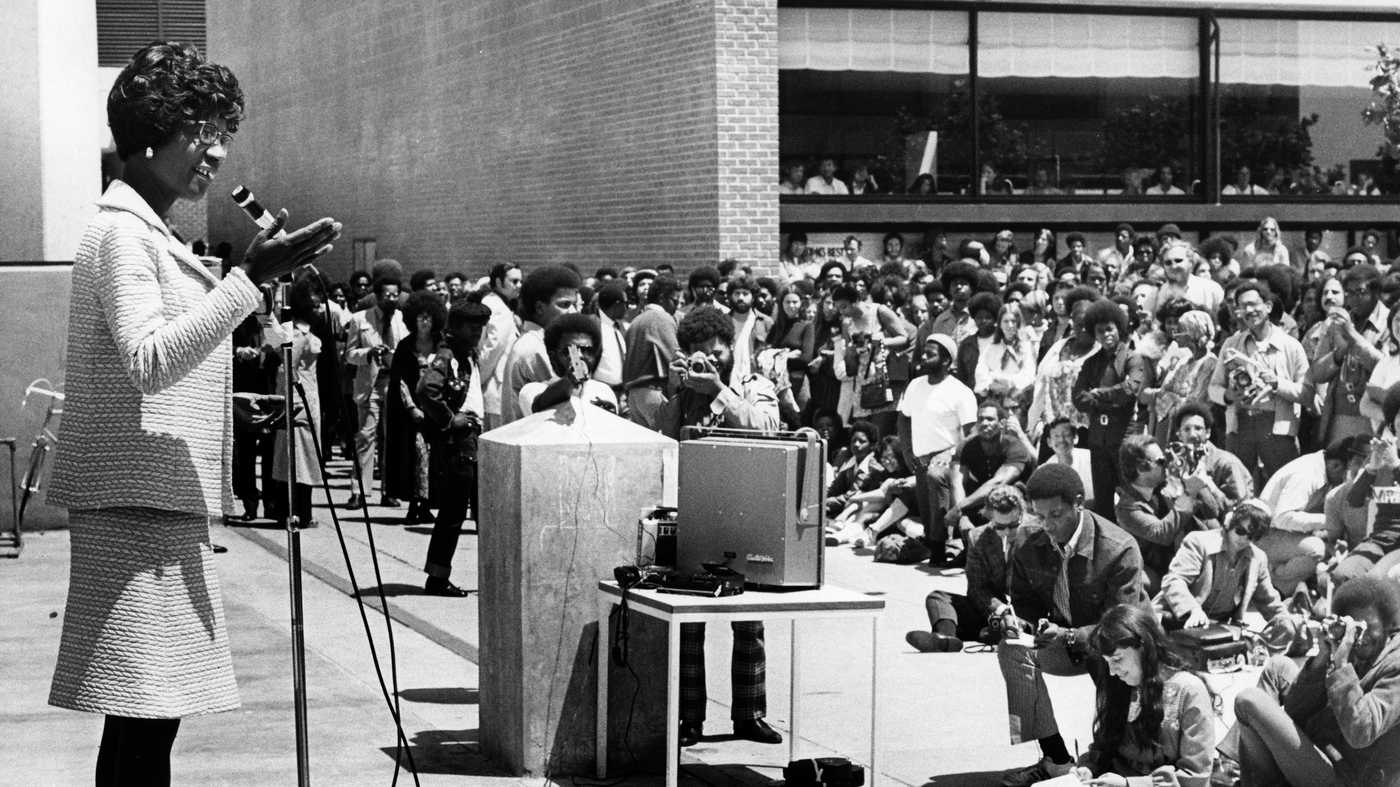
Scientists studying conflict and human behavior emphasize the importance of understanding the biology behind toxic interactions. Humans are wired to form strong bonds with groups that can help them survive, leading to empathy for those within their group and less empathy for adversaries. Conflict dampens the brain's ability to feel love. Lessons from peacemakers like Nelson Mandela and Shirley Chisholm show that diffusing conflicts requires recognizing the humanity of opponents and respecting their sacred values. By emotionally disarming the opposition and neutralizing assumptions of negative intent, adversaries can come together and change history. On a smaller scale, these approaches can also repair damaged friendships. Taking "microbreaks" and reducing stress can help regain perspective and handle conflict better.

Unveiling the Neural Basis of Consciousness: Insights from Brain Scans
neuroscience2 years ago

Unveiling the Neural Basis of Consciousness: Insights from Brain Scans

Neuroscientists from the Hebrew University of Jerusalem and the University of California, Berkeley, have identified the region of the brain where sustained visual images are retained during perception. The study focused on patients with unilateral neglect, a condition where stroke victims lose conscious awareness of half of what their eyes perceive. The researchers found that the visual areas of the brain retain information about the percept at a low level of activity for much longer than previously thought. This sustained pattern of neural activity suggests a neural basis for stable perception over time. The findings could have implications for understanding consciousness and developing treatments for disorders of consciousness.

Israeli Scientists Discover Neural Pathway to Combat Fentanyl Addiction
health2 years ago

Israeli Scientists Discover Neural Pathway to Combat Fentanyl Addiction

Researchers at the Hebrew University of Jerusalem have discovered that the claustrum, a thin sheet of neurons in the brain, plays a role in regulating the urge to consume the highly addictive opioid fentanyl. The study, conducted on mice, found that when the claustrum was activated, the mice immediately lost interest in fentanyl. The discovery could provide a path to treatment for the opioid crisis, which has caused over 100,000 annual drug overdose deaths in the US alone.

Philosopher triumphs over neuroscientist in consciousness debate.
science2 years ago

Philosopher triumphs over neuroscientist in consciousness debate.

A 25-year science wager between neuroscientist Christof Koch and philosopher David Chalmers on discovering the mechanism by which the brain's neurons produce consciousness by 2023 has ended with no clear winner. The bet was settled after a study testing two leading hypotheses about the neural basis of consciousness was unveiled at the annual meeting of the Association for the Scientific Study of Consciousness. The study tested Integrated Information Theory and Global Network Workspace Theory, and the results suggest that both theories need to be revised.

Rethinking Alzheimer's: Is it Really a Brain Disease?
health2 years ago

Rethinking Alzheimer's: Is it Really a Brain Disease?

Researchers at the Krembil Brain Institute in Toronto are developing a new theory of Alzheimer's disease, suggesting that it is primarily a disorder of the immune system within the brain, rather than a brain disease caused by beta-amyloid protein. They believe that beta-amyloid is a normally occurring molecule that is part of the brain's immune system, but it mistakenly attacks the very brain cells it is supposed to be protecting, leading to a chronic, progressive loss of brain cell function and ultimately culminating in dementia. They suggest that targeting other immune-regulating pathways in the brain will lead to new and effective treatment approaches for the disease.