Tag

Extreme Environments

All articles tagged with #extreme environments

science5 months ago

Geologist Drinks Earth's Oldest Water

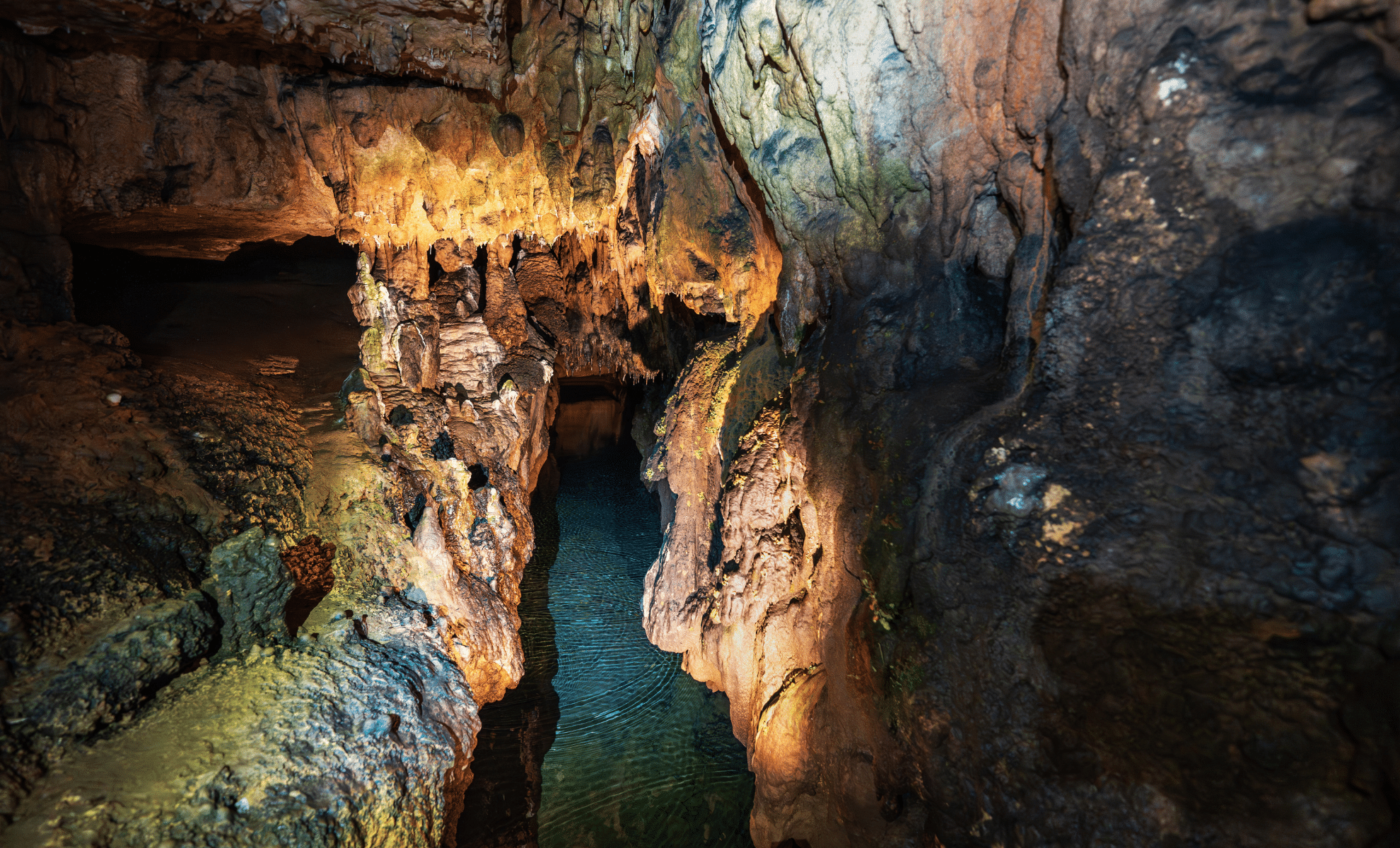
In 2016, geologist Barbara Sherwood Lollar discovered the oldest water on Earth, dating back 1.5 to 2.6 billion years, flowing from a Canadian mine. She found microbial life in the salty, bitter water and even tasted it, confirming its extreme age and unique properties. This discovery offers insights into ancient Earth ecosystems and potential extraterrestrial life.

science7 months ago

Scientists Uncover Ancient Tunnels Hosting Unknown Lifeforms

Scientists discovered tiny, ancient tunnels in desert rocks across Namibia, Saudi Arabia, and Oman, likely created by microorganisms, challenging our understanding of life's resilience and suggesting possible microbial survival in extreme conditions, with implications for Earth's carbon cycle and the search for extraterrestrial life.

science1 year ago

Ancient Microbial Life Unveiled Beneath Antarctica's Ice

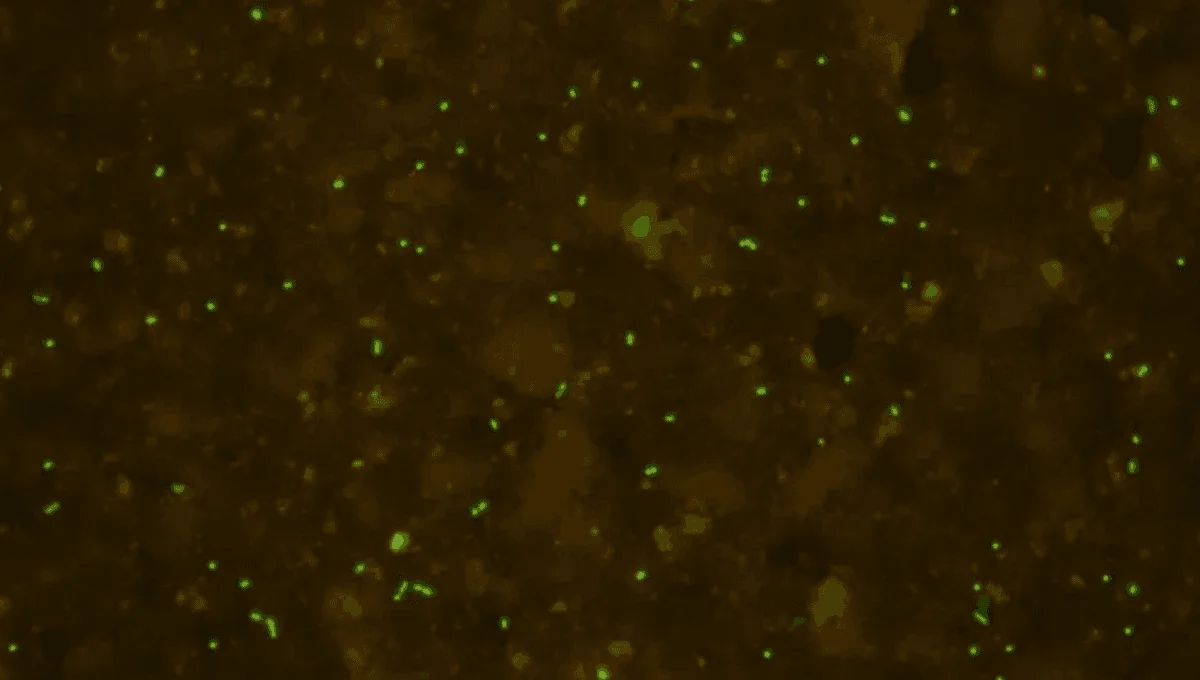
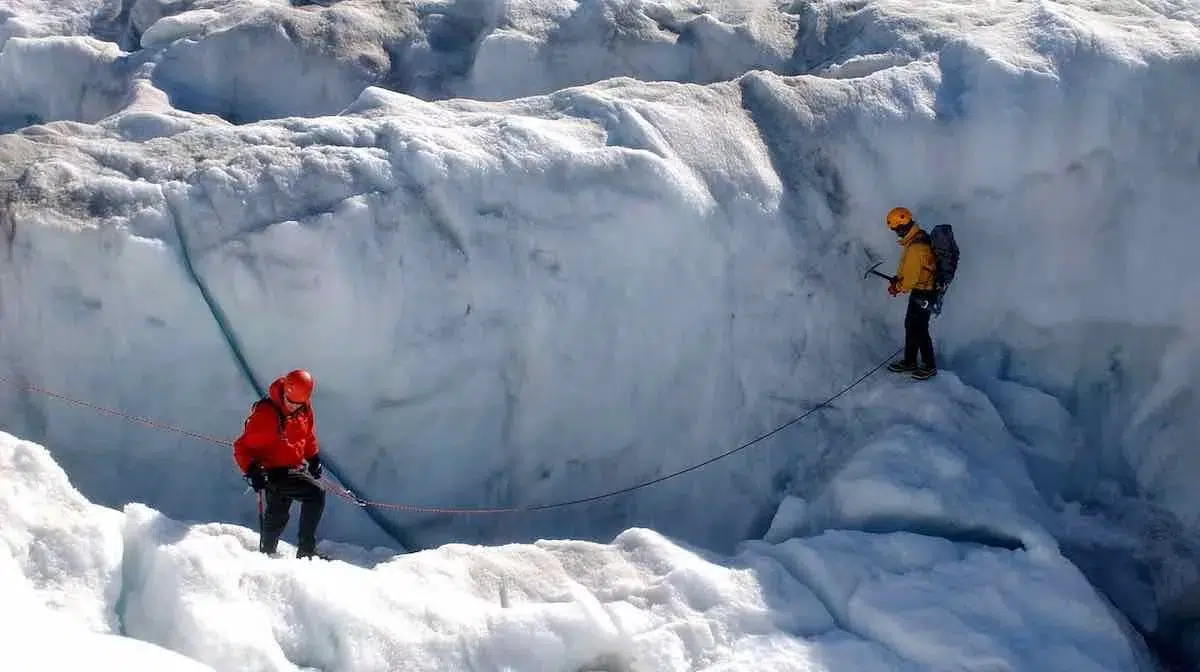
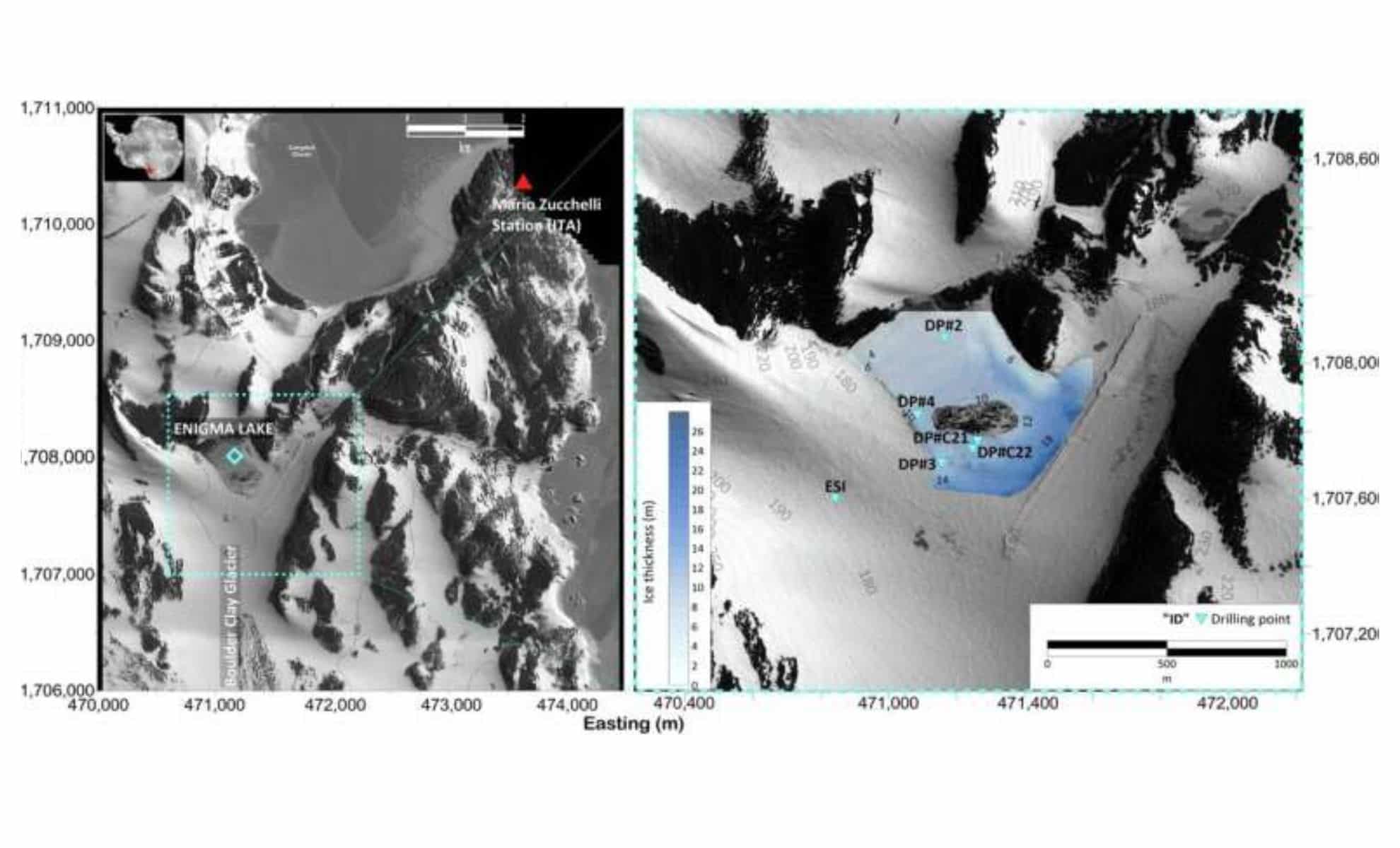
Scientists have discovered thriving microbial communities beneath the ice of Lake Enigma in Antarctica, challenging previous assumptions about life in extreme environments. The study reveals a complex ecosystem of microorganisms, including ultrasmall bacteria from the superphylum Patescibacteria, which survive in isolated, frozen conditions. This finding not only enhances our understanding of life on Earth but also has implications for the search for life on other planets, as similar conditions may exist on Mars and the icy moons of Jupiter and Saturn.

science1 year ago

Unveiling the Hidden Giants: Massive Sea Creatures Beneath the Ocean

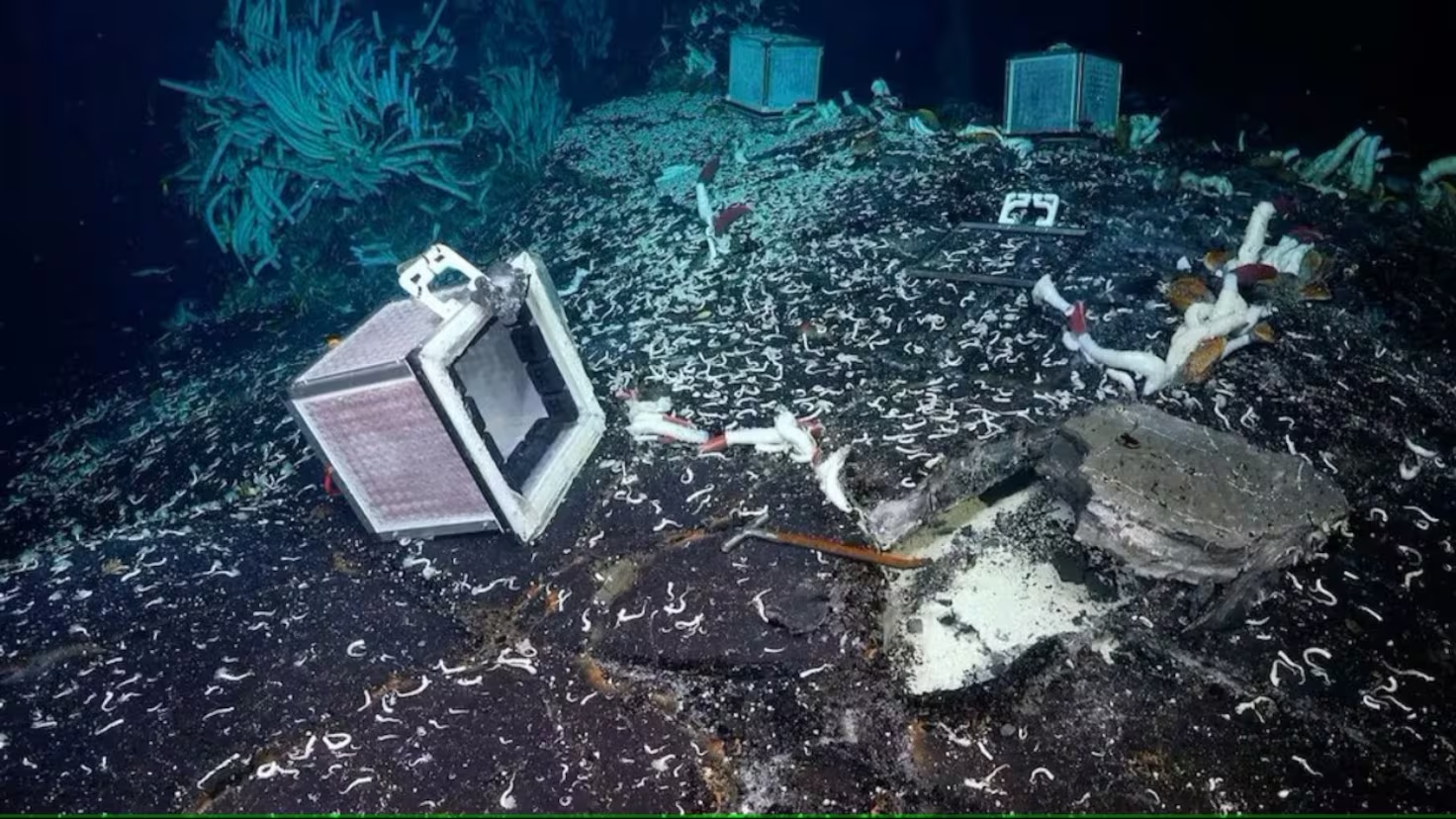
Scientists have discovered giant tubeworms, Riftia pachyptila, thriving in cavities beneath the ocean floor at the East Pacific Rise, challenging previous assumptions about life in extreme environments. This finding suggests potential for similar ecosystems elsewhere in the solar system, such as on Jupiter's moon Europa. The discovery highlights the need for environmental protection against threats like deep-sea mining and underscores the importance of continued ocean exploration.

science1 year ago

Microbial Life Found Thriving in Earth's Harshest Desert

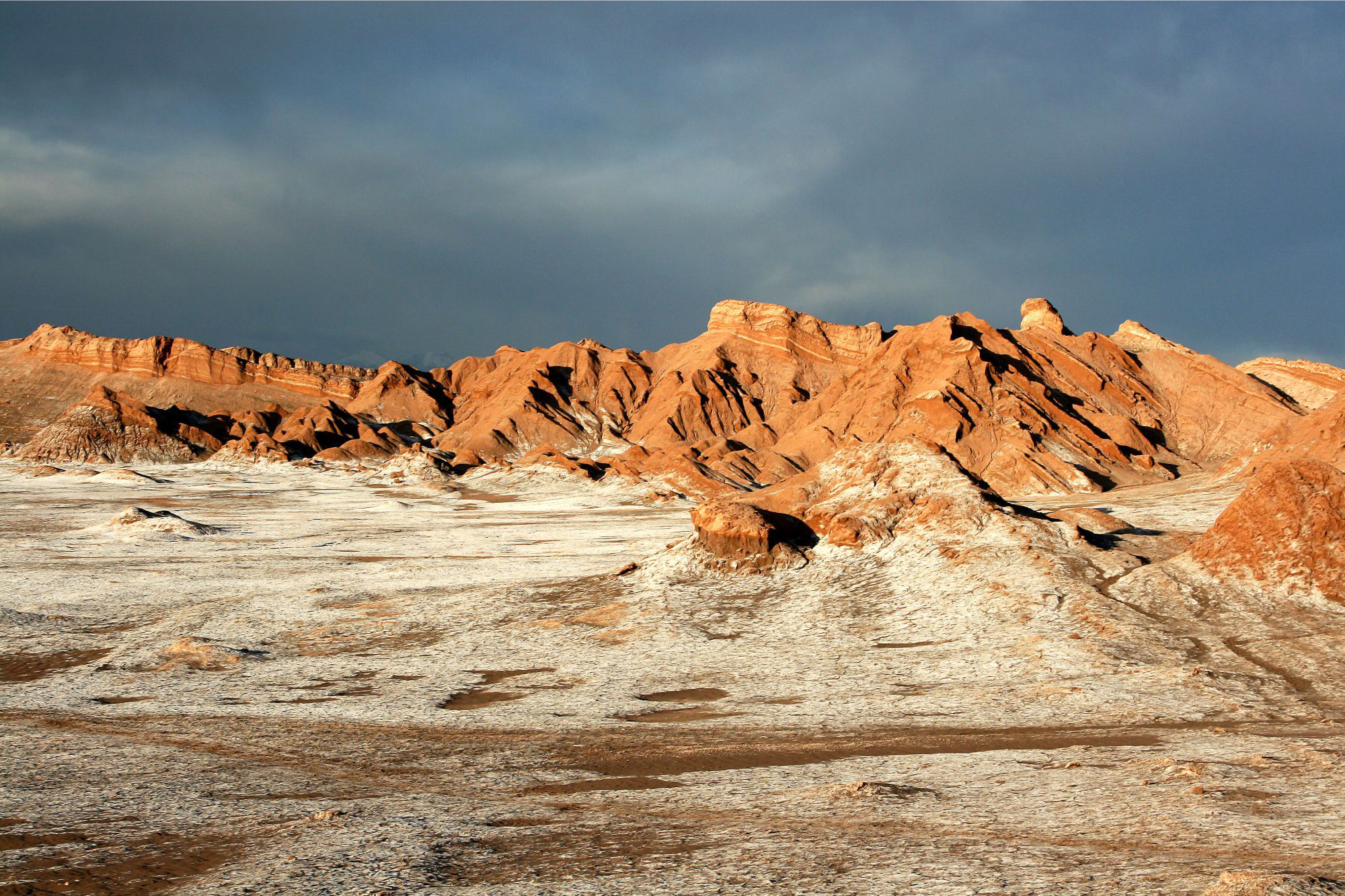
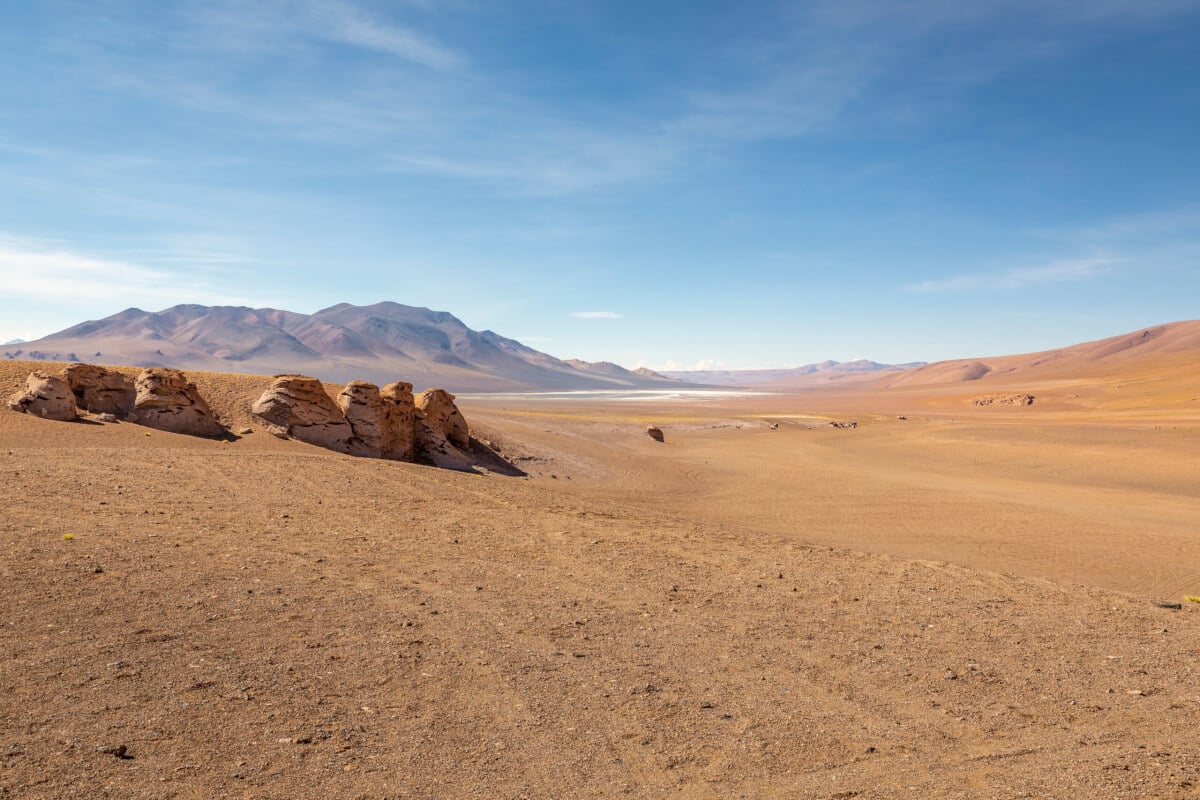
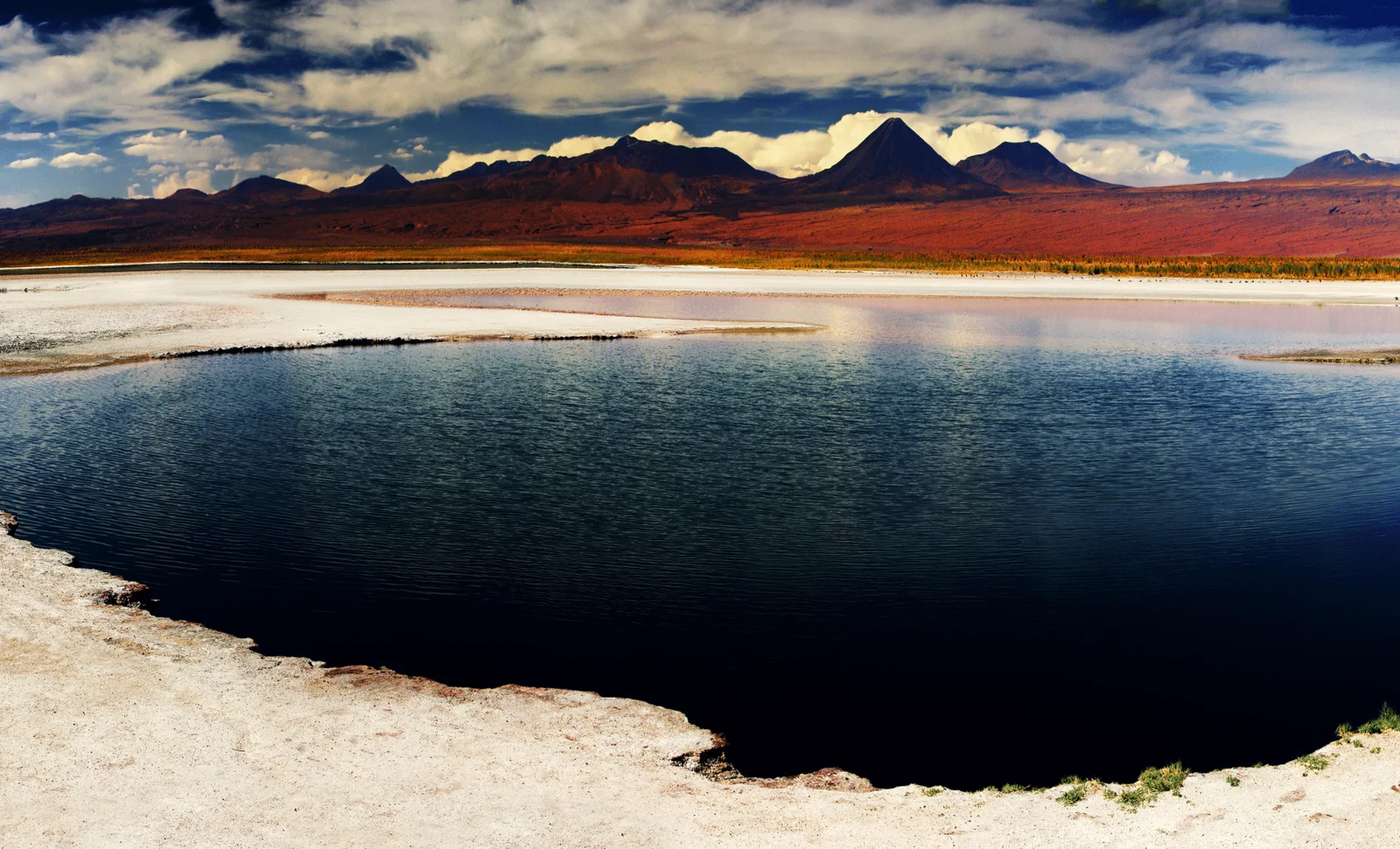
Researchers have developed a novel technique to distinguish between living and dead microbial DNA in the Atacama Desert, the driest place on Earth. This method, which separates intracellular (iDNA) from extracellular (eDNA) DNA, reveals active microbial communities thriving in this extreme environment. The technique offers new insights into microbial processes in low-biomass habitats and could be applied to study similar environments on other planets.

science1 year ago

Microbial Life Found Thriving in Earth's Harshest Desert

Researchers have discovered diverse microbial life in Chile's Atacama Desert, one of Earth's driest places, using a novel technique to separate living microbes' DNA from dead cells. This study, led by Dirk Wagner from the GFZ German Research Centre for Geosciences, reveals that microbes like Actinobacteria and Proteobacteria thrive even in extreme arid conditions. The findings, published in Applied and Environmental Microbiology, suggest that similar microbial processes could occur in other harsh environments, including other planets, highlighting life's resilience.

science-and-history1 year ago

"Secret Self-Experimentation: How Their Discoveries Changed the Course of War"

During World War II, a group of scientists conducted extreme self-experiments to develop crucial diving research that helped the Allies win the war. Led by Professor John Burdon Sanderson Haldane and Dr. Helen Spurway, the scientists tested the effects of pressure and oxygen on their own bodies in hyperbaric chambers, leading to groundbreaking discoveries in underwater survival. Their work enabled Allied divers to safely scout and clear the waters off the coast of Normandy for the D-Day invasion, ultimately contributing to the success of the mission and the defeat of Hitler.

science2 years ago

"Tardigrade Invincibility: The Role of Free Radicals Unveiled"

Tardigrades, also known as water bears or moss piglets, have been found to enter a near-invincible state by producing free radicals that transform them into a dehydrated hibernation state, enabling them to survive extreme conditions such as outer space and powerful radiation. Scientists discovered that the free radicals react with the amino acid cysteine to facilitate this transformation, and inhibiting this process renders the tardigrades incapable of entering the tun state. This molecular trick sheds light on the tiny creatures' remarkable survival skills and opens up avenues for further research into their resilience.