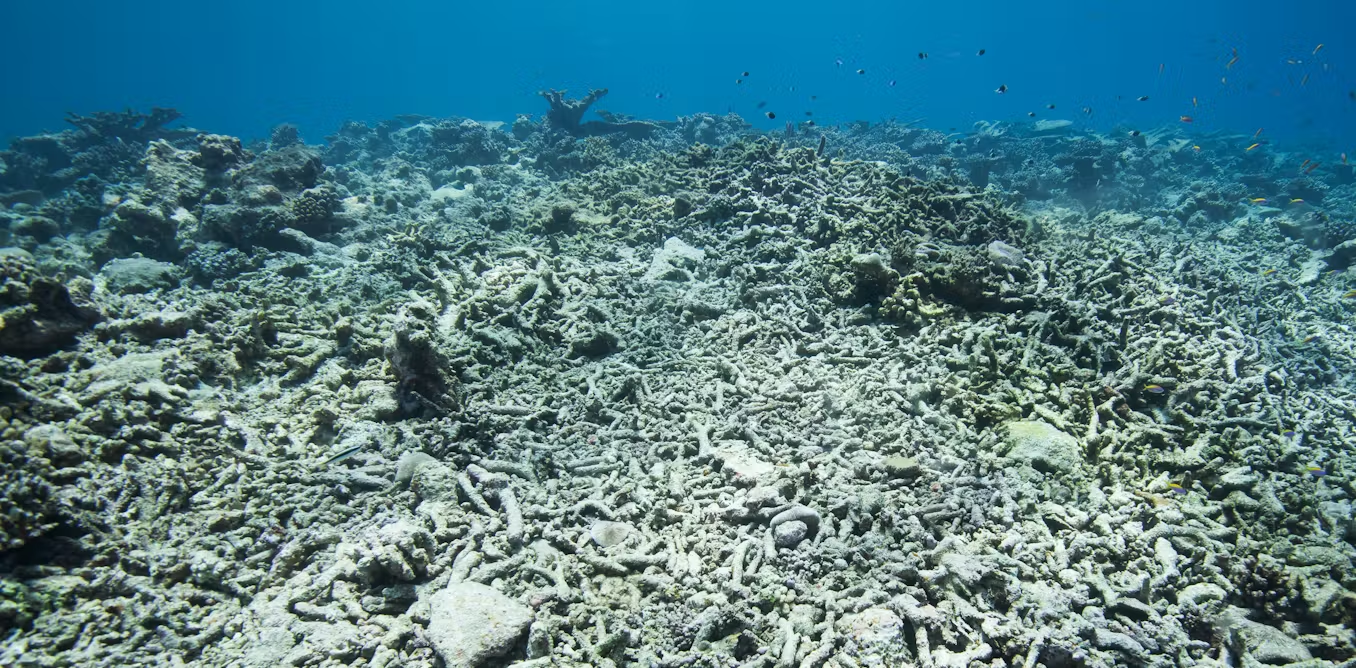
New research warns that Earth has reached critical climate tipping points, risking irreversible damage like melting ice sheets and collapsing ocean currents, unless global action to drastically reduce emissions and regenerate nature is taken immediately. Interconnected tipping points could trigger cascading environmental disasters, emphasizing the urgent need for radical policy changes and positive tipping points to accelerate climate solutions.
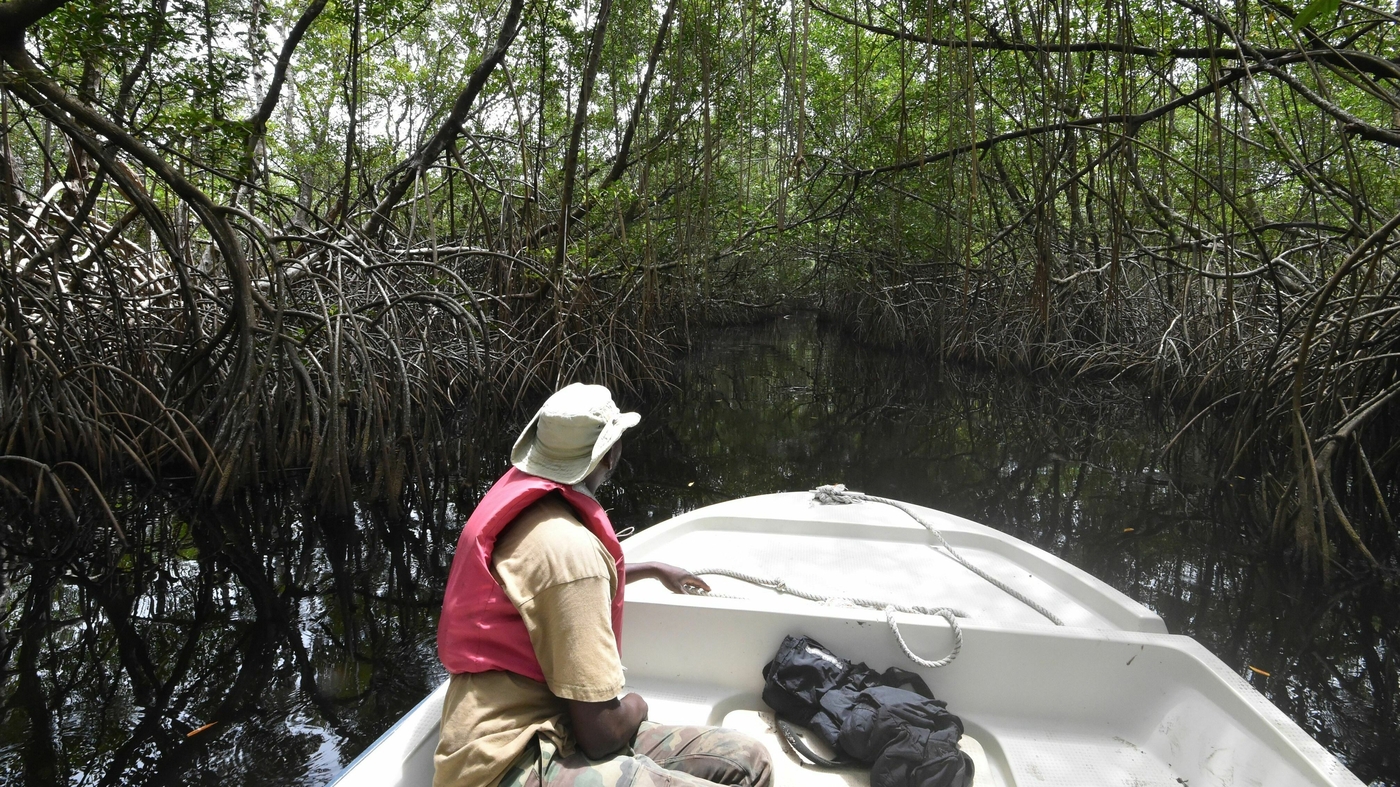
A new global assessment by the International Union for Conservation of Nature reveals that half of the world's mangrove ecosystems are at risk of collapse due to climate change-induced sea level rise and more severe storms. Mangroves, which protect coastal communities and provide habitats for various species, are struggling to survive in increasingly harsh conditions. The report emphasizes the need for mangrove restoration projects and reducing greenhouse gas emissions to ensure the longevity of these vital ecosystems.
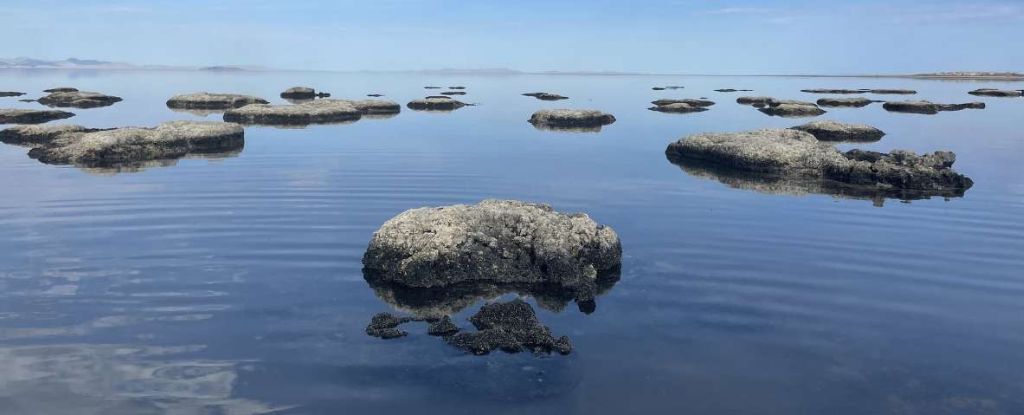
Scientists have discovered a third form of multicellular life, nematodes, in the Great Salt Lake, challenging the long-held belief that only brine shrimp and brine flies inhabited the ultra-saline waters. These worms, found in microbialites on the lake bed, are uniquely adapted to the extreme salinity and may be at risk of disappearing as the lake's water levels decrease due to human usage and climate change. The study highlights the urgent need to understand and protect this unique ecosystem before it collapses completely.
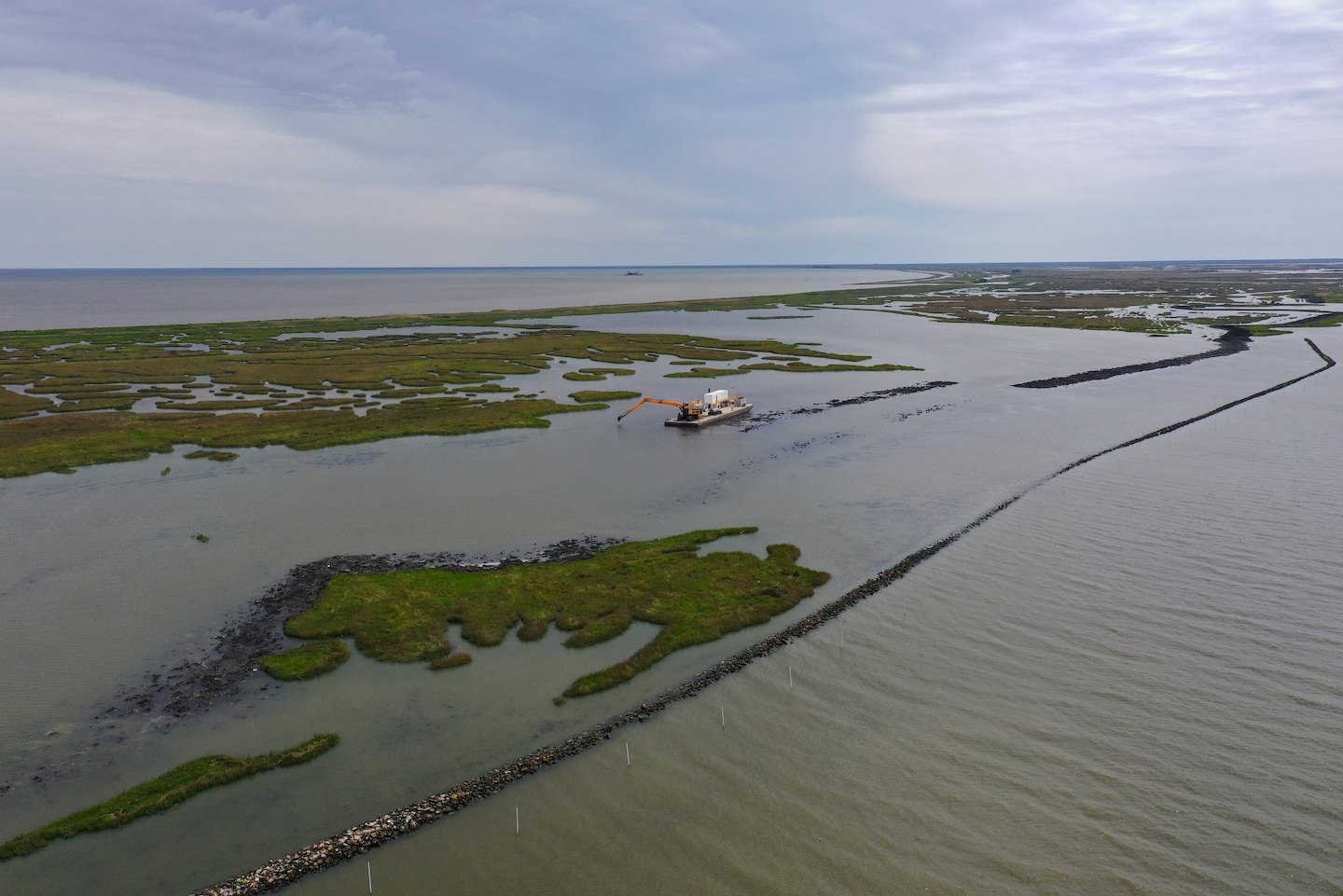
Scientists warn that rapidly rising seas are causing a surge in sea level rise, leading to the drowning of coastal wetlands in Louisiana. The state's wetlands, crucial for coastal protection and biodiversity, are unable to keep pace with the rising water levels, putting them at risk of disappearing. Efforts to restore wetlands may not be enough to counter the rapid loss, and the study predicts that Louisiana could lose 75% of its coastal wetlands by 2070, posing a significant threat to the state's ecosystem and coastal resilience.
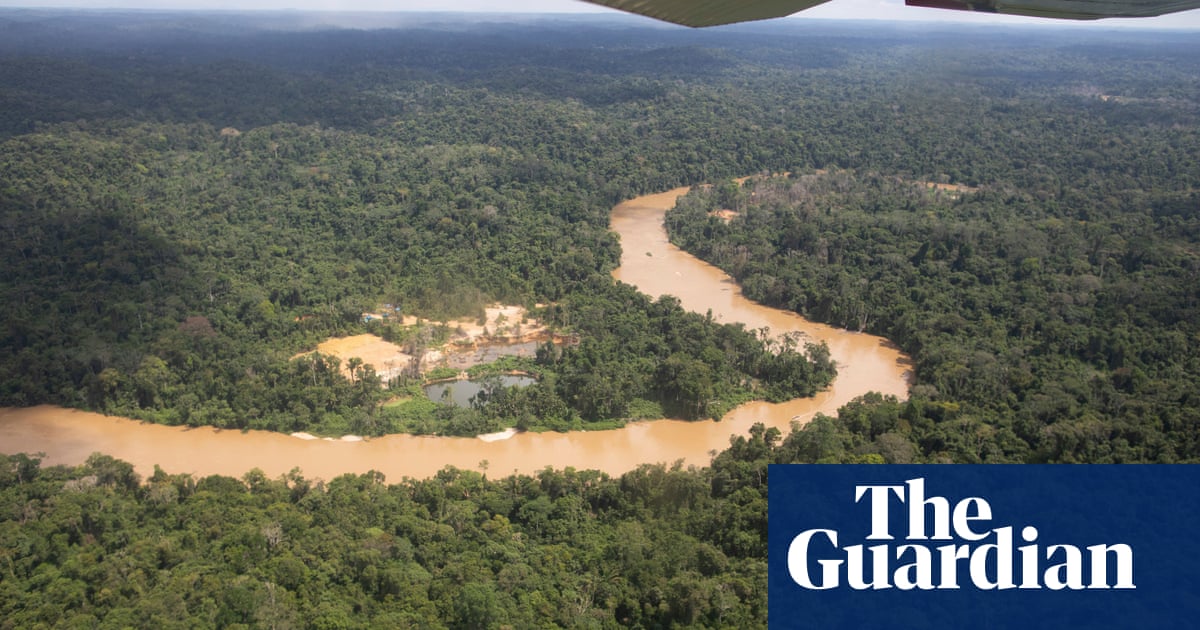
A study warns that up to half of the Amazon rainforest could reach a tipping point by 2050 due to water stress, land clearance, and climate disruption, leading to potential rapid forest decline. The forest has already passed a safe boundary, and international action is needed to prevent collapse. The study suggests keeping deforestation to 10% of the Amazon region and global heating within 1.5C above pre-industrial levels. The Amazon's importance in biodiversity, carbon storage, and climate regulation underscores the urgency of addressing the compounding impacts of human activity and climate change.
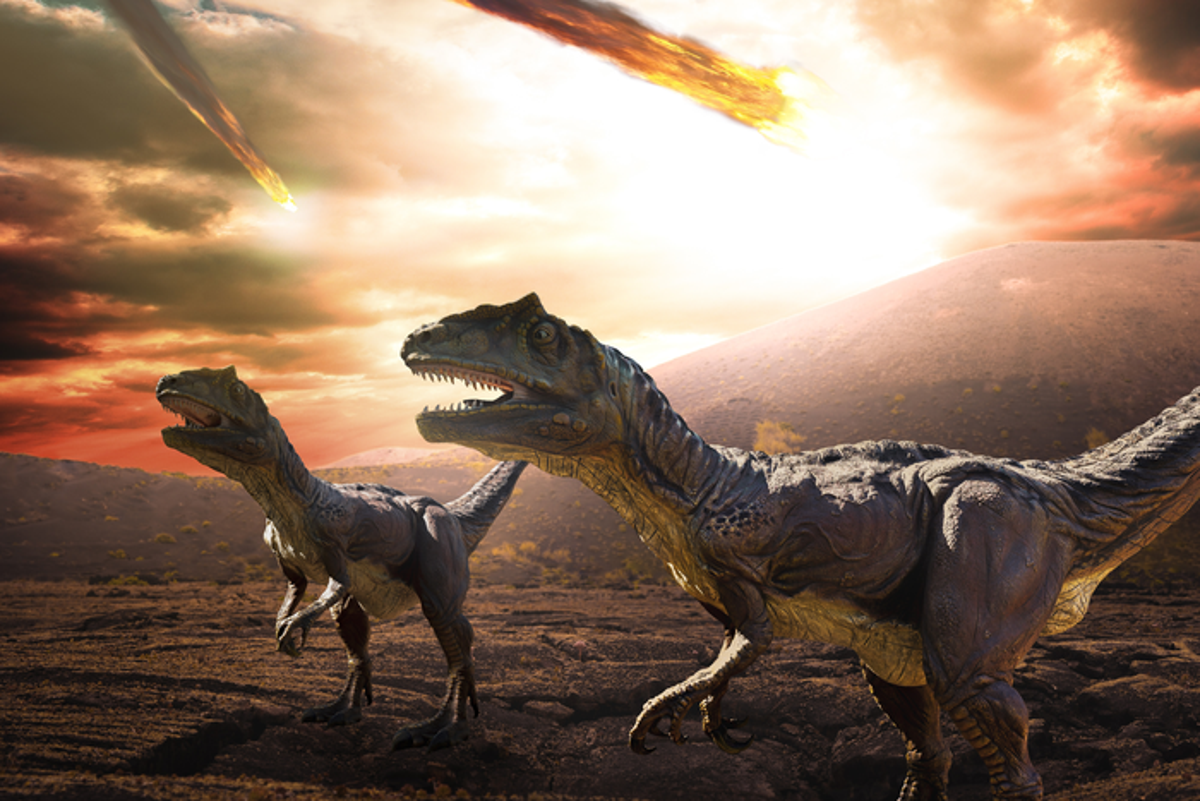
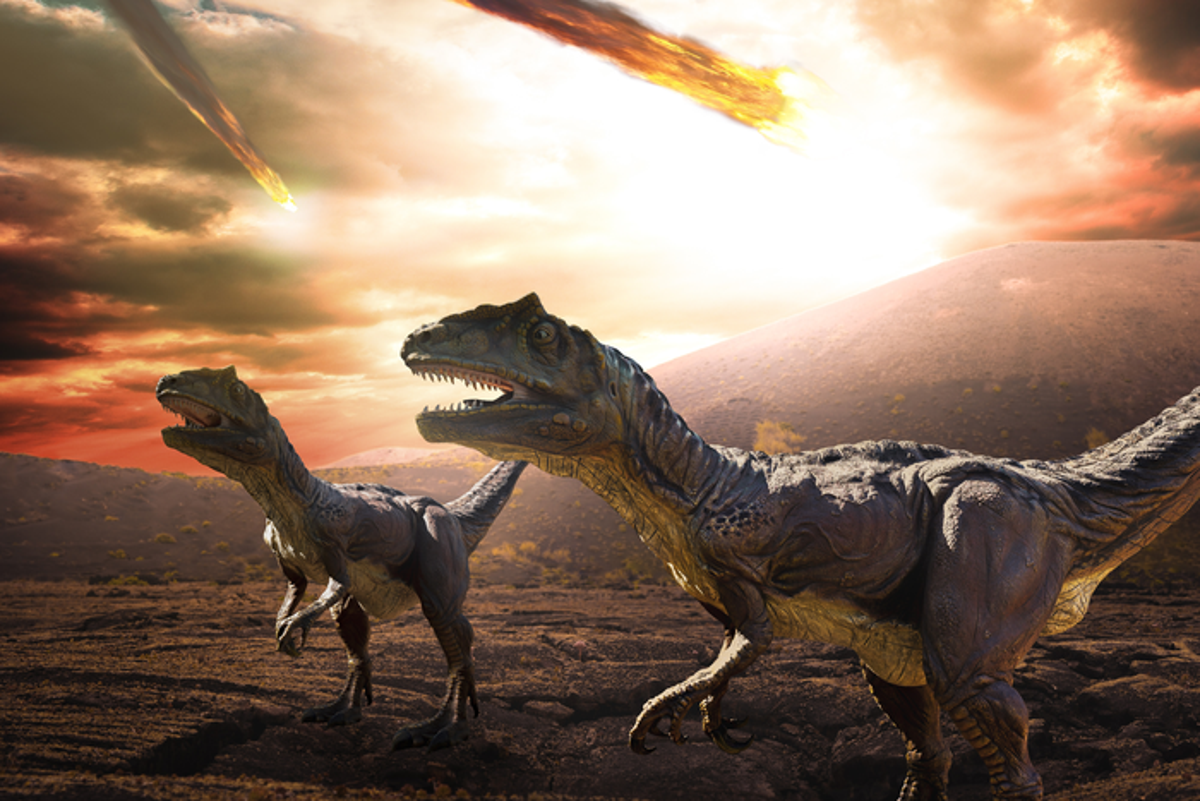
Scientists have discovered that the impact of an asteroid that struck Mexico's Yucatan Peninsula 66 million years ago, leading to the extinction of dinosaurs, may have been exacerbated by trillions of tons of dust propelled into the atmosphere. This dust caused a "global winter" by blocking out the sun's rays, resulting in a drop in global surface temperature and the collapse of the ecosystem. The study suggests that the asteroid's impact slowly killed off the dinosaurs over a few years, rather than immediately. The extinction event played a crucial role in the development of mammals, including humans, as the dominant organisms on Earth.
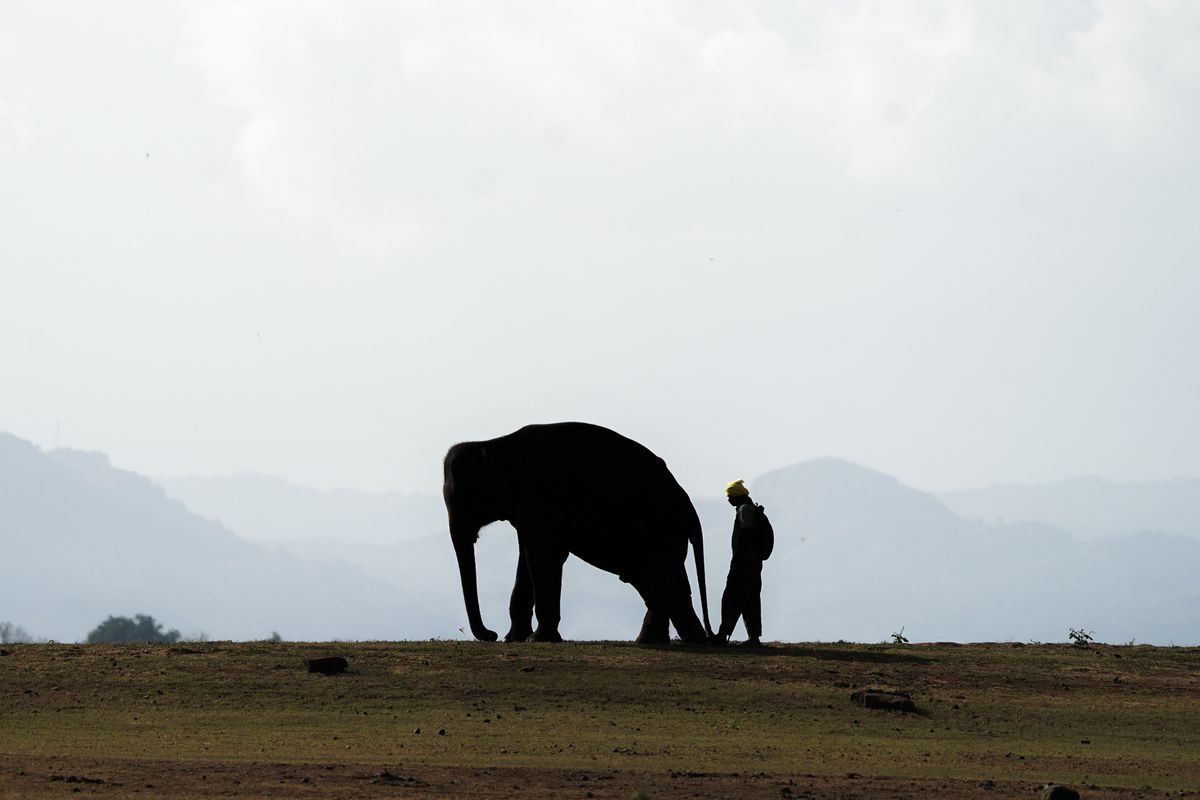
Human beings are causing species extinction at a rate 35 times faster than if it had followed the natural pace of the previous 65 million years, according to a study published in the journal PNAS. The loss of entire genera is impacting ecosystems and changing the course of evolution. At least one-third of known vertebrates are declining in population, and the human-imposed homogenization of the environment is causing the disappearance of equilibrium beneficial to our existence. The authors of the study call for unprecedented investment in conserving tropical forests, where the greatest biodiversity is found, to avoid a widespread collapse.