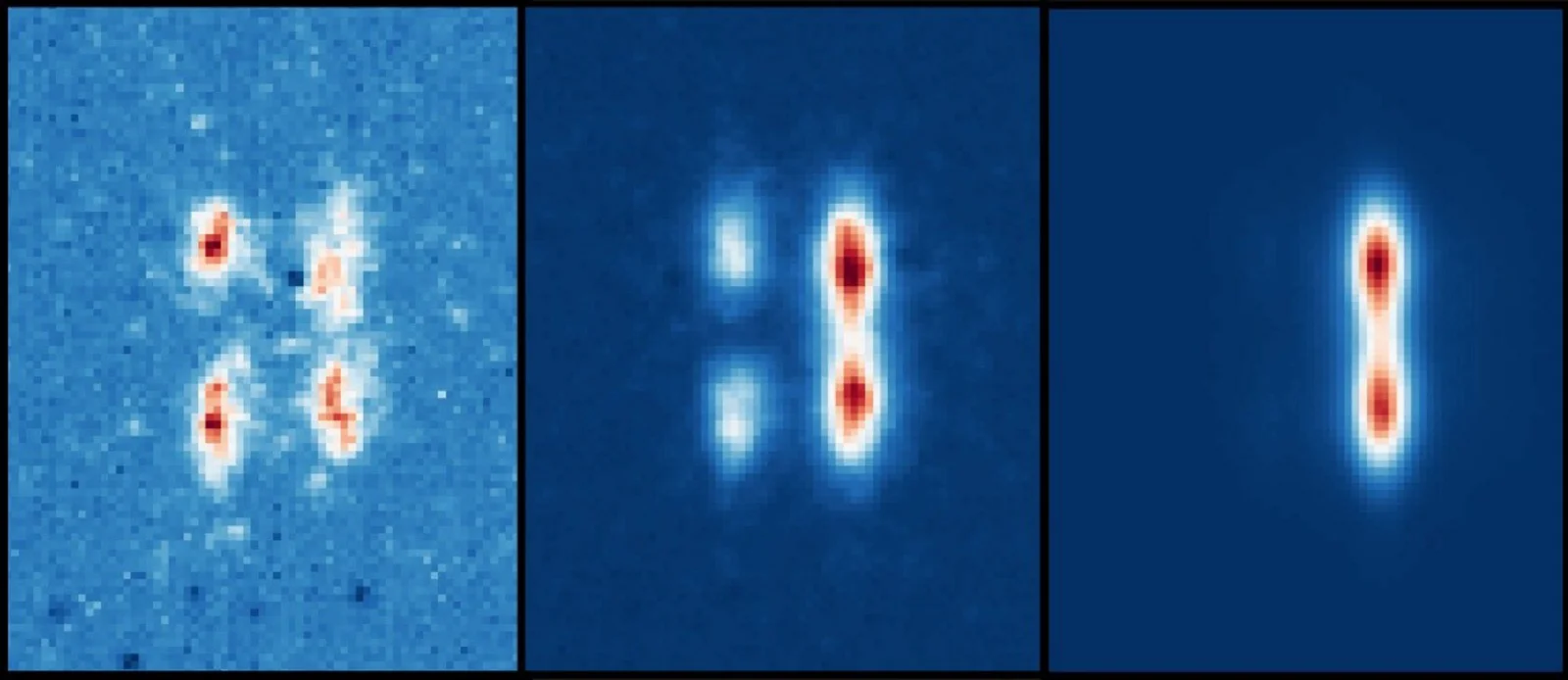
Photons exhibit collective behavior only after reaching a certain number, favoring the more populated state, which could be harnessed to develop more powerful lasers, according to a study published in Physical Review Letters.
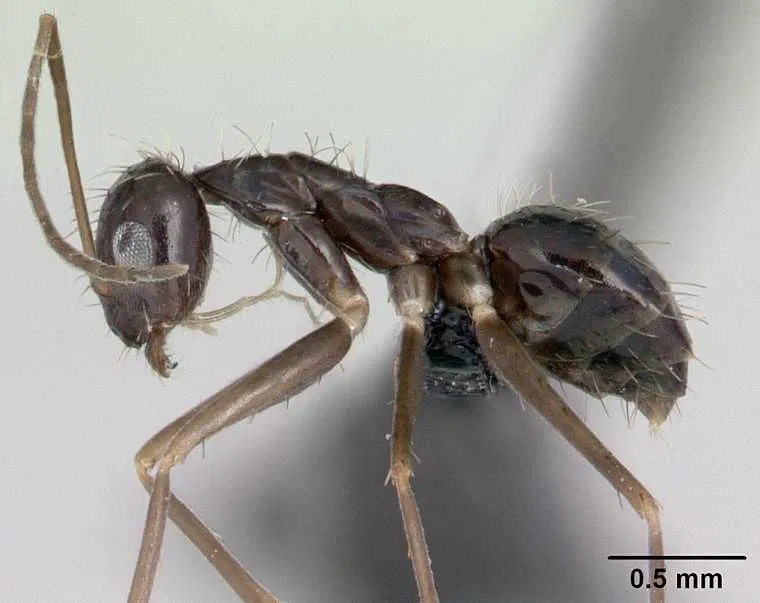
Scientists observed Longhorn Crazy Ants demonstrating advanced swarm intelligence by collectively anticipating and clearing obstacles during food transport, functioning like a neural network without individual forethought, revealing complex colony-level decision-making.
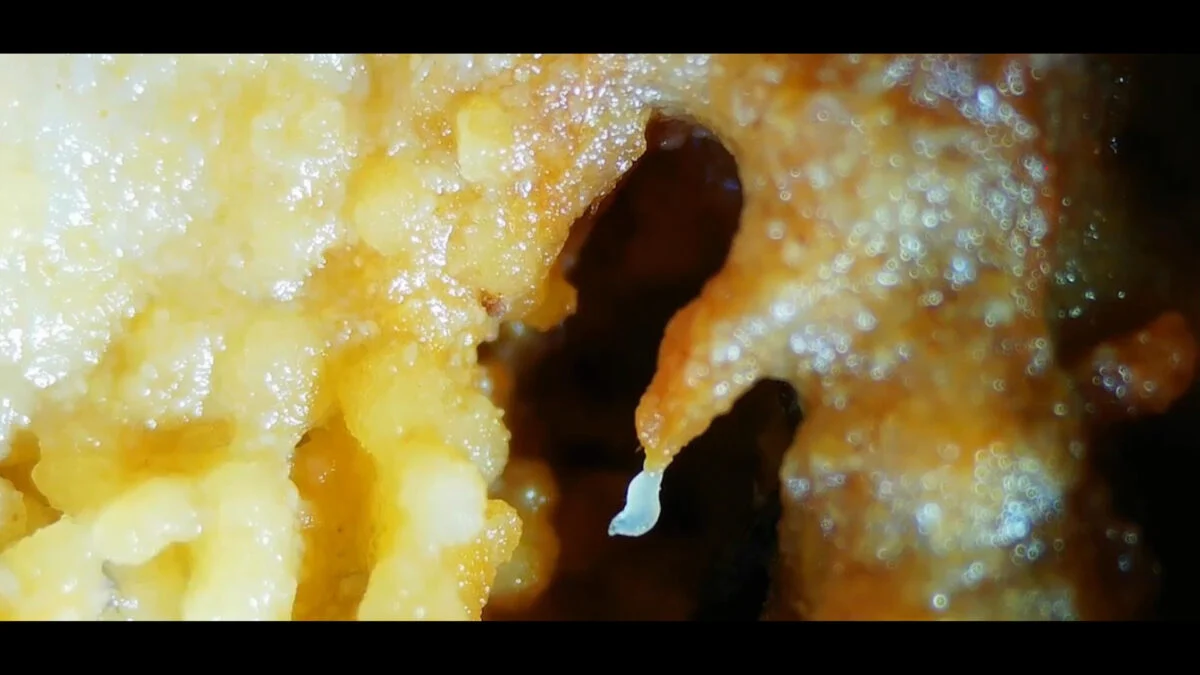
Scientists in Germany have documented wild nematodes building flesh towers, a behavior previously only observed in labs, which they use for dispersal and interaction with animals, revealing new insights into their collective behavior and ecological roles.
Evolutionary ecologist Iain Couzin discusses the collective behaviors of animals, such as flocking and swarming, and their similarities to computation. He explains how studying various organisms, from simple placozoa to complex vertebrates, can provide insights into the origins of intelligence and the emergence of complex life. Couzin also highlights the use of advanced technologies to study animal group dynamics and the potential impact on global food security through improved understanding of swarming pests like locusts.
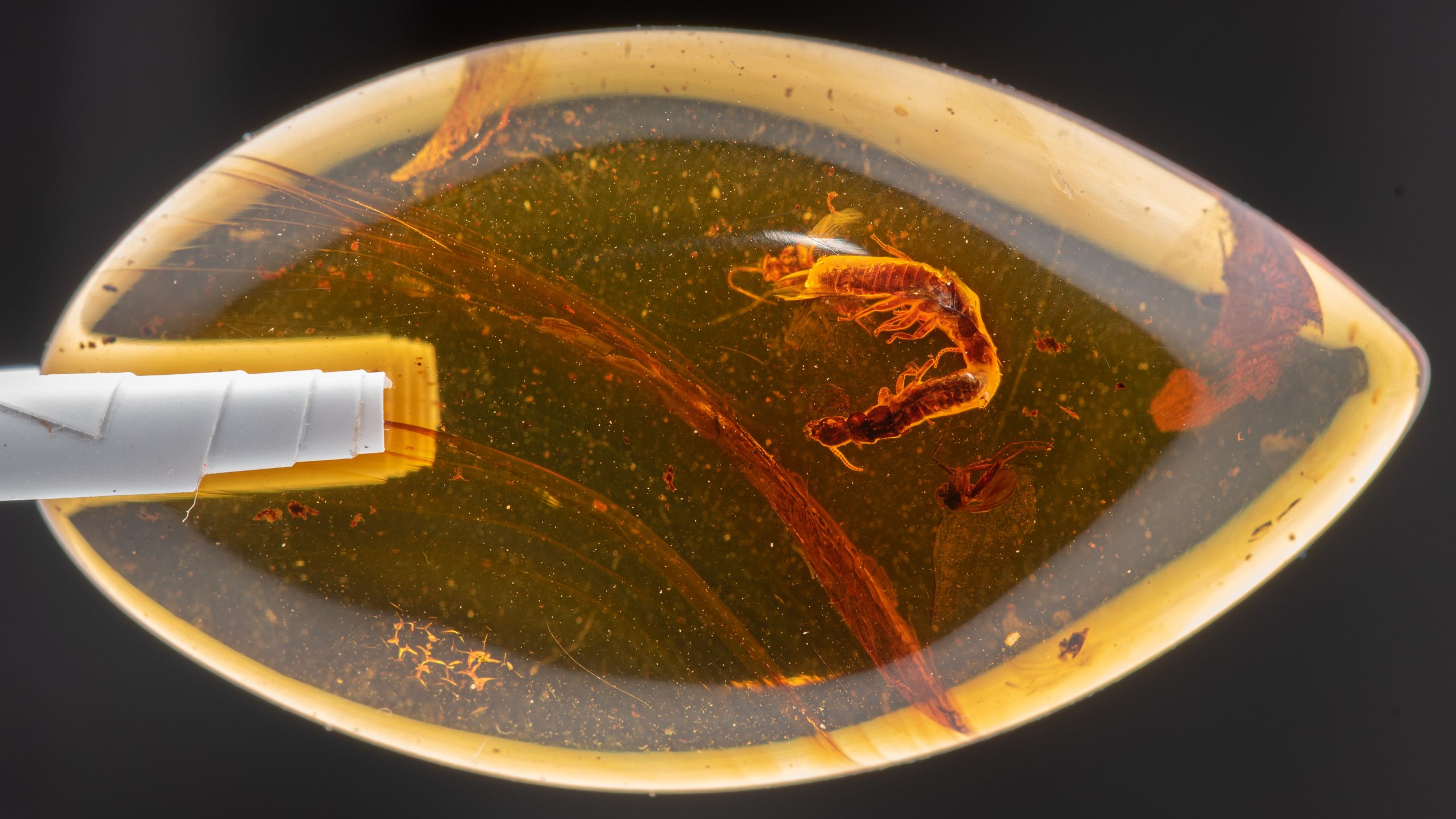
Biologist Nobuaki Mizumoto and colleague Aleš Buček discovered a rare Baltic amber fossil of two ancient termites engaged in a courtship ritual, providing potential insight into the behavior of ancient insects. The researchers experimentally modeled the fossilization process and found that the termites' entrapment likely occurred gradually, challenging previous assumptions about instantaneous fossilization. While some caution is needed in inferring behavior from fossils, the detailed preservation in amber offers valuable glimpses into ancient animal behavior, shedding light on collective behavior and courtship rituals in termites.
Researchers from the University of Konstanz and the Max Planck Institute of Animal Behavior have developed SMART-BARN, a state-of-the-art facility housed in a converted barn and a gymnasium-sized Imaging Hangar, to study the group behavior of animals. SMART-BARN uses high-throughput techniques like optical and acoustic tracking to monitor animals in 3D, allowing researchers to study behaviors and interactions that were previously difficult to capture. The facility has already been used to study various species, including pigeons, starlings, moths, bats, and humans. SMART-BARN is seen as a game-changer in the field of animal behavior studies, with applications ranging from biology to artificial intelligence.