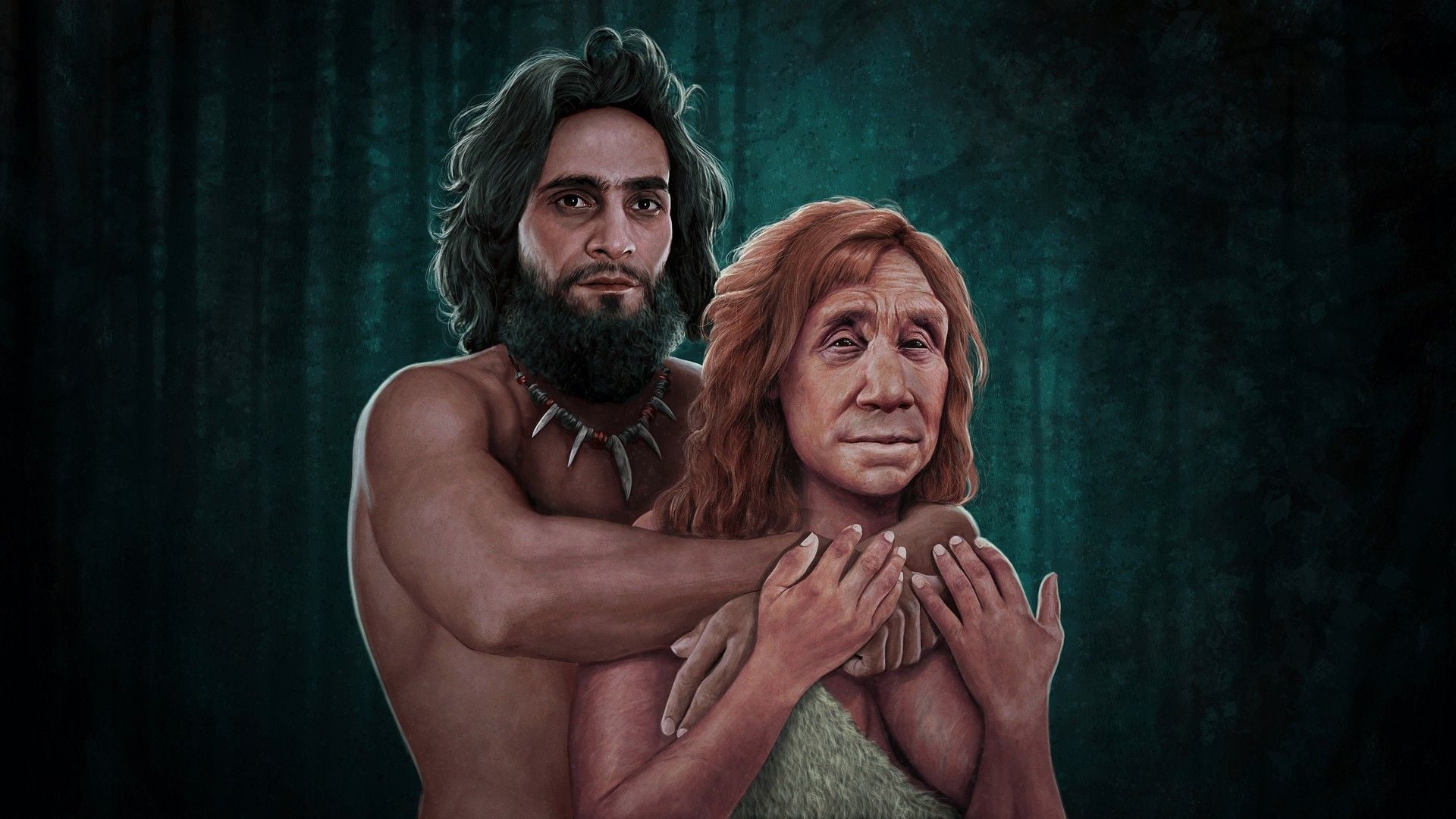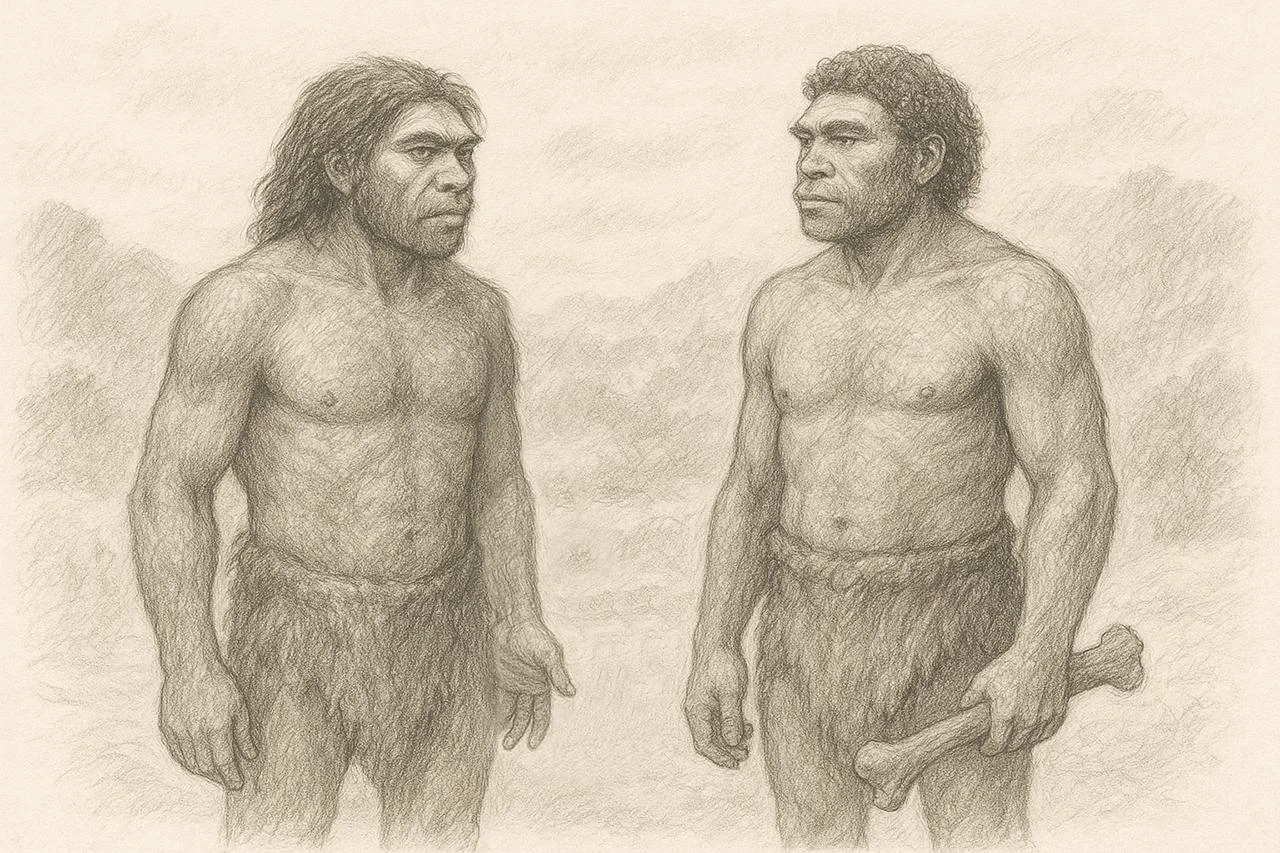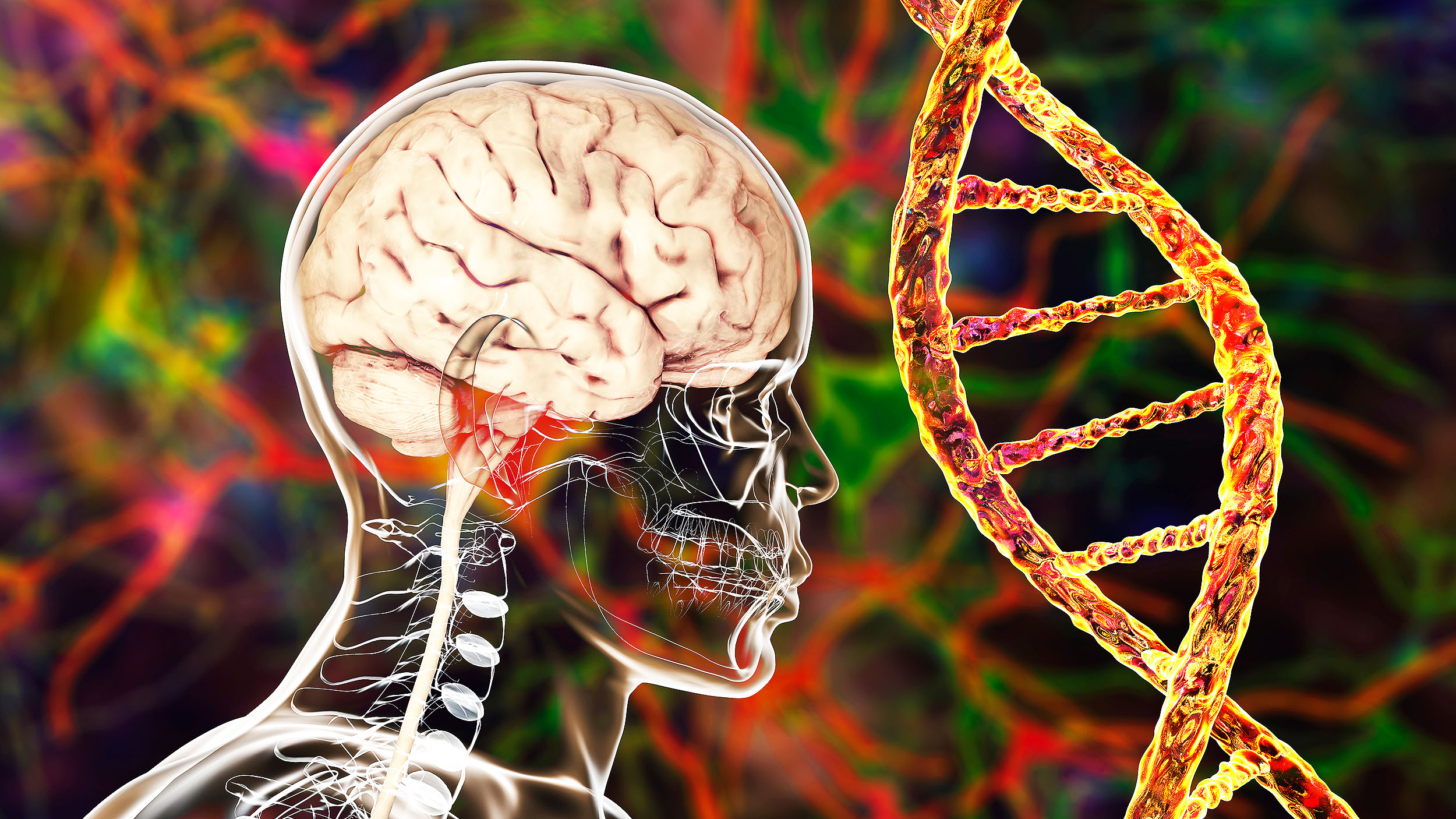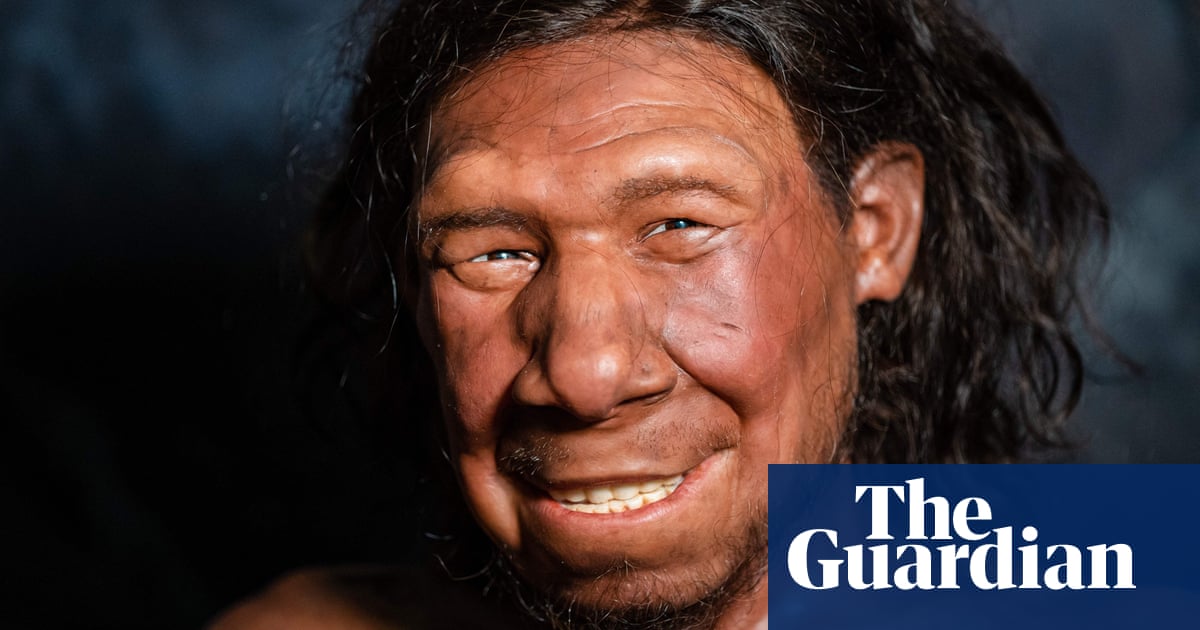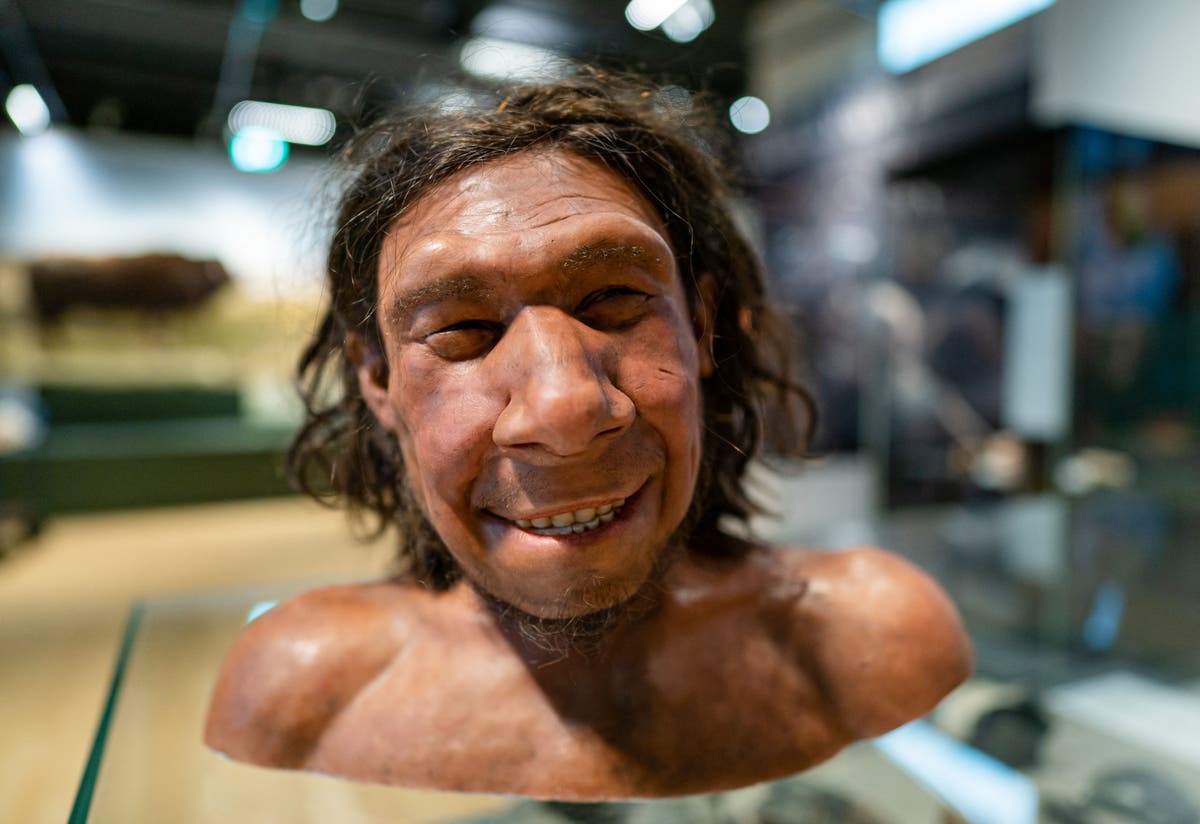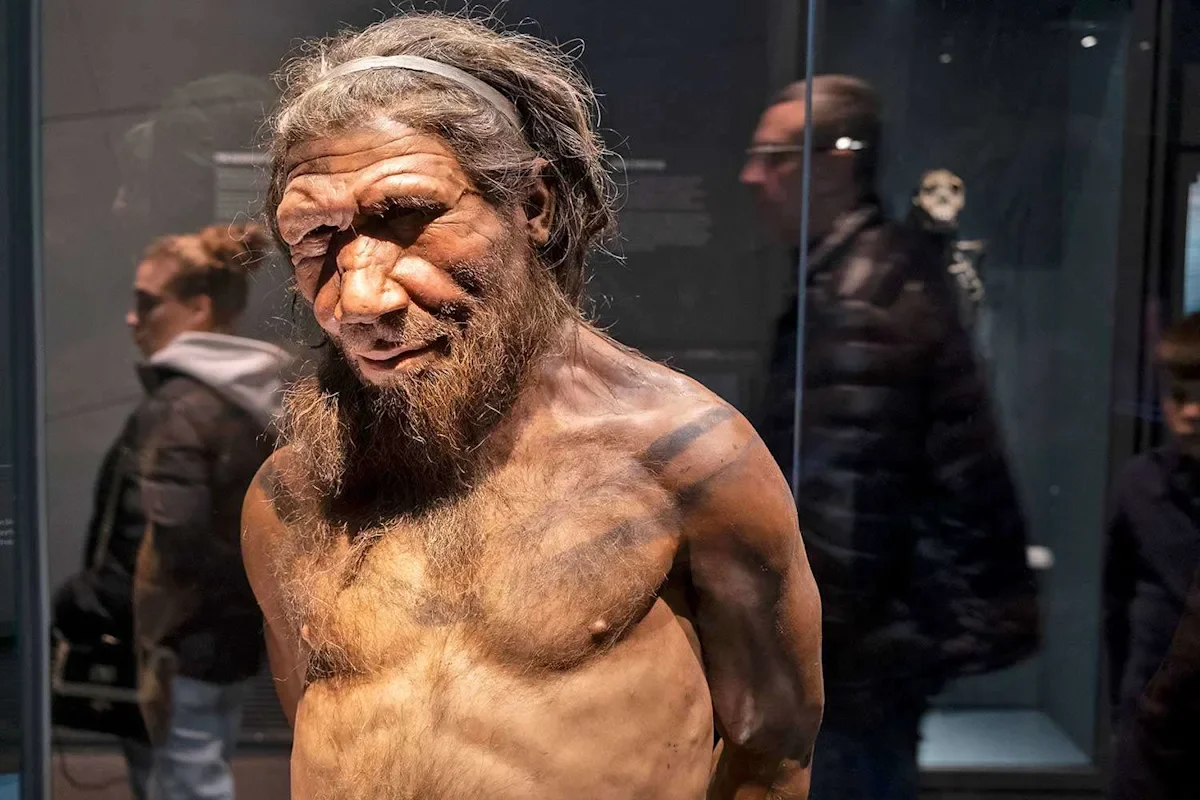
Neanderthal DNA, inherited through ancient interbreeding with modern humans, influences various aspects of our health and physical traits today, including skin color, immune response, and susceptibility to certain diseases, while also offering insights into human evolution.
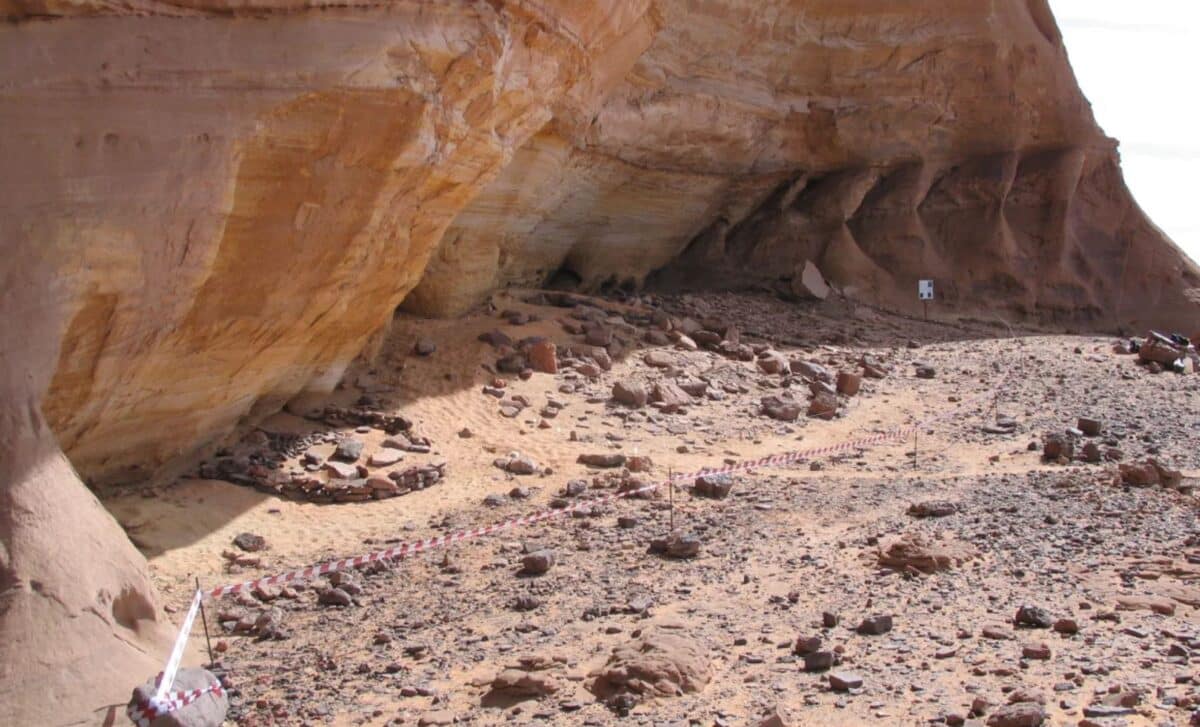
Scientists discovered well-preserved 7,000-year-old mummies in Libya that belong to a previously unknown human lineage with minimal Neanderthal DNA, indicating limited contact with outside groups and suggesting local cultural diffusion during the African Humid Period.
A study published in Science reveals that the first Americans inherited genetic material from Neanderthals and Denisovans, particularly a variant of the MUC19 gene that may have enhanced immunity and survival in new environments, with evidence of positive selection and interbreeding involving Neanderthals acting as intermediaries for Denisovan DNA transfer.
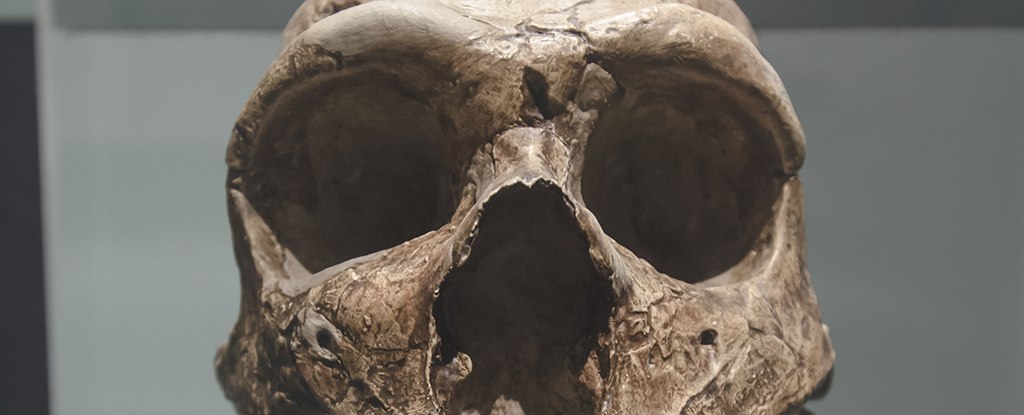
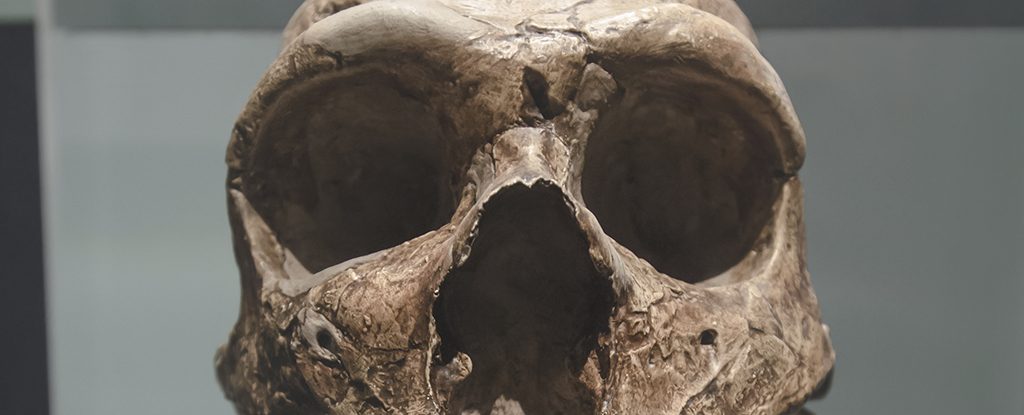
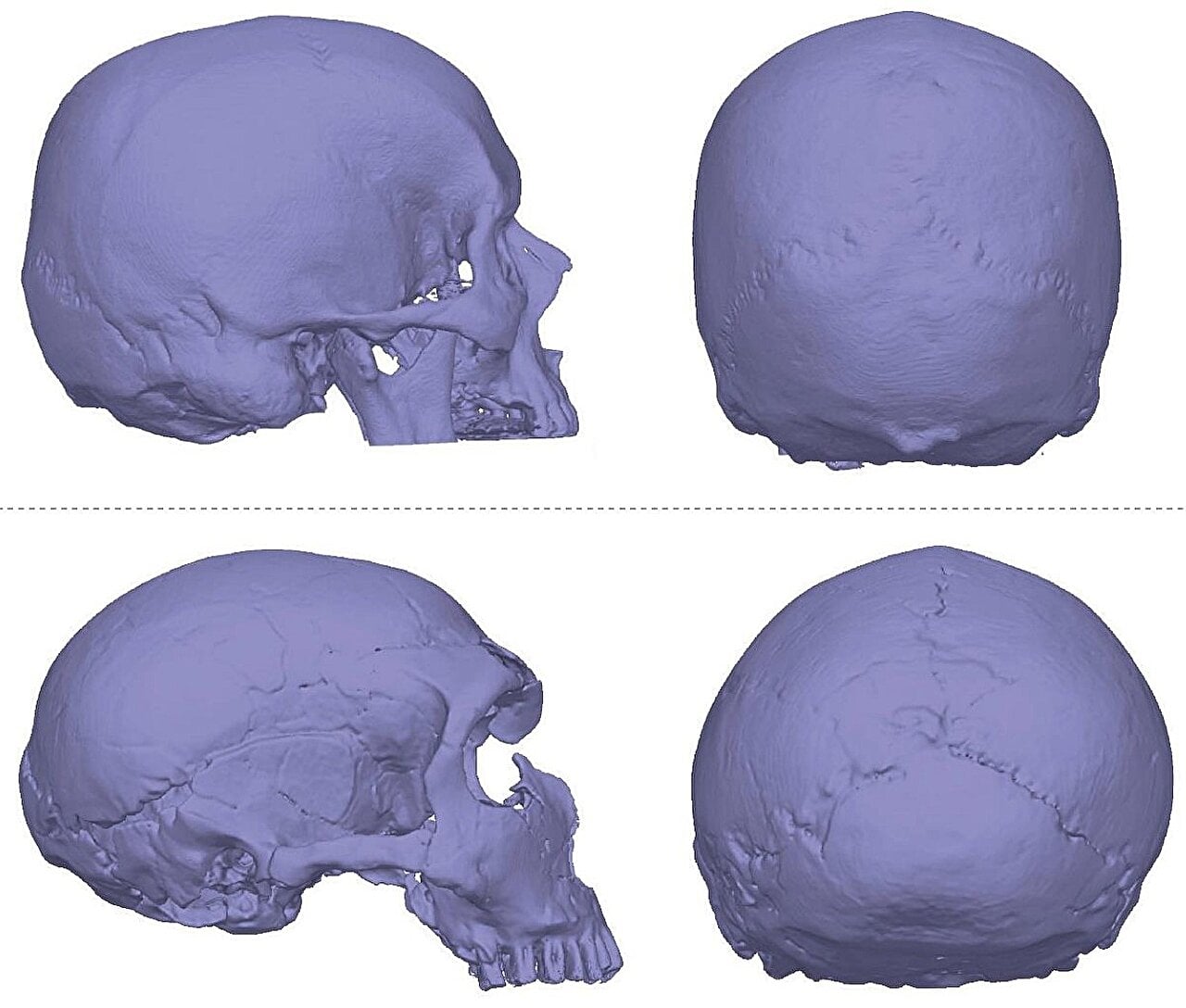
A study suggests that genes inherited from Neanderthals may be linked to Chiari malformations in modern humans, with skull shape differences resembling Neanderthal skulls, highlighting a genetic connection that could influence diagnosis and treatment.
A new study suggests that inherited Neanderthal DNA may be linked to Chiari malformations in modern humans, with skull shape differences associated specifically with Neanderthal ancestry, potentially impacting diagnosis and treatment.
Research suggests that Neanderthal DNA may be linked to certain brain malformations like Chiari I, with skull structures resembling those of ancient Neanderthals, highlighting how ancient genetics could influence modern health issues.
Recent research suggests that some genetic variants inherited from Neanderthals may be linked to autism spectrum disorder, influencing brain connectivity and cognitive traits, and highlighting the complex legacy of human-Neanderthal interbreeding.
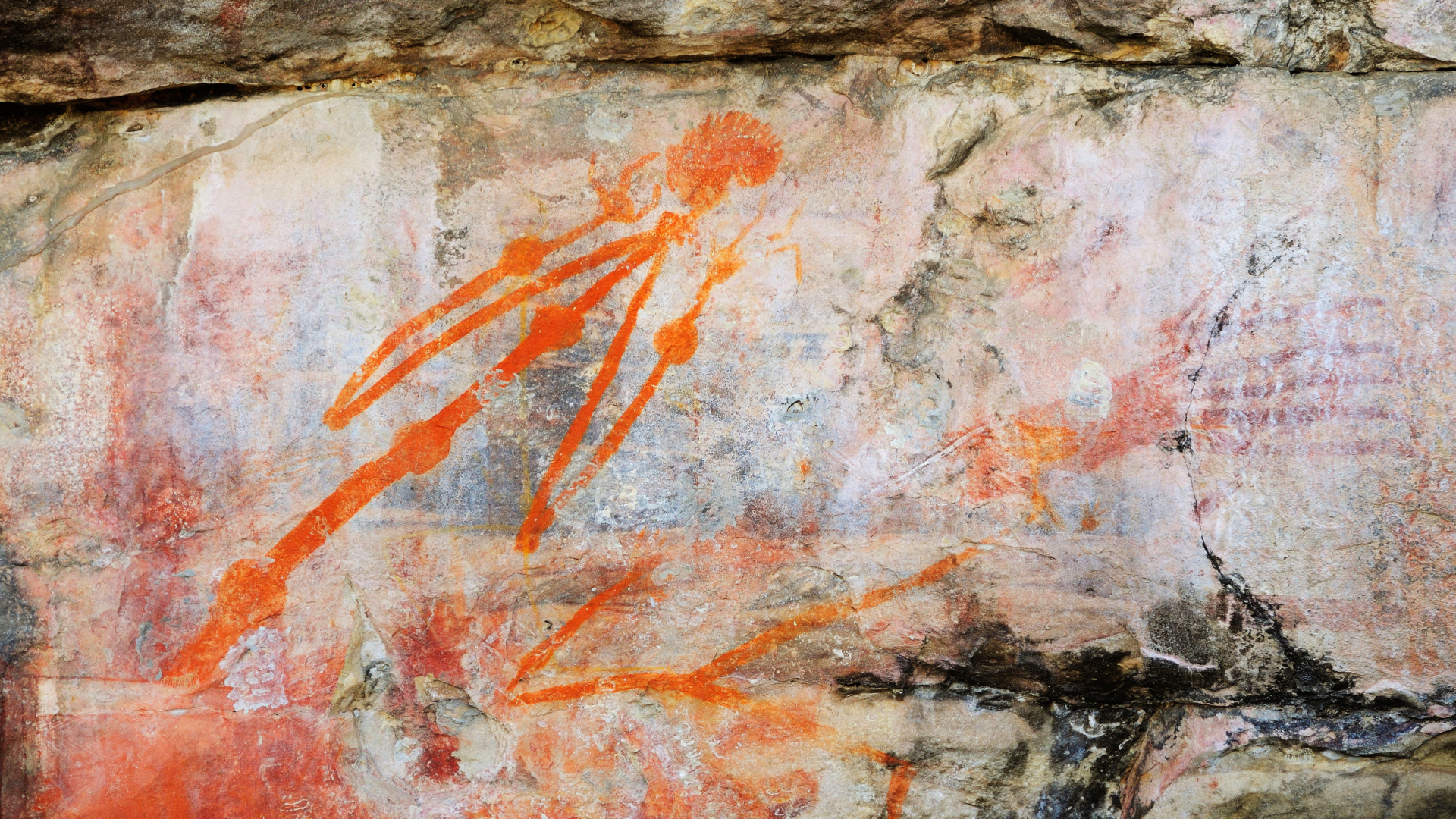
A new study suggests humans may not have arrived in Australia until around 50,000 years ago based on Neanderthal DNA evidence, challenging earlier archaeological findings that indicated occupation as early as 65,000 years ago, though some experts remain skeptical due to conflicting data and assumptions in dating methods.
Scientists used CRISPR to insert 40,000-year-old Neanderthal DNA into mice, specifically modifying the GLI3 gene, which resulted in unexpected skeletal changes that shed light on ancient human biology and the influence of archaic genes on modern humans.
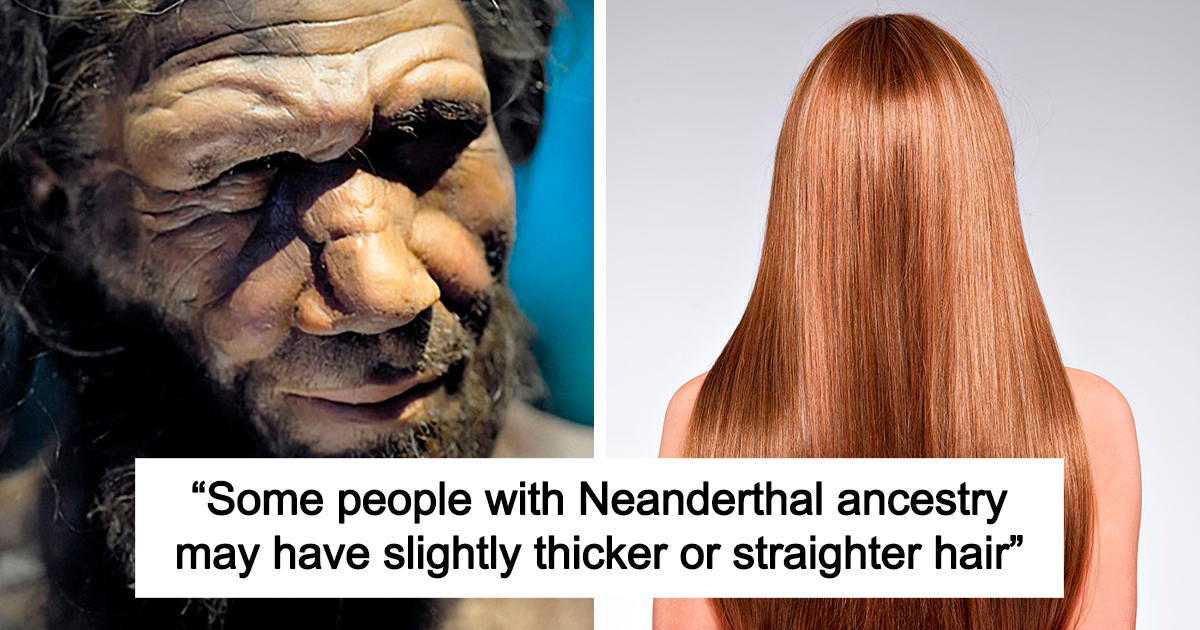
Genetic engineer Sebnem Unluisler suggests that certain traits such as nicotine dependency, hair type, sleep patterns, nose size, Covid-19 reaction, and tanning difficulties may indicate the presence of Neanderthal DNA in modern humans, as a result of interbreeding between Homo sapiens and Neanderthals. These traits provide insight into the genetic legacy of our ancient human relatives and their influence on various aspects of our physiology and health.
Neanderthal DNA inherited by modern humans may contribute to the tendency of some individuals to be morning people, according to researchers. While most Neanderthal genes have been weeded out by evolution, a small fraction remains, including genes that govern body clocks. By analyzing the DNA of modern humans and Neanderthals, scientists found that different genetic variants were involved in the circadian rhythms of the two groups. The presence of Neanderthal genes linked to waking up early was confirmed in a study of half a million people. However, being a morning person is influenced by numerous genes, environmental factors, and cultural influences, and the impact of Neanderthal genes is relatively small. The researchers suggest that the Neanderthal genes may have helped early humans adapt to life at higher latitudes with variable seasonal light levels.
Scientists from the University of Pennsylvania have developed a machine learning algorithm to search the genomes of Neanderthals and Denisovans for potentially useful peptides that can be used to create new antibiotics. By identifying roughly 2,500 peptides with anti-infective properties, the researchers synthesized a peptide called neanderthalin-1, which successfully fought a skin infection in mice. This discovery could pave the way for a new class of potent antibiotics to combat antibiotic-resistant bacteria.
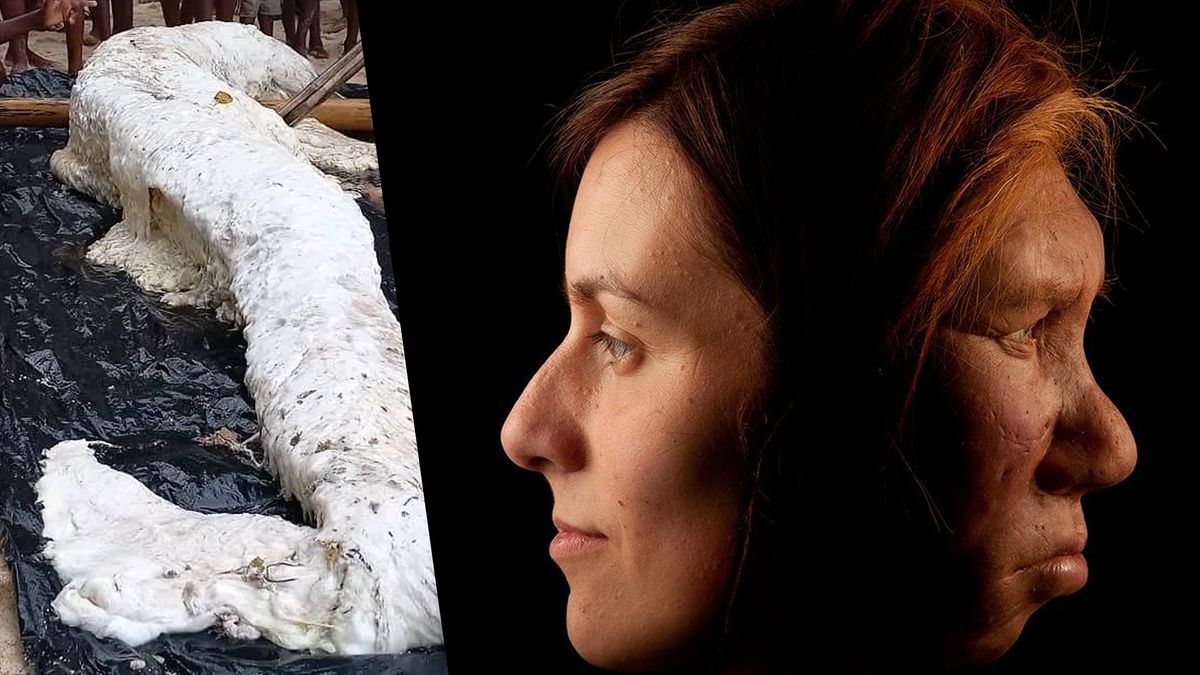
This week in science news, a city-size comet regrew "horns" after a volcanic eruption, mummy portraits from 2,000 years ago were unveiled, the mystery of why some people have more Neanderthal DNA was solved, a mermaid "globster" washed ashore in Papua New Guinea, and climate change caused a heat wave that killed off 10 billion snow crabs. Additionally, geneticists discovered that East Asians have more Neanderthal DNA due to mating with Middle-Eastern farmers, and orcas have been observed exhibiting new and potentially smarter hunting behaviors.
A new study suggests that the mingling of early Europeans with the first farmers from the ancient Middle East led to a decrease in the proportion of Neanderthal DNA in European populations compared to Asian populations. The study analyzed over 4,000 genomes and found that European hunter-gatherers had a slightly higher proportion of Neanderthal DNA than Asian populations, but this declined during the transition to a farming lifestyle. The arrival of farmers from Anatolia further diluted Neanderthal DNA in European populations. However, East Asian populations likely did not undergo this dilution. The study provides insights into the genetic variation and migration patterns of early humans.
This week in science news, researchers discovered a hidden reservoir of water beneath the Pacific Ocean floor, identified the brain's ability to distinguish between real and false memories, and mapped the continent of Zealandia. Additionally, neanderthal DNA was found to be linked to increased pain sensitivity, NASA revealed the Bennu asteroid sample return mission, and a stunning image of a golden horseshoe crab won the Wildlife Photographer of the Year competition.