Tag

Genetic Evidence

All articles tagged with #genetic evidence

archaeologyanthropology1 year ago

"Unveiling the Crucial Role of the Persian Plateau in Early Human Migration Out of Africa"

A new study has identified the Persian Plateau as a crucial hub for early human migration out of Africa, challenging previous understandings of human expansion into Eurasia. The research, published in Nature Communications, reveals the plateau as a region where population waves originated, supporting a larger population compared to other areas in West Asia. Genetic evidence indicates a long-lasting differentiation in the area, emphasizing its significance for early human settlement and subsequent migrations. The findings shed light on a critical period in human history and highlight the need for further archaeological exploration in the region.

science-and-health1 year ago

"Uncovering the Origins of Syphilis-Like Diseases: Ancient DNA Reveals Surprising Findings"

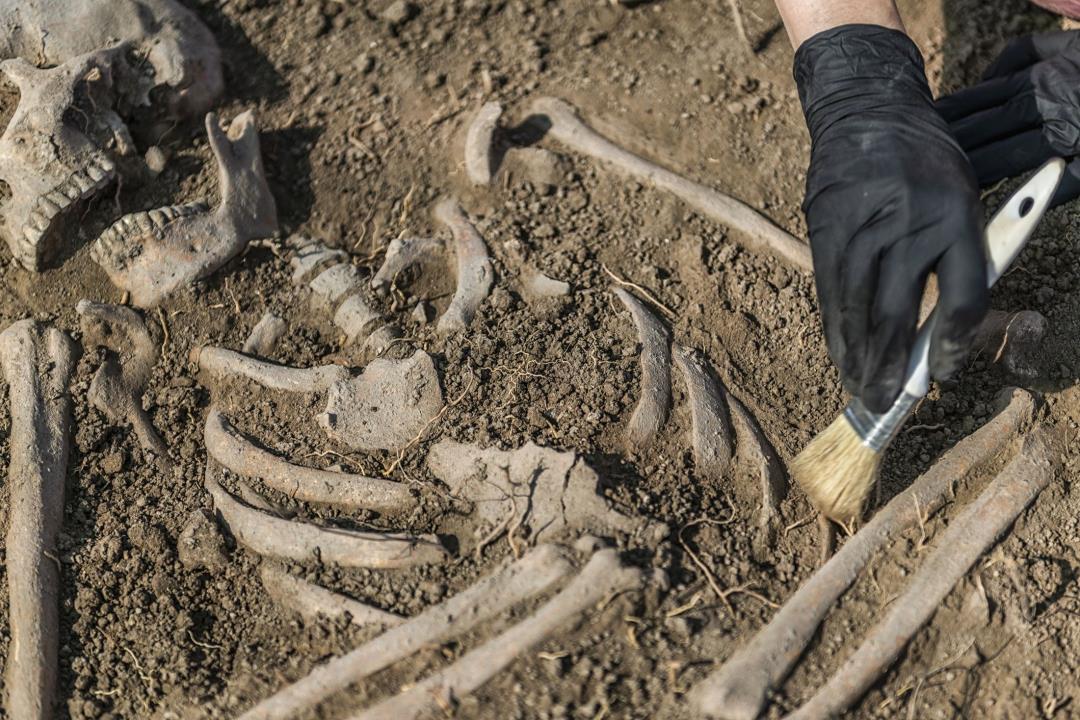
Researchers in Brazil have discovered the oldest known evidence of a syphilis relative in skeletons dating back 2,000 years, shedding light on the origins of the bacterium Treponema pallidum. The genetic evidence suggests that T. pallidum and T. pallidum endemicum diverged from a common ancestor about 14,000 years ago, challenging the theory that syphilis was brought to Europe by Christopher Columbus. The findings indicate that these bacteria could have traveled around the world with different human migrations much earlier than previously thought.

archaeology2 years ago

Ancient Europeans Practiced Cannibalistic Funeral Rituals, Study Reveals

Cannibalism was a common funerary practice among Magdalenian human groups in northwestern Europe around 15,000 years ago, according to research from London's Natural History Museum. The study analyzed archaeological and genetic evidence, revealing consistent signs of chew marks and bone manipulation. The discovery was made at Gough's Cave in Cheddar Gorge, known for its Paleolithic artifacts. The cannibalistic behavior was likely part of a funerary ritual rather than a necessity. The practice eventually died out due to population replacement by Epigravettian groups who practiced standard burials.

crime2 years ago

Prosecutors Cast Doubt on Mother's Conviction for Children's Deaths

New scientific and genetic evidence has led prosecutors to acknowledge reasonable doubt that Kathleen Folbigg, an Australian mother convicted of killing her four children, deliberately did so. The children died separately over a decade, and their mother insisted their deaths were from natural causes. The inquiry has been adjourned until Thursday, and if the judge finds reasonable doubt of Folbigg’s guilt, he could recommend that the state governor pardon her and could report to the Court of Criminal Appeals to consider quashing her convictions.

science2 years ago

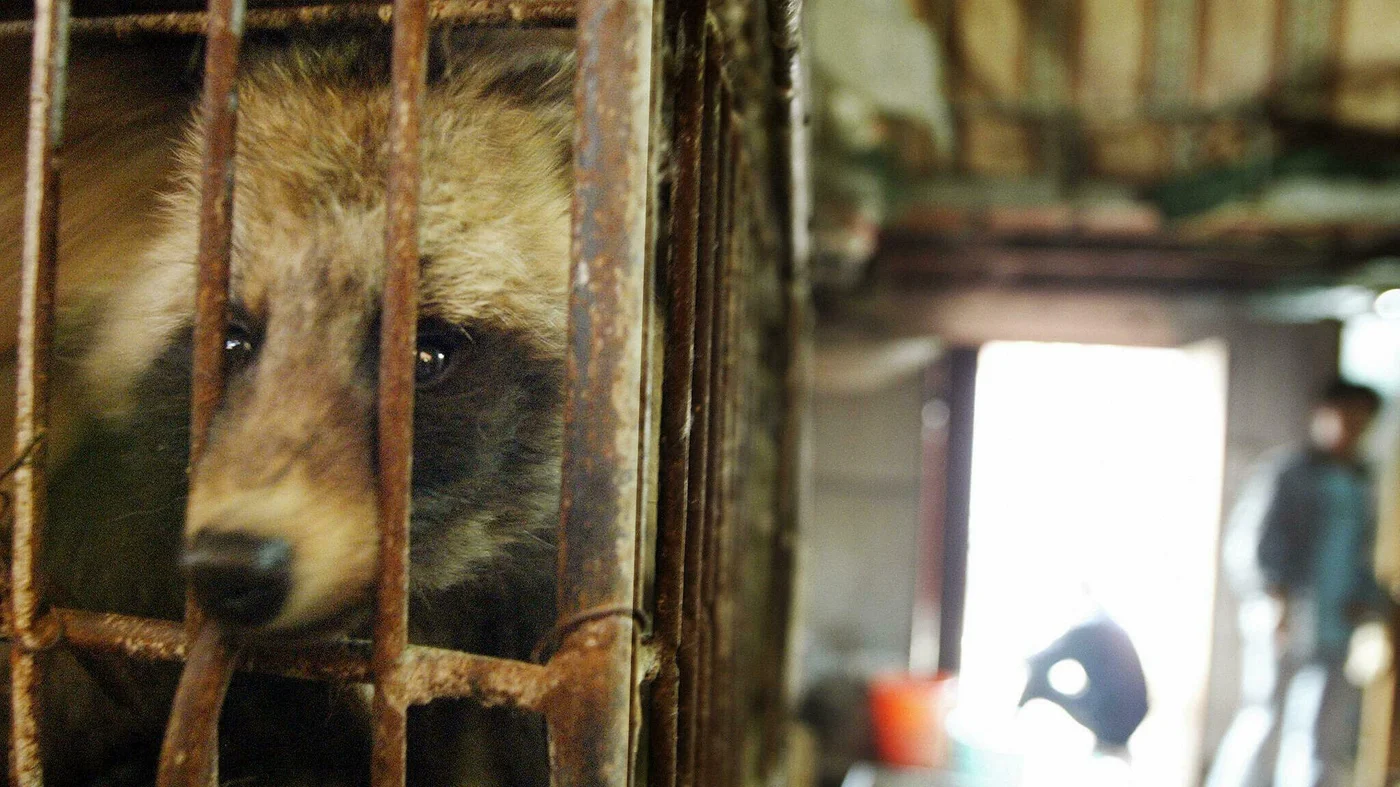
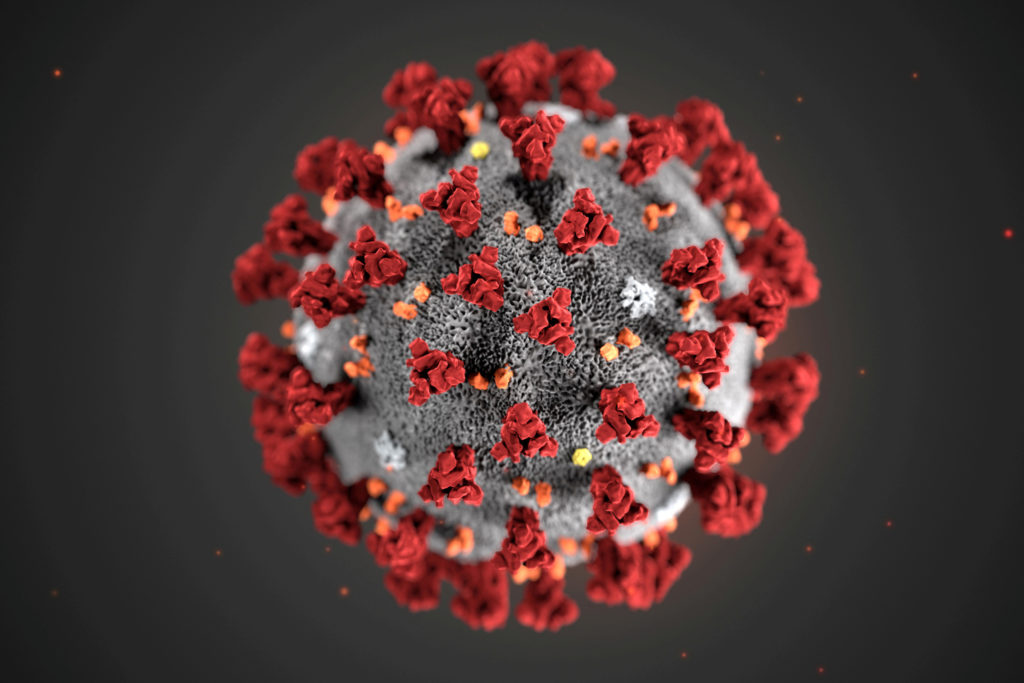
COVID-19 traced back to Wuhan raccoon dogs in genetic analysis.

Researchers from Europe, North America, and Australia have analyzed data gathered at the Huanan Seafood Wholesale Market in Wuhan, China, in January and February 2020, and published their findings in a report this week. The report provides the strongest evidence yet on the pandemic's natural origins and suggests that an animal, possibly a raccoon dog, may have started the pandemic. The genetic material of raccoon dogs found in the mix matters because it suggests that the virus may have jumped from animals to humans.

science2 years ago

The Wuhan Market and COVID's Origins: Genetic Evidence and Withheld Data

New genetic evidence from the Wuhan market in China, where a big COVID-19 outbreak occurred in December 2019, has strengthened the theory that the virus originated from a wild animal. Samples from the market have been found to have genetic material from animals, particularly the common raccoon dog, which is related to foxes and is susceptible to the virus. However, this is not conclusive evidence, and more research is needed to determine the exact origin of the virus. Understanding the origin of the virus is crucial in preventing future outbreaks.