Tag

Nature Communications

All articles tagged with #nature communications

Widespread brain shrinkage drives aging-related memory decline, mega-analysis finds
health-and-medicine5 days ago

Widespread brain shrinkage drives aging-related memory decline, mega-analysis finds

An international mega-analysis of over 10,000 MRI scans and 13,000 memory tests from thousands of healthy adults shows that memory decline with age stems from broad structural brain changes across many regions—especially, but not exclusively, the hippocampus—with nonlinear acceleration in later life and not fully explained by Alzheimer's risk genes like APOE ε4. This points to a distributed brain vulnerability that could help identify at-risk individuals and guide personalized cognitive health interventions.

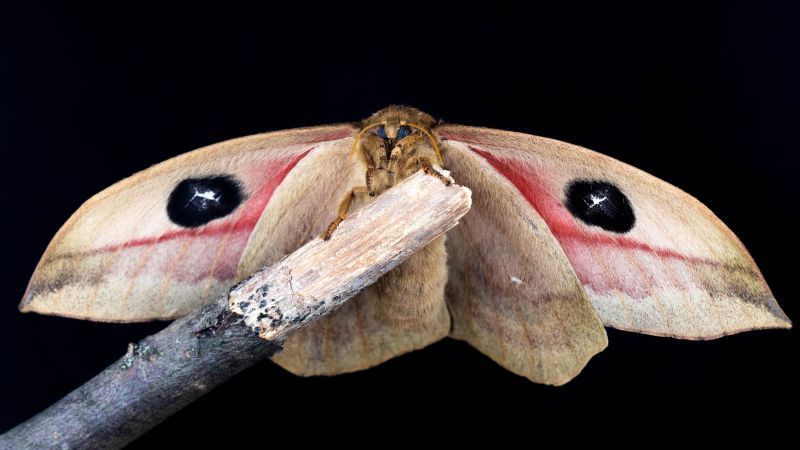
"The Truth About Insects and Light: It's Not Attraction, It's Confusion"
science1 year ago

"The Truth About Insects and Light: It's Not Attraction, It's Confusion"

A new study published in Nature Communications reveals that moths and other nocturnal insects are not actually drawn to light, but rather become disoriented and trapped in an orbit around artificial light sources, as observed through motion-capture cameras and infrared illumination. This behavior is attributed to the insects mistaking the artificial light for the sky, impacting their flight patterns. The research sheds light on the impact of light pollution on insect populations and challenges previous theories about insects being attracted to light due to heat or mistaking it for the moon. The findings could aid in conservation efforts by minimizing the effects of light pollution on insects.

"The Truth About Insects and Artificial Lights: Debunking Myths and Revealing Confusion"
science1 year ago

"The Truth About Insects and Artificial Lights: Debunking Myths and Revealing Confusion"

A new study published in Nature Communications reveals that insects are not actually attracted to artificial lights, but rather use them to orient their flight. The insects' natural response to light becomes disoriented by artificial sources, leading to fatal consequences. The study observed various insect species exhibiting "orbiting," "stalling," and "inverting" behaviors around artificial light sources. This research sheds light on the long-standing misconception about insects being drawn to light and highlights the unintended consequences of artificial lighting on insect behavior.

"New Insights and Treatments Emerge for Long COVID's Persistent Challenges"
health2 years ago

"New Insights and Treatments Emerge for Long COVID's Persistent Challenges"

Recent studies published in Nature Communications have identified clinical features during the acute phase of COVID-19 that are associated with the development of long COVID, such as higher viral burden and lower antibody titers. More than half of hospitalized COVID-19 patients experienced long-term symptoms, with chronic pulmonary disease and neurologic disorders being significant risk factors. Additionally, the studies found that fatigue in long COVID patients may be due to mitochondrial dysfunction in muscle cells, and that remdesivir and steroids did not reduce the prevalence of long COVID. The findings suggest the importance of monitoring immune responses early on to identify patients at risk for long COVID and tailoring exercise to individual limits for those suffering from post-exertional malaise.