Tag

Natural Sweeteners

All articles tagged with #natural sweeteners

Health Risks of Popular Artificial Sweeteners: Brain Damage, Stroke, and Heart Concerns
health7 months ago

Health Risks of Popular Artificial Sweeteners: Brain Damage, Stroke, and Heart Concerns

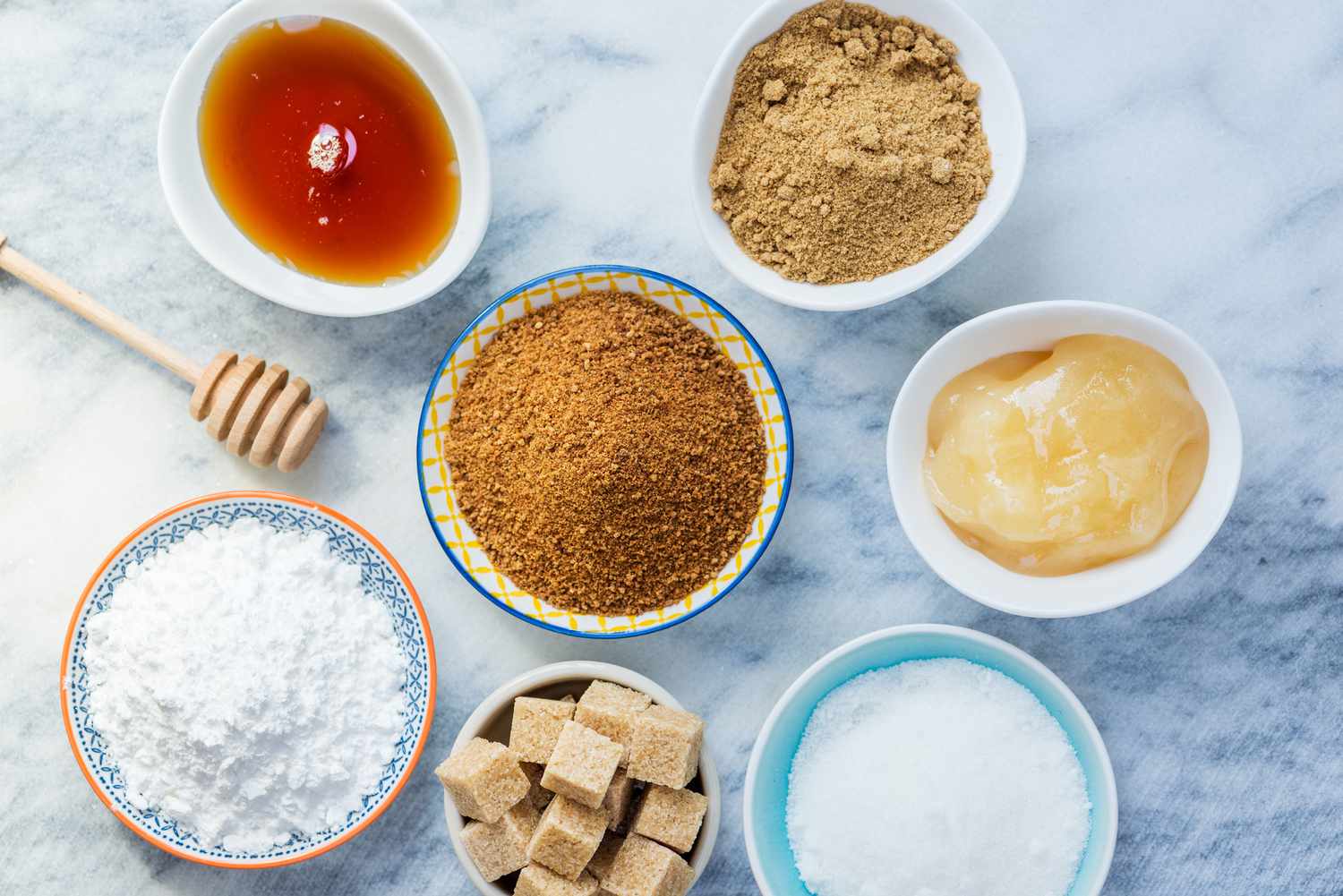
Recent research suggests that erythritol, a common artificial sweetener found in products like Truvia and Splenda, may pose health risks by damaging brain cells and increasing the risk of stroke and heart attack, prompting experts to recommend natural alternatives such as honey, maple syrup, and monk fruit. The study highlights the potential dangers of erythritol, especially for individuals consuming multiple sugar-free drinks daily, and emphasizes the importance of reading food labels and considering natural sweeteners for safer consumption.

"Stevia: The Natural Sugar Substitute"
health-and-wellness1 year ago

"Stevia: The Natural Sugar Substitute"

Stevia, a plant known for its intense sweetness, has been used for centuries as a natural sweetener. It is 200-300 times sweeter than sugar and has a low glycemic index, making it ideal for diabetics. Stevia also offers various health benefits, including weight loss support, anti-cancer properties, blood pressure reduction, and cholesterol improvement. In Nigeria, efforts are being made to promote its cultivation and use. Studies have shown that stevia can help manage diabetes, support weight loss, and potentially fight cancer.

"The Truth About Healthy Sugar: Fact or Fiction?"
health-and-nutrition2 years ago

"The Truth About Healthy Sugar: Fact or Fiction?"

Americans consume more than double the recommended amount of added sugars, with natural sweeteners like honey and maple syrup still counting as added sugars. While these natural sweeteners may have slightly lower glycemic indexes and contain some vitamins and minerals, they should still be limited in the diet. Instead, experts recommend obtaining sugar intake from naturally-occurring sources like whole fruits and milk, which also provide fiber, minerals, and vitamins. It's important to minimize the intake of added sugars commonly found in processed foods and focus on enjoying healthier sources of sugars for a balanced and healthy diet.

"Discover the Best Natural Sweeteners for a Healthier Lifestyle"
health-and-wellness2 years ago

"Discover the Best Natural Sweeteners for a Healthier Lifestyle"

Excessive sugar intake can lead to health issues, so turning to natural sweeteners can be a healthier alternative. Some natural sweeteners, like fruits, monk fruit extract, raw honey, pure maple syrup, coconut sugar, and blackstrap molasses, offer a sweet taste while providing important nutrients. These sweeteners are low in calories and fructose, and some even have antioxidant properties. However, it's important to be mindful of certain natural sweeteners, such as agave nectar, sugar alcohols, and high-fructose corn syrup, which may have adverse effects on health. Reducing sugar intake can be achieved by avoiding added sugar, swapping soda for water, reducing sugar in baking, using spices for flavor, and comparing nutrition labels for lower sugar options. Consulting a healthcare provider, like a registered dietitian, can provide further guidance on sugar alternatives and maintaining a healthy diet.

"Finding Sweet Satisfaction: Navigating Sugar and Artificial Sweeteners for Health and Weight Loss"
health-and-wellness2 years ago

"Finding Sweet Satisfaction: Navigating Sugar and Artificial Sweeteners for Health and Weight Loss"

Israeli companies are developing innovative solutions to reduce sugar consumption and provide healthier alternatives to artificial sweeteners. Incredo Sugar by DouxMatok allows manufacturers to use 30 to 50 percent less sugar without sacrificing sweetness. CarobWay offers a low glycemic index sweetener derived from carob fruit, which promotes wellbeing and has a mild caramel flavor. Ambrosia Bio aims to produce allulose, a naturally sweet carbohydrate, from low-cost feedstock using an enzyme catalyst. Better Juice has developed sugar-reduction beads that convert juice sugars into non-digestible fibers, reducing simple sugar content by up to half. Amai Proteins has created a mass-market sugar substitute made from sweet proteins found in the jungle, while Sante from Lycored is a tomato-derived concentrate that enhances taste and reduces the need for added sugar and salt in food products. Additionally, Sweet Victory chewing gum uses a natural botanical to curb sugar cravings, and Fruitlift from Gat Foods replaces table sugar in breakfast cereals with a natural liquid composed of 90% fruit components.

The Surprising Truth About Sugar and Weight Loss, Explained by Nutritionists
health-and-wellness2 years ago

The Surprising Truth About Sugar and Weight Loss, Explained by Nutritionists

While excessive consumption of added sugars can lead to weight gain and health problems, natural sugars found in fruits and milk can be beneficial when consumed as part of a balanced diet. Among these, cane sugar is a more nutrient-retaining option compared to highly processed sugars. Fitness expert Korin Sutton recommends cane sugar as a healthier alternative, along with other natural sweeteners like coconut sugar and erythritol. However, moderation remains key even with healthier sugar choices to avoid health concerns.

The Sweet Truth: Natural vs. Artificial Sweeteners
health-and-wellness2 years ago

The Sweet Truth: Natural vs. Artificial Sweeteners

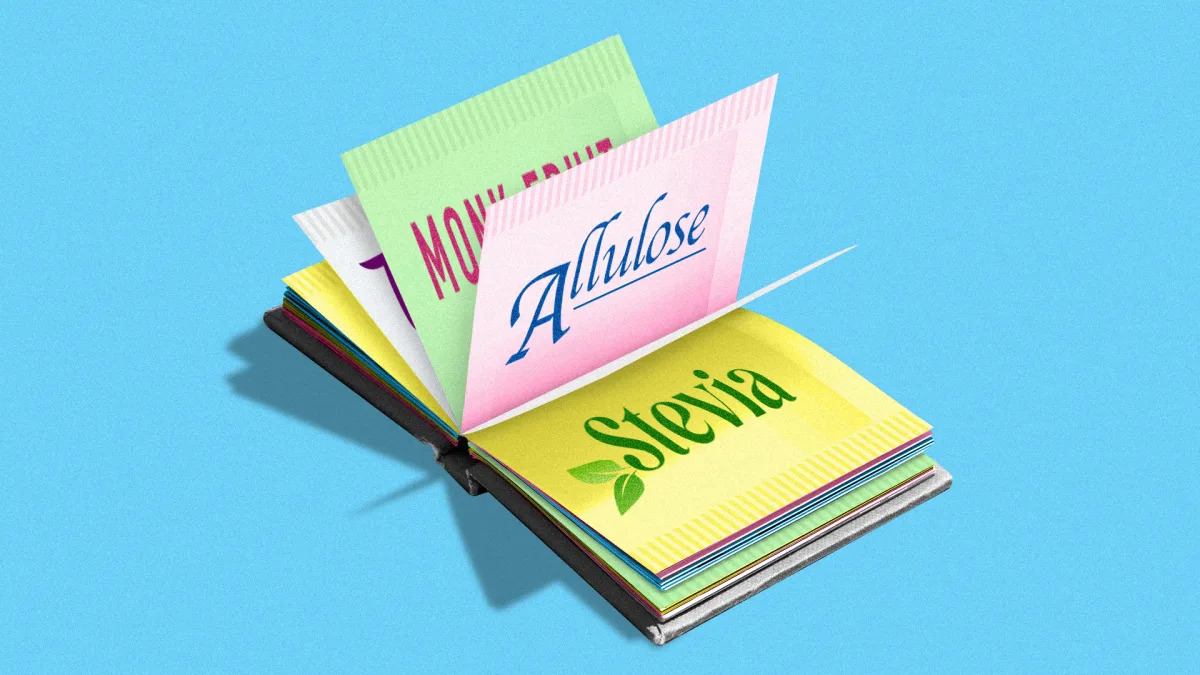
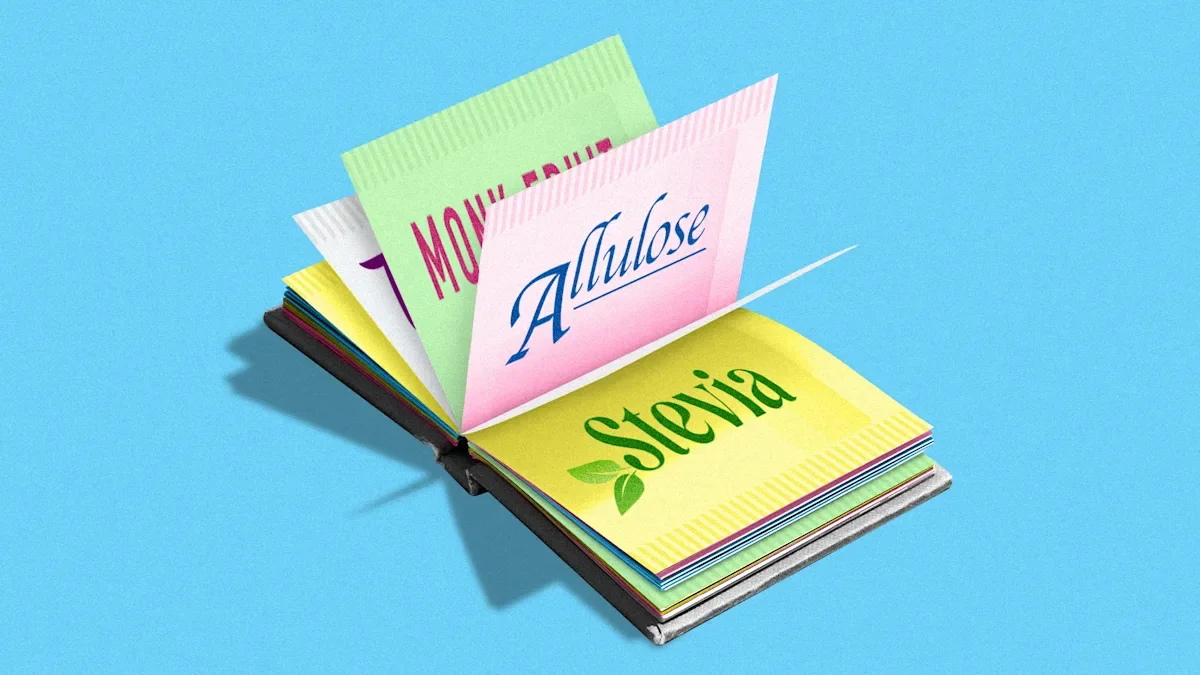
The debate over whether natural sweeteners are better than artificial sweeteners continues. Natural sweeteners like allulose, monk fruit, stevia, and tagatose offer alternatives to artificial sweeteners and white table sugar. Allulose is a low-calorie sweetener derived from fructose, while monk fruit is a noncaloric sweetener made from mogrosides. Stevia, derived from the stevia plant, is calorie-free but has some restrictions on its use. Tagatose, derived from lactose, has minimal impact on blood sugar levels. While natural sweeteners may have fewer potential health risks, it's important to use them in moderation and consider individual needs and goals.

The Sweet Truth: Natural vs. Artificial Sweeteners
health-and-wellness2 years ago

The Sweet Truth: Natural vs. Artificial Sweeteners

The debate over whether natural sweeteners are better than artificial sweeteners continues. Natural sweeteners like allulose, monk fruit, stevia, and tagatose offer alternatives to artificial sweeteners and white table sugar. Allulose is a low-calorie sweetener derived from fructose, while monk fruit is a noncaloric sweetener made from mogrosides. Stevia, derived from the stevia plant, is calorie-free but has some restrictions on its use. Tagatose, derived from lactose, has minimal impact on blood sugar levels. While natural sweeteners may have fewer potential health risks, it's important to use them in moderation and consider individual needs and goals.

health2 years ago

Stop Slowing Your Metabolism: Ditch the Coffee-Only Breakfast.

Health experts warn that sugary cereal, such as Fruit Loops, Cocoa Puffs, and Frosted Flakes, is one of the worst options for overall health and can even slow down metabolism over time. Cereals are high in added sweeteners, which can lead to weight gain and cravings for sweet foods throughout the day. Instead, it's recommended to choose whole grains and fibrous foods over processed options like sugary cereal, such as making your own granola with natural sweeteners or opting for whole wheat toast, fruit, or oatmeal.

health2 years ago

Stop Eating This Food to Boost Your Metabolism.

Health experts warn that sugary cereal, such as Fruit Loops, Cocoa Puffs, and Frosted Flakes, is one of the worst options for overall health and can even slow down metabolism over time. Cereals are high in added sweeteners, which can lead to weight gain and cravings for sweet foods throughout the day. Instead, it's recommended to choose whole grains and fibrous foods over processed options like sugary cereal, such as making your own granola with natural sweeteners or opting for whole wheat toast, fruit, or oatmeal.

WHO warns against non-sugar sweeteners for weight loss and health risks.
health2 years ago

WHO warns against non-sugar sweeteners for weight loss and health risks.

The World Health Organization (WHO) has updated its guidance on weight management, recommending against using non-sugar sweeteners. The WHO found that using artificial sweeteners to manage weight does not have any long-term benefit in reducing fat in adults and children. Worse, the review found that non-sugar sweeteners increase the risk of type 2 diabetes, cardiovascular diseases and mortality in adults. The WHO recommends replacing free sugars with natural sweeteners like fruit as a preferred alternative.

Transform Your Body by Cutting Out These 3 Processed Ingredients, Say Dietitians.
health2 years ago

Transform Your Body by Cutting Out These 3 Processed Ingredients, Say Dietitians.

Registered dietitian Rebecca Novak recommends avoiding processed ingredients like refined sugars, trans fats, and artificial sweeteners, which have been linked to weight gain and chronic health conditions. Instead, she suggests using natural sweeteners like honey and opting for whole grains and healthy oils. Novak also emphasizes the importance of eating more fruits and vegetables, drinking enough water, reducing stress levels, getting enough sleep, and exercising regularly to achieve weight loss and long-term health goals.

Avoid This Ingredient in Protein Bars for Weight Loss Success
health3 years ago

Avoid This Ingredient in Protein Bars for Weight Loss Success

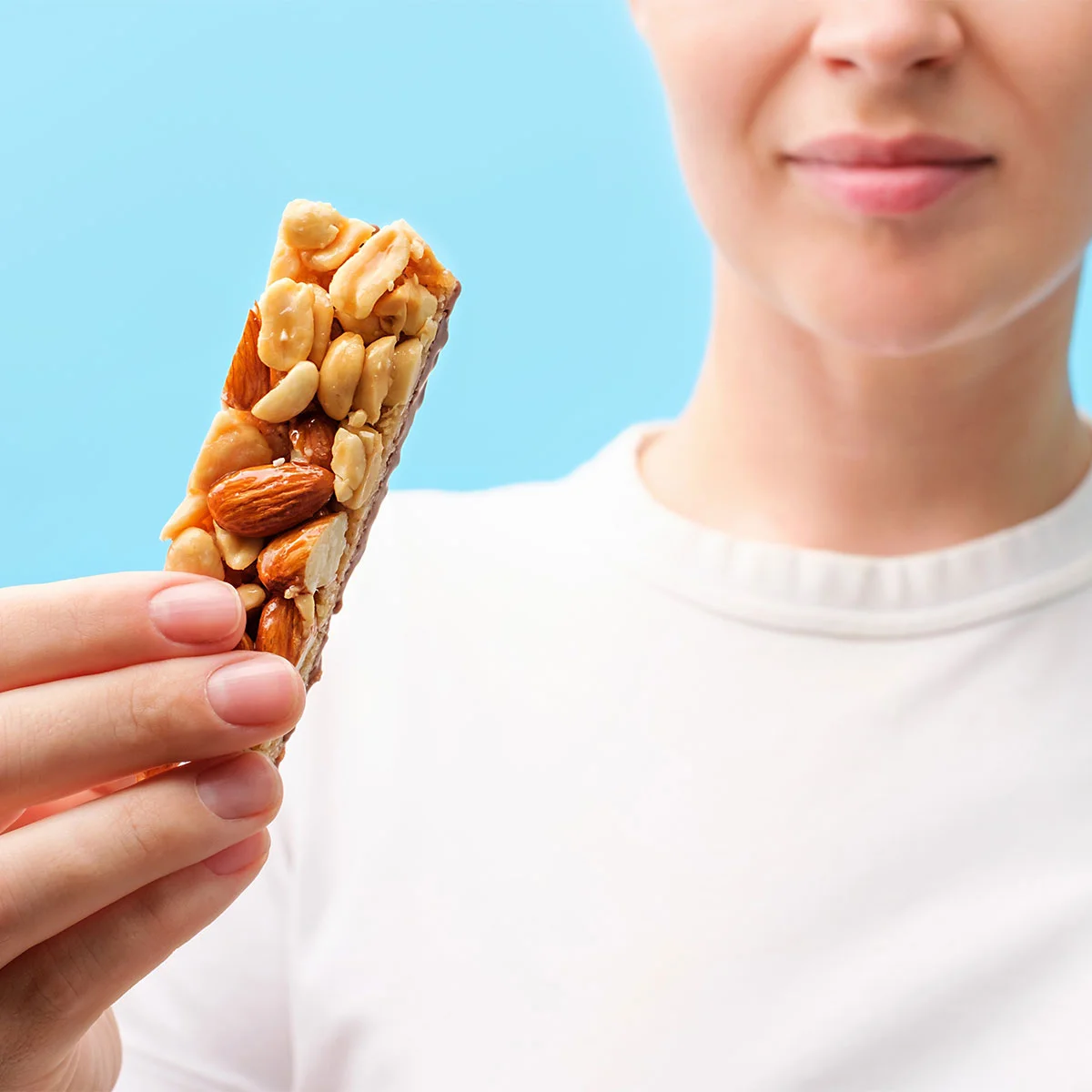
Registered dietitian Trista Best warns that added sugar is an unnecessary ingredient in protein bars that can be detrimental to health and weight loss. Many protein bars on the market are marketed as healthy snacks or meal replacements, but they often contain high amounts of added sugar, which can contribute to weight gain, inflammation, and an increased risk of chronic diseases such as type 2 diabetes, heart disease, and certain cancers. When choosing a protein bar, it's important to read the nutrition label and ingredient list carefully and opt for bars that are low in added sugar and instead contain natural sweeteners like dates, honey, or maple syrup in small amounts, and are high in protein and fiber, and made with whole food ingredients such as nuts, seeds, and fruits.