Tag

National Institutes Of Health

All articles tagged with #national institutes of health

healthtech1 year ago

"AI-Enhanced Imaging Revolutionizes Retinal Analysis with 100X Speed and Superior Quality"

Researchers at the National Institutes of Health have utilized artificial intelligence (AI) to significantly improve the speed and quality of retinal cell imaging, making it 100 times faster and enhancing image contrast 3.5-fold. By integrating AI with adaptive optics optical coherence tomography (AO-OCT), they have developed a deep learning algorithm called P-GAN, which successfully de-speckles images of the retinal pigment epithelium (RPE) cells, reducing imaging acquisition and processing time by about 100-fold. This advancement provides a better tool for evaluating age-related macular degeneration (AMD) and other retinal diseases, potentially revolutionizing clinical imaging and research in the field.

healthtech1 year ago

"Revolutionizing Retinal Imaging: AI Speeds Up Process 100-Fold"

Researchers at the National Institutes of Health have utilized artificial intelligence (AI) to significantly improve the speed and quality of retinal imaging, making it 100 times faster and enhancing image contrast 3.5-fold. By integrating AI with adaptive optics optical coherence tomography (OCT), the new method, called parallel discriminator generative adverbial network (P-GAN), successfully de-speckles retinal pigment epithelium (RPE) images, providing a better tool for evaluating age-related macular degeneration and other retinal diseases. This advancement is expected to make AO imaging more accessible for routine clinical applications and studies aimed at understanding blinding retinal diseases.

politics1 year ago

"Medical Studies: No Physical Evidence of Brain Injury in Havana Syndrome Cases"

New studies by the National Institutes of Health found no evidence of brain injury in scans or blood markers of diplomats and spies who suffered symptoms of Havana syndrome, aligning with U.S. intelligence agencies' conclusions that the symptoms are likely due to environmental factors, existing medical conditions, or stress rather than a hostile foreign power's actions. However, these findings contradict previous research from the University of Pennsylvania, and Dr. David Relman, a scientist with access to classified files, criticized the new studies, suggesting that brain injuries may be difficult to detect and not ruling out the possibility of an external force causing the injuries.

health1 year ago

"NIH Study Reveals Atypical Brain Wiring in Kids with ADHD"

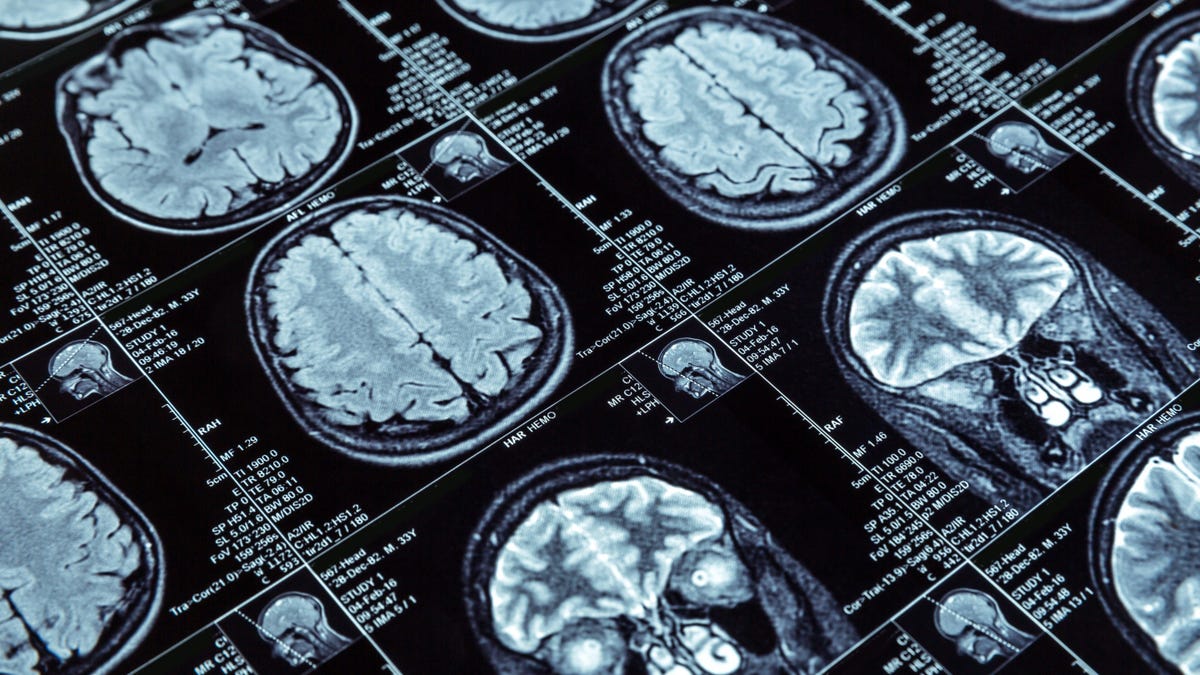
A national study by the National Institutes of Health has found that children with ADHD have more wiring in their brains, making it harder for their brains to send clear signals about tasks like following instructions or sitting still. The study used over 10,000 brain scans from six different datasets and found that children with ADHD have hyperconnected wiring in specific brain regions, making it harder for them to control impulsive behaviors and attention. The findings provide insight into the brain circuitry of children with ADHD and may help in understanding and potentially treating the disorder.

health1 year ago

"Frequent Cannabis Use Tied to Higher Risk of Heart Attack and Stroke, Study Finds"

A study funded by the National Institutes of Health found that frequent cannabis smoking, particularly through daily use, is associated with a 25% increased likelihood of heart attack and a 42% increased likelihood of stroke compared to non-use. Even less frequent use showed increased risks. The study, using data from nearly 435,000 American adults, suggests that cannabis use, especially smoking, may be an underappreciated risk factor for cardiovascular disease, potentially due to the release of toxins similar to those found in tobacco smoke and the widespread presence of endocannabinoid receptors in the body's cardiovascular tissues. The study highlights the importance of considering cannabis use in routine medical exams to better understand its long-term effects on the body.

health1 year ago

"Uncovering Biological Hallmarks: Insights into Chronic Fatigue Conditions"

A major new study led by the National Institutes of Health has uncovered potential key differences in the brains and immune systems of people with myalgic encephalomyelitis/chronic fatigue syndrome (ME/CFS) compared to healthy controls. The findings could lead to future treatments for the debilitating condition, which is characterized by long-term fatigue, post-exertional malaise, and sleep problems. The study, published in Nature Communications, suggests that ME/CFS may have a physiological basis, providing important clues to the condition's underlying causes and potential treatment targets.

health-and-nutrition1 year ago

Rapid Immune System Impact of Vegan and Ketogenic Diets

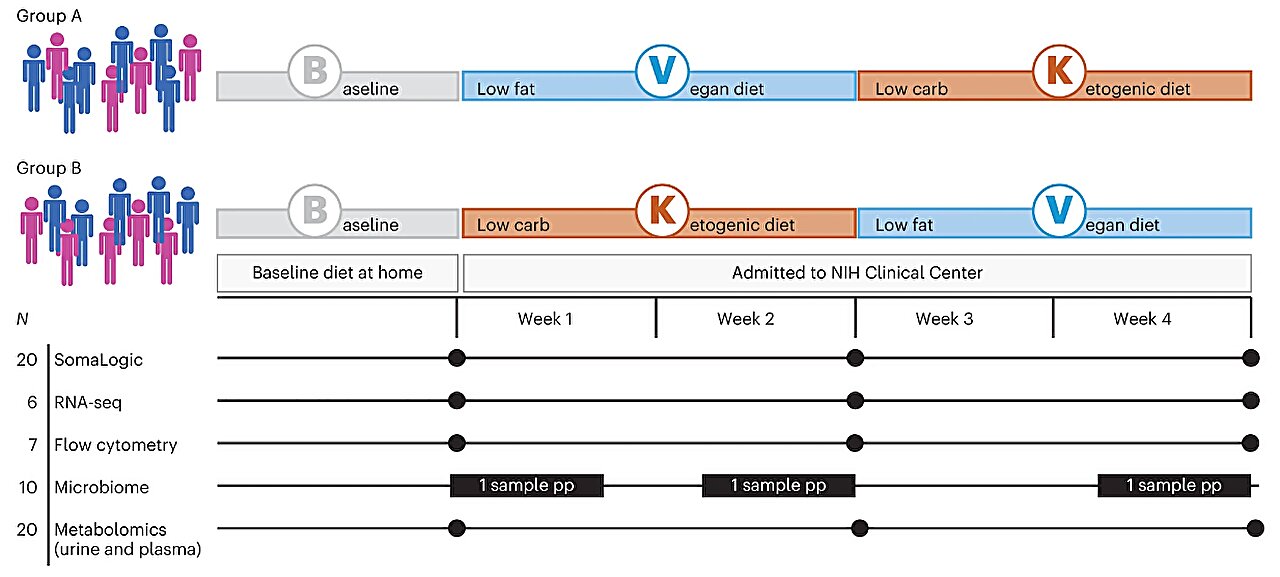
A study by the National Institutes of Health found that switching to a vegan or ketogenic diet rapidly and distinctly impacts the immune system. The vegan diet prompted responses linked to innate immunity, while the keto diet prompted responses associated with adaptive immunity. Metabolic changes and shifts in the participants' microbiomes were also observed. More research is needed to determine the implications of these changes on nutritional interventions for diseases such as cancer or inflammatory conditions.

health2 years ago

"CBT Rewires Anxious Children's Brains: Study Reveals Impact on Brain Activity"

Researchers at the National Institutes of Health found that unmedicated children with anxiety disorders showed overactivation in various brain regions, including the frontal and parietal lobes and the amygdala, which improved after receiving cognitive behavioral therapy (CBT). The study, published in the American Journal of Psychiatry, revealed that CBT led to significant decreases in anxiety symptoms and improved brain functioning in children with anxiety. However, some brain regions, particularly limbic areas, continued to show higher activity even after treatment, suggesting the need for further research to enhance treatment outcomes for children with anxiety.

health2 years ago

"Paxlovid: Understanding the Covid Treatment Option"

Paxlovid, an antiviral medication, has been found to significantly reduce the risk of death in high-risk Covid-19 patients. It consists of two medications that work together to stop the virus from replicating in the body. Anyone 12 or older who is considered high-risk, which includes a broad range of conditions, is a good candidate for Paxlovid. Despite its effectiveness, few people are taking the medication, possibly due to lack of awareness or concerns about potential rebound cases of Covid-19.

healthcare2 years ago

"Challenges in Accessing Affordable Residential Addiction Treatment for Adolescents"

A study supported by the National Institutes of Health found that access to residential addiction treatment for adolescents in the United States is limited and expensive, with only about half of the facilities having immediate bed availability and an average daily cost of $878. Additionally, only seven states had facilities that accepted Medicaid, had an open bed the same day, and offered buprenorphine. The study highlights the challenges in accessing timely, affordable, and evidence-based care for adolescents with substance use disorders, emphasizing the need for systems-level changes to ensure effective and affordable treatment options.

health2 years ago

Controversial Alcohol Study Scientists May Shape U.S. Drinking Guidelines

Two researchers with ties to the alcohol industry, Dr. Kenneth Mukamal and Dr. Eric Rimm from Harvard, who were involved in a discredited alcohol study, have been nominated to a committee that will review the health evidence on alcohol consumption and update the U.S. government's guidelines. The appointments have sparked outrage among public health researchers who are concerned about industry bias. The discredited study was halted after it was revealed that officials from the National Institute on Alcohol Abuse and Alcoholism had solicited $60 million from alcohol manufacturers for the research. The new panel will review the relationship between drinking and various health issues, including obesity, cancer, heart disease, cognitive health, and all-cause mortality.

health2 years ago

12% Calorie Reduction: The Key to Slowing Aging and Boosting Health

New research from the National Institutes of Health suggests that cutting calories by just 12% a day, which equates to a reduction of just over 400 calories, can lead to improved health and even slow down the aging process. This study highlights the potential benefits of making modest changes to our diet and underscores the importance of calorie reduction for overall well-being.

health2 years ago

Monica Bertagnolli, M.D., appointed as new NIH leader

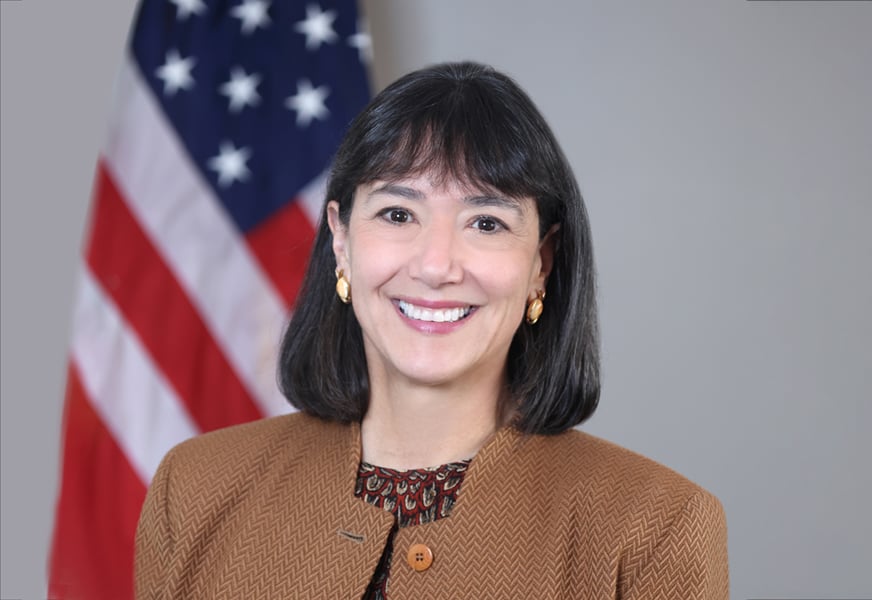
Monica M. Bertagnolli, M.D., has become the 17th director of the National Institutes of Health (NIH), making her the first surgeon and second woman to hold the position. Nominated by President Biden and confirmed by the U.S. Senate, Dr. Bertagnolli previously served as the director of the National Cancer Institute. Her key priorities as NIH director include increasing diversity in clinical trials, leveraging commonalities across diseases for cross-cutting research, and restoring trust in science. Dr. Bertagnolli aims to ensure equitable access to healthcare and inspire the next generation of doctors and scientists.

politicshealthcare2 years ago

Monica Bertagnolli Confirmed as NIH Director by Senate

The Senate has confirmed Dr. Monica M. Bertagnolli, a cancer surgeon and current leader of the National Cancer Institute, as the next director of the National Institutes of Health (NIH), despite opposition from Senator Bernie Sanders. Dr. Bertagnolli will become only the second woman to lead the NIH on a permanent basis. She takes over an agency that has faced political attacks and accusations of downplaying the possibility of a lab leak as the origin of Covid-19. Dr. Bertagnolli has promised to make any data on the subject available to the public.

health2 years ago

RFK Jr. Calls for Pause in Infectious Disease Research at NIH

Robert F. Kennedy Jr., known for his anti-vaccine stance, stated at a conference that if he were elected president, he would redirect the National Institutes of Health (NIH) away from covering infectious disease outbreaks like COVID-19 and measles, and instead focus on chronic diseases. Kennedy's remarks were made at a conference for Children's Health Defense, an anti-vaccine organization he previously led. The organization blocked an NBC reporter from attending the conference due to her past reporting on the group.