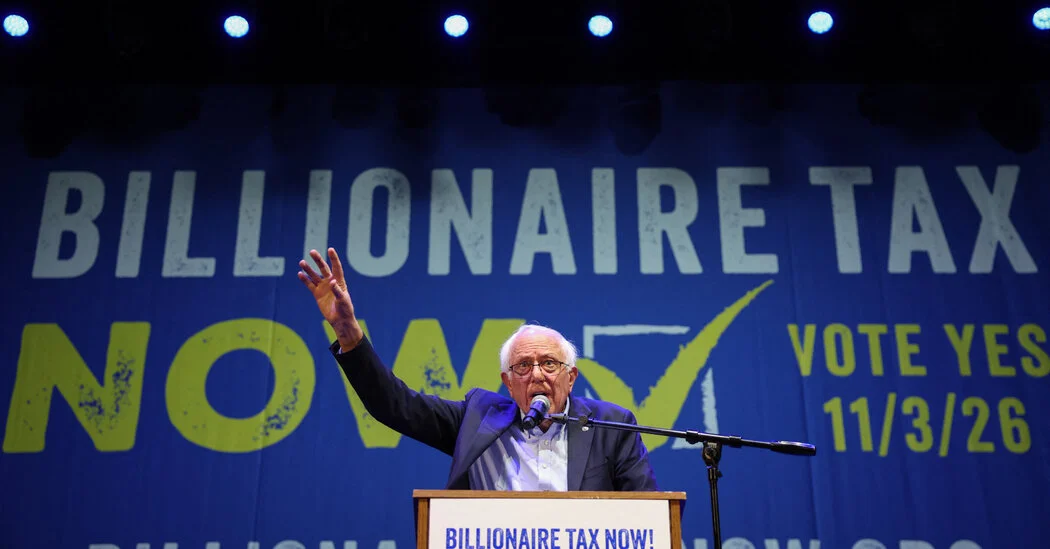
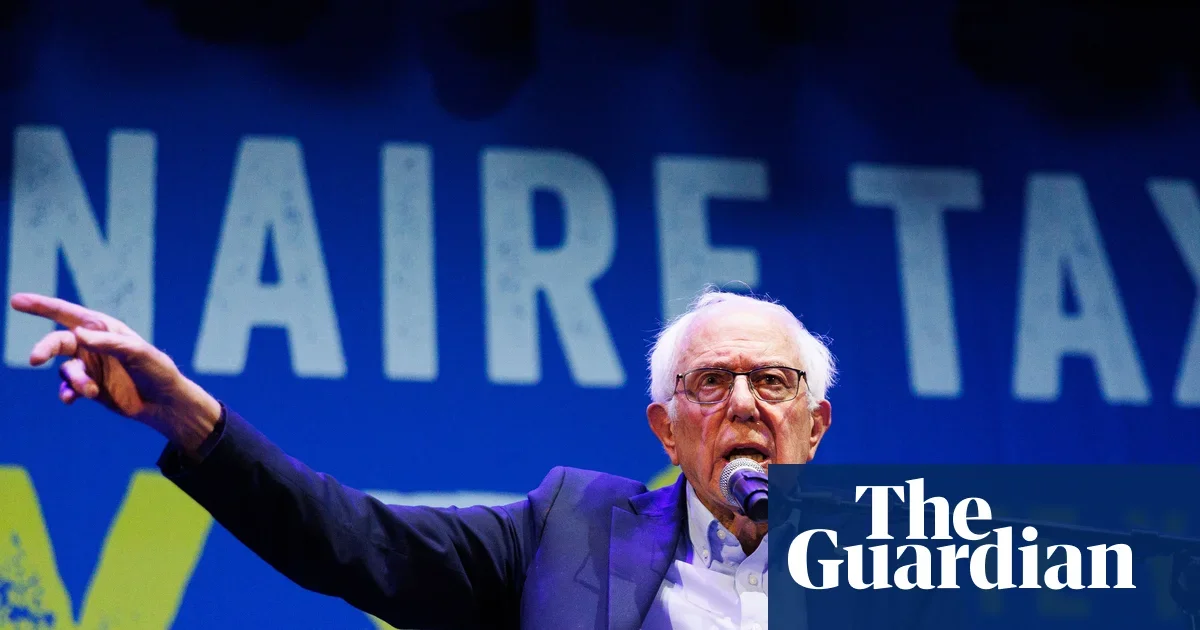
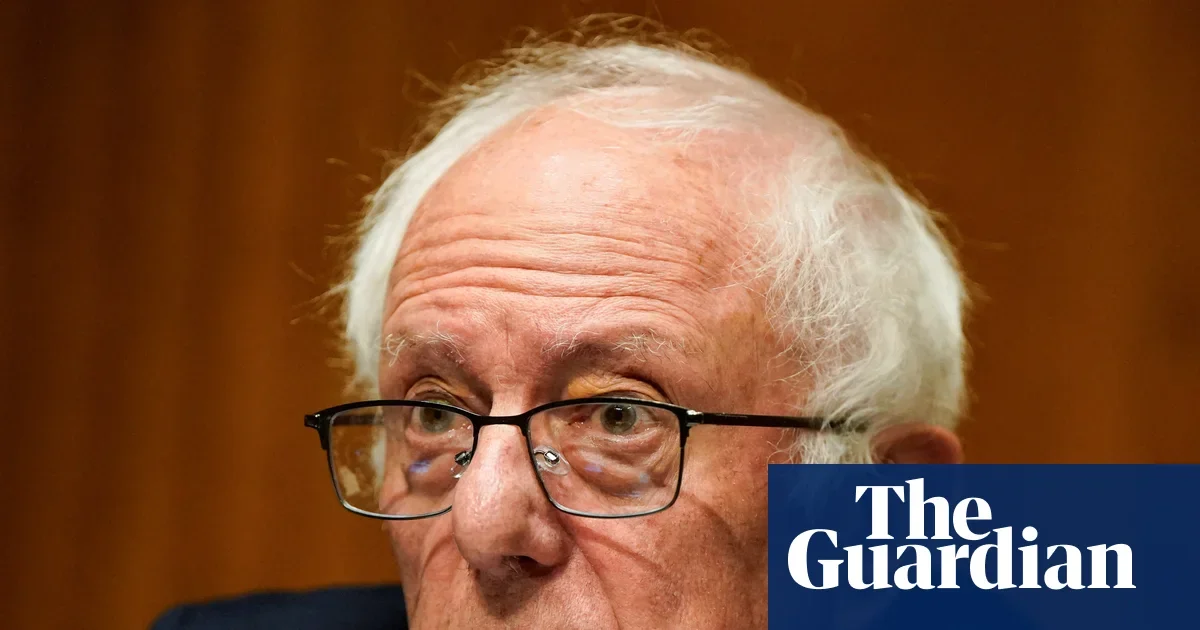
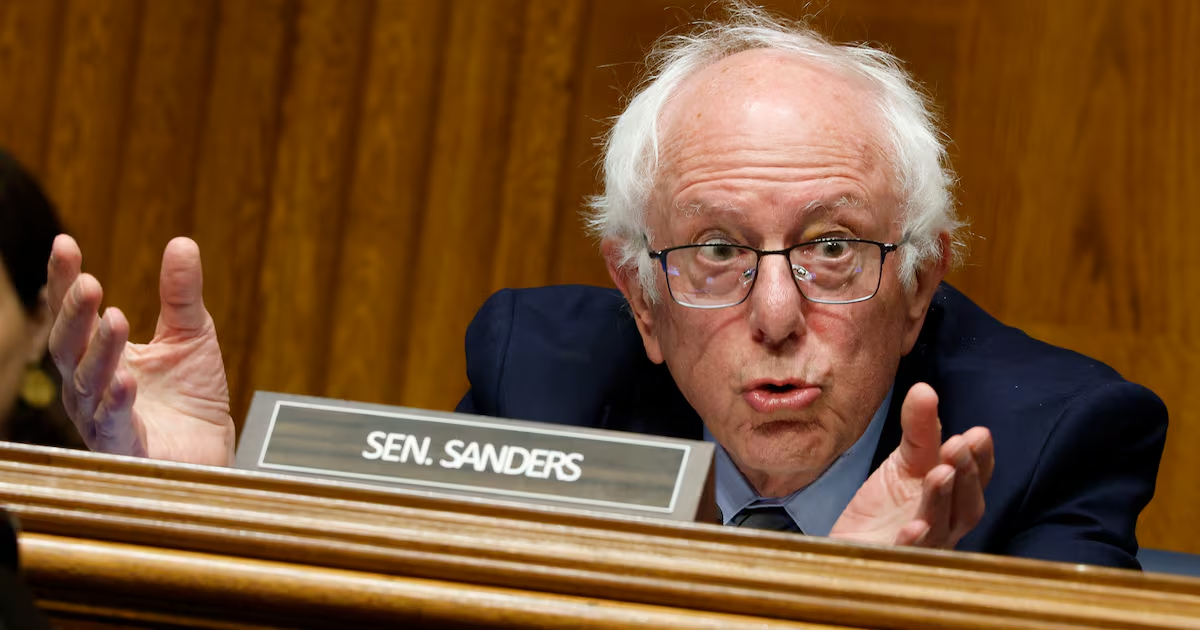
Senator Bernie Sanders spoke in Los Angeles to back a California ballot measure taxing billionaires to fund healthcare, delivering populist warnings about income inequality and corporate power; the event, organized by a health care union, formally kicked off the campaign to put the tax proposal on the ballot.
Sen. Bernie Sanders headlined a Los Angeles rally backing a proposed California wealth tax on billionaire assets—an initiative that could reach November’s ballot—pitting Sanders against Gov. Gavin Newsom and major business groups. The SEIU-UHW-backed measure would impose a one-time 5% tax on billionaire wealth to fund public services, but opponents warn it could drive wealthy residents away and reduce state revenue, a dynamic fueling a broader Democratic debate as Morello performed and protesters urged action.
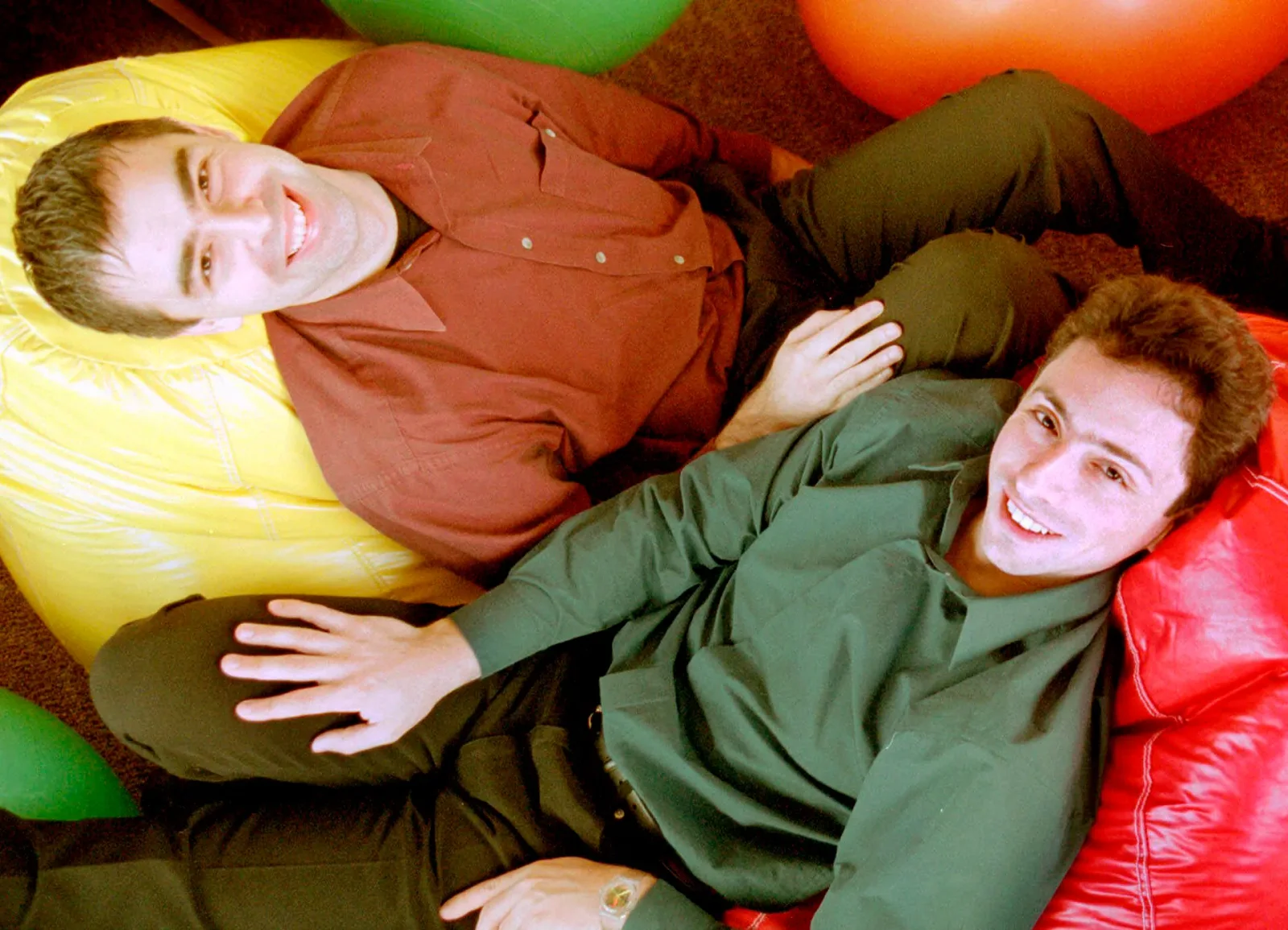
Bernie Sanders urged California voters to approve a one-time 5% wealth tax on assets above $1 billion to offset federal health and education cuts, arguing it would curb oligarchic power and reinforce democracy. The proposal, backed by SEIU-UHW, faces strong opposition from Gov. Gavin Newsom and tech leaders like Sergey Brin who are funding countermeasures. Organizers are gathering signatures to put the measure on the November ballot; if approved, the tax would retroactively apply to wealth in 2025 and affect about 200 residents, with the nonpartisan LAO noting potential tens of billions in revenue but significant uncertainty if wealthy residents depart. A January poll shows about 48% support, 38% oppose, and 14% undecided, underscoring the proposal’s political risk in deep-blue California.
California debates a one-time 5% tax on assets over $1 billion to cover Medi-Cal costs lost to federal Medicaid cuts (OBBBA), while opponents warn it could drive billionaires out and weaken the economy; supporters view it as a needed fix for wealth inequality, with signature drives and a high-stakes November vote amid a broader political and business backlash.
A proposal to levy a hefty tax on California’s billionaires has fractured the Democratic coalition, with U.S. Sen. Bernie Sanders and California Gov. Gavin Newsom emerging as adversaries over how to tax the ultra-rich.
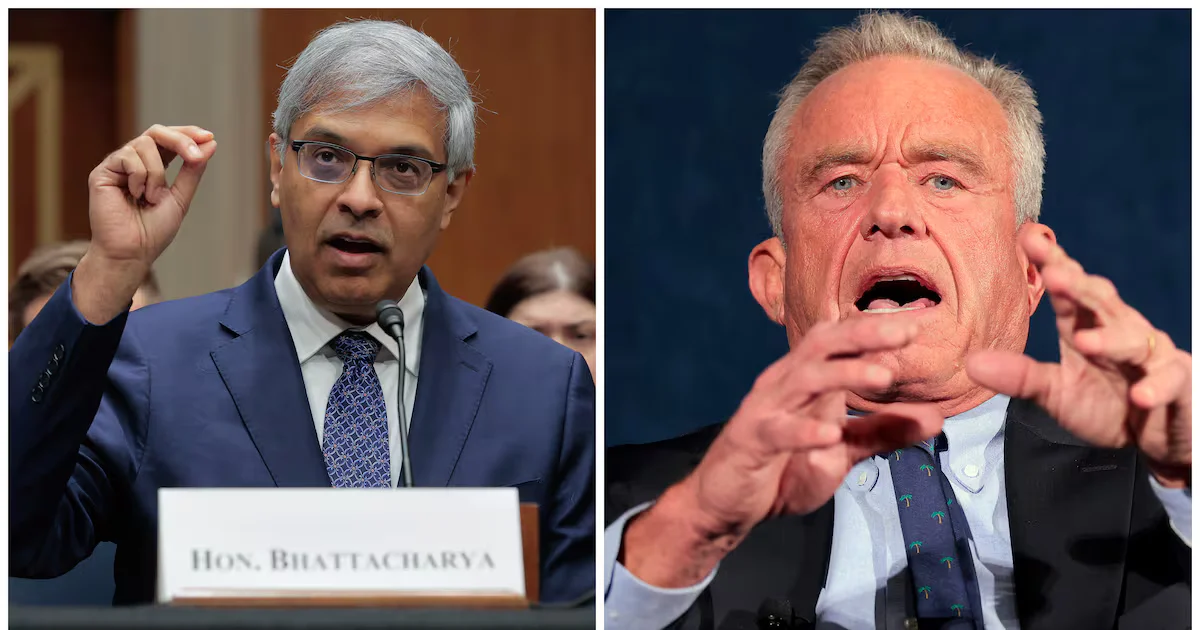
At a Senate hearing, NIH Director Jay Bhattacharya testified that vaccines do not cause autism, saying he has not seen any study proving a single vaccine triggers autism — a stance that contrasts with HHS Secretary RFK Jr.'s anti-vax positions and his overhaul of autism-research panels. Bhattacharya also emphasized that vaccines remain the best tool to address measles outbreaks.
US Senator Bernie Sanders criticizes AI as a highly consequential technology that could threaten jobs and mental health, calling for a slowdown in AI development and regulation, while highlighting concerns about the motives of tech billionaires and the impact on society, especially minors.
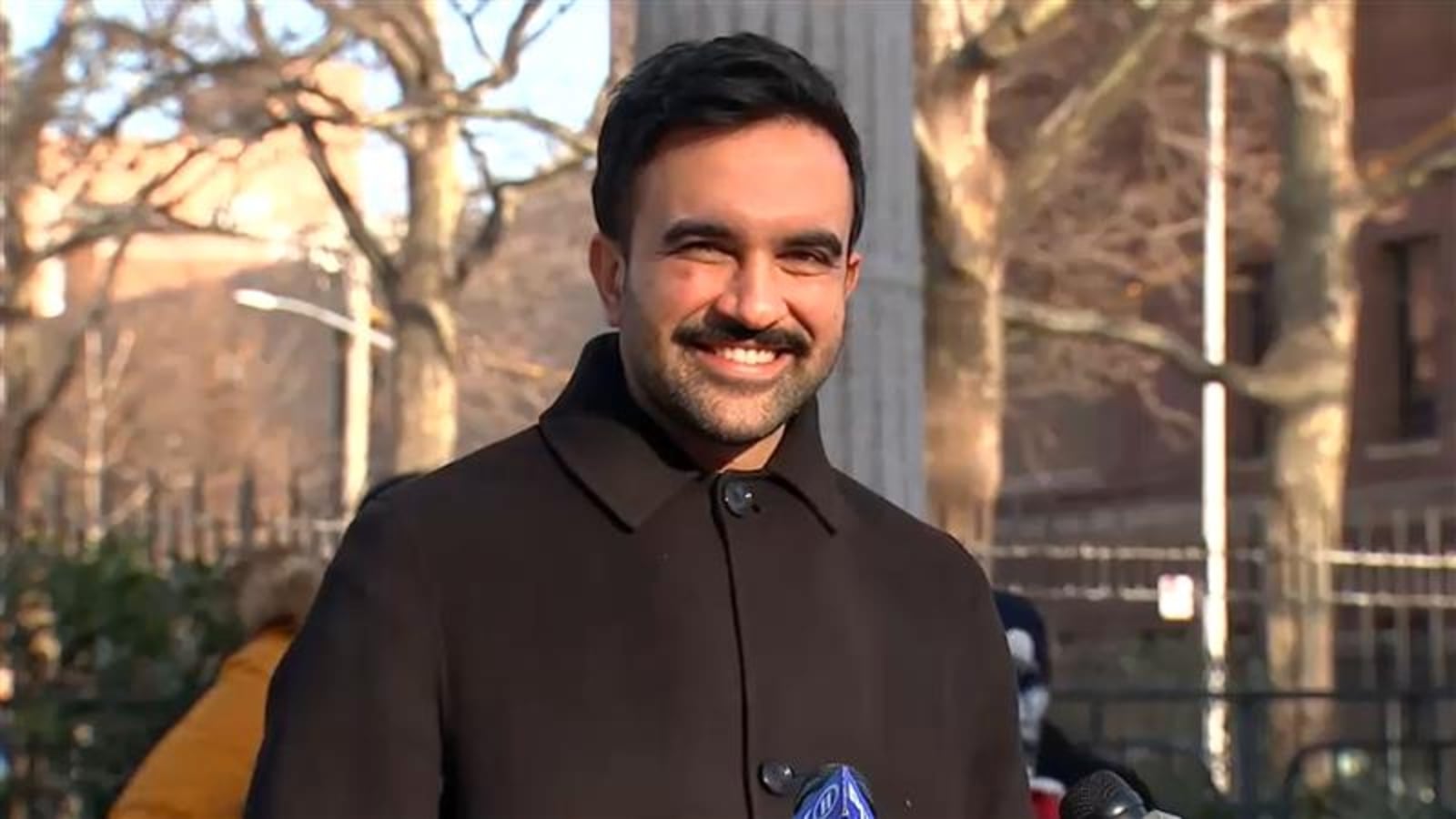
Zohran Mamdani will be sworn in as New York City mayor on January 1 with a two-part ceremony involving Attorney General Letitia James and Senator Bernie Sanders, followed by a citywide block party. The event emphasizes public participation and diversity, amid discussions about the composition of Mamdani's transition advisory committee and concerns raised by the ADL regarding some members' past associations.
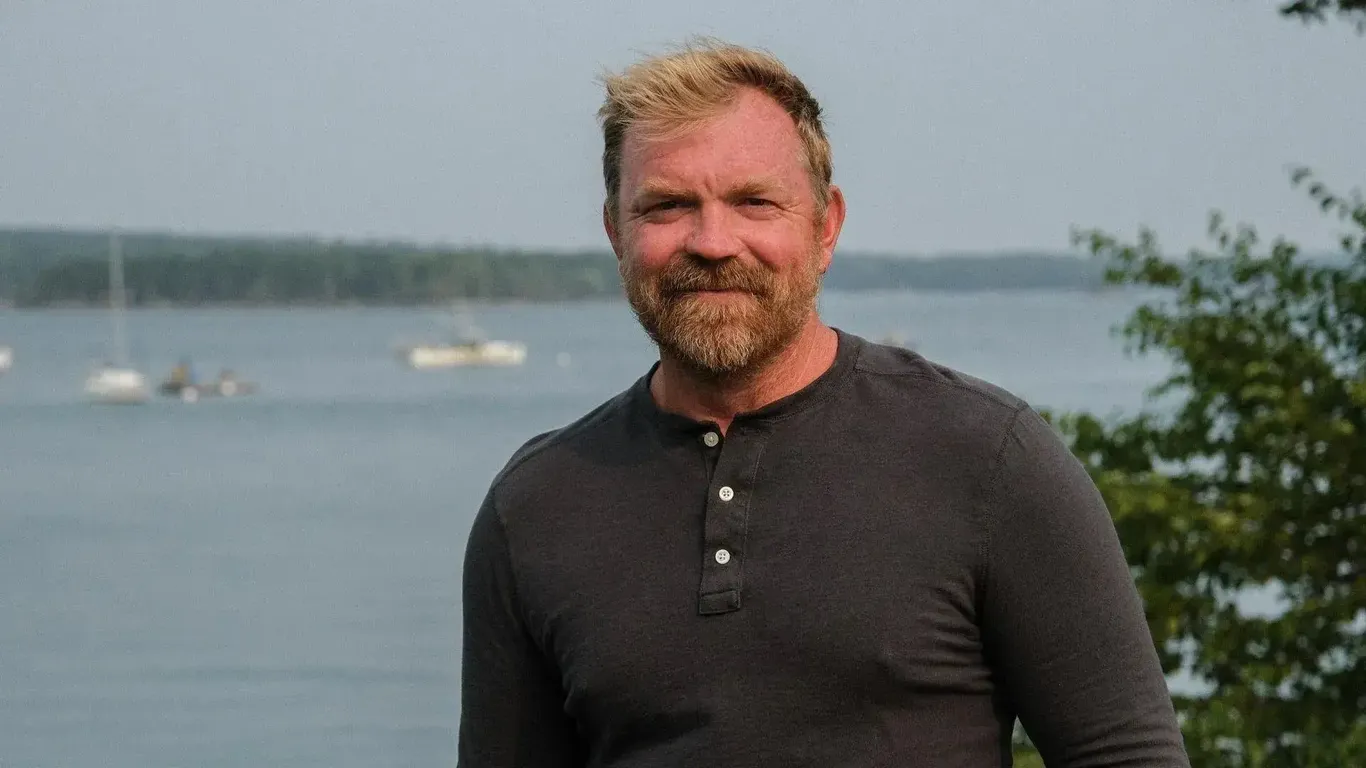
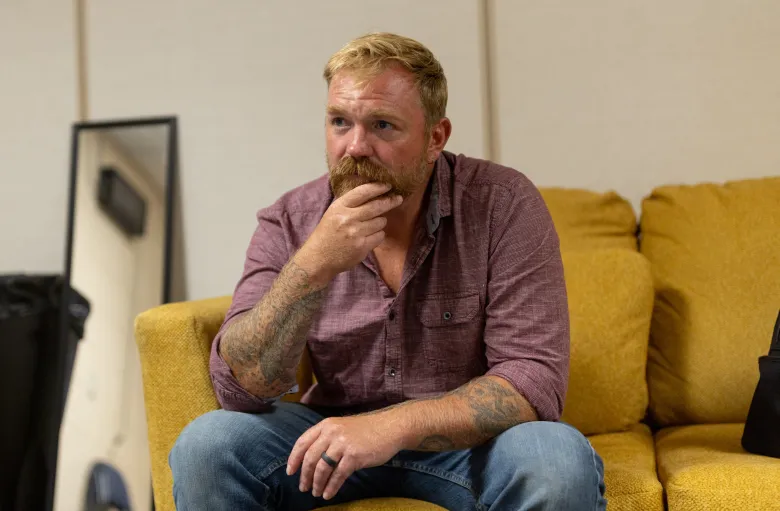
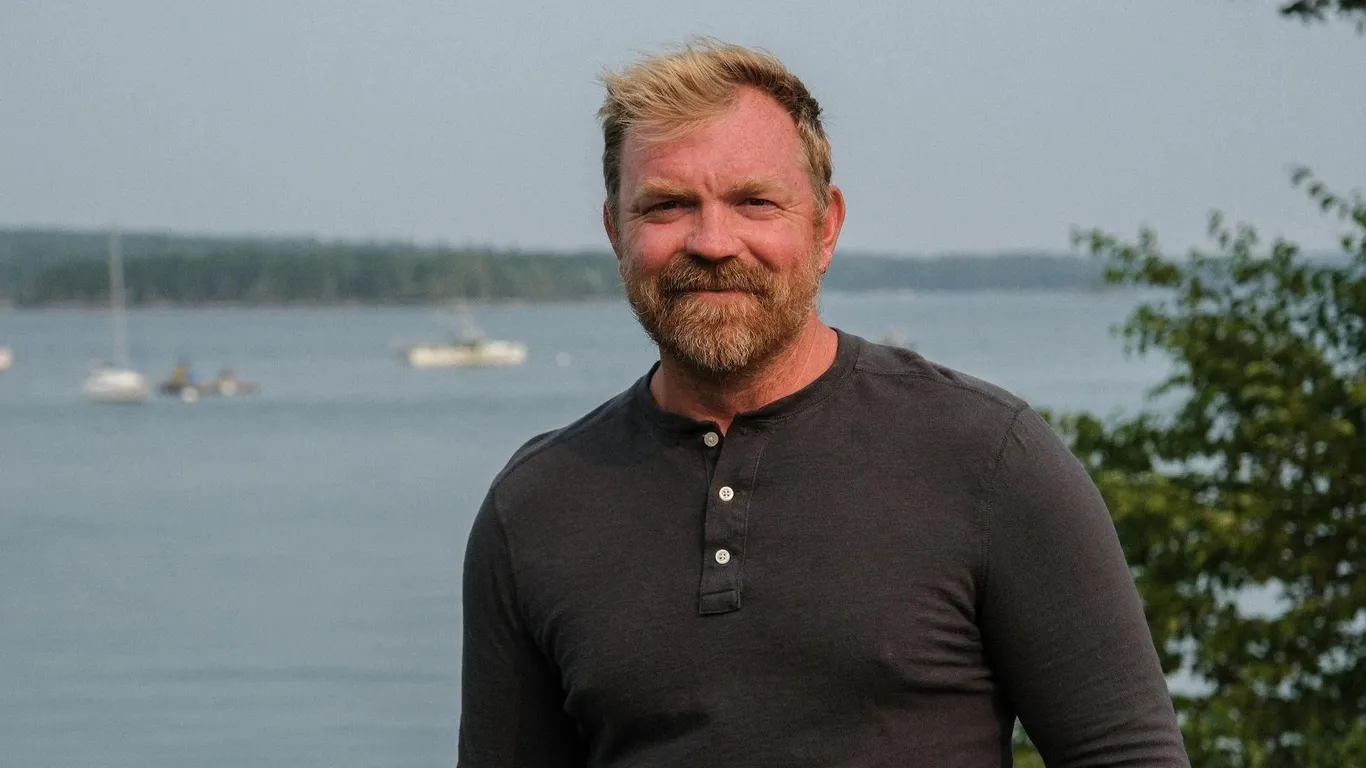
Maine Democratic Senate candidate Graham Platner addressed allegations of having a Nazi symbol tattoo, claiming it was a skull tattoo obtained while in Croatia and not a Nazi symbol. The controversy arose amid resurfaced offensive Reddit posts and opposition scrutiny, with some political figures criticizing his past comments and the tattoo's implications. Platner apologized for his Reddit posts, attributing them to a difficult period after overseas service, while some Democrats continued to support him.
Graham Platner, a Democratic candidate for Maine Senate, disclosed he has a Nazi-linked tattoo, which he plans to remove after learning of its symbolism, amid ongoing campaign controversies including past offensive comments. Bernie Sanders continues to support him despite the revelations.
Maine Senate candidate Graham Platner, backed by Bernie Sanders, faces a campaign crisis after old offensive online comments surfaced, leading to his campaign's turmoil and questions about his experience and vetting.
The US government shutdown continues as Senate votes on funding bills fail, with progressives like Bernie Sanders and AOC rejecting Republican promises of healthcare subsidies without legislative guarantees, amid ongoing political standoff and federal worker hardships.
Vermont Senator Bernie Sanders proposes a 'robot tax' on large corporations to redistribute wealth and support workers impacted by AI automation, addressing concerns over potential massive job losses and the widening productivity-wage gap. The idea is akin to a universal basic income, aiming to ensure economic fairness as AI advances.
A Senate Democrats report warns that AI could eliminate over 100 million jobs in the next decade, with significant impacts on various industries, and criticizes the role of billionaires and tech CEOs in driving automation for profit, proposing policies like a robot tax and shorter workweeks to address the disruption.