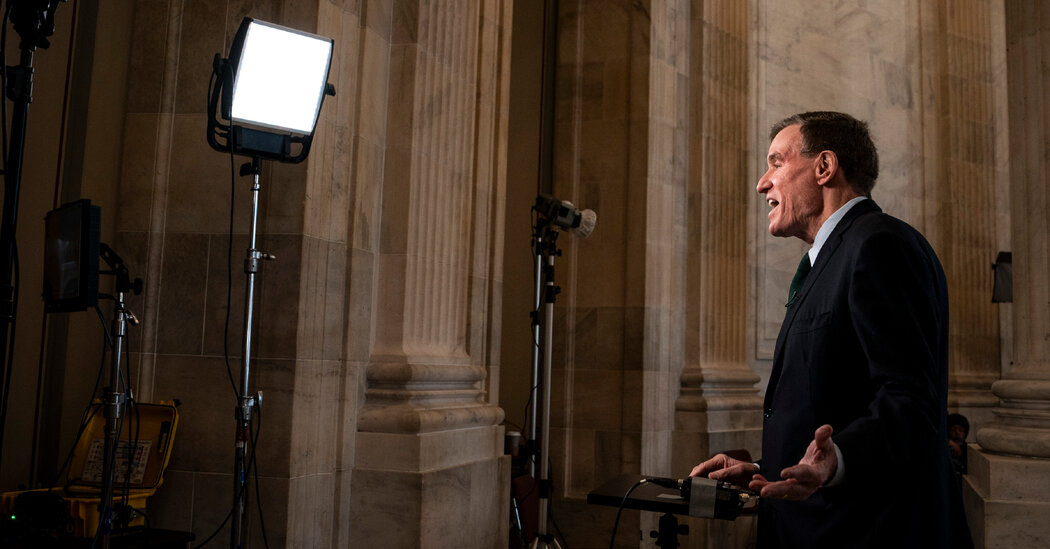
Senator Mark Warner accused the Trump administration of politicizing intelligence agencies, undermining their independence, morale, and trust, which he warns could threaten national security.
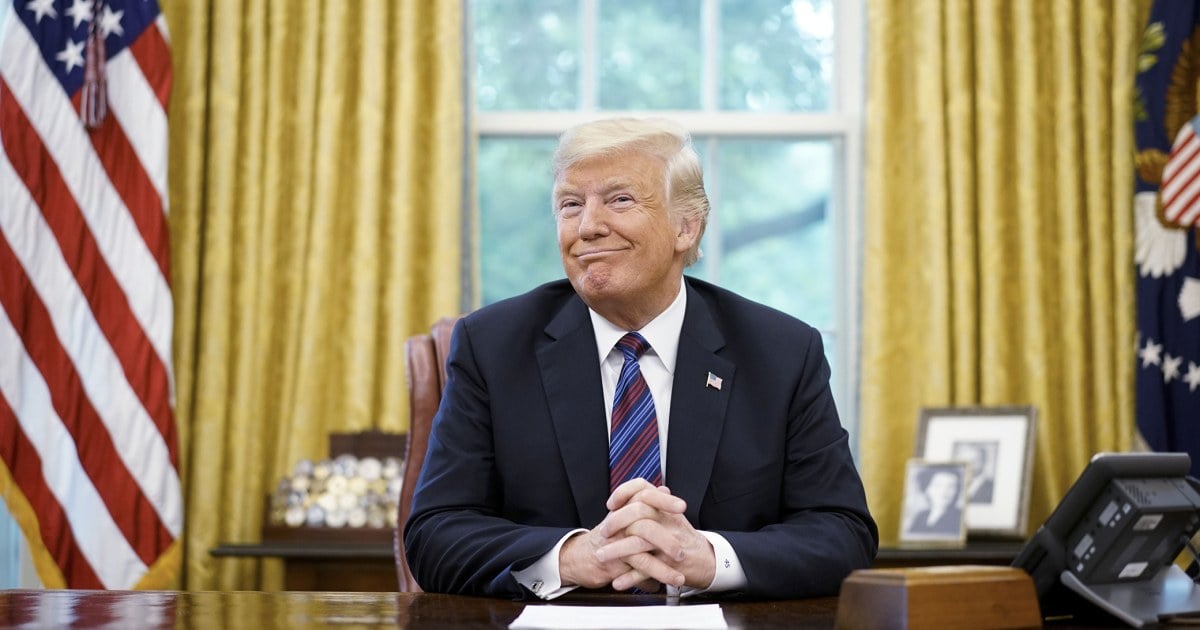
Former intelligence officers and officials express deep concerns that a second Trump presidency could weaponize America's spy services against domestic political opponents, skew intelligence in favor of authoritarian leaders, and undermine information sharing with U.S. allies. They fear that Trump’s track record and plans to replace career civil servants with political appointees could cause irreparable damage to the intelligence community. Trump’s supporters dismiss these concerns as overblown, arguing that his previous term strengthened the agencies.
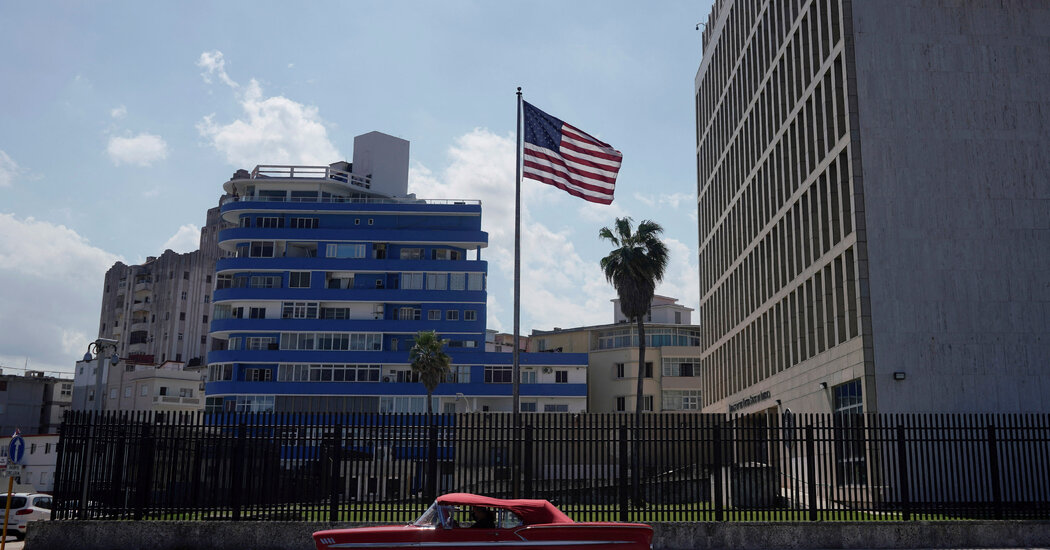
New studies by the National Institutes of Health found no evidence of brain injury in scans or blood markers of diplomats and spies who suffered symptoms of Havana syndrome, aligning with U.S. intelligence agencies' conclusions that the symptoms are likely due to environmental factors, existing medical conditions, or stress rather than a hostile foreign power's actions. However, these findings contradict previous research from the University of Pennsylvania, and Dr. David Relman, a scientist with access to classified files, criticized the new studies, suggesting that brain injuries may be difficult to detect and not ruling out the possibility of an external force causing the injuries.
U.S. intelligence agencies warn of an "increasingly fragile world order" due to great power competition, transnational challenges, and regional conflicts, with a focus on threats from China and Russia. The report highlights China's support for Russia in the Ukraine conflict and urges Congress to approve $60 billion in new military assistance for Ukraine. CIA director William Burns emphasizes the need to support Ukraine to send a message to China and warns of global implications from the conflict in Gaza.
Spanish intelligence believes that Russian authorities are behind the assassination of a Russian pilot who defected to Ukraine with a military helicopter, with doubts about which Russian intelligence agency was involved. The pilot's body was found in Spain, and it is suspected that professional hitmen from outside the country were responsible. If confirmed, Spain has promised a forceful response, while Russia has celebrated the pilot's death as a warning to potential defectors.
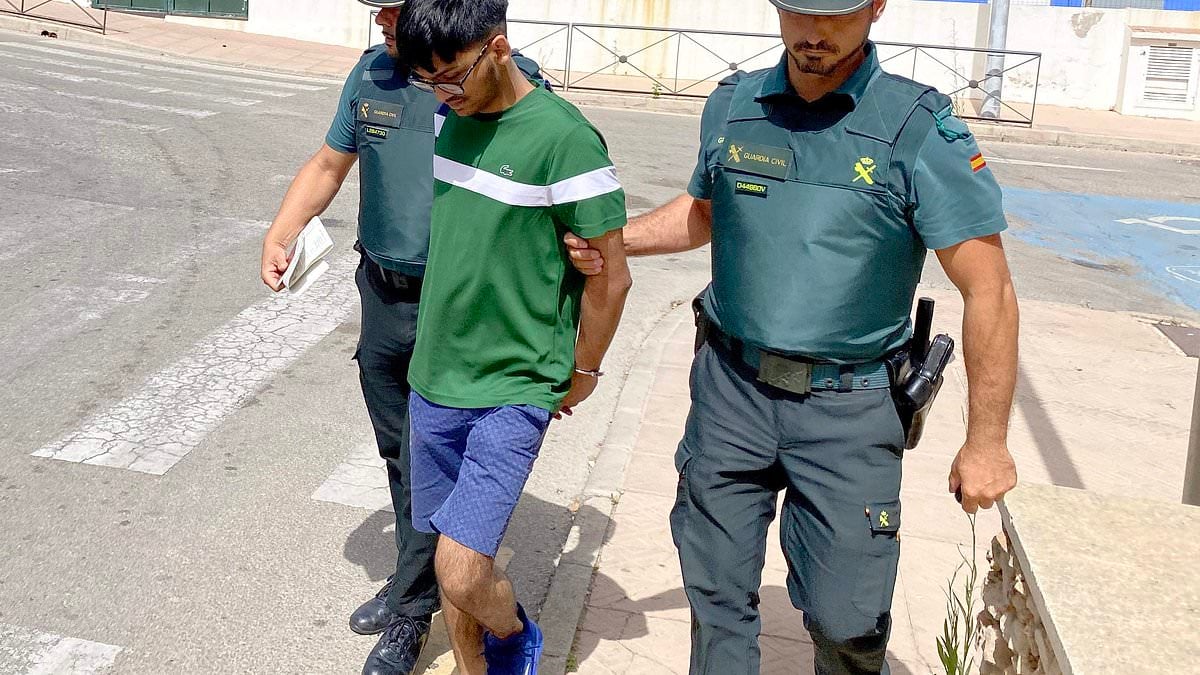
A teenager's Snapchat joke about blowing up a plane led to his arrest in Spain, raising concerns about the security of public WiFi networks at airports. Cyber security experts warn that unsecure public WiFi networks could be monitored by intelligence agencies, potentially compromising users' privacy. While some experts believe it is plausible for public WiFi sites to be monitored, others argue that incidents like this would be more common if WiFi was the issue. The teenager admitted to sending the joke in a private group and expressed regret, while his defense argues that his right to privacy was breached.
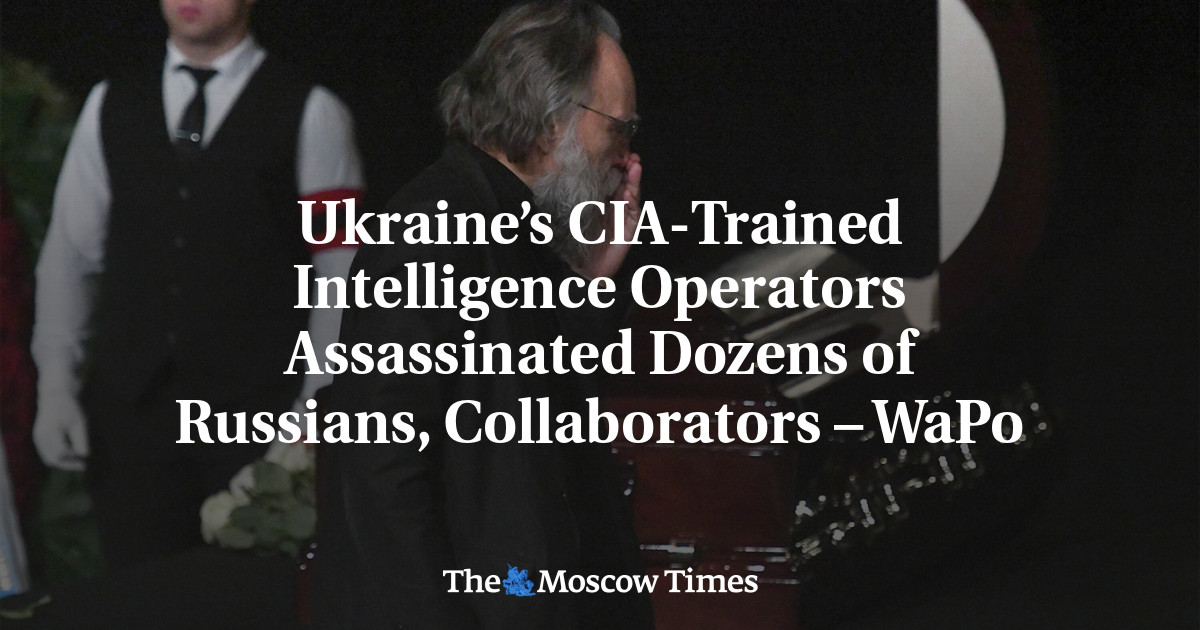
Ukraine's CIA-trained intelligence agencies have reportedly carried out targeted killings of "dozens" of Russians and Ukrainian collaborators since Russia's invasion of Ukraine, according to anonymous sources cited by The Washington Post. The missions were conducted by elite teams formed, trained, and equipped in partnership with the CIA, which has invested significant funds in transforming Ukraine's intelligence agencies since 2015. However, U.S. officials deny any direct involvement by the CIA in the assassinations. The targets included individuals such as Daria Dugina, daughter of pro-war ultranationalist Alexander Dugin, and a senior Russian draft officer. The SBU and GUR agencies also conducted drone strikes on Russian soil, including an attack on the Kremlin. Ukraine has not claimed responsibility for these attacks, and the CIA and Ukrainian government declined to comment on the report.
The United States and European Union have finalized a data-sharing deal, known as the E.U.-U.S. Data Privacy Framework, which allows data from companies like Meta and Google to continue flowing between the two jurisdictions. The agreement resolves a dispute over American intelligence agencies' access to data about European Union residents and gives Europeans the ability to object when they believe their personal information has been collected improperly. The deal establishes a new independent review body, the Data Protection Review Court, to hear appeals. However, some European lawmakers and privacy activists argue that the agreement lacks adequate safeguards against indiscriminate surveillance by U.S. intelligence agencies.
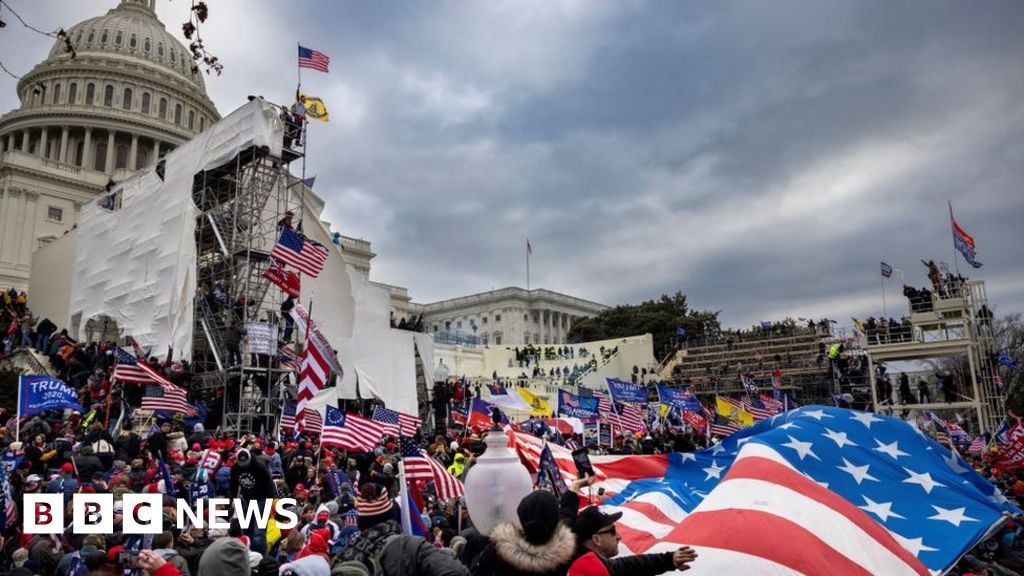
The FBI and other US government agencies failed "at a fundamental level" to assess the potential for violence ahead of the Capitol riot on 6 January 2021, a new report claims. Democrats on a Senate panel found the FBI and the Department of Homeland Security (DHS) "downplayed" the risks and so did not properly prepare. The 105-page report, titled Planned in Plain Sight, criticises officials for misjudging and reacting slowly to tip-offs. The report offers specific examples of the type of warnings the FBI received, including flagged online extremist activity, public tip-offs and alerts from its own field offices around the country.
A government report has revealed that US intelligence agencies are buying and storing personal information on Americans with little oversight and few guidelines. The report warns that commercially available information (CAI) can reveal sensitive and intimate information about individuals and poses a threat to Americans. While government agencies have to navigate an array of laws that often prevent them from tracking Americans without a court order or warrant, there are few legal restrictions on private companies that buy, repackage and sell personal data. The report calls for legislation to put guardrails around government purchases, to rein in private companies that collect and sell this data, and keep Americans’ personal information out of the hands of adversaries.
A report by the US's top spy agency reveals that the US government has been buying vast amounts of Americans' personal data, which has provided a rich stream of intelligence but created significant threats to privacy. The report also shows that the Office of the Director of National Intelligence appeared unaware which federal intelligence agencies were buying Americans’ personal data.
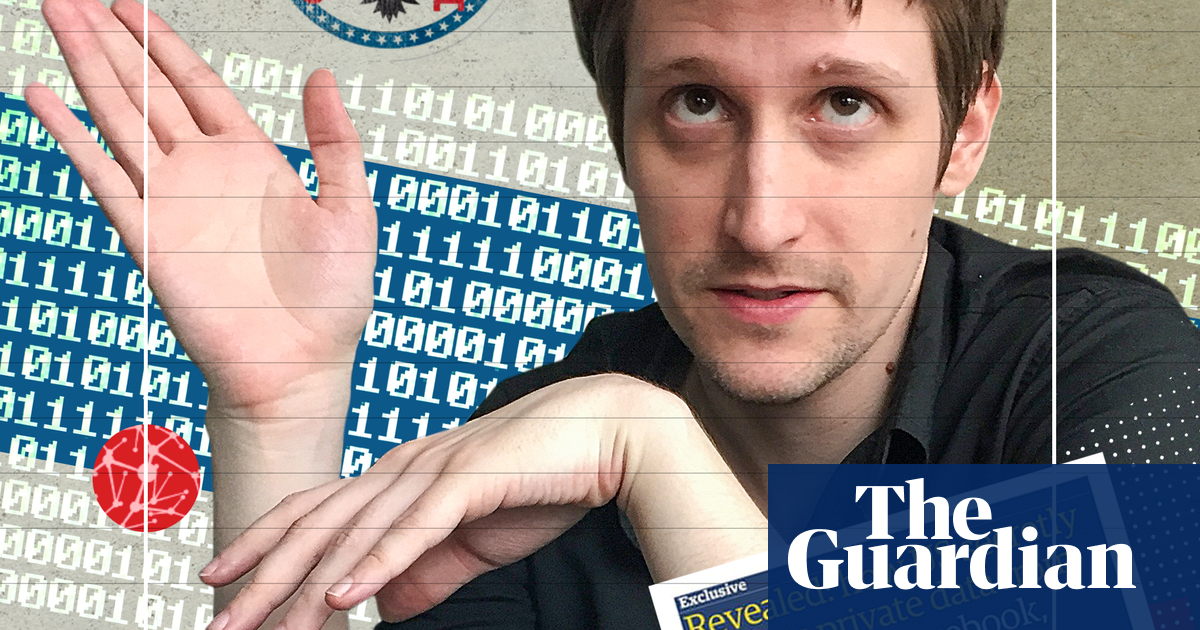
The Guardian's defence and security editor recounts the story of how the newspaper came to publish Edward Snowden's revelations about mass surveillance techniques and data gathering by intelligence agencies. The leak of tens of thousands of top-secret documents led to a small group of reporters and IT experts working in a special projects room, where they were advised they could be breaking the Official Secrets Act. The revelations were an inflection point, leading to a global debate about who gets to keep what information and for how long.
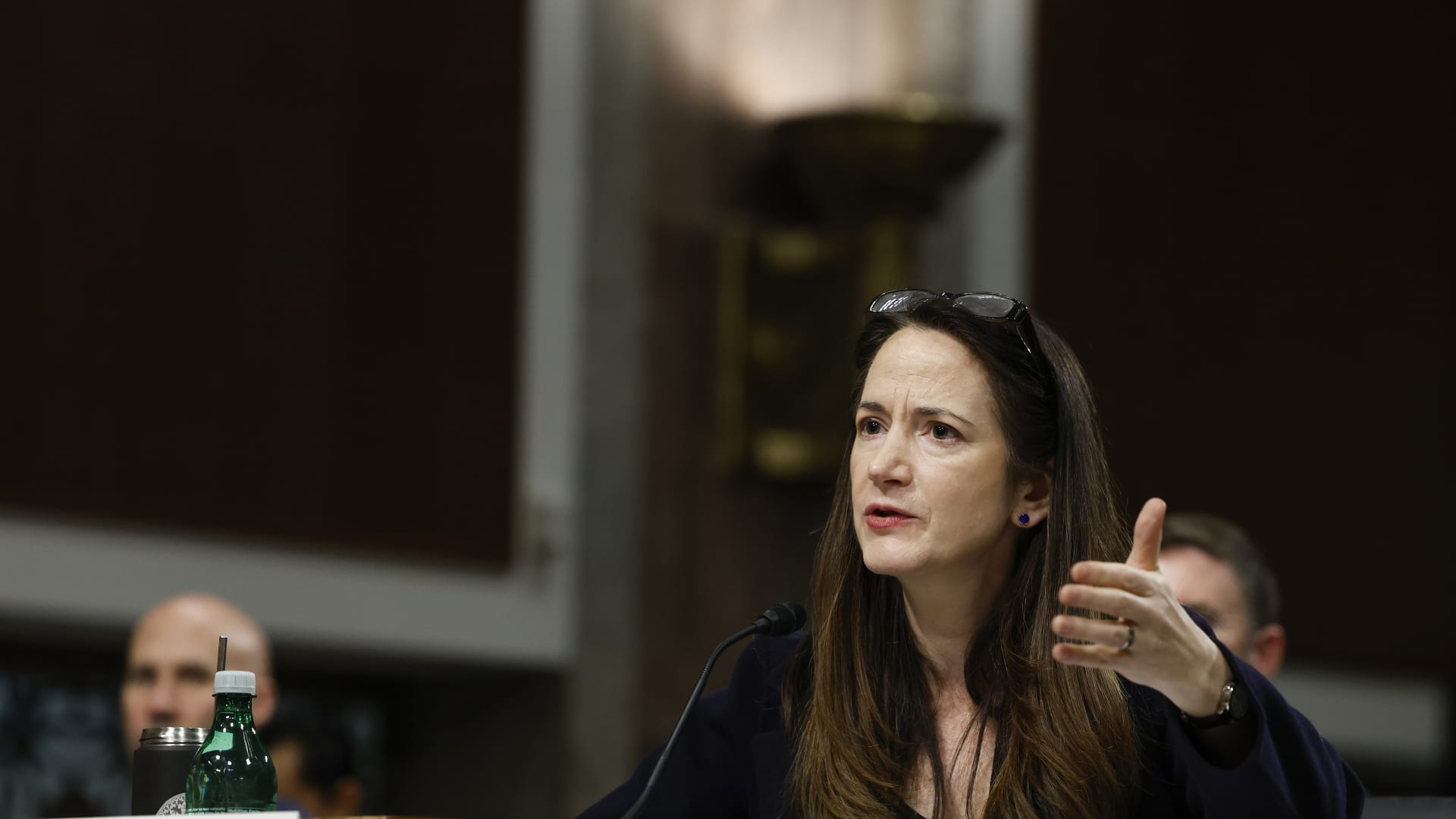
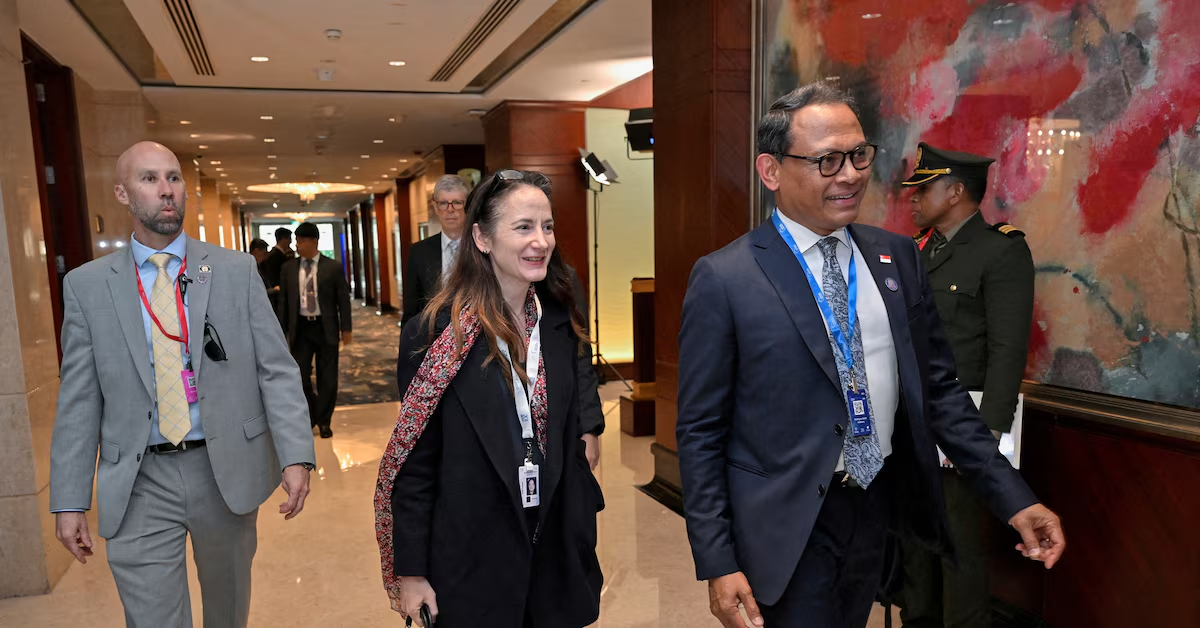
Senior officials from around 24 major intelligence agencies, including the US Director of National Intelligence Avril Haines, held a secret meeting on the sidelines of the Shangri-La Dialogue security meeting in Singapore. The meetings, organised by the Singapore government, have been discreetly held at a separate venue alongside the security summit for several years. The US, China, and India were among the countries represented. The discussions were collaborative and cooperative, and not confrontational, with topics including Russia's war in Ukraine and transnational crime.
Senior officials from around 24 major intelligence agencies, including the US and China, held a secret meeting on the sidelines of the Shangri-La Dialogue security meeting in Singapore. The meetings, organised by the Singapore government, have been discreetly held at a separate venue alongside the security summit for several years. The discussions were collaborative and cooperative, and not confrontational, with topics including Russia's war in Ukraine and transnational crime. The meetings have not been previously reported, and all sources declined to be identified due to the sensitivity of the matter.
Airman Jack Teixeira, who was arrested on April 13 for leaking classified documents on a Discord group of about 50 members, had been posting sensitive information months earlier and to a much larger chat group of about 600 members, according to online postings reviewed by The New York Times. The newly discovered information raises questions about why authorities did not discover the leaks sooner, particularly since hundreds more people would have been able to see the posts. The exposure of some of America’s most closely guarded secrets has prompted criticism about how the Pentagon and intelligence agencies protect classified data.