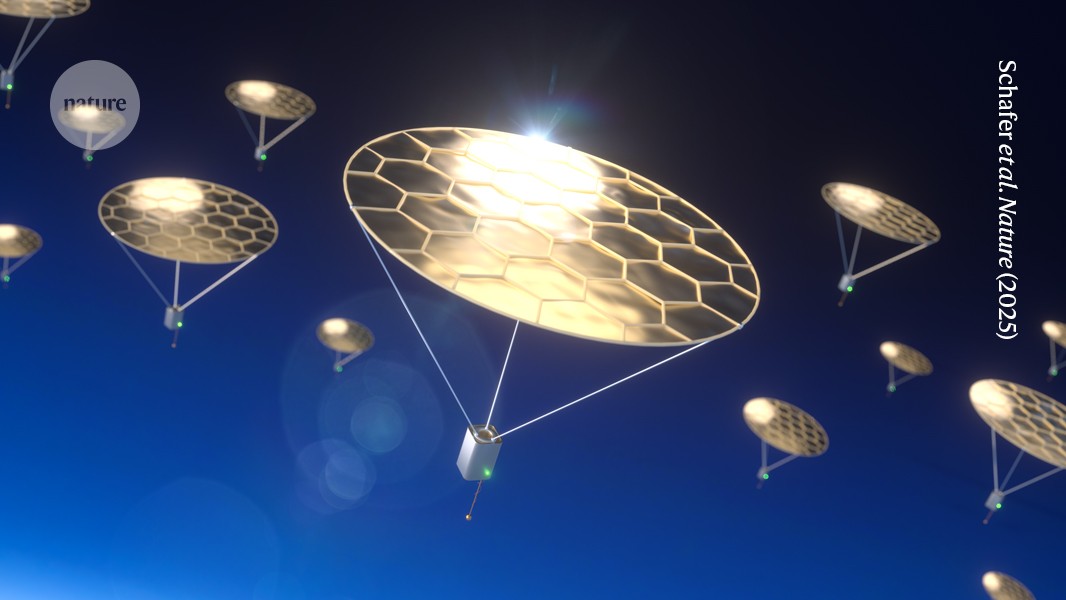
Researchers at Harvard have developed a tiny, lightweight device that can levitate using only sunlight, inspired by the Crookes radiometer, potentially enabling unpowered atmospheric exploration near the edge of space.
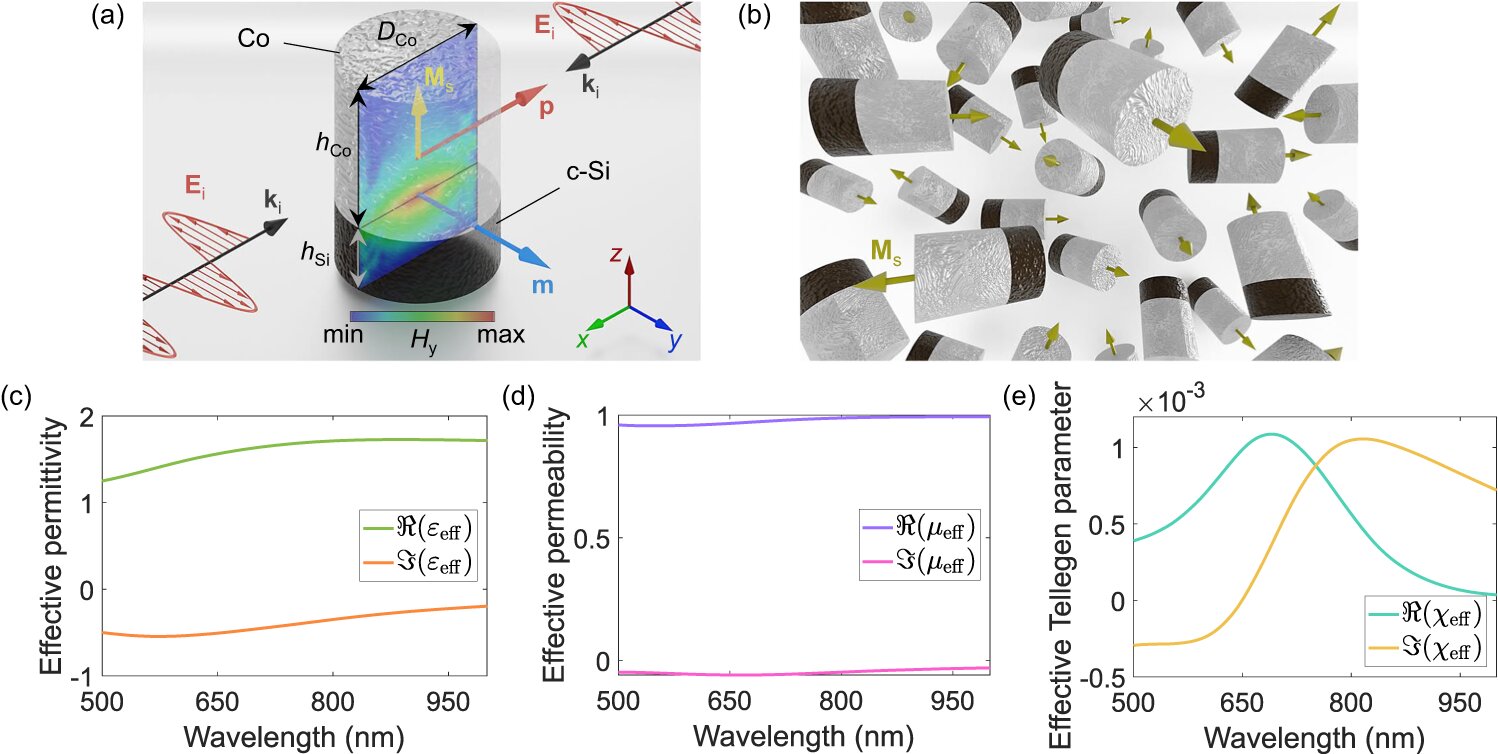
Researchers at Aalto University have developed a new optical metamaterial leveraging the nonreciprocal magnetoelectric effect, which allows for the creation of true one-way glass. This metamaterial, published in Nature Communications, can be fabricated using existing technology and conventional materials, unlike previous approaches. The potential applications of this technology include creating windows that provide one-way visibility regardless of external brightness, as well as improving the efficiency of solar cells by blocking thermal emissions.
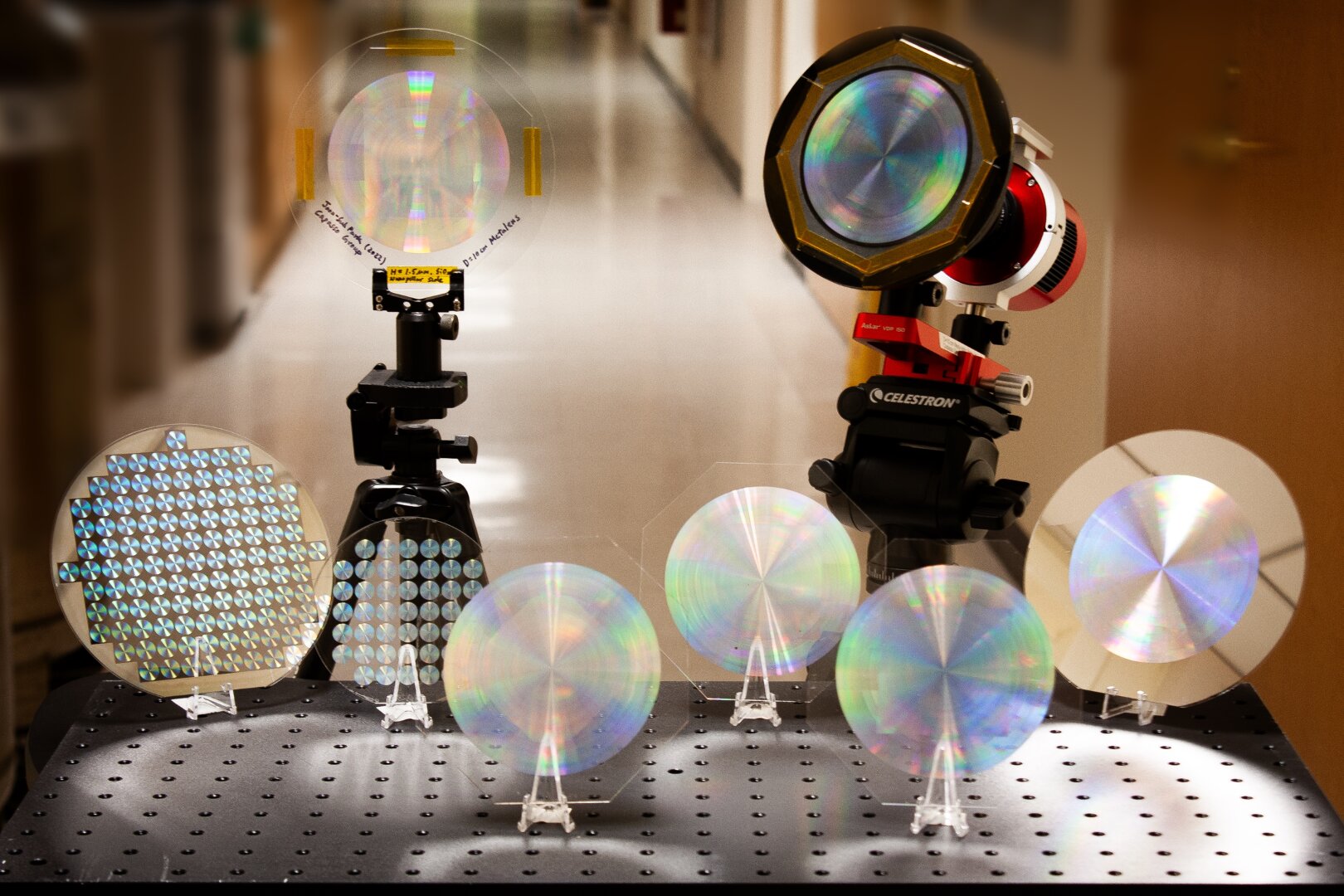
Researchers at Harvard SEAS have developed a 10-centimeter-diameter glass metalens using conventional CMOS fabrication technology, allowing it to image the sun, moon, and distant nebulae with high resolution. By overcoming engineering challenges, the team demonstrated the metalens' ability to survive extreme conditions and produce detailed images comparable to those taken by conventional lenses. This breakthrough opens new opportunities for space science and technology, as well as applications in astronomy, free-space optical communications, long-range telecommunications, and directed energy transport.
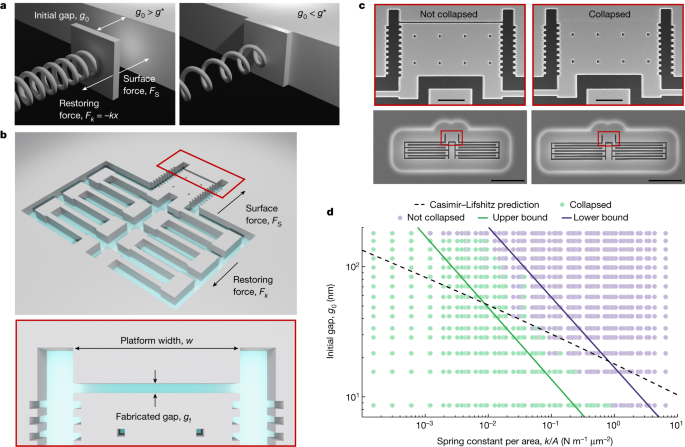
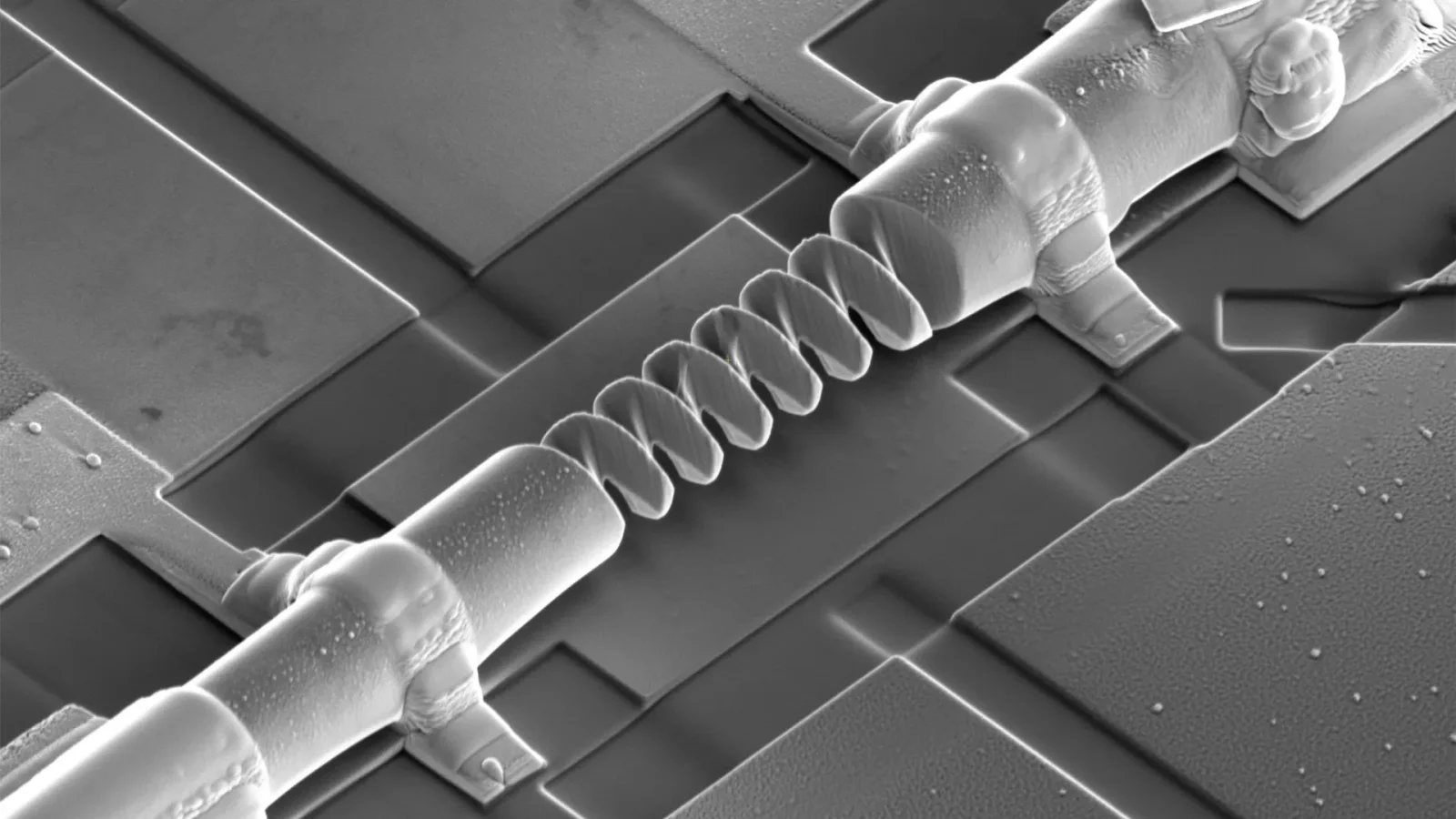
Researchers have developed a new method for manufacturing semiconductor devices using self-assembly and surface forces. By harnessing the pull-in instabilities between nearby objects, the researchers were able to fabricate nanostructures with few- or sub-nanometer dimensions. They demonstrated the application of this method by creating photonic nanocavities that confine light in air gaps in silicon membranes with aspect ratios exceeding 100. The self-assembled nanocavities exhibited high-quality factors and small mode volumes, surpassing previous experiments on dielectric cavities. The researchers also successfully integrated the self-assembled devices with photonic circuits, demonstrating the scalability and potential for interfacing with top-down planar technology.
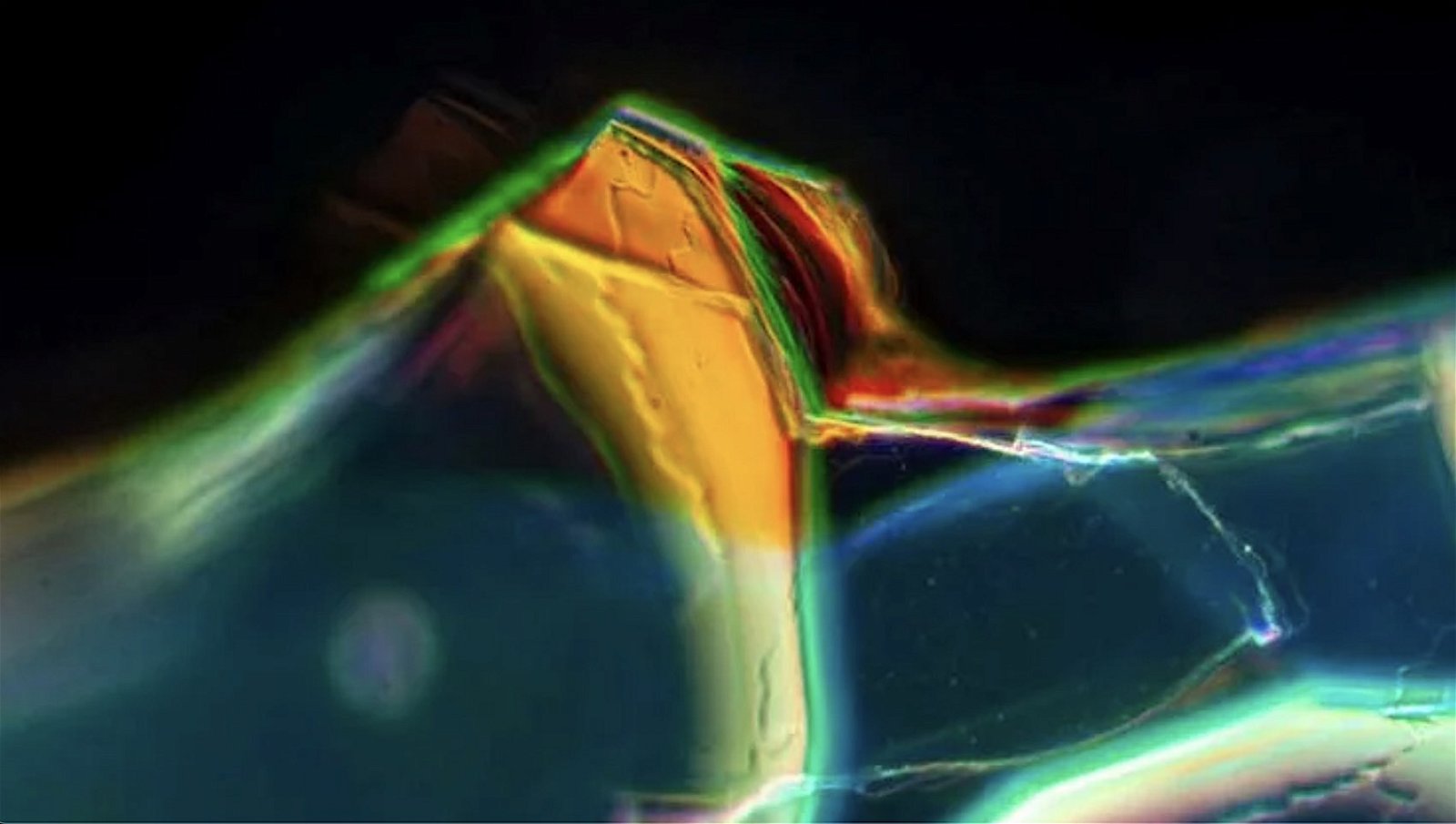
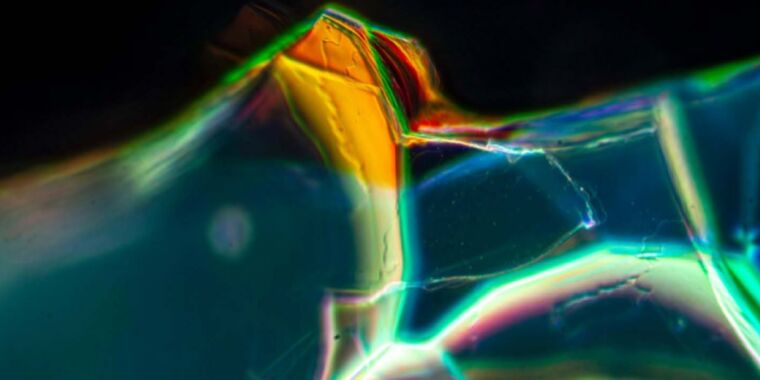
Fragments of ancient Roman glass vessels unearthed at archaeological sites have been found to possess photonic crystals, nanostructures that produce unique optical effects. The molecular structure of these glass shards rearranges over thousands of years, resulting in the formation of photonic crystals. The crystals are believed to have grown on the glass surface due to exposure to environmental conditions and changes in pH and groundwater. The unique atomic and material properties of these glass shards could potentially be replicated and accelerated in the lab, offering new ways of growing optical materials.
A shard of ancient Roman glass, known as the "wow glass," has been found to possess a rare golden-hued patina with unique optical properties. The patina is the result of the corrosion process slowly restructuring the glass to form photonic crystals, which create iridescent colors. Photonic crystals are tunable materials that can block certain wavelengths of light while allowing others to pass through. Scientists are studying natural structural coloration to develop commercial applications, such as plant-based films that cool when exposed to sunlight and chameleon-like films that change color when stretched. The shard was discovered near the ancient city of Aquileia, Italy, which was once a thriving center for trade and glass processing.
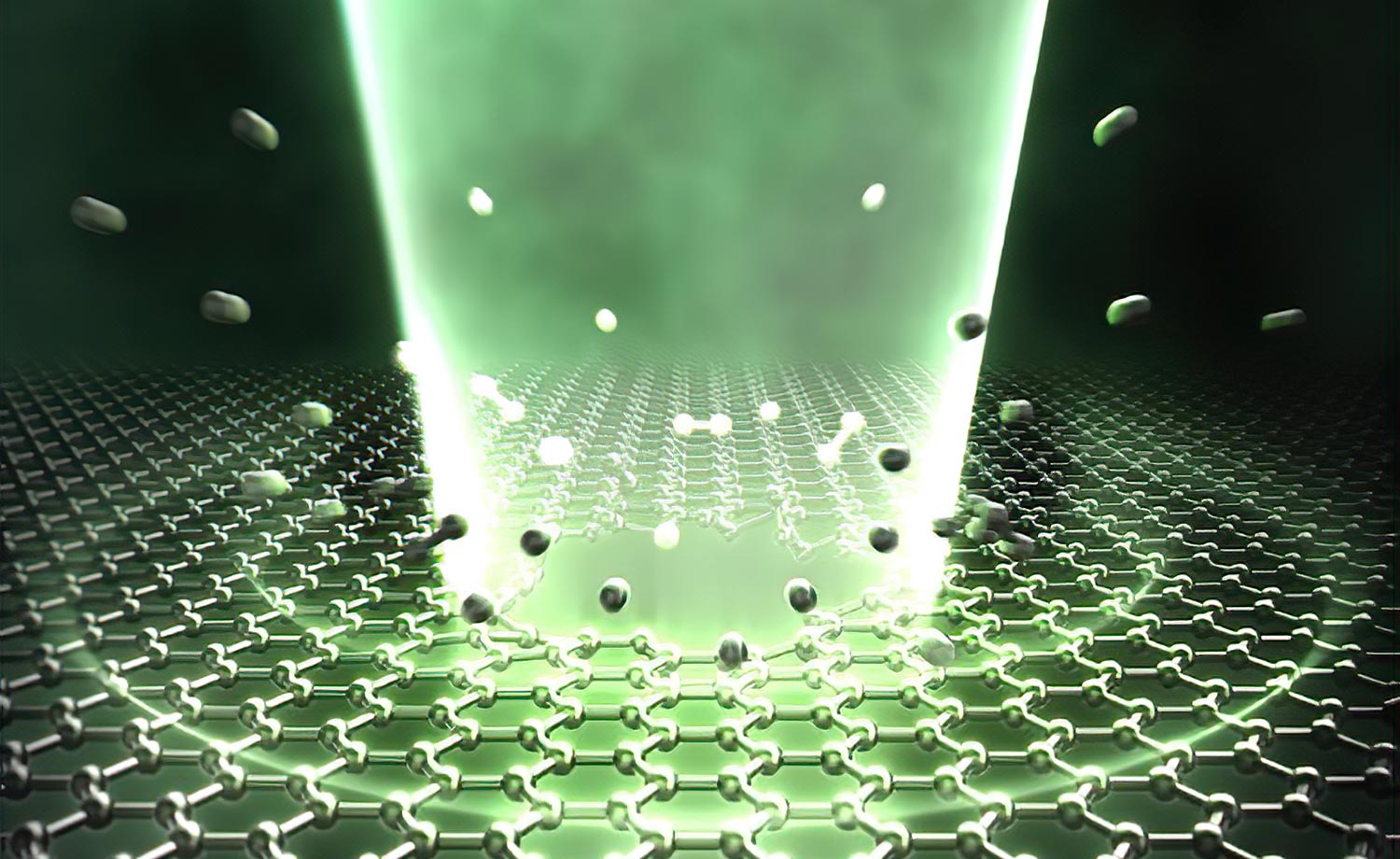
Researchers at Tohoku University have used a femtosecond laser to micro/nanofabricate graphene films, creating multi-point holes without damage and removing contaminants. The technique could replace traditional, more complex methods, offering potential advancements in quantum materials research and biosensor development. By forming nanopores and atomic-level defects in graphene, not only can electrical conductivity be controlled but also quantum-level characteristics such as spin and valley. The team aims to establish a cleaning technique using the laser and carry a detailed investigation into how to conduct atomic defect formation.