Tag

Electronic Devices

All articles tagged with #electronic devices

Revolutionary 2D Chips Promise Ultra-Compact, High-Performance Computing

Originally Published 2 months ago — by SciTechDaily

Featured image for Revolutionary 2D Chips Promise Ultra-Compact, High-Performance Computing
Source: SciTechDaily

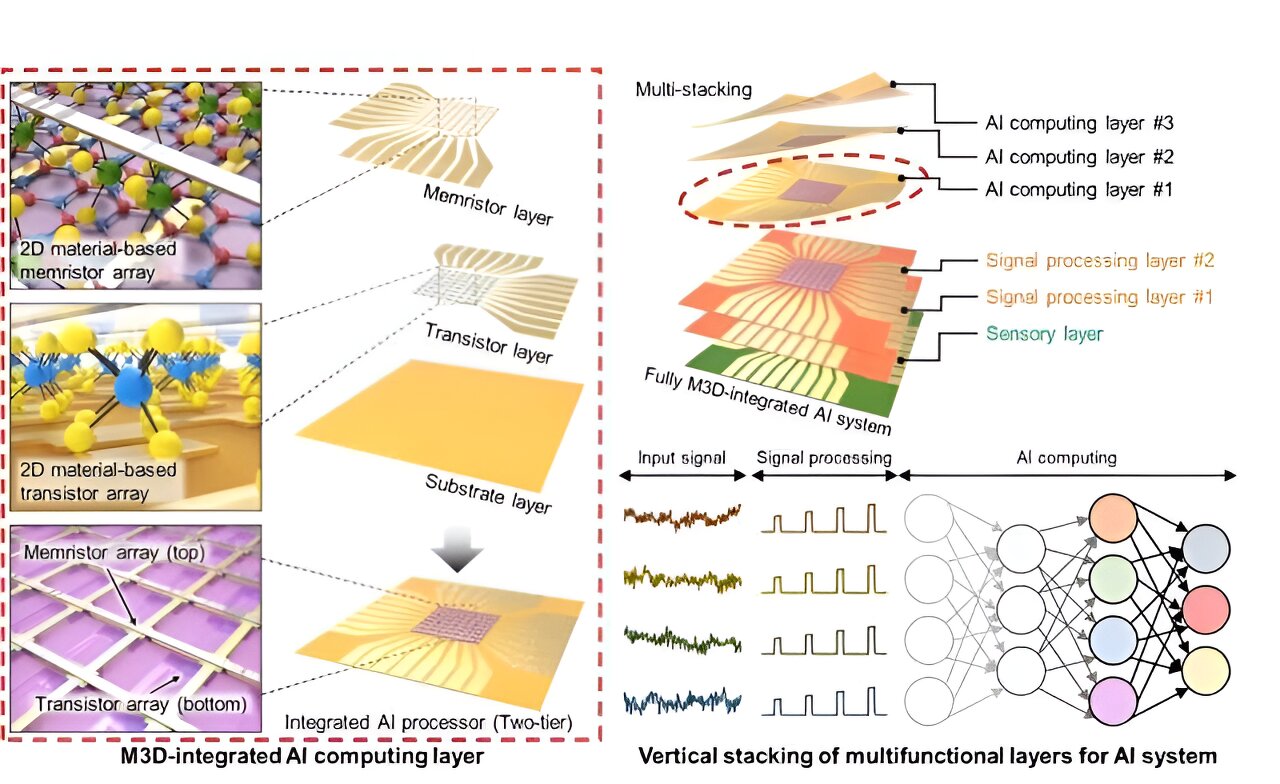
Researchers at Penn State have developed the world's first functioning computer built entirely from two-dimensional atom-thin materials, marking a significant step away from silicon-based electronics and paving the way for ultra-efficient, miniaturized devices.
"Atom-by-Atom Film Boosts Electron Speed 7x Over Semiconductors"

Originally Published 1 year ago — by Livescience.com

Featured image for "Atom-by-Atom Film Boosts Electron Speed 7x Over Semiconductors"
Source: Livescience.com

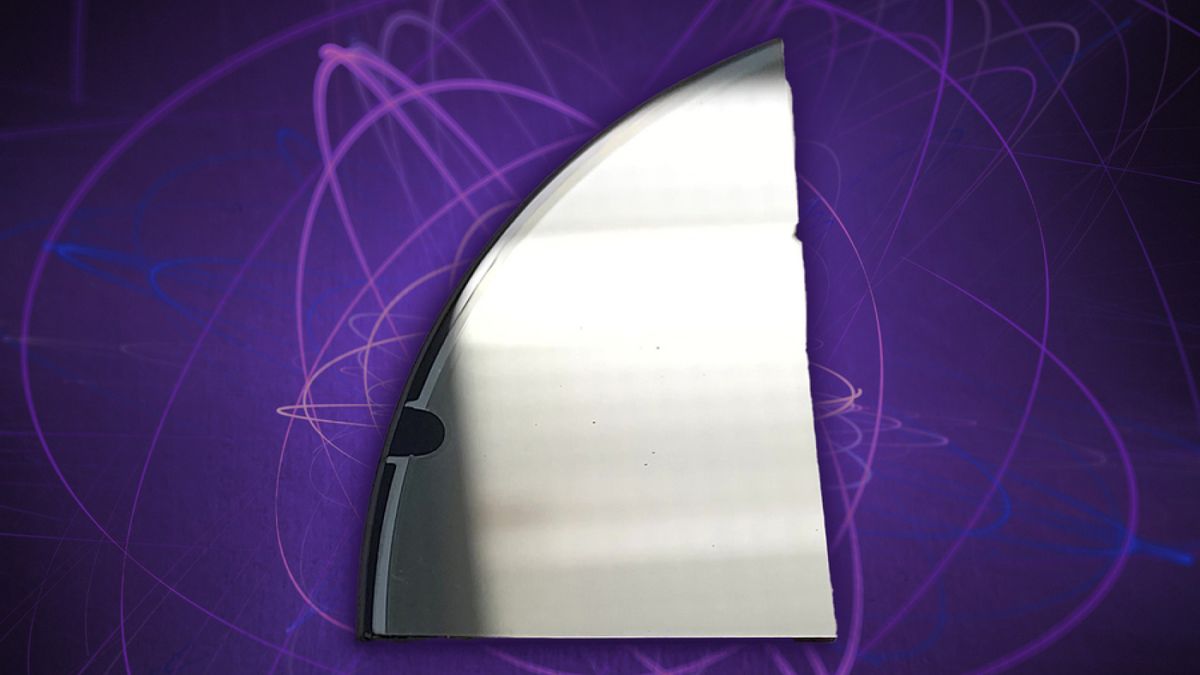
Scientists have developed a razor-thin crystalline film semiconductor that allows electrons to move seven times faster than in traditional semiconductors, potentially revolutionizing electronic devices by improving efficiency and reducing energy waste. The film, made from ternary tetradymite and created using molecular beam epitaxy, could lead to advancements in wearable thermoelectric and spintronic devices.

"Stacked Antiaromatic Units Pave Way for Advanced Organic Semiconductors"

Originally Published 1 year ago — by Phys.org

Featured image for "Stacked Antiaromatic Units Pave Way for Advanced Organic Semiconductors"
Source: Phys.org

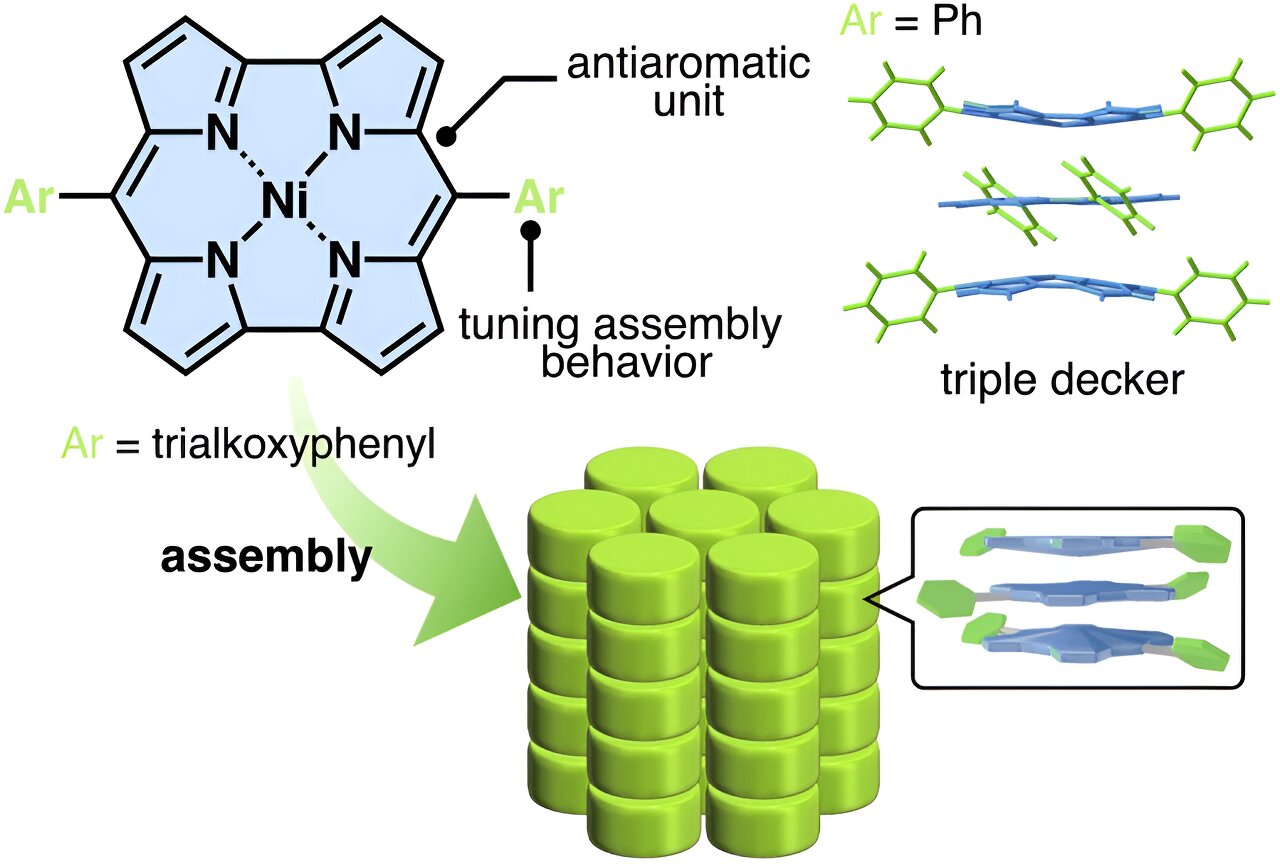
Researchers from Ritsumeikan University and collaborators have developed a novel antiaromatic π-stacking system using NiII-coordinated norcorroles with aliphatic side chains, leading to the formation of highly conductive liquid crystals. This breakthrough could significantly advance the design of organic semiconductors and electronic devices.

"Revolutionizing Energy Storage: Nano-Thin Ferroelectric Capacitors Spark Innovation"

Originally Published 1 year ago — by Phys.org

Featured image for "Revolutionizing Energy Storage: Nano-Thin Ferroelectric Capacitors Spark Innovation"
Source: Phys.org

Researchers have developed a novel 2D/3D/2D heterostructure that enhances the energy storage capability of ferroelectric capacitors. By controlling the relaxation time of ferroelectric materials using 2D materials, they achieved an energy density up to 19 times higher than commercially available capacitors, with an efficiency over 90%. This innovation paves the way for high-performance electronic devices, particularly in sectors requiring robust power management solutions, such as electric vehicles and infrastructure development.

"UN Warns of Escalating E-Waste Crisis and Environmental Catastrophe"

Originally Published 1 year ago — by Newser

Featured image for "UN Warns of Escalating E-Waste Crisis and Environmental Catastrophe"
Source: Newser

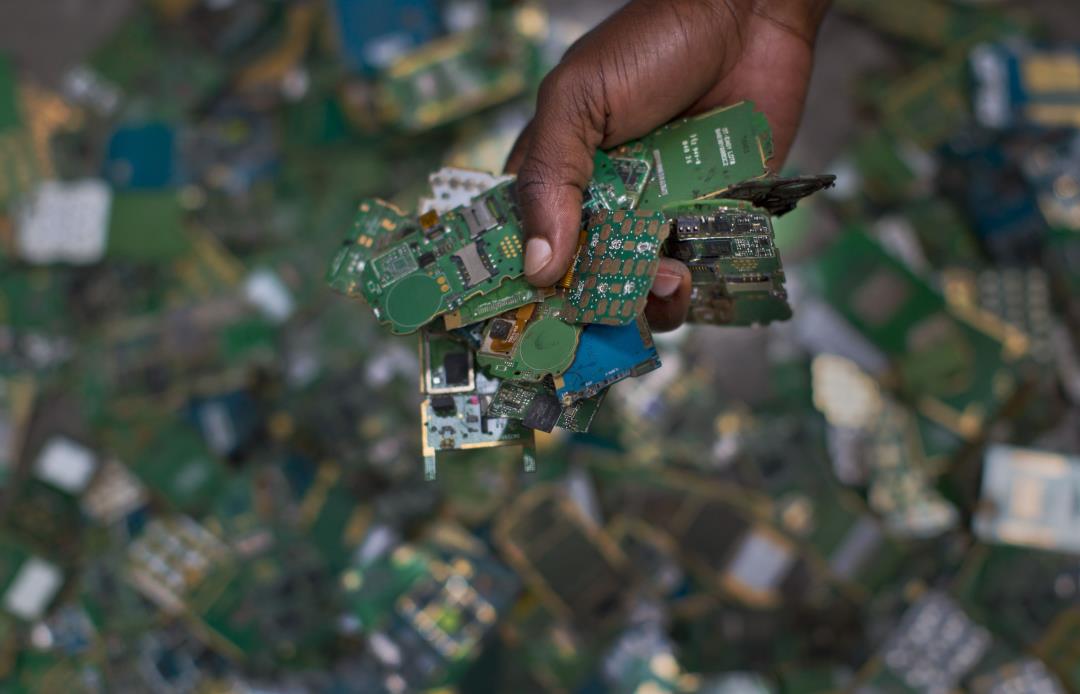
UN agencies report that the global generation of electronic waste, or "e-waste," reached 62 million tons in 2022 and is projected to increase to 82 million tons by 2030, with recycling rates remaining low. The discarded devices include cellphones, electronic cars, TVs, laptops, and more, posing a significant environmental challenge.

"Unveiling Graphene's Electron Behavior: Ultrafast Laser Mapping Paves the Way for Advanced Electronics"

Originally Published 2 years ago — by Phys.org

Featured image for "Unveiling Graphene's Electron Behavior: Ultrafast Laser Mapping Paves the Way for Advanced Electronics"
Source: Phys.org

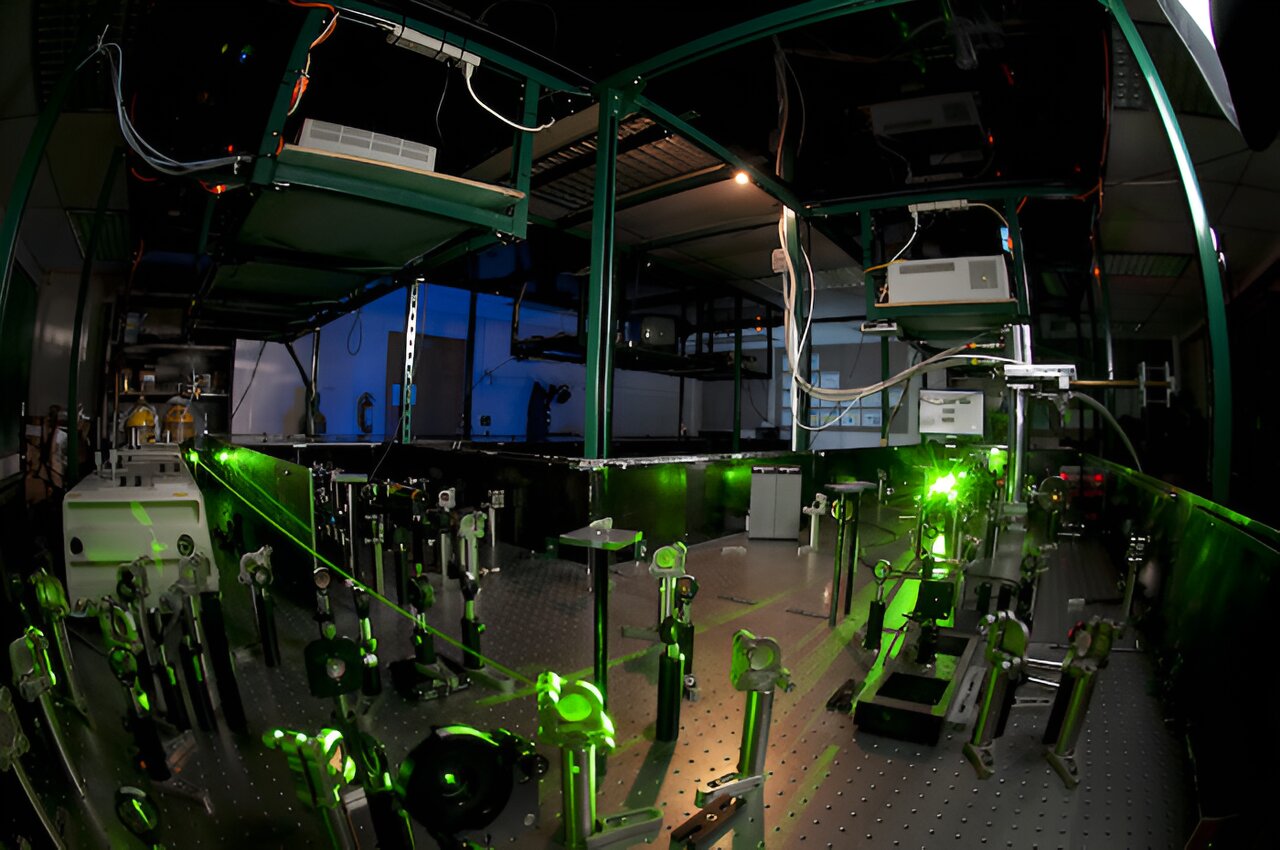
Researchers at the University of Kansas' Ultrafast Laser Lab have observed the ballistic movement of electrons in graphene, a promising material for next-generation electronic devices. By using ultrafast lasers, the researchers were able to trace the movement of electrons in real-time, revealing that electrons in graphene can move ballistically, similar to cars on a freeway or ballistic missiles through the air. This discovery could lead to breakthroughs in governing electrons in semiconductors, potentially resulting in faster, more powerful, and more energy-efficient electronic devices.

Electric Field-Based Thermal Transistors Revolutionize Heat Control

Originally Published 2 years ago — by TechSpot

Featured image for Electric Field-Based Thermal Transistors Revolutionize Heat Control
Source: TechSpot

Researchers from the University of California have developed a solid-state thermal transistor that uses an electric field to control the flow of heat in electronic devices. The transistor utilizes a thin film of molecules as a channel, and by applying an electric field, the thermal conductance of the film increases. The transistor requires less power compared to other dissipation methods, has a high thermal conductance ratio, and can be used in conjunction with other cooling techniques. While still in the early stages of development, the technology shows promise for enabling faster and more powerful processors.

FBI Seizes Mayor Eric Adams' Devices in Campaign Fundraising Investigation

Originally Published 2 years ago — by NBC New York

Featured image for FBI Seizes Mayor Eric Adams' Devices in Campaign Fundraising Investigation
Source: NBC New York

The FBI has seized several electronic devices, including cellphones and an iPad, belonging to New York City Mayor Eric Adams as part of a federal investigation into his campaign's fundraising efforts and potential links to foreign powers. Adams voluntarily turned over the devices after being approached by federal officials. The seizure comes after a recent raid on a Brooklyn residence connected to a campaign fundraiser. Adams has hired a criminal defense firm and maintains his cooperation with the investigation. The investigation is examining whether the Adams campaign conspired with the Turkish government to receive donations from foreign sources.

FBI Seizes NYC Mayor Eric Adams' Devices in Fundraising Probe

Originally Published 2 years ago — by CBS New York

Featured image for FBI Seizes NYC Mayor Eric Adams' Devices in Fundraising Probe
Source: CBS New York

The FBI seized New York City Mayor Eric Adams' iPhones and iPad as part of a corruption investigation into campaign fundraising. Adams' campaign attorney stated that an individual close to the mayor had acted improperly and that this behavior was reported to investigators. The mayor has not been accused of any wrongdoing and continues to cooperate with the investigation. The FBI raid on the home of Adams' chief campaign fundraiser raised questions about his involvement, and it is believed that information about someone else in the mayor's circle was on one of the seized devices. The FBI was likely looking for text messages, emails, and call records as evidence.

"Electrically Controlled Hydrogels: A Breakthrough in Scientific Innovation"

Originally Published 2 years ago — by Interesting Engineering

Featured image for "Electrically Controlled Hydrogels: A Breakthrough in Scientific Innovation"
Source: Interesting Engineering

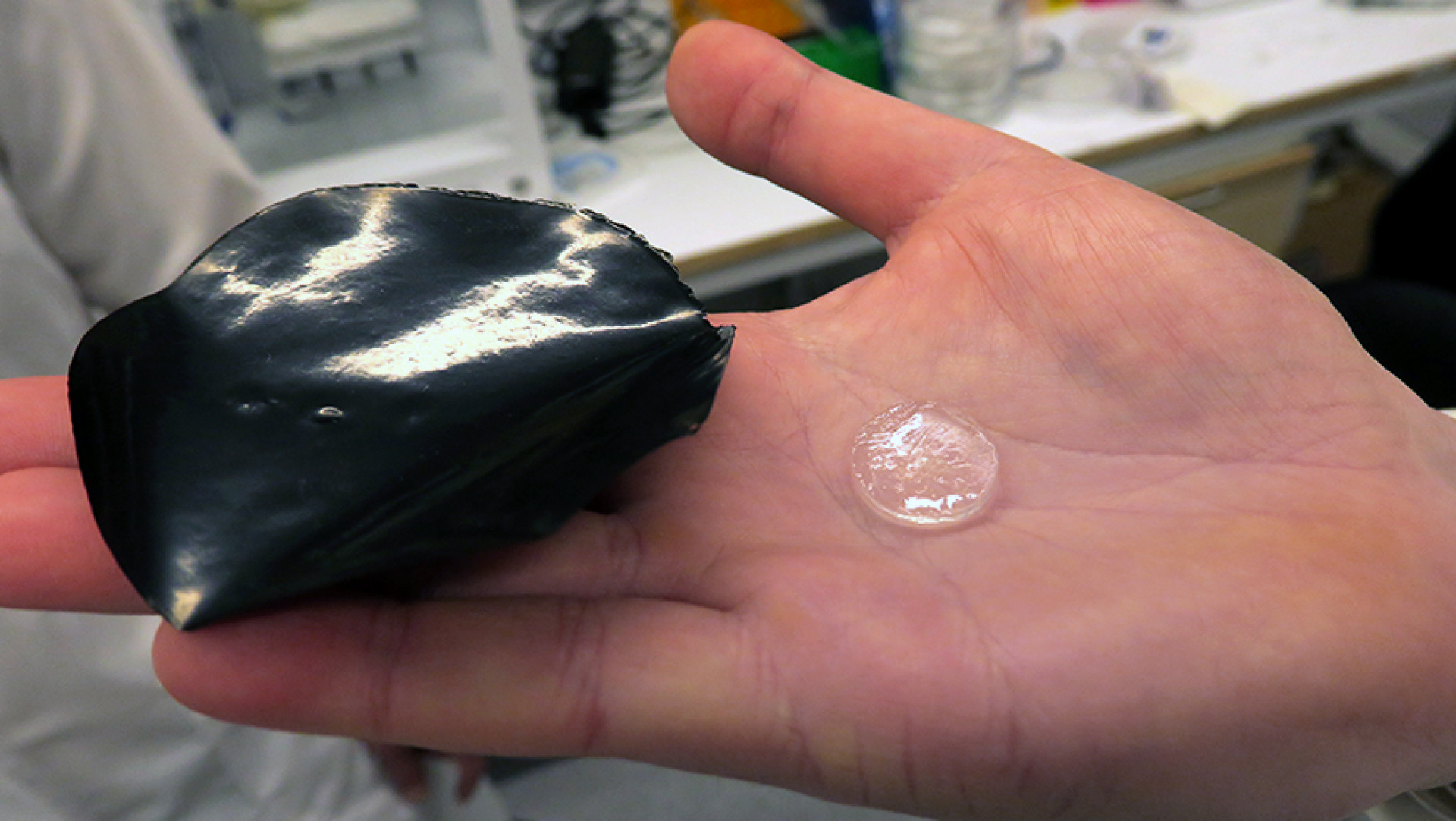
Scientists have developed hydrogels that can be controlled with electricity, allowing them to be easily connected to electronic devices. These hydrogels respond to low voltage and can stretch up to 300% when electricity is applied, making them useful for various applications in materials science and responsive materials.

"Revolutionizing Electronics: Harnessing Quantum Phenomenon for Enhanced Control"

Originally Published 2 years ago — by Phys.org

Featured image for "Revolutionizing Electronics: Harnessing Quantum Phenomenon for Enhanced Control"
Source: Phys.org

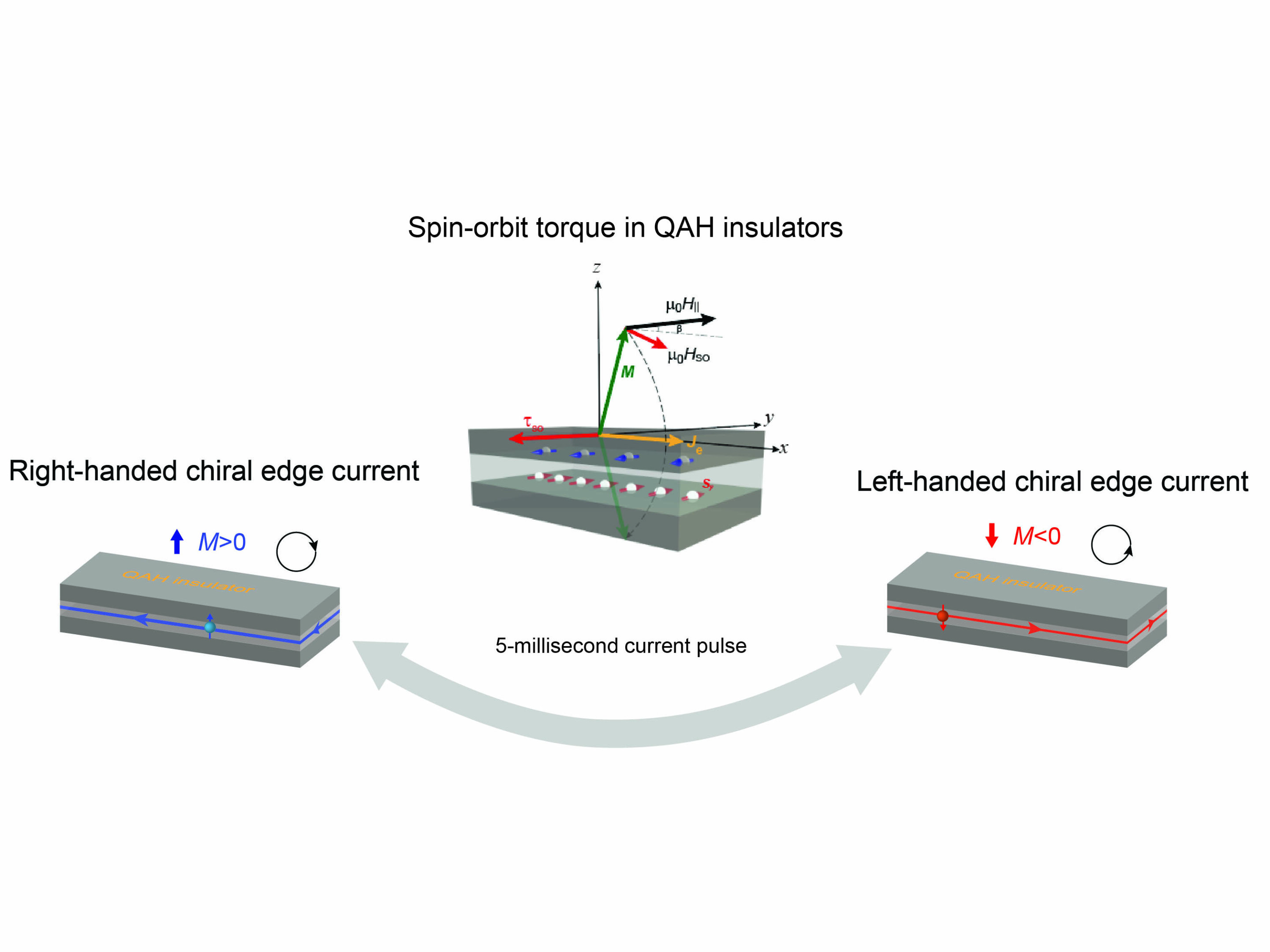
Researchers at Penn State have developed a new electrical method to control the direction of electron flow in quantum materials that exhibit the quantum anomalous Hall (QAH) effect. By applying a five-millisecond current pulse, the internal magnetism of the material is impacted, causing the electrons to change directions. This method could have implications for the development of next-generation electronic devices and quantum computers, improving the efficiency of information transfer and storage in quantum technologies. The researchers are also exploring how to pause electrons on their route and replicate the QAH effect at higher temperatures.

Young Florida Siblings Embark on 200-Mile Joyride to California

Originally Published 2 years ago — by WITN

Featured image for Young Florida Siblings Embark on 200-Mile Joyride to California
Source: WITN

Two upset siblings, aged 10 and 11, stole their mother's car in Florida after their electronic devices were confiscated. They drove about 200 miles before being pulled over by deputies. The children were reported missing, and their mother, who was doing her best to raise them, came to take custody of them without pressing charges.

Florida Kids Steal Mother's Car, Drive 200 Miles Before Being Stopped by Police

Originally Published 2 years ago — by CNN

Featured image for Florida Kids Steal Mother's Car, Drive 200 Miles Before Being Stopped by Police
Source: CNN

Two children, aged 10 and 11, stole their mother's car in Florida after she took away their electronic devices as punishment. The siblings were pulled over by authorities over 200 miles away from their home. The children were reported missing and the stolen vehicle belonged to their mother. However, their mother did not want to pursue criminal charges, so the children were not jailed. The only charge they faced was a criminal traffic violation.

"Mastering Sleep Hygiene: 6 Essential Tips for Better Rest"

Originally Published 2 years ago — by Tom's Guide

Featured image for "Mastering Sleep Hygiene: 6 Essential Tips for Better Rest"
Source: Tom's Guide

Sleep hygiene refers to creating and following healthy sleep habits and routines, as well as maintaining a conducive sleep environment. To improve sleep hygiene, establish a consistent sleep schedule, make your bedroom conducive to sleep by investing in a supportive mattress, pillow, and maintaining an optimal temperature, create a relaxing bedtime routine, avoid using electronic devices before bed, eat and drink sensibly throughout the day, and incorporate exercise into your daily routine.

Revolutionary Approach: Transforming E-Waste into Powerful Processors

Originally Published 2 years ago — by Interesting Engineering

Featured image for Revolutionary Approach: Transforming E-Waste into Powerful Processors
Source: Interesting Engineering

Researchers from the University of California San Diego have developed a method to repurpose electronic devices, such as cell phones, into processors, aiming to tackle the growing problem of e-waste. With billions of mobile phones ending up in landfills each year, this innovative solution could help reduce toxic waste and promote recycling.