Tag

Miniaturization

All articles tagged with #miniaturization

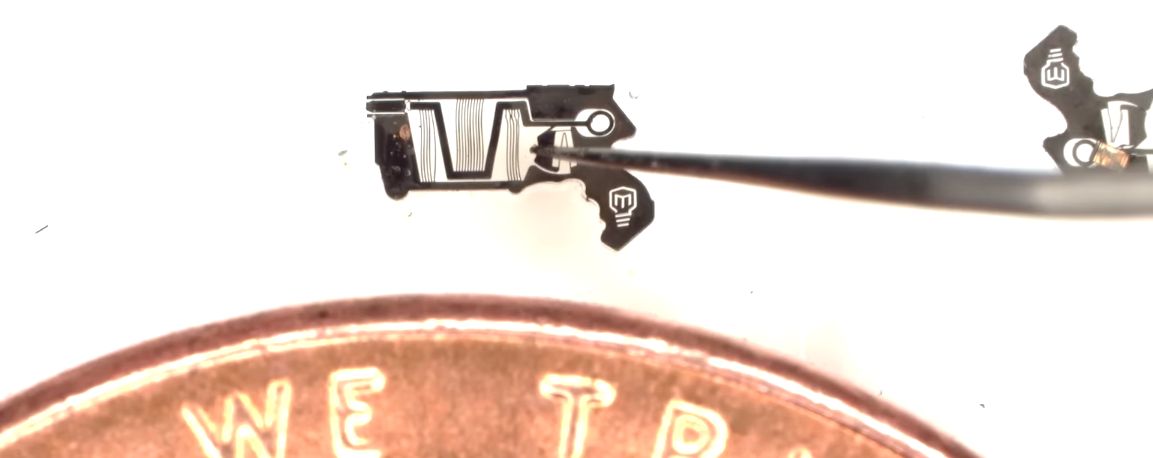
Richard Feynman Invents New Field of Physics in 1959 Lecture

Originally Published 14 days ago — by Live Science

Featured image for Richard Feynman Invents New Field of Physics in 1959 Lecture
Source: Live Science

Richard Feynman's 1959 lecture at Caltech envisioned the concept of nanotechnology, proposing ideas like atomic manipulation and tiny machines, which laid the groundwork for the field, although the term was only coined in 1974. His predictions have largely come true, influencing modern nanoscience and technology.
"Breakthrough All-Optical Tech Shrinks Night Vision Devices"

Originally Published 1 year ago — by Tech Xplore

Featured image for "Breakthrough All-Optical Tech Shrinks Night Vision Devices"
Source: Tech Xplore

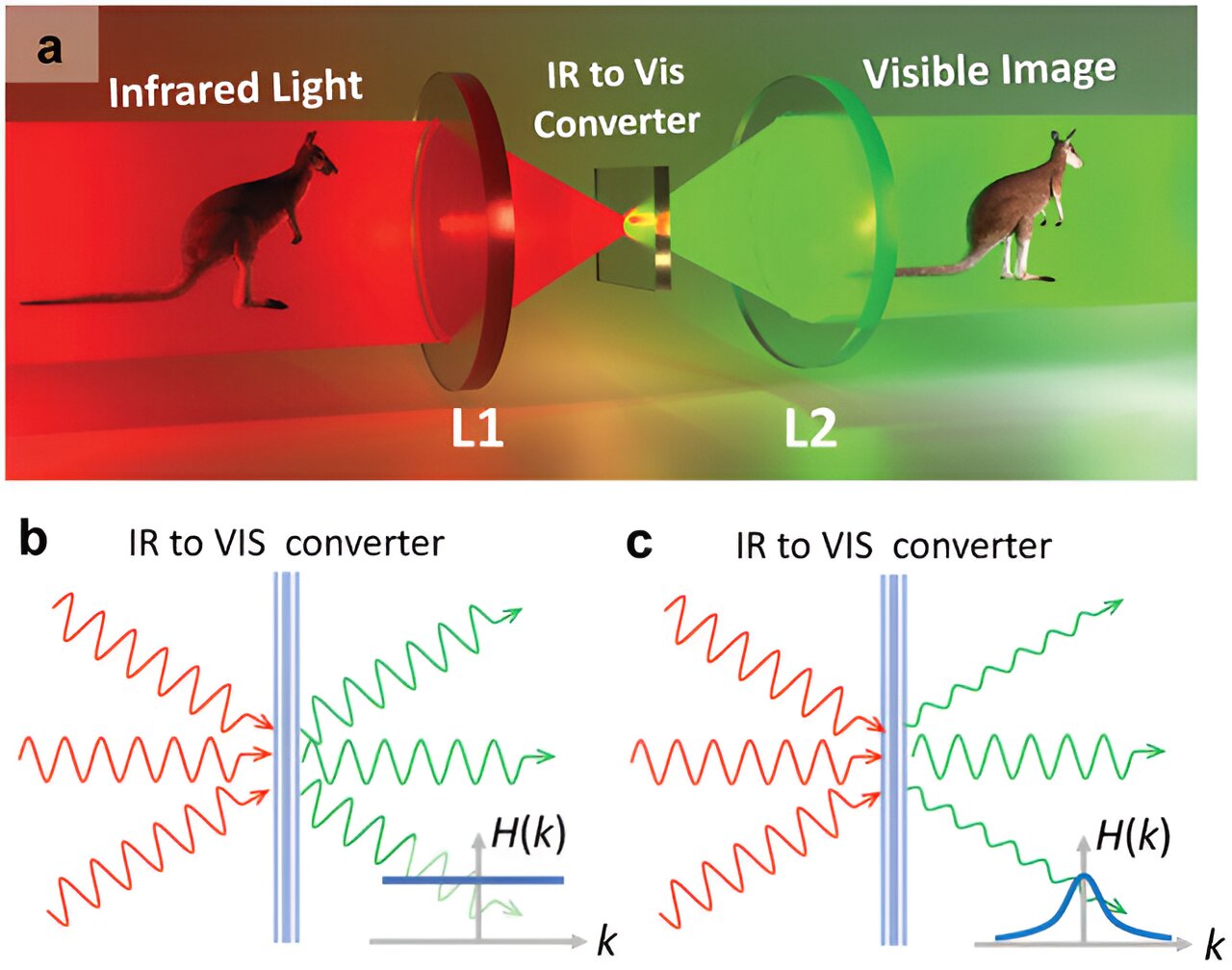
Researchers from TMOS have developed a new, ultra-thin infrared filter using lithium niobate metasurfaces that can be applied to everyday eyewear, potentially revolutionizing night vision technology by making it lightweight and accessible for consumer use. This innovation allows users to see both infrared and visible light simultaneously, promising applications in safer driving, nighttime activities, and various industries.

"Miniaturized: The World's Smallest Nintendo Wii Fits in a Deck of Cards"

Originally Published 1 year ago — by Ars Technica

Featured image for "Miniaturized: The World's Smallest Nintendo Wii Fits in a Deck of Cards"
Source: Ars Technica

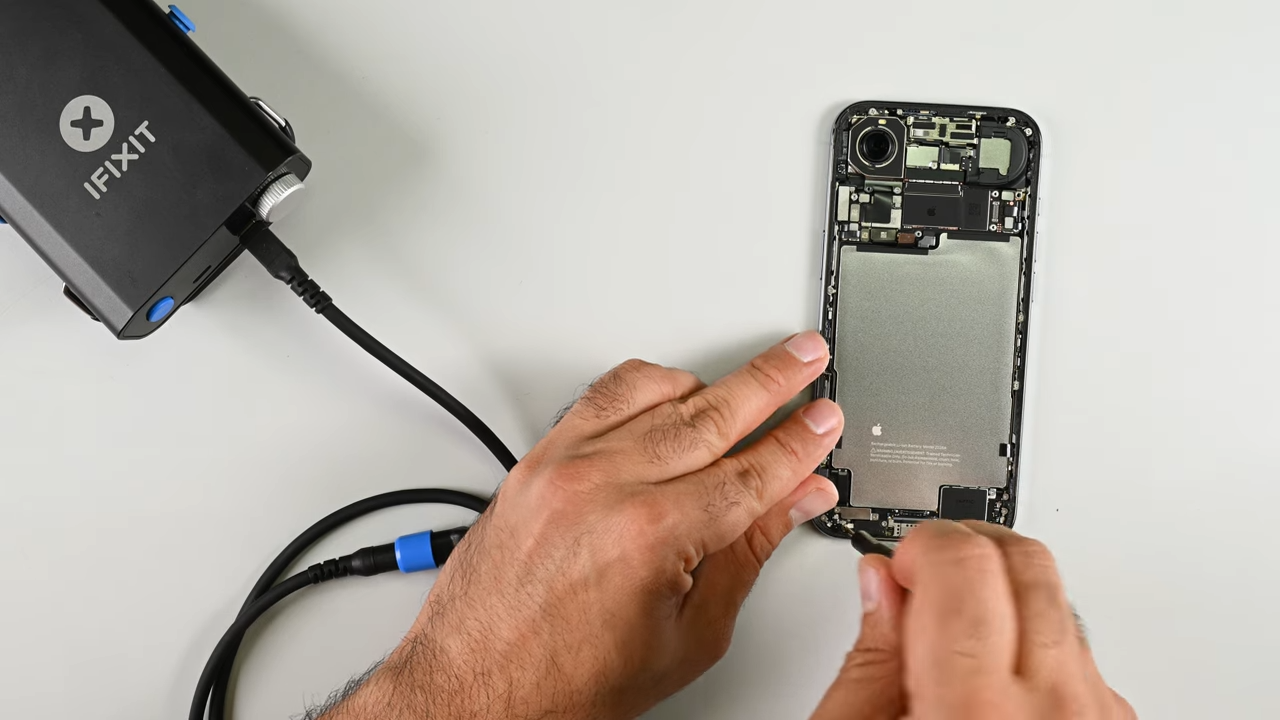
A modder has created the "Short Stack," a miniature version of the Nintendo Wii that fits the console's internal hardware into a 3D-printed enclosure roughly the size of a deck of playing cards. The mod sacrifices the disc drive but retains ports for GameCube controllers, and includes features like HDMI output and a microSD card slot. The creator, James Smith, designed custom PCBs for the console and made sacrifices in the name of miniaturization, such as replacing the GameCube controller ports with headphone jacks that work over a special adapter. The project aims to create a scale model of the original Wii, and further shrinkage may make assembly tricky.

"Mini Wii: Custom Parts Shrink Console to Deck of Cards Size"

Originally Published 1 year ago — by Hackaday

Featured image for "Mini Wii: Custom Parts Shrink Console to Deck of Cards Size"
Source: Hackaday

A modder has created what may be the smallest Nintendo Wii yet, roughly the size of a deck of cards, using a custom-built housing and original Wii motherboard cut down to the bare basics. Specialized PCBs handle power, data, video output, and memory, while additional custom PCBs were designed for power, micro SD card, HDMI connector, controller ports, and buttons. The build, nicknamed Short Stack, is just 7.4% the volume of an original Wii, and the modder believes it's possible to go even smaller in the future.

"Miniaturized Synth Maintains Its Quirky Charm"

Originally Published 2 years ago — by Hackaday

Featured image for "Miniaturized Synth Maintains Its Quirky Charm"
Source: Hackaday

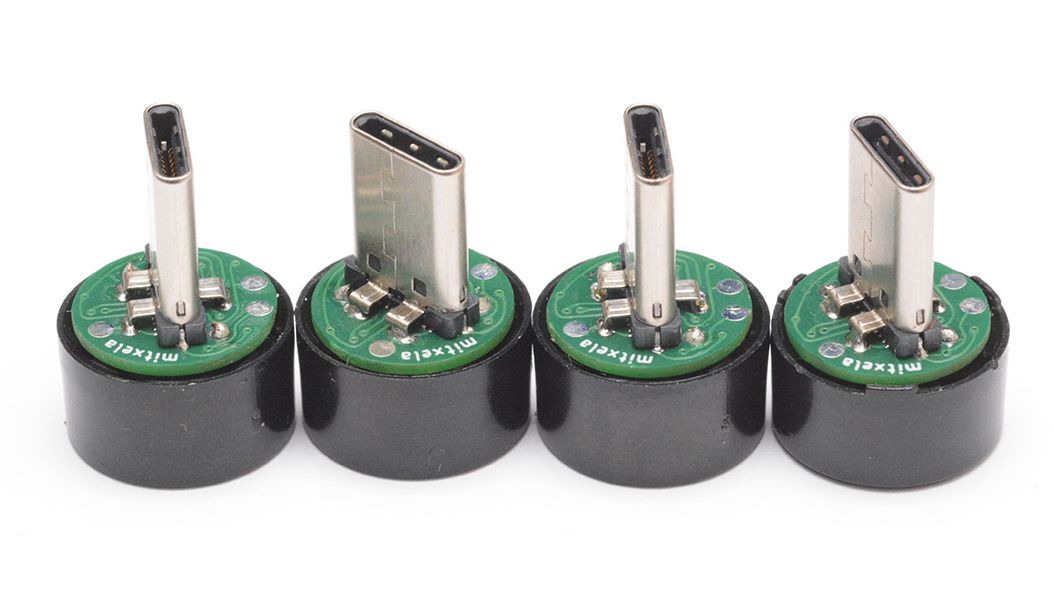
[mitxela] has built an even smaller and less useful synthesizer called the "Silly Synth," which fits all the components on a PCB smaller than a tiny piezo speaker. The synth runs on a CH32V003 microcontroller and features a USB-C plug. The crowded design showcases impressive routing, and the panelized design allows for mass production. [mitxela] continues to push the boundaries of miniaturization in synthesizer design.

Miniaturized Lasers: Unleashing Unprecedented Power on a Fingertip

Originally Published 2 years ago — by Interesting Engineering

Featured image for Miniaturized Lasers: Unleashing Unprecedented Power on a Fingertip
Source: Interesting Engineering

Scientists have developed a nanophotonic chip that houses ultrafast mode-locked lasers, which are typically large and expensive. These lasers generate extremely short pulses of light and have various applications in scientific, industrial, and medical fields. The miniaturized version of these lasers can fit on the tip of a fingertip, making them more practical for everyday use.

"Mark Rober's DNA Nerf Gun: Revolutionizing Medical Breakthroughs"

Originally Published 2 years ago — by CNET

Featured image for "Mark Rober's DNA Nerf Gun: Revolutionizing Medical Breakthroughs"
Source: CNET

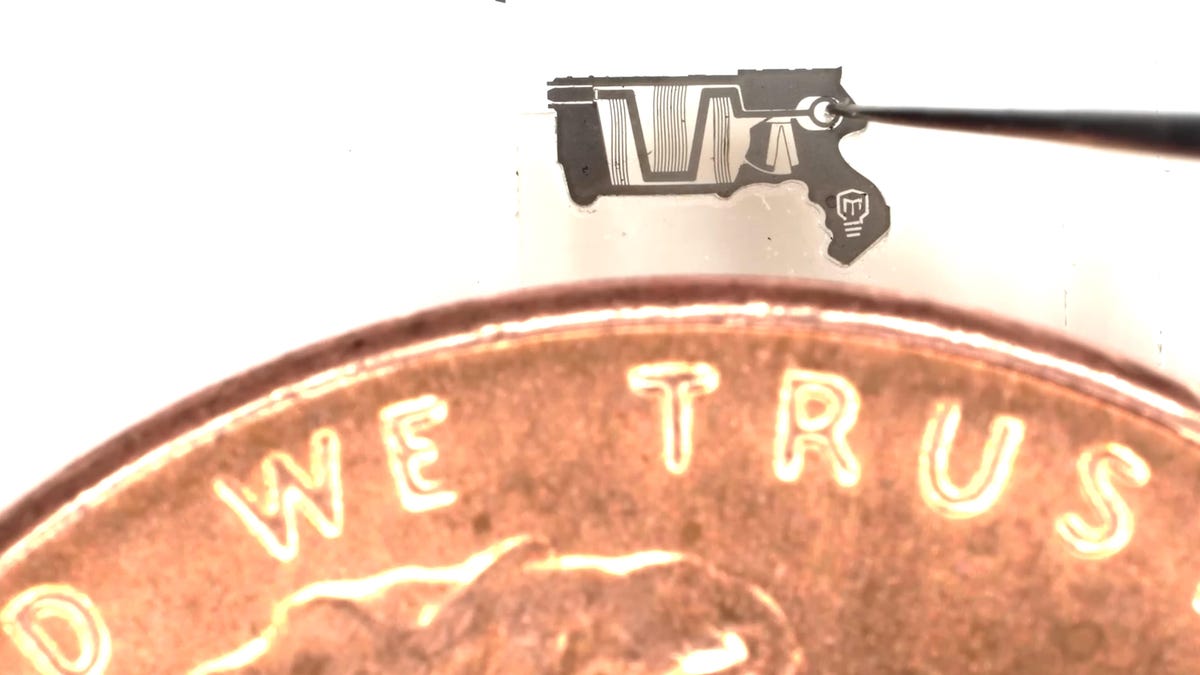
Mark Rober breaks the record for the world's smallest Nerf gun five times, culminating in ones made out of DNA using a technique called DNA origami. These nano Nerf guns, at 100 nanometers in length, could not be seen with the naked eye and required an atomic force microscope to view. Rober suggests that the technology behind these miniaturized Nerf guns could have potential applications in medical breakthroughs, such as targeting and eliminating cancer cells or enhancing healthy cells.

Miniature Particle Accelerator Powered by Lasers

Originally Published 2 years ago — by IFLScience

Featured image for Miniature Particle Accelerator Powered by Lasers
Source: IFLScience

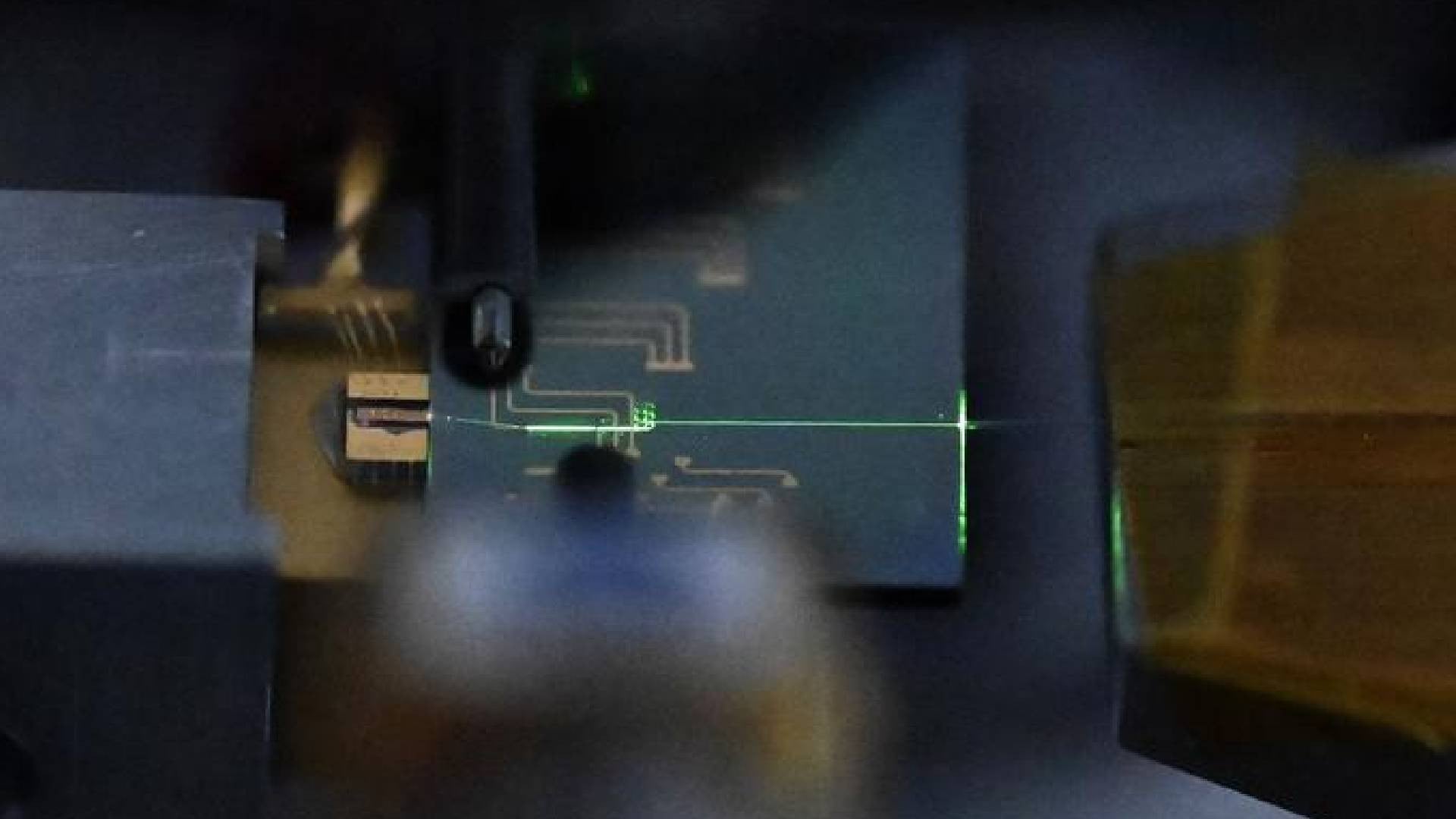
Scientists have developed a nano-accelerator that uses lasers to push electrons to high speeds, making it significantly smaller and potentially cheaper than traditional particle accelerators. These tiny machines, known as nanophotonic accelerators, are less than half a millimeter long and use short bursts of laser pulses to accelerate particles. While they are not yet capable of replacing larger accelerators like the Large Hadron Collider, they could address questions that don't require extreme acceleration and have potential applications in targeted medical treatments. The researchers at Freidrich-Alexander-Universität (FAU) and Stanford have made significant progress in this field, with the FAU team building a fully functional particle accelerator on a chip. The next goal is to increase the energy gain to a level suitable for medical use.

Revolutionary Miniature Particle Accelerator Unleashes Limitless Potential

Originally Published 2 years ago — by Livescience.com

Featured image for Revolutionary Miniature Particle Accelerator Unleashes Limitless Potential
Source: Livescience.com

Scientists have successfully fired up the world's smallest particle accelerator, known as a nanophotonic electron accelerator (NEA). The NEA, which is around the size of a small coin, consists of a microchip housing a vacuum tube made up of thousands of individual pillars. By firing mini laser beams at these pillars, researchers can accelerate electrons. In a recent study, the NEA increased the energy of electrons by around 43%. While the NEA's energy levels are much lower than those of larger particle accelerators like the Large Hadron Collider (LHC), its small size makes it suitable for potential medical applications, such as targeted radiotherapy.

Revolutionary Miniature Particle Accelerator Unveiled, Paving the Way for a Faster Future

Originally Published 2 years ago — by SciTechDaily

Featured image for Revolutionary Miniature Particle Accelerator Unveiled, Paving the Way for a Faster Future
Source: SciTechDaily

Researchers have developed nanophotonic electron accelerators, the size of a computer chip, using lasers to speed up electrons. This breakthrough could lead to miniaturized particle accelerators with lower costs and greater portability. The team at Friedrich-Alexander-Universität Erlangen-Nürnberg (FAU) successfully demonstrated the first nanophotonic electron accelerator, achieving a 43% gain in energy. The ultimate goal is to develop a particle accelerator on a chip for medical applications, such as direct internal radiotherapy. This achievement was also simultaneously demonstrated by researchers at Stanford University, with both teams collaborating on the "Accelerator on a chip" project funded by the Gordon and Betty Moore Foundation.

Advancements in Miniature Particle Accelerators: Coherent Nanophotonic Electron Acceleration

Originally Published 2 years ago — by Nature.com

Featured image for Advancements in Miniature Particle Accelerators: Coherent Nanophotonic Electron Acceleration
Source: Nature.com

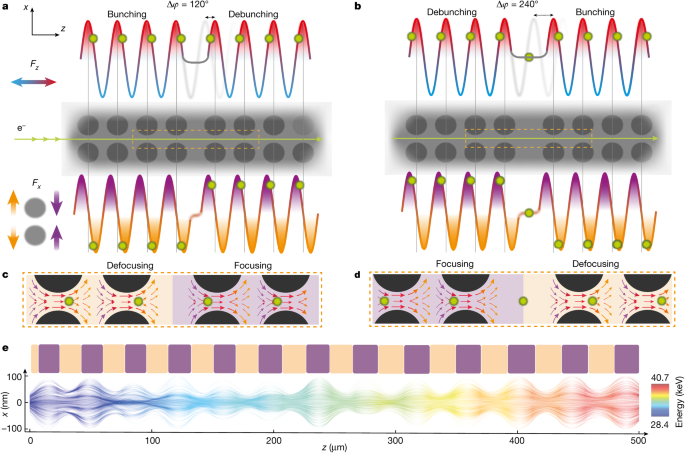
Researchers have developed a nanophotonic electron accelerator that combines particle acceleration and transverse beam confinement, enabling the acceleration and guidance of electrons over a distance of 500 μm in a 225-nm-wide channel. The accelerator achieved a maximum coherent energy gain of 12.3 keV, representing a 43% increase in energy. This breakthrough paves the way for the development of nanophotonic accelerators that offer high acceleration gradients and minimal size requirements, with potential applications in medicine, industry, materials research, and science.

Advancing Tiny Mechanical Devices with Compliant Mechanisms

Originally Published 2 years ago — by Hackaday

Featured image for Advancing Tiny Mechanical Devices with Compliant Mechanisms
Source: Hackaday

Mechanical engineer Mark Rober explores the concept of compliant mechanisms, which are single structures that combine the frame, spring mechanism, and trigger of a device. Collaborating with Brigham Young University, Rober designed an ant-sized blaster gun using compliant mechanisms and released the STL files for 3D printing. The design was further scaled down using carbon nanotubes and even self-assembled using DNA structures. While the practical applications are uncertain, compliant mechanisms hold potential for advancements in medical science and miniaturization.

"Water-Powered Nano Rocket Thruster: Fingertip-Sized Innovation"

Originally Published 2 years ago — by Interesting Engineering

Featured image for "Water-Powered Nano Rocket Thruster: Fingertip-Sized Innovation"
Source: Interesting Engineering

Researchers from Imperial College London have developed a nano rocket engine called the ICE-Cube Thruster that runs on water and could be used to maneuver small satellites in space. The engine utilizes electrolysis to split water into hydrogen and oxygen, which are then fed into a combustion chamber and nozzle less than 1mm in length to produce thrust. This eliminates the need for bulky storage tanks, making it easier to miniaturize propulsion systems.

"Microscopic Louis Vuitton Handbag Fetches $63K in Record Sale"

Originally Published 2 years ago — by USA TODAY

Featured image for "Microscopic Louis Vuitton Handbag Fetches $63K in Record Sale"
Source: USA TODAY

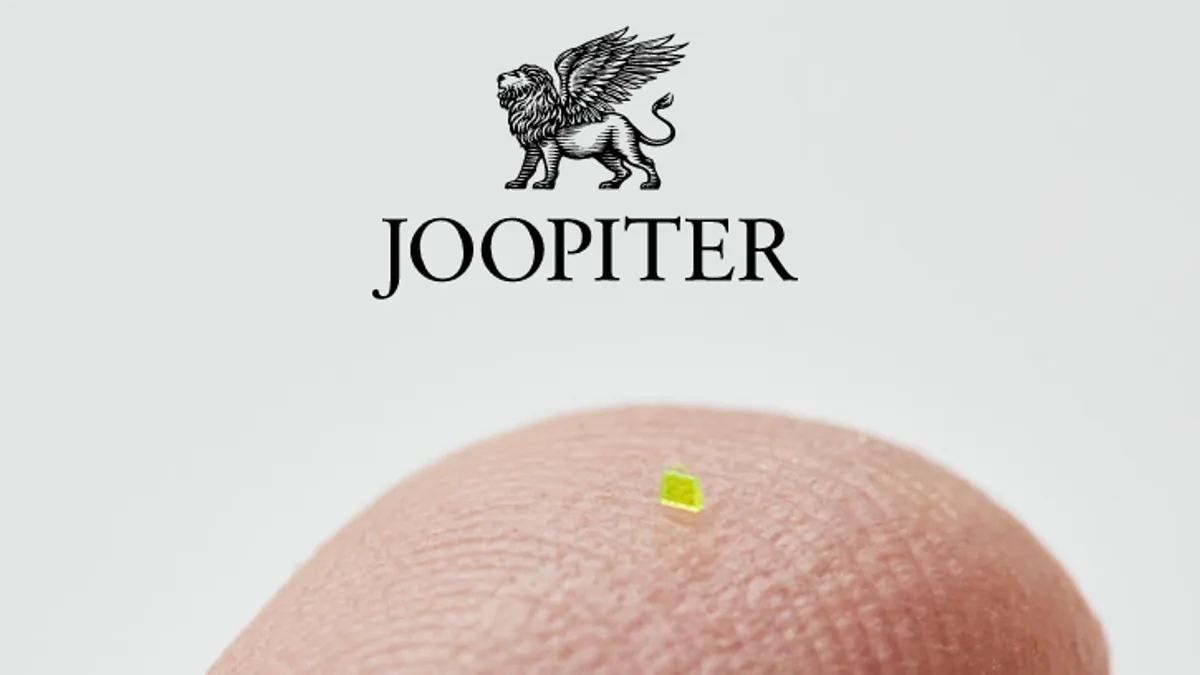
A microscopic handbag, smaller than a grain of salt, sold for over $63,000 at an online auction. Created using 2-photon polymerization printing methods, the fluorescent yellow-green tote resembles a popular Louis Vuitton design and features a built-in digital display. The bag, produced in 2023, was described as the ultimate symbol of bag miniaturization and a pure brand signifier. Bidding started at $15,000 and concluded at $63,750.