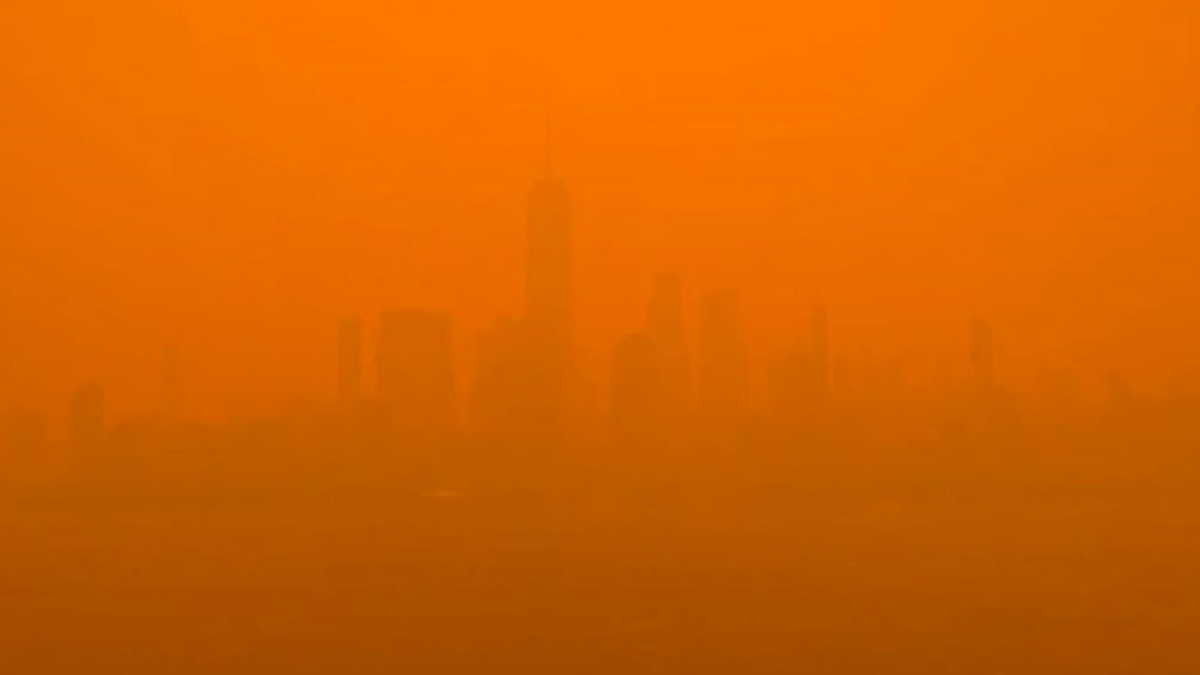
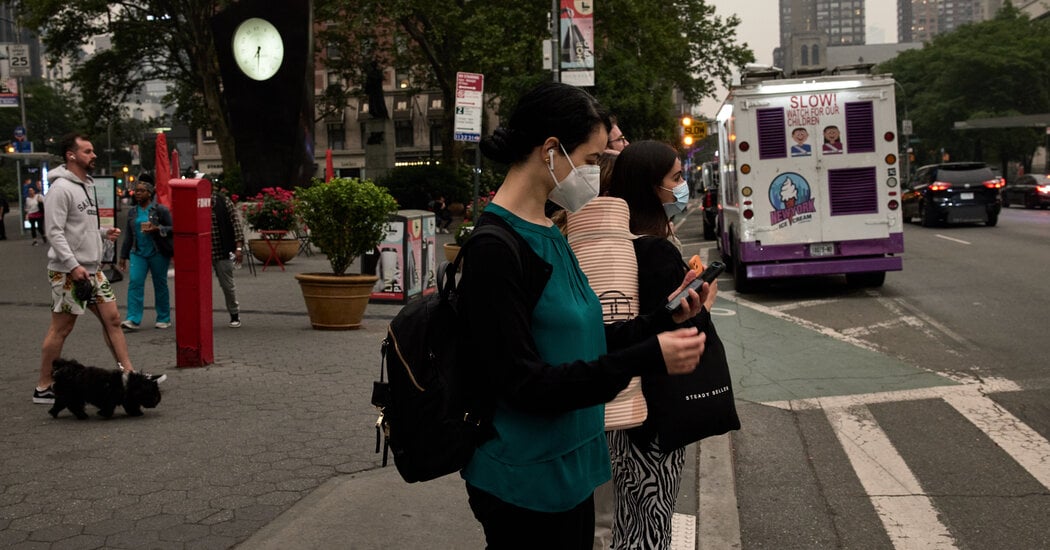
The article discusses the impact of wildfires on air quality, emphasizing the importance of protective equipment like N95 masks and air purifiers to safeguard respiratory health during wildfire seasons, which are becoming more severe due to climate change.
A University of Maryland study found that N95 masks, particularly "duckbill" types, are nearly perfect at blocking COVID-19, capturing 98% of exhaled virus. The study also revealed that cloth masks outperformed KN95 masks, while surgical masks were the least effective but still blocked 70% of the virus. Researchers emphasize the importance of mask-wearing, especially N95s, in high-risk settings to control the spread of respiratory viruses.
A University of Maryland study found that N95 masks, particularly the "duckbill" design, are highly effective in blocking 98% of COVID-19 particles from escaping into the air, outperforming other mask types. The research underscores the importance of mask-wearing in controlling airborne viruses and suggests that duckbill N95 masks should be standard in high-risk settings.
Healthcare workers and experts fear that the CDC's revisiting of guidelines on airborne transmission may prioritize profits over protection, as it did in the early months of the Covid-19 pandemic. Concerns stem from the CDC's initial advice against widespread use of N95 masks and its current draft guidelines that may leave room for unsafe decisions on protection against airborne infections. Critics worry that if the final guidelines don't emphasize the need for N95 masks and ventilation, it could lead to shortages and inadequate protection for healthcare workers in future health emergencies.
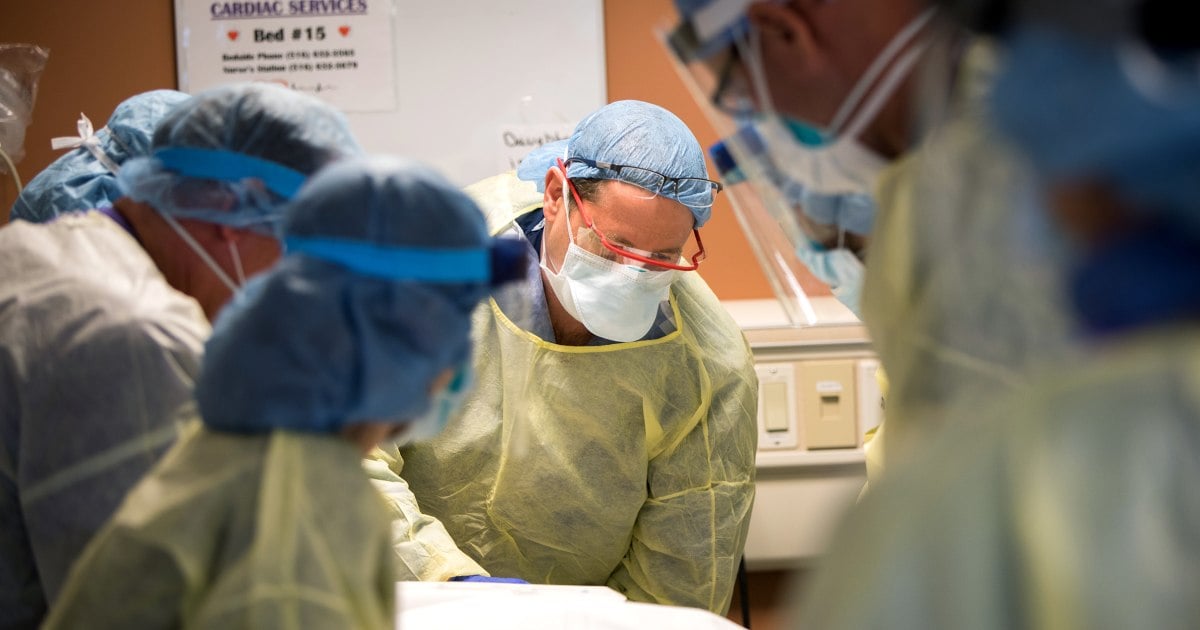
Health care workers are outraged by the expected new guidelines from the Centers for Disease Control and Prevention (CDC) regarding N95 masks. The draft proposals suggest that N95 masks are equivalent to surgical masks in certain settings, leading to concerns about reduced protection against the coronavirus and other airborne pathogens in hospitals. Many health care professionals and scientists argue that N95 masks, along with ventilation and air-purifying technology, are crucial in lowering Covid transmission rates within hospital walls. Critics also point out that the draft guidelines contradict previous research that supports the effectiveness of N95 masks in preventing infection. The CDC advisory committee has postponed the vote on the changes until November, allowing for further feedback and evaluation.
Health care workers are expressing outrage over draft proposals from the Centers for Disease Control and Prevention (CDC) that suggest loosening mask advice in hospitals, potentially reducing protection against the coronavirus and other airborne pathogens. The draft controversially concludes that N95 masks are equivalent to surgical masks in certain settings, contradicting previous research. Health care professionals warn that this could harm patients and providers, especially as COVID-19 cases continue to rise. Concerns have been raised about the CDC's direction and the potential impact on patient safety and the ability to respond to future health crises. The CDC's advisory committee is expected to vote on the changes in November.
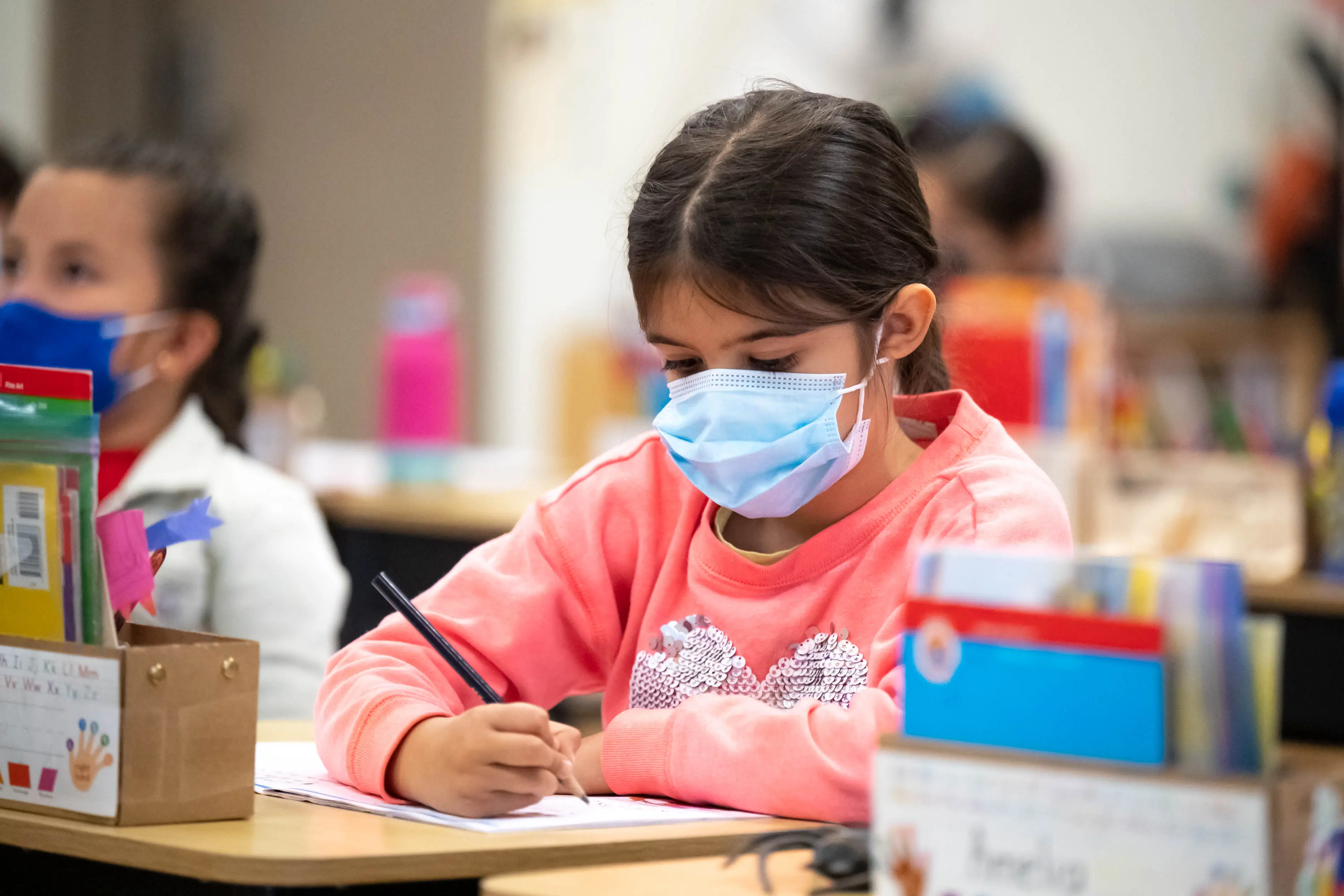
Rosemary Hills Elementary School in Montgomery County, Maryland has reinstated a mask mandate for third-graders after a few students tested positive for COVID-19. The school sent a letter to parents explaining that N95 masks will be required for the next 10 days in order to prevent further transmission. At-home rapid test kits will also be provided, and testing is recommended 5 days after exposure or when symptoms occur. Experts suggest that COVID-19 and its variants are likely to remain a permanent part of life.
A study published by the National Institutes of Health (NIH) suggests that N95 masks, considered the gold standard for Covid protection, may expose wearers to dangerous levels of toxic chemicals. The study found that disposable medical-grade masks released eight times the recommended safety limit of toxic volatile organic compounds (TVOCs), which can cause health issues and organ damage. Cloth masks, on the other hand, had significantly lower levels of TVOCs and were deemed harmless. However, the study did not measure the effects of wearing the masks. Experts caution against drawing strong conclusions from the study but acknowledge the need for policies that balance protection and societal impact.
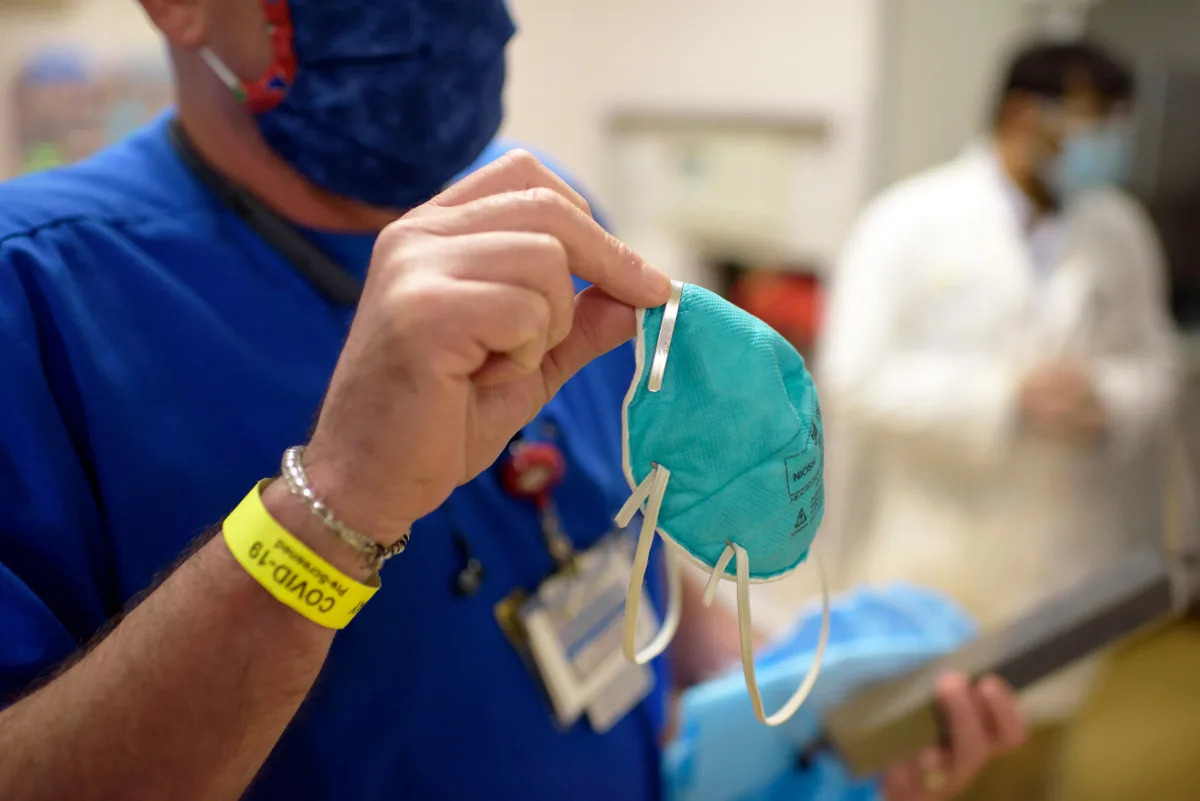
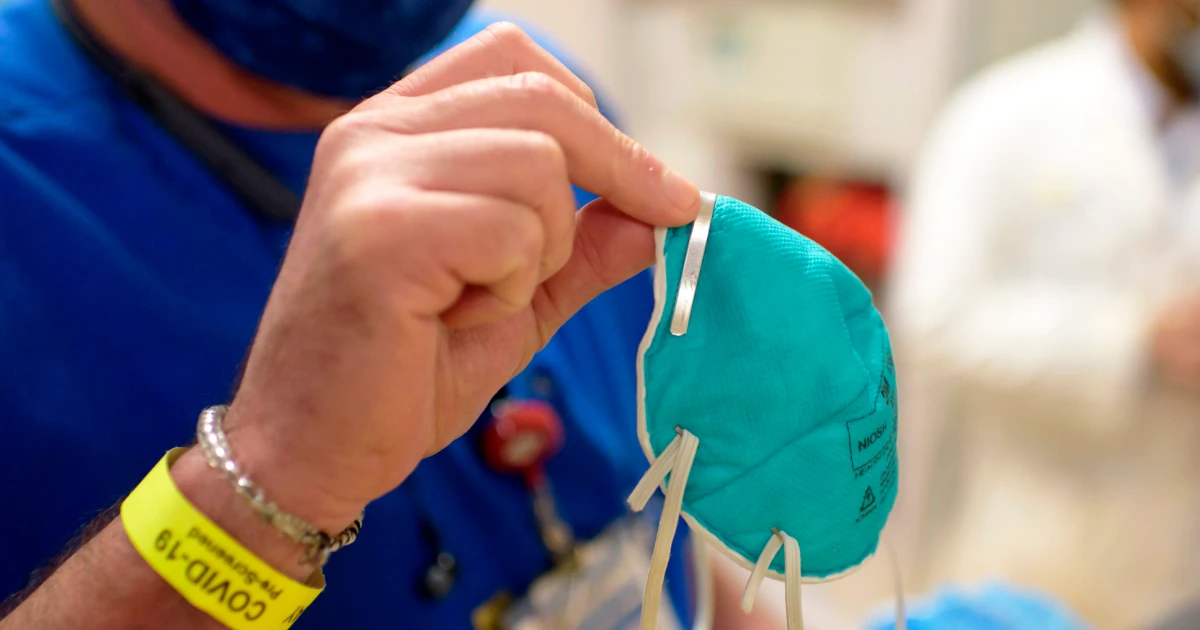
Experts are recommending the use of N95 masks, particularly for high-risk individuals, as Covid-19 cases continue to rise. This includes people with underlying health conditions such as diabetes, cancer, and heart disease, as well as those who are immunocompromised or over the age of 65. The CDC currently does not make a broad recommendation for everyone to wear masks, but this could change if hospitalizations reach critical levels. The rise in cases is attributed to factors such as new variants and waning immunity. A new booster shot is expected to provide better protection against circulating strains of Covid-19. Some institutions are already reinstating mask mandates, and pediatricians are preparing for a surge in respiratory illnesses as schools reopen. Despite the concerns of experts, many Americans are not changing their behavior in response to the recent increase in cases. Experts emphasize the need for continued adaptation and vigilance in the face of the ongoing pandemic.
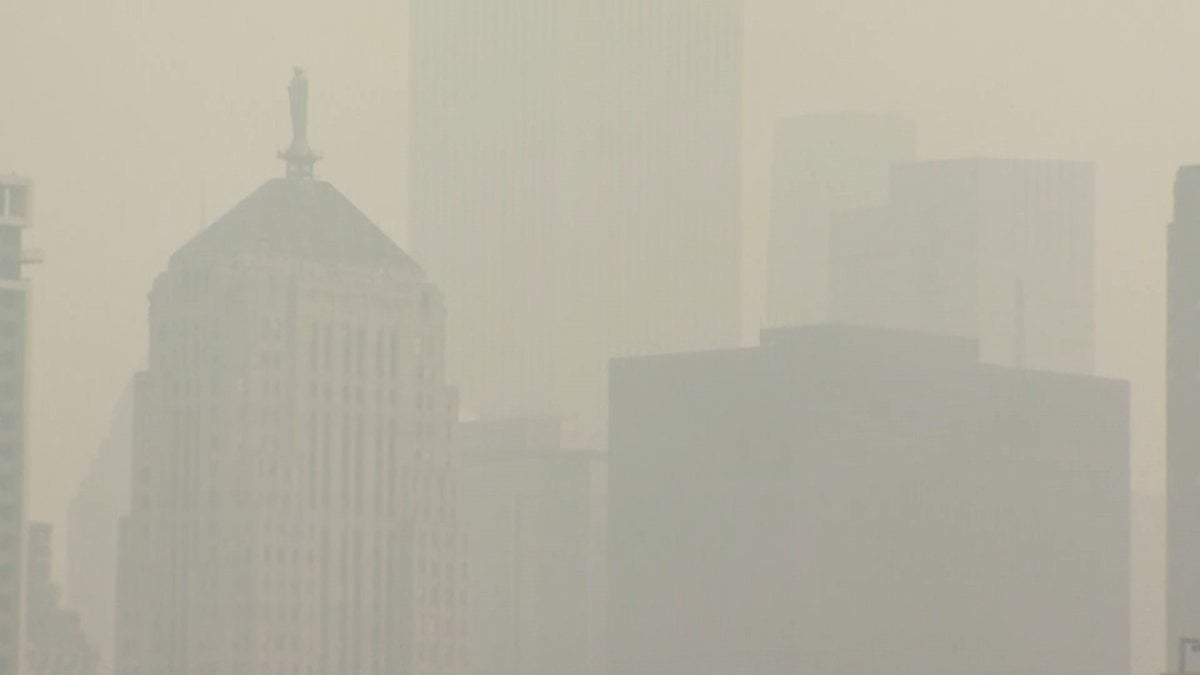
Air quality in Chicago has reached hazardous levels due to wildfire smoke from Canada, with the Air Quality Index rising to 228, among the worst in the world. Dr. Ravi Kalhan warns that breathing the current air quality is equivalent to smoking half-a-pack of cigarettes a day, posing long-term risks to heart and lung health. The Chicago Department of Public Health advises individuals with chronic lung diseases and heart conditions to stay indoors and recommends wearing N95 or KN95 masks for prolonged outdoor activities. Operating air purifiers and keeping windows closed are also recommended.
The New York Department of Environmental Conservation and the State Department of Health issued another air quality health advisory for all of New York on Thursday, with the exception of Adirondacks, due to the Canadian wildfires. The agencies expected air quality to remain at “unhealthy” levels for the New York City Metro area, Long Island, Eastern Lake Ontario, and Central and Western New York through Thursday. New York state officials recommended people limit their time outdoors to reduce their exposure to the smoke and keep windows to homes and buildings closed. Residents are also being urged to avoid strenuous outdoor activities and any prolonged exposure to the air outdoors. People in New York City can obtain the free N95 face masks being offered by the government at various locations.
Governor Hochul announced that one million high-quality N95-style masks will be made available to New Yorkers due to the ongoing Canadian wildfires that continue to impact air quality throughout the state. The masks will be distributed at state-owned facilities in the New York City area and local governments' stockpiles for further distribution to the general public. The Governor urged schools to cancel outdoor activities in impacted regions and encouraged New Yorkers to limit outdoor activity and monitor any negative health impacts.
New York Governor Kathy Hochul announced that 1 million N95 masks will be made available to New Yorkers on Thursday due to the poor air quality caused by smoke from Canadian wildfires. The masks will be available at various locations throughout the city, and an additional 600,000 masks will be available for local governments to pick up. Hochul also encouraged business owners to take precautions for outdoor dining and to encourage more indoor dining. The state has been monitoring the air quality for several days and has been in constant communication with Mayor Eric Adams' staff.
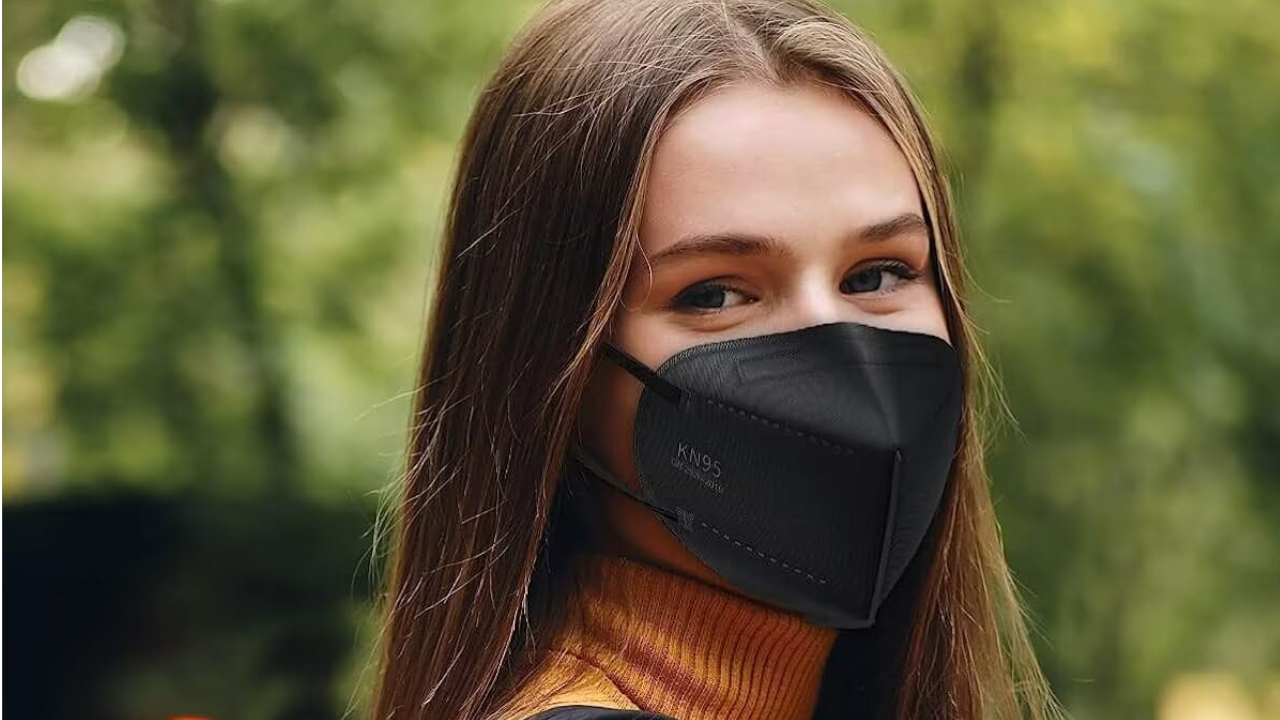
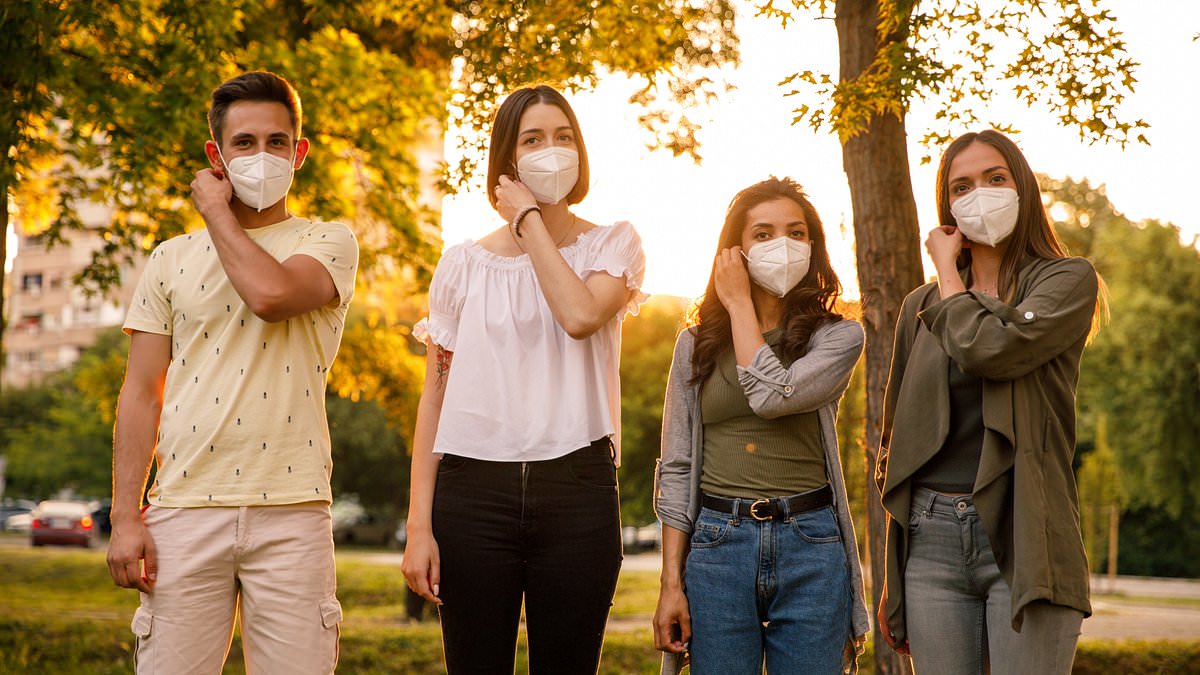
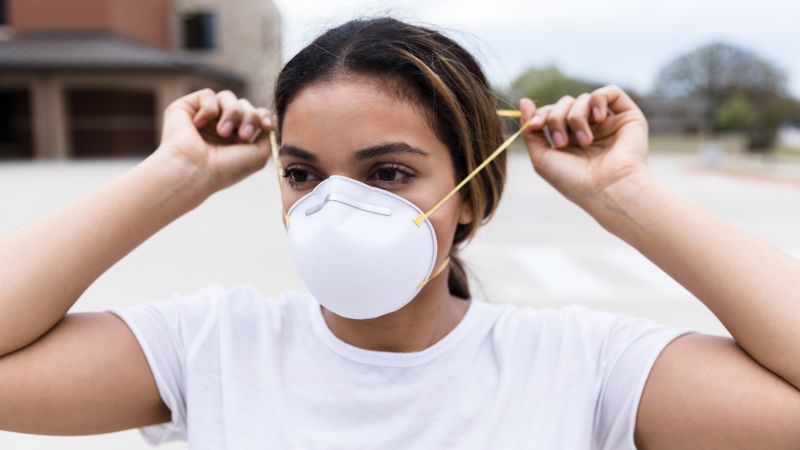
As smoke from wildfires in Canada drifts over large parts of the United States, the best thing to do to prevent breathing in pollutants is to stay indoors. But if you have to go outside, use N95 or better masks that cover both your nose and mouth, as they can filter tiny particles found in the wildfire smoke. Surgical masks, scarves, or bandannas won't be effective. Experts advise taking the smoke seriously and using air purifiers indoors.