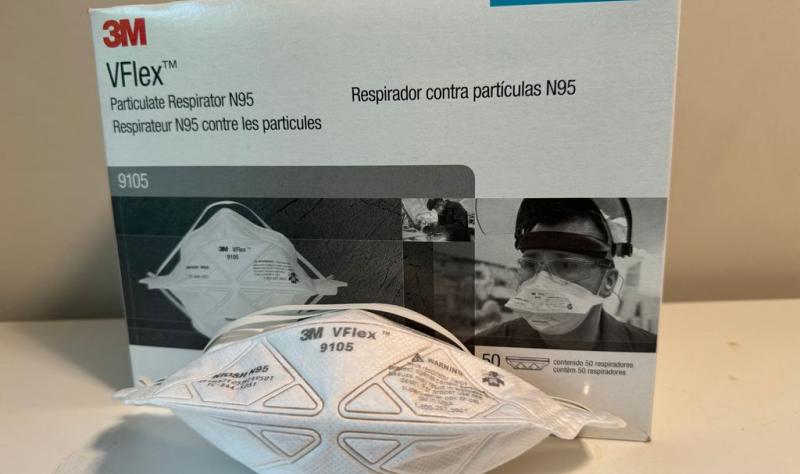
A University of Maryland study found that N95 respirators, particularly the "duckbill" type, are highly effective in preventing SARS-CoV-2 leakage into the air, blocking 98% of the virus. The research compared various face coverings and highlighted the superior performance of N95s over cloth, surgical masks, and KN95s, suggesting N95s should be the standard in healthcare settings during high transmission periods.

A University of Maryland study found that N95 masks, particularly "duckbill" types, are nearly perfect at blocking COVID-19, capturing 98% of exhaled virus. The study also revealed that cloth masks outperformed KN95 masks, while surgical masks were the least effective but still blocked 70% of the virus. Researchers emphasize the importance of mask-wearing, especially N95s, in high-risk settings to control the spread of respiratory viruses.
A recent interview with Linsey Marr, a professor specializing in aerosol science, sheds light on the effectiveness of face masks in preventing the spread of COVID-19. While no mask is 100% effective, high-quality masks can block particles carrying the virus. Masks act as filters, reducing the amount of virus inhaled from the surrounding air. Research has shown that even masks with 80% efficiency offer meaningful protection. Concerns about contaminated masks causing infection have been debunked, as studies have found no infectious virus transferred from masks to artificial skin.
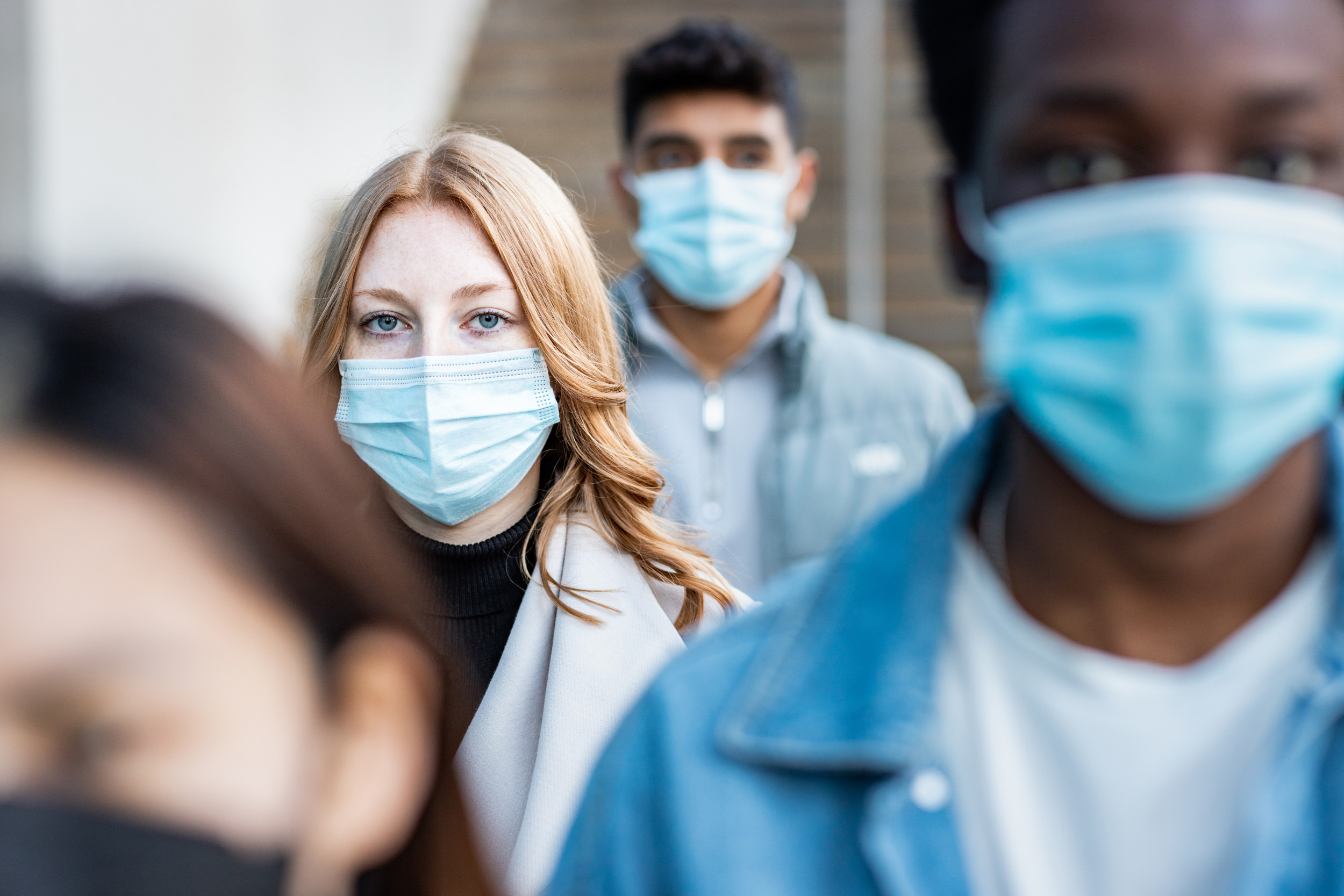
As the new COVID-19 variant, Eris, spreads rapidly across the globe, scientists are urging people to wear masks again. Multiple studies have shown that masks, including cloth masks, surgical masks, and N95 respirators, are effective in reducing the risk of COVID-19 transmission. While some previous studies cast doubt on mask efficacy, experts clarify that these interpretations were flawed. Wearing masks can help protect both individuals and the community by reducing the risk of infection and the spread of the virus. With Eris being a highly immune evasive variant, masks become even more important as booster vaccinations may not provide sufficient protection. Masks, along with ventilation, can help reduce the risk of high viral load exposure.