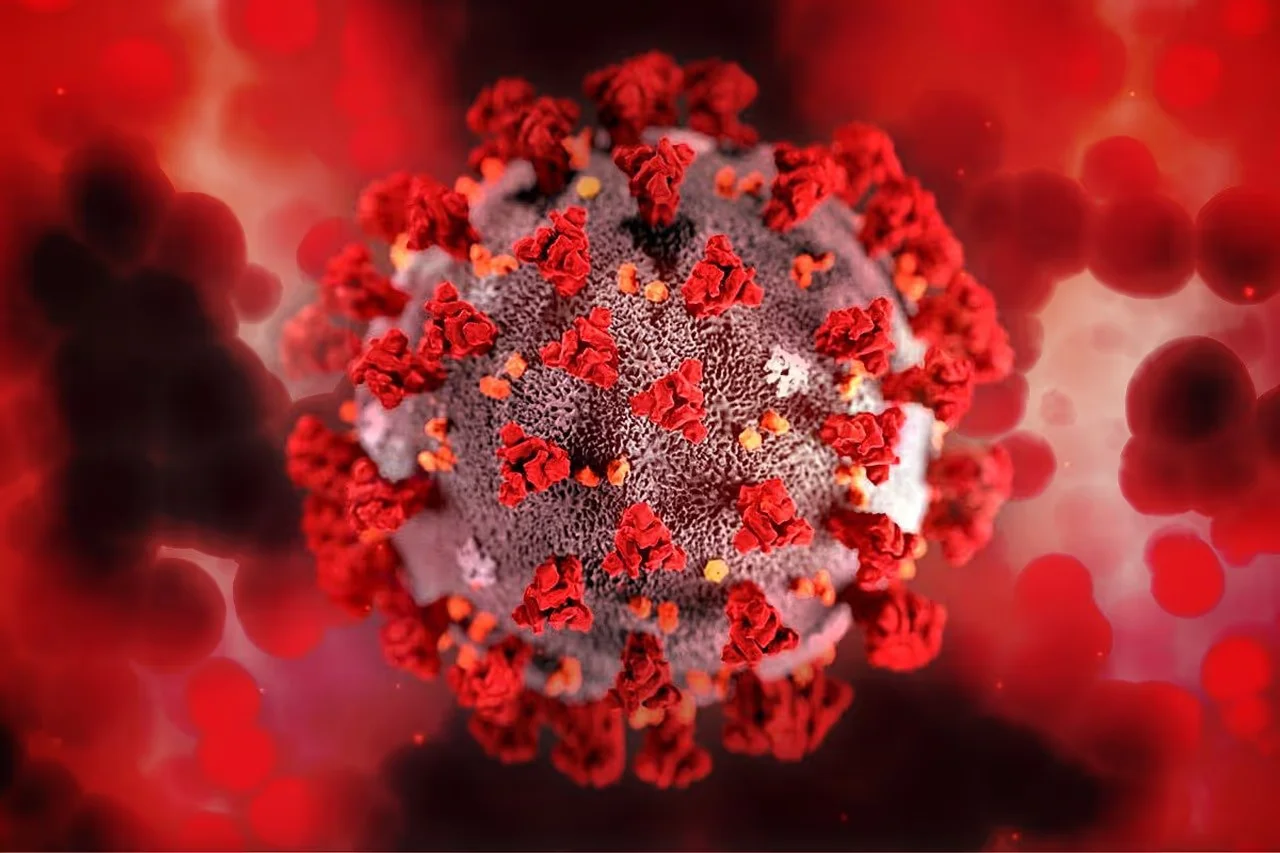
COVID-19 activity is increasing in parts of the U.S., especially in the Northeast and Western states, with the XFG (Stratus) and Nimbus variants now dominant. While overall cases are lower than pandemic peaks, the virus remains a concern, and new vaccine recommendations have been issued for winter 2025. Monitoring wastewater levels helps track community spread, and precautions are advised for at least five days after infection. Vaccination remains a key tool, especially for vulnerable populations.
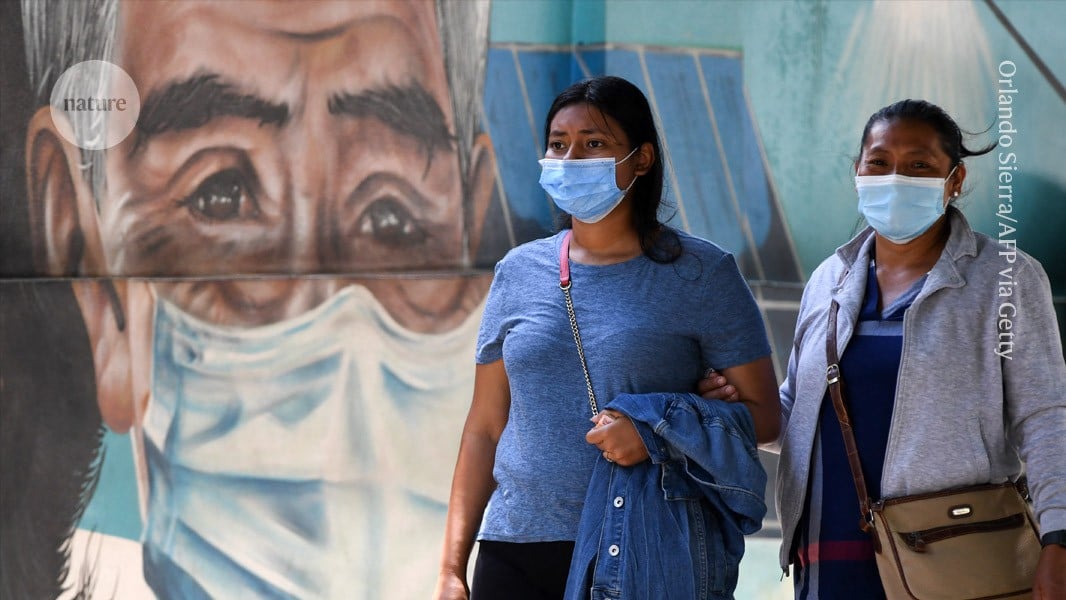
COVID-19 cases are rising globally, but surveillance is less comprehensive than during the pandemic, making it difficult to fully understand the current spread and variants like Stratus and Nimbus. These variants have symptoms similar to previous strains, with Nimbus notably causing a 'razor blade' sore throat. Despite limited data, current surveillance helps assess vaccine effectiveness, and vaccination remains crucial, especially for vulnerable populations.

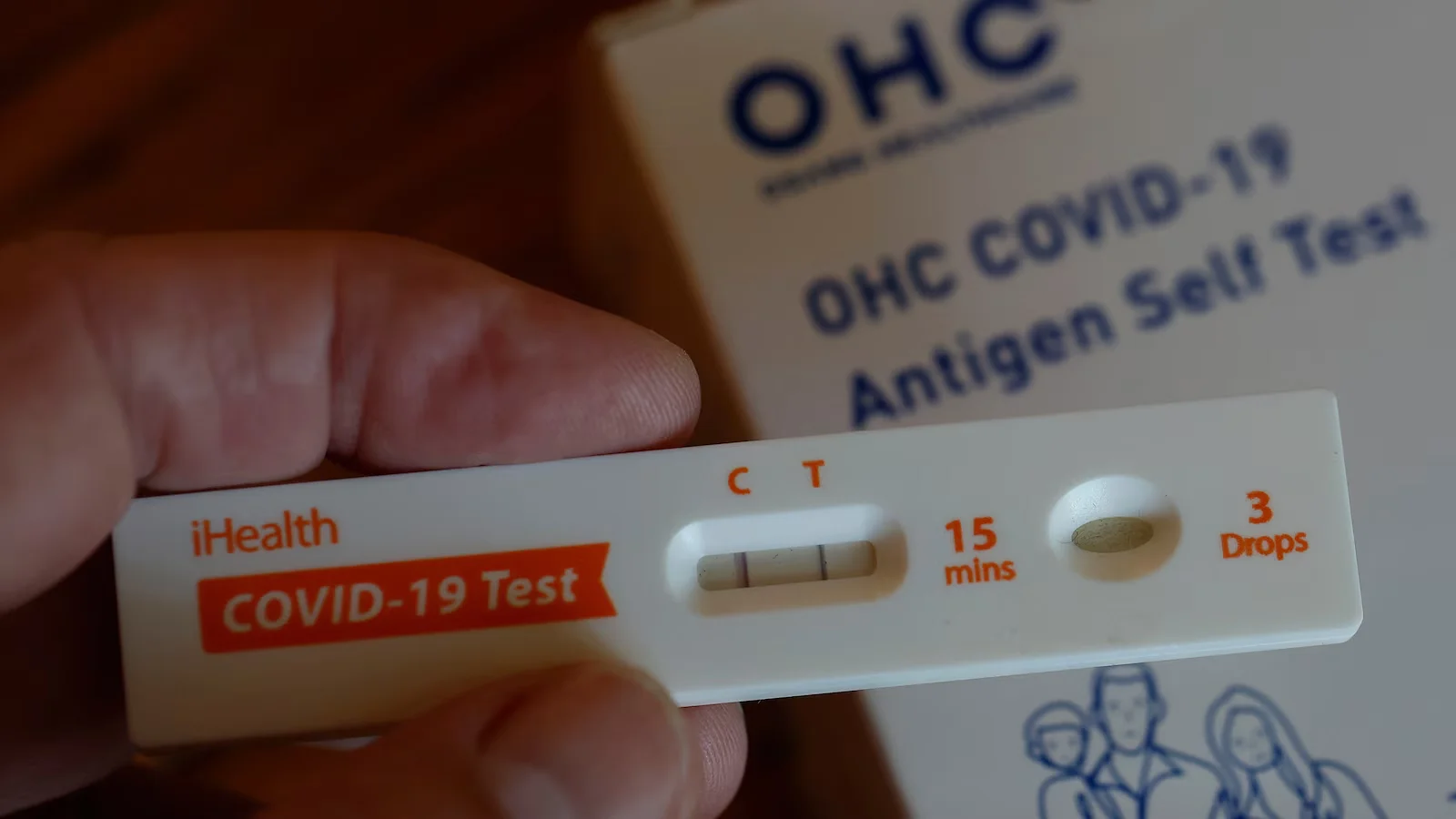
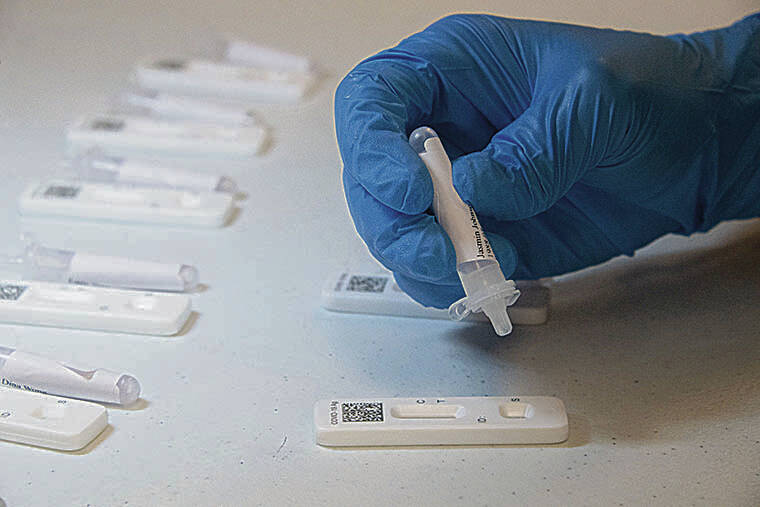
Covid cases are rising in the UK due to new variants Nimbus and Stratus, which do not seem more dangerous but may cause distinctive symptoms like a sore throat. Experts recommend vaccination, especially for vulnerable groups, and continued precautions to prevent spread as reinfections remain possible. Testing is less accessible for free, but available at pharmacies and clinics.
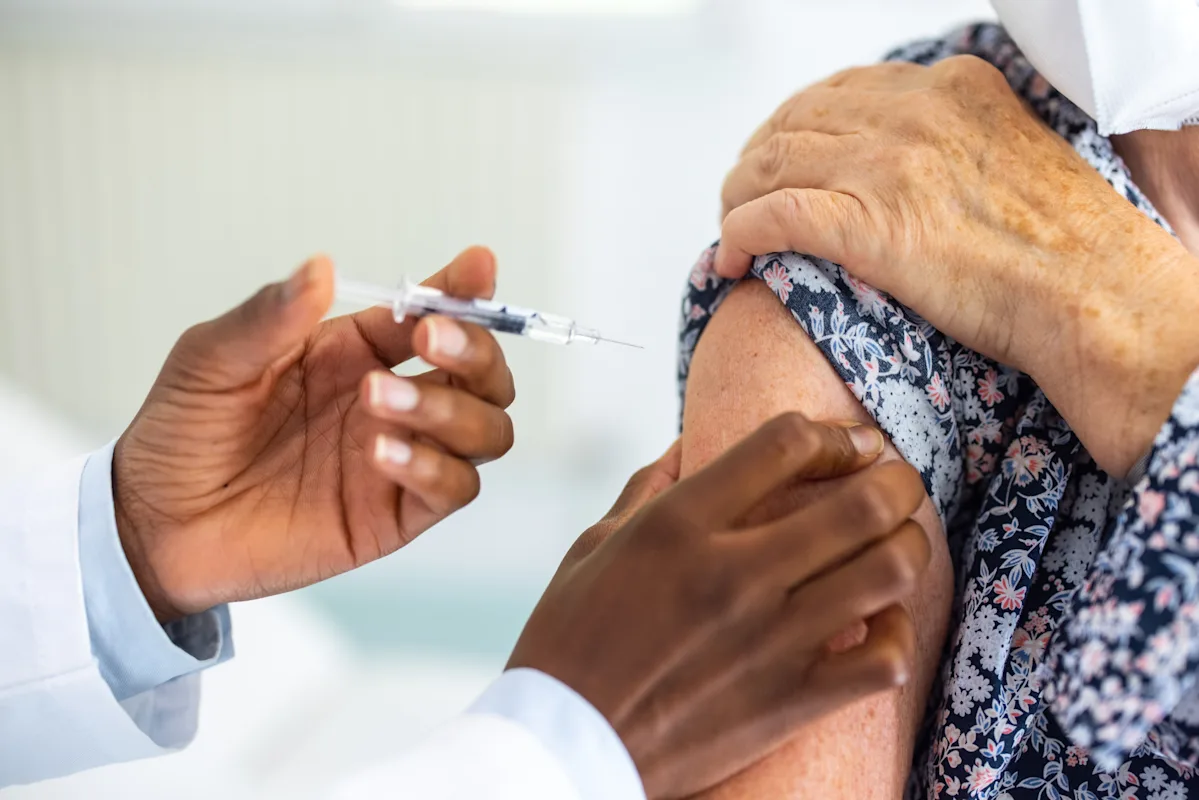
The eligibility for the updated COVID-19 vaccine is currently limited to those 65 and older or at high risk of severe illness, with ongoing changes in recommendations and access depending on state policies and insurance coverage. Experts advise consulting healthcare providers and local health departments for the latest information and vaccination options, as guidelines are still evolving.
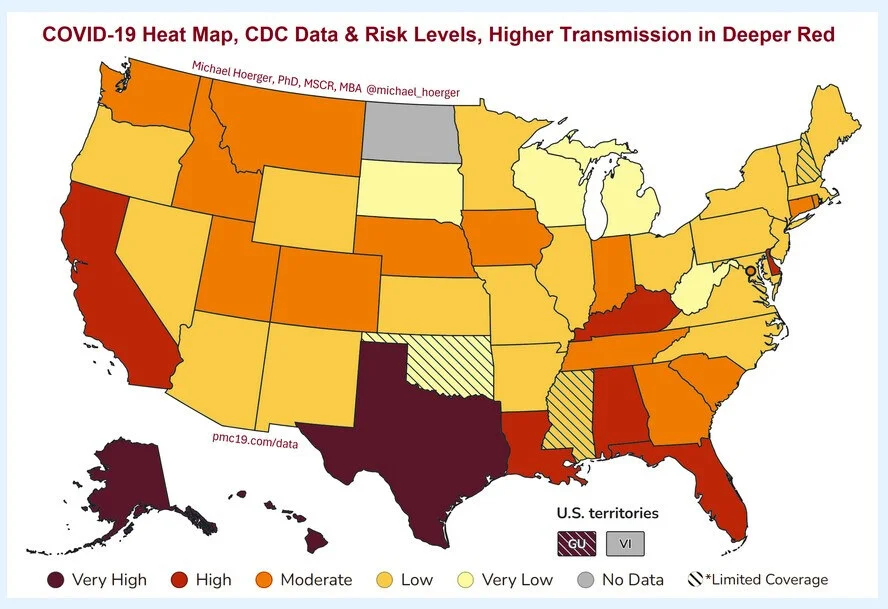
COVID-19 cases are rising again in Texas, California, Oregon, Nevada, and New Mexico, driven by new variants Stratus and Nimbus, though they are not more severe. Data is less reliable due to funding cuts, but increased hospital visits and positivity rates indicate a resurgence, especially in the South Central and Western US.
COVID-19 cases and hospitalizations are rising in the US but remain lower than last year, with new variants like XFG dominating. Vaccination efforts are ongoing, though rollout varies by state, and experts advise caution as the country enters respiratory virus season.
COVID-19 cases are rising again in the U.S., especially in the West and South Central regions, driven by new variants Stratus and Nimbus. While overall rates are lower than previous peaks, testing and positivity rates suggest more cases than detected. Precautions like vaccination, testing, mask-wearing, and staying home when sick are recommended to prevent severe illness and spread, with vaccine eligibility now more restricted but still crucial for high-risk groups.
Western states are currently at a very high risk for COVID-19 due to circulating variants like 'stratus,' with wastewater data indicating elevated viral activity, especially in Utah, Nevada, Texas, Alaska, and Hawaii, amidst ongoing concerns about variant spread and vaccination confusion.
COVID-19 cases are rising again with the dominant strain being the XFG variant, a hybrid of Omicron strains. Updated vaccines targeting the current circulating variants are expected to be available in the fall, likely around September, primarily for high-risk groups and older adults. Public health experts recommend vaccination and preventive measures like masking, especially for vulnerable populations, as the new vaccines are designed to prevent severe illness and hospitalizations. The exact eligibility and coverage details for the upcoming vaccines are still being finalized.
COVID-19 cases are rising again in the US with a summer wave, but severe illness remains low. Updated vaccines are delayed and may only be approved for high-risk groups until mid-September, raising concerns about access for vulnerable populations. Experts recommend staying current with vaccines, wearing masks, and practicing good hygiene to protect oneself and others.
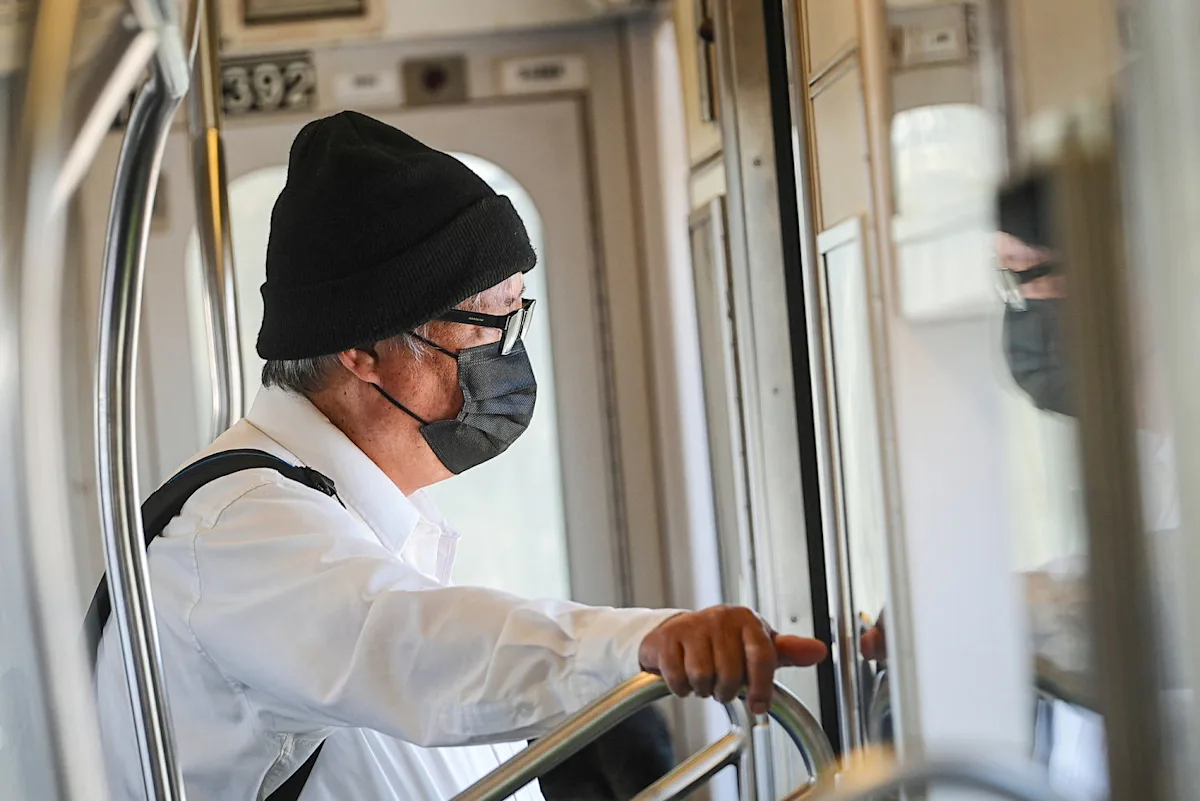
The article reports a resurgence of Covid-19 in the US with a summer wave, ongoing variant tracking, updates on vaccination plans, and discussions on Covid-related health risks and political issues affecting pandemic response.
The article discusses the resurgence of COVID-19 due to new variants, the ongoing failure of official narratives claiming the pandemic is over, and the systematic dismantling of public health infrastructure under Kennedy's administration, which exacerbates health crises and long-term neurological damage, highlighting a class warfare approach that prioritizes profits over human lives.
Covid cases are rising across more than half of the U.S. with the dominant variant being N.B.1.8.1, but hospitalization rates remain low. Updated vaccines targeting the LP.8.1 strain are expected in the fall, primarily for high-risk groups. Experts suggest high-risk individuals consider vaccination and precautions, while healthy adults may wait. The summer surge is expected to be small, with potential waves in late fall and winter.
Hawaii health officials are warning of a rise in COVID-19 cases, with increased test positivity rates and hospitalizations, driven by new variants Nimbus and Stratus. They recommend vaccinations, staying home when sick, and wearing masks, especially for high-risk groups, amid a broader summer wave across the U.S.
COVID-19 cases are rising in some US states due to highly transmissible Omicron variants, with increased wastewater viral levels indicating a potential upcoming surge, driven by factors like indoor air conditioning, summer travel, and waning immunity.