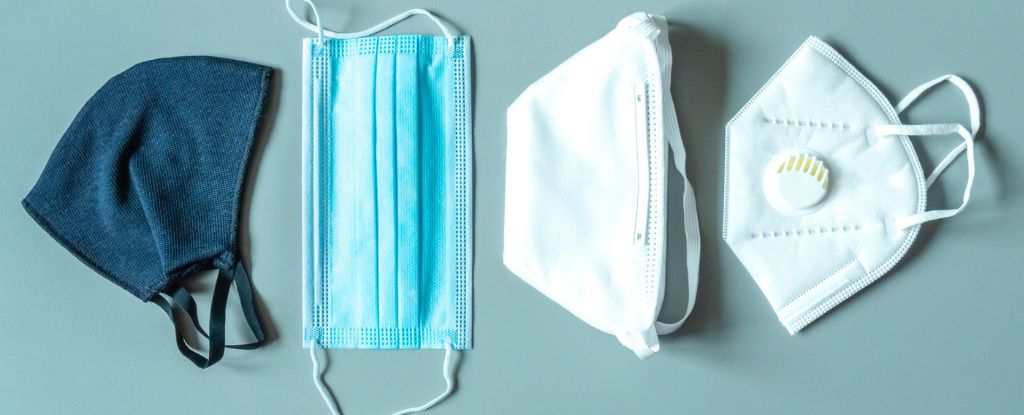
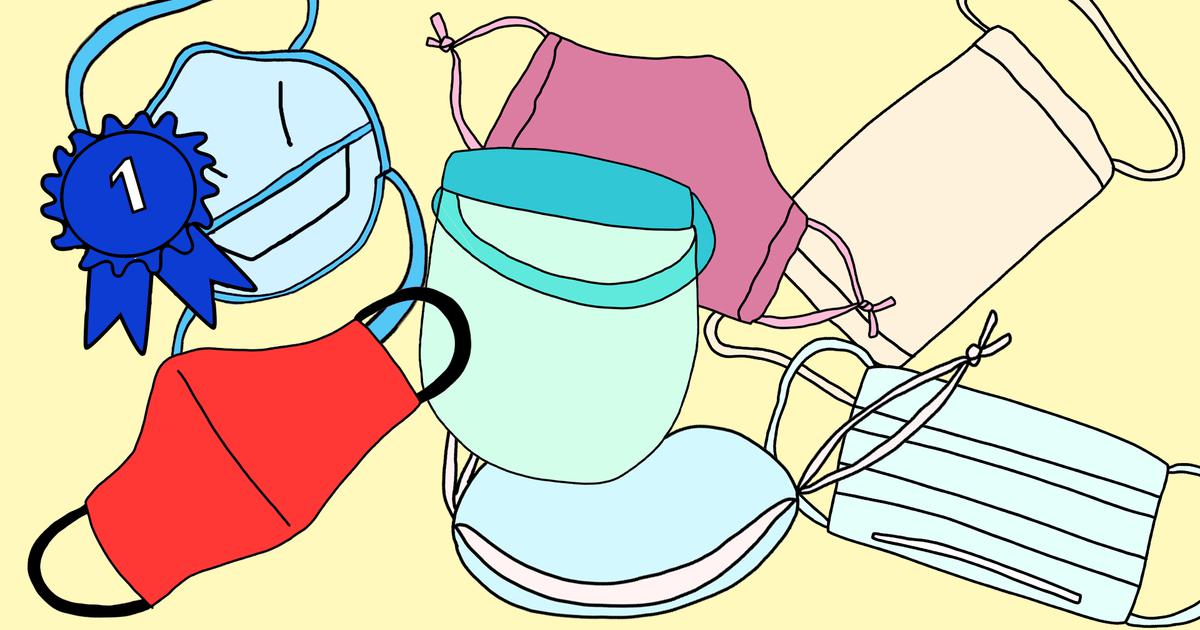
A study by the University of Maryland found that duckbill N95 masks are significantly more effective at blocking COVID-19 particles than other types of masks, including cloth, surgical, and KN95 masks. The N95 masks blocked 98-99% of viral particles, making them the best option for high-risk situations.
A University of Maryland study found that N95 masks, particularly "duckbill" types, are nearly perfect at blocking COVID-19, capturing 98% of exhaled virus. The study also revealed that cloth masks outperformed KN95 masks, while surgical masks were the least effective but still blocked 70% of the virus. Researchers emphasize the importance of mask-wearing, especially N95s, in high-risk settings to control the spread of respiratory viruses.
A University of Maryland study found that N95 masks, particularly the "duckbill" design, are highly effective in blocking 98% of COVID-19 particles from escaping into the air, outperforming other mask types. The research underscores the importance of mask-wearing in controlling airborne viruses and suggests that duckbill N95 masks should be standard in high-risk settings.
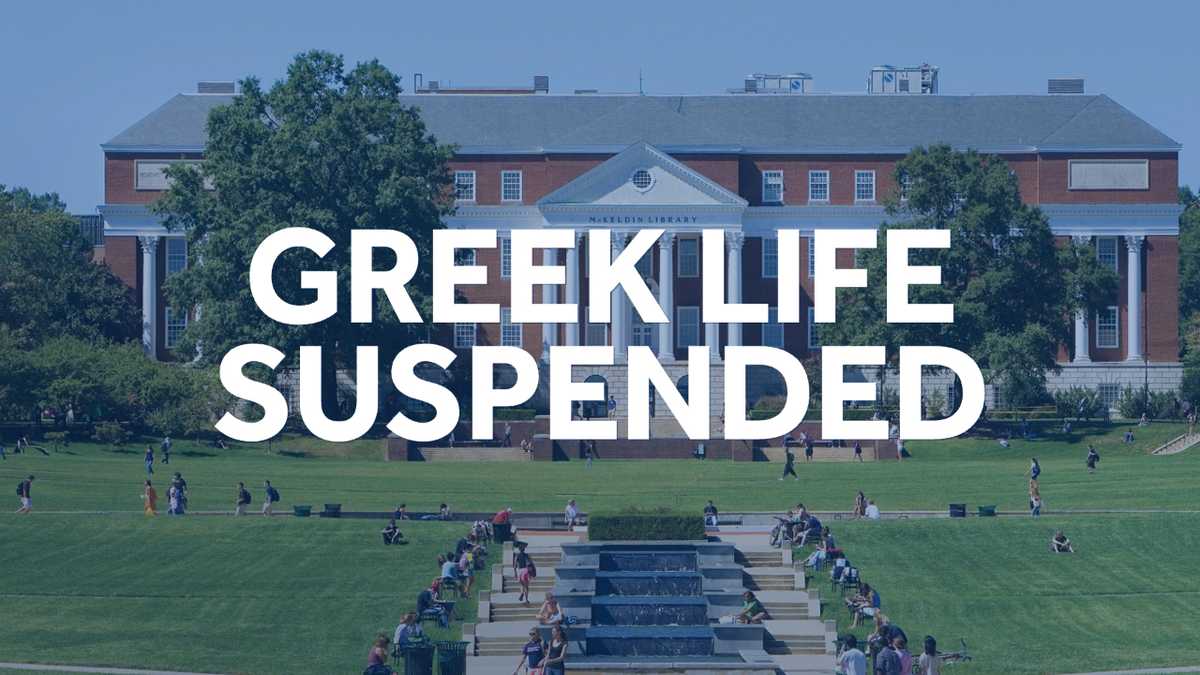
The University of Maryland's temporary suspension of Greek life activities has brought to light recent hazing allegations, including being burned with cigarettes, lying on nails, and other forms of abuse. The Maryland Attorney General's Office opposed a request for a restraining order from UMD fraternities, arguing that the school was authorized to impose restrictions while investigating serious hazing and alcohol abuse allegations. The suspension has been lifted for most fraternities and sororities, but five remain under investigation. Multiple anonymous complaints detailed severe hazing activities, prompting the university to take immediate action to prevent harm to students.
The University of Maryland received complaints of hazing and physical abuse at fraternities and sororities, including allegations of beating, burning, and forced consumption of non-food items. The university banned the organizations from recruiting or holding social events involving alcohol, prompting a lawsuit from Greek life chapters and students. The university argued that the ban was justified due to specific allegations and reports of hazing, while the plaintiffs claimed it violated their First Amendment rights. The university has lifted the ban on most Interfraternity Council and Panhellenic Council chapter organizations, but continues to investigate specific fraternities and sororities.
The University of Maryland has lifted restrictions on fraternities and sororities after two weeks, but is still investigating five fraternities and individual members for ongoing concerns, including hazing. Students have sued the school, claiming violations of their civil liberties, and a national coalition has backed the lawsuit. The university's actions were prompted by reports of misconduct and aimed at prioritizing safety and prevention. The school's multicultural Greek organizations and historically Black fraternities and sororities were not included in the restrictions, and 32 of the 37 groups under investigation have been allowed to resume activities.
The University of Maryland has lifted the suspension on fraternity and sorority activities for 32 chapters, while five remain under investigation for potential hazing or safety threats. The university did not name the chapters under investigation. The lifted suspension allows the cleared chapters to resume normal activities, while the remaining five face limited restrictions and potential student conduct referrals. Additionally, four fraternities have filed a lawsuit against the university, claiming that the suspension violates their freedom of speech and that the investigation into unsafe activities is unlawful.
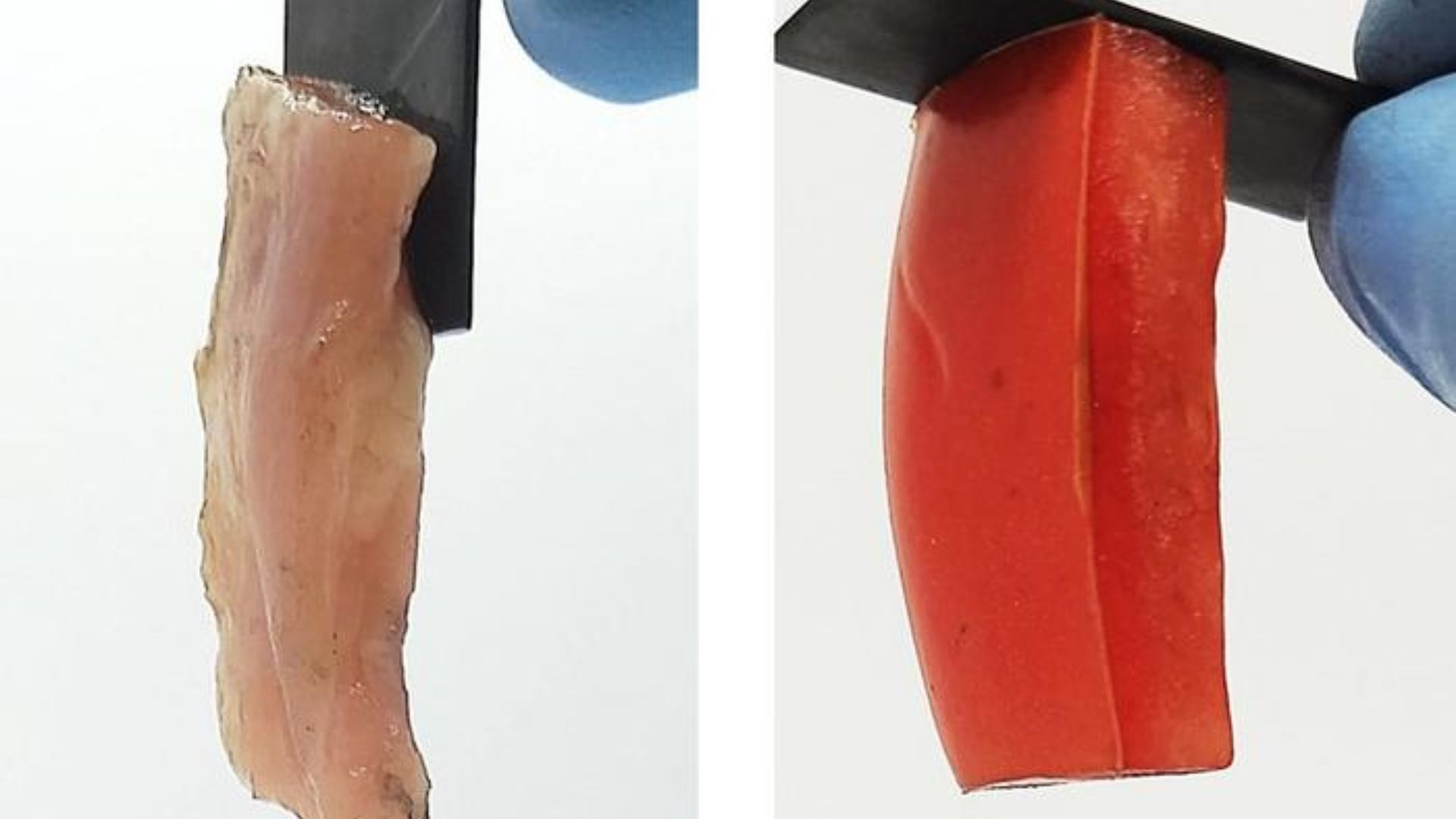
Researchers at the University of Maryland have discovered a method to bind hard and soft materials together using electricity instead of tape or glue. By applying a small voltage, the materials can be strongly bound, and the charge can be reversed to unbind them. This breakthrough could offer a new approach to attaching materials without the use of traditional adhesives.
The University of Maryland has ordered all fraternities and sororities to immediately and indefinitely cease activities due to dangerous behavior. The university's Student Affairs Division sent a notice citing threats to the safety and wellbeing of the university community. Current members are ordered to have no contact with new and prospective members, and those who violate the order will face disciplinary action. Some students feel it's unfair to suspend all Greek organizations for the actions of a few and are concerned about the long-term implications for Greek life on campus.
The University of Maryland has suspended all social and recruitment events for its fraternities and sororities due to reports of unsafe activities, instructing them to have no contact with new or prospective members and to refrain from hosting events with alcohol. This action follows a similar suspension at the University of Virginia after an alleged hazing incident. The University of Maryland's suspension will remain in place indefinitely while an investigation is conducted, and comes in the wake of increased scrutiny on Greek life following incidents such as the death of Virginia Commonwealth University student Adam Oakes in 2021.
The University of Maryland has indefinitely suspended all fraternity and sorority activities following concerns of hazing and threats to the safety and well-being of the university community. This decision comes after an alleged hazing incident at the University of Virginia. The suspension includes a prohibition on alcohol-related events and a directive for current members to have no contact with new or prospective members.
The University of Maryland has indefinitely suspended all social and recruitment activities for fraternities and sororities on campus following reports of unsafe activities that have threatened the safety and well-being of the University community. The suspension affects organizations affiliated with the Interfraternity Council and Panhellenic Council, and will remain in place while an investigation is conducted, prohibiting contact with new members and hosting events with alcohol.
The University of Maryland has suspended all social and recruitment activities for fraternities and sororities following reports of unsafe activities, pending an investigation. The suspension applies to all organizations affiliated with the Interfraternity Council and Panhellenic Council, and prohibits contact with new or prospective members as well as hosting events with alcohol. This action comes after recent hazing incidents at the University of Virginia and the 2021 death of a Virginia Commonwealth University student, prompting increased scrutiny and anti-hazing efforts in the Greek life community.
Highly ranked recruit Derik Queen, a 6-foot-9 center, has committed to the University of Maryland over other top programs. Queen, ranked No. 15 nationally in the class of 2024, cited comfort and fit as reasons for his decision, along with a strong relationship with the coaching staff. His commitment marks a significant addition to Maryland's 2024 class, and he brings a versatile skill set and impressive on-court performance. Additionally, Queen's On3 NIL Valuation is currently estimated at $320,000, reflecting his market value as a high school basketball athlete.
Charles Grice “Lefty” Driesell, the Hall of Fame coach who transformed the University of Maryland’s men’s basketball program, has passed away at the age of 92. Known for his colorful personality and successful coaching career, Driesell amassed 348 wins at Maryland and was inducted into the Naismith Memorial Basketball Hall of Fame in 2018. He is credited with elevating the program and originating "Midnight Madness," a tradition of opening the first official day of team practice with pep rally-style celebrations. Driesell's impact on the sport and his players is widely recognized, and he leaves behind a lasting legacy in college basketball.