Tag

Wildfire Smoke

All articles tagged with #wildfire smoke

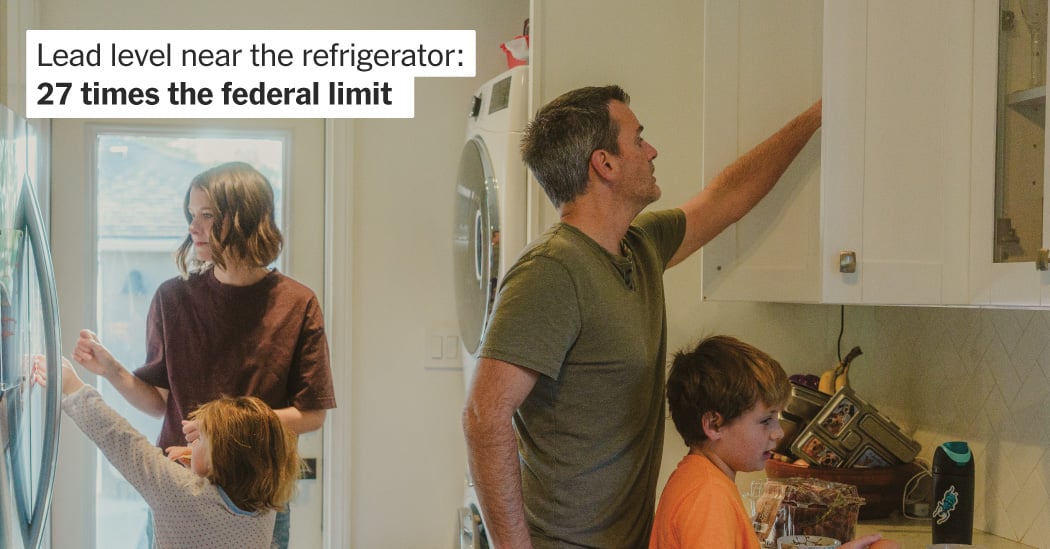
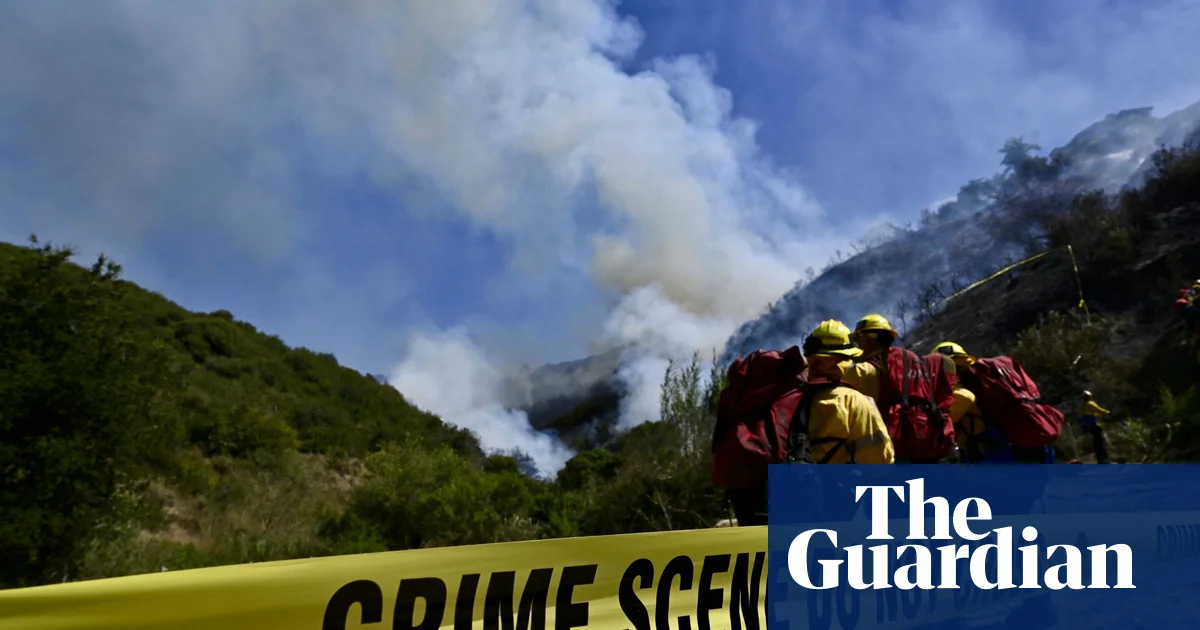
Insurers Claim to Return Home Despite Neurotoxin Findings

Originally Published 14 days ago — by The New York Times

Featured image for Insurers Claim to Return Home Despite Neurotoxin Findings
Source: The New York Times

Tests revealed dangerous neurotoxins, including high levels of lead, in the homes of wildfire-affected families like the Van Nesses, despite insurer claims of safety after surface-level cleanups. Experts criticize insurance industry practices for relying on outdated or incomplete science, which may leave homes contaminated and residents at risk of health issues. The family’s experience highlights broader concerns about inadequate remediation standards and the potential health impacts of wildfire smoke toxins.

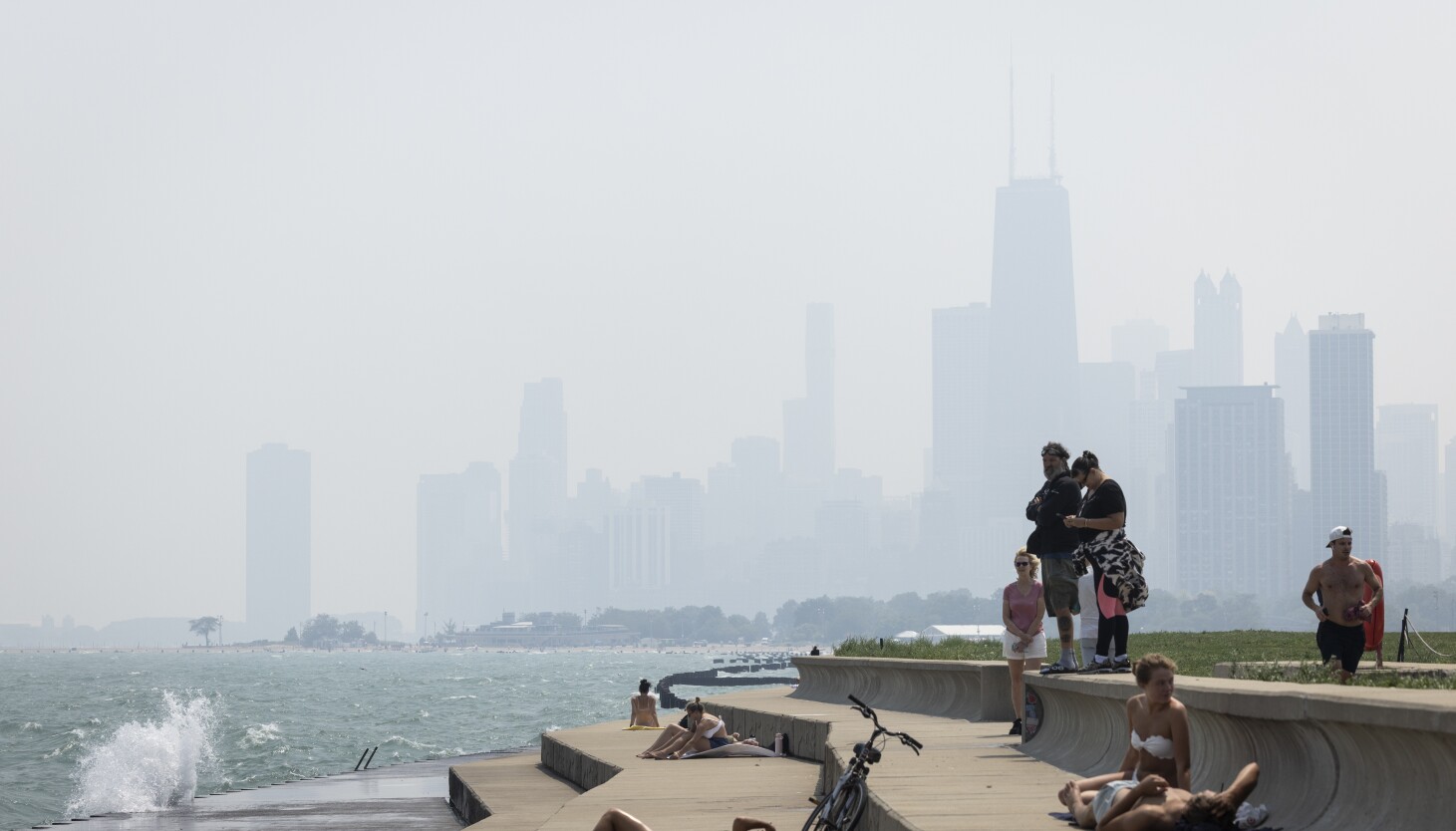
Wildfire Smoke Raises Risks of Dementia and Respiratory Diseases

Originally Published 5 months ago — by The Detroit News

Featured image for Wildfire Smoke Raises Risks of Dementia and Respiratory Diseases
Source: The Detroit News

Wildfire smoke, especially from wildfires in Canada, poses long-term health risks including increased chances of dementia, asthma, and other ailments due to tiny particles that can enter the bloodstream, with climate change exacerbating wildfire frequency and severity, leading to more air quality warnings and health concerns in Michigan.

Wildfire Smoke Threatens Air Quality and Health Across Northeastern U.S.

Originally Published 5 months ago — by NPR

Featured image for Wildfire Smoke Threatens Air Quality and Health Across Northeastern U.S.
Source: NPR

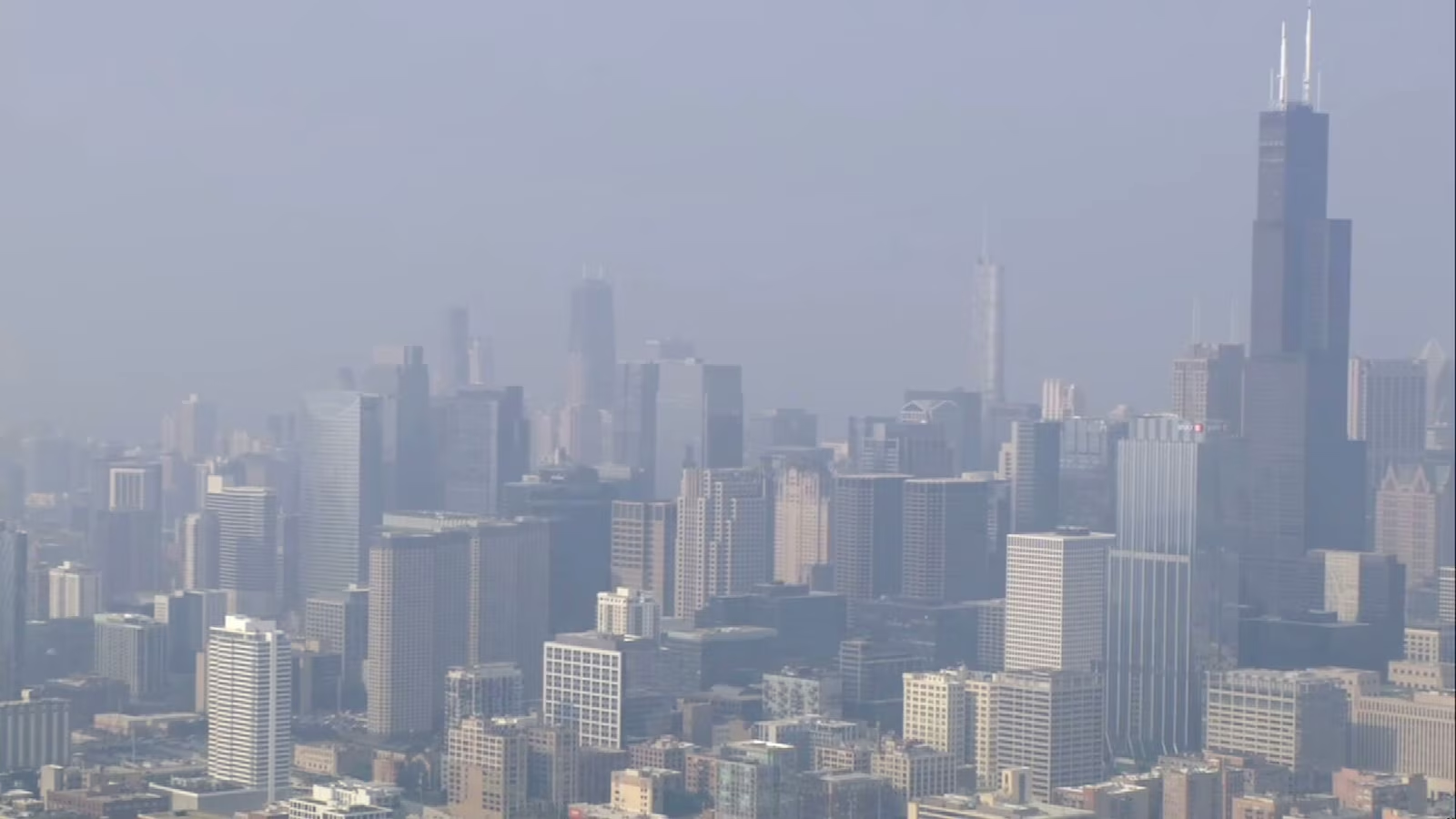
Wildfire smoke, comparable to smoking half a pack of cigarettes per day at high AQI levels, poses significant health risks, especially for vulnerable groups. To protect yourself, limit outdoor activity, stay indoors with windows closed, use air filters, and wear N95 masks if necessary. Climate change is increasing the frequency and severity of wildfires, worsening air quality and health impacts across the U.S.

Canadian Wildfire Smoke Deteriorates Midwest Air Quality Amid Flood Concerns

Originally Published 5 months ago — by ABC News

Featured image for Canadian Wildfire Smoke Deteriorates Midwest Air Quality Amid Flood Concerns
Source: ABC News

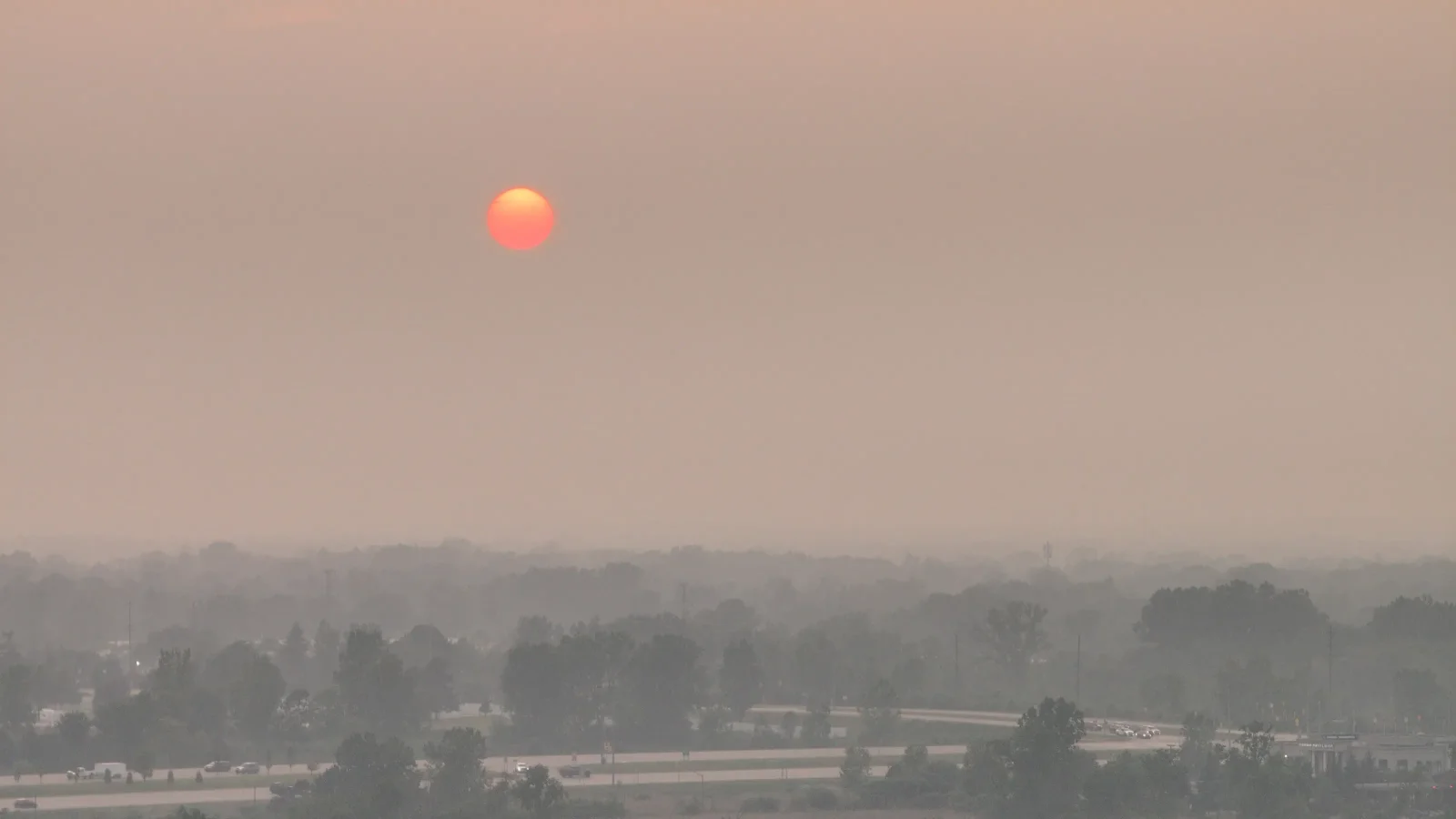
Canadian wildfires are causing poor air quality in the Midwest, with cities like Minneapolis, Chicago, and Detroit experiencing some of the worst air conditions globally. Meanwhile, heavy rains have led to flooding in the Northeast, particularly along the I-95 corridor, and the flood risk is shifting south to the Carolinas and Texas, with potential for flash floods.

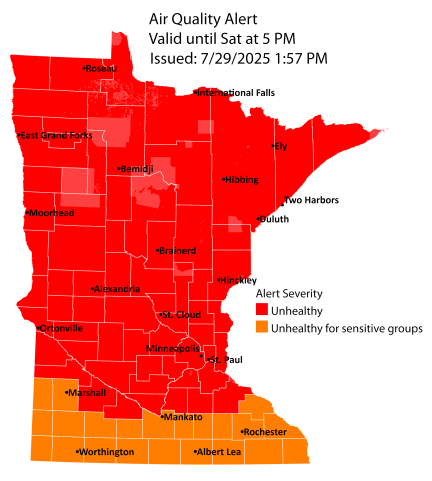
Minnesota Faces Extended Unhealthy Air Quality Due to Wildfire Smoke

Originally Published 5 months ago — by MPR News

Featured image for Minnesota Faces Extended Unhealthy Air Quality Due to Wildfire Smoke
Source: MPR News

An air quality alert has been issued for all of Minnesota until Saturday due to wildfire smoke from Canadian wildfires, with unhealthy levels expected in northern and central regions and unhealthy for sensitive groups in southern areas, prompting advisories to limit outdoor activities.

Astronauts Monitor Massive Dust Clouds Over North America (June 2-6, 2025)

Originally Published 7 months ago — by Space

Featured image for Astronauts Monitor Massive Dust Clouds Over North America (June 2-6, 2025)
Source: Space

Astronauts aboard the ISS observed Canadian wildfire smoke affecting North America, conducted various scientific experiments including health monitoring and fire behavior studies, maintained station systems, and prepared for the arrival of a new crew on a SpaceX mission led by Peggy Whitson.

Wildfire Smoke: Health Risks and City Vulnerabilities

Originally Published 7 months ago — by National Post

Wildfire smoke, which can travel over 1,000 kilometers, poses significant health risks including respiratory issues, heart problems, and potential impacts on brain health such as inflammation and cognitive decline. Vulnerable groups like children, the elderly, and those with pre-existing conditions should take precautions like staying indoors, using masks, and monitoring air quality.