Tag

Booster Shots

All articles tagged with #booster shots

COVID-19 Vaccines in Florida: Easier Access Amid Ongoing Challenges

Originally Published 3 months ago — by Sun Sentinel

Featured image for COVID-19 Vaccines in Florida: Easier Access Amid Ongoing Challenges
Source: Sun Sentinel

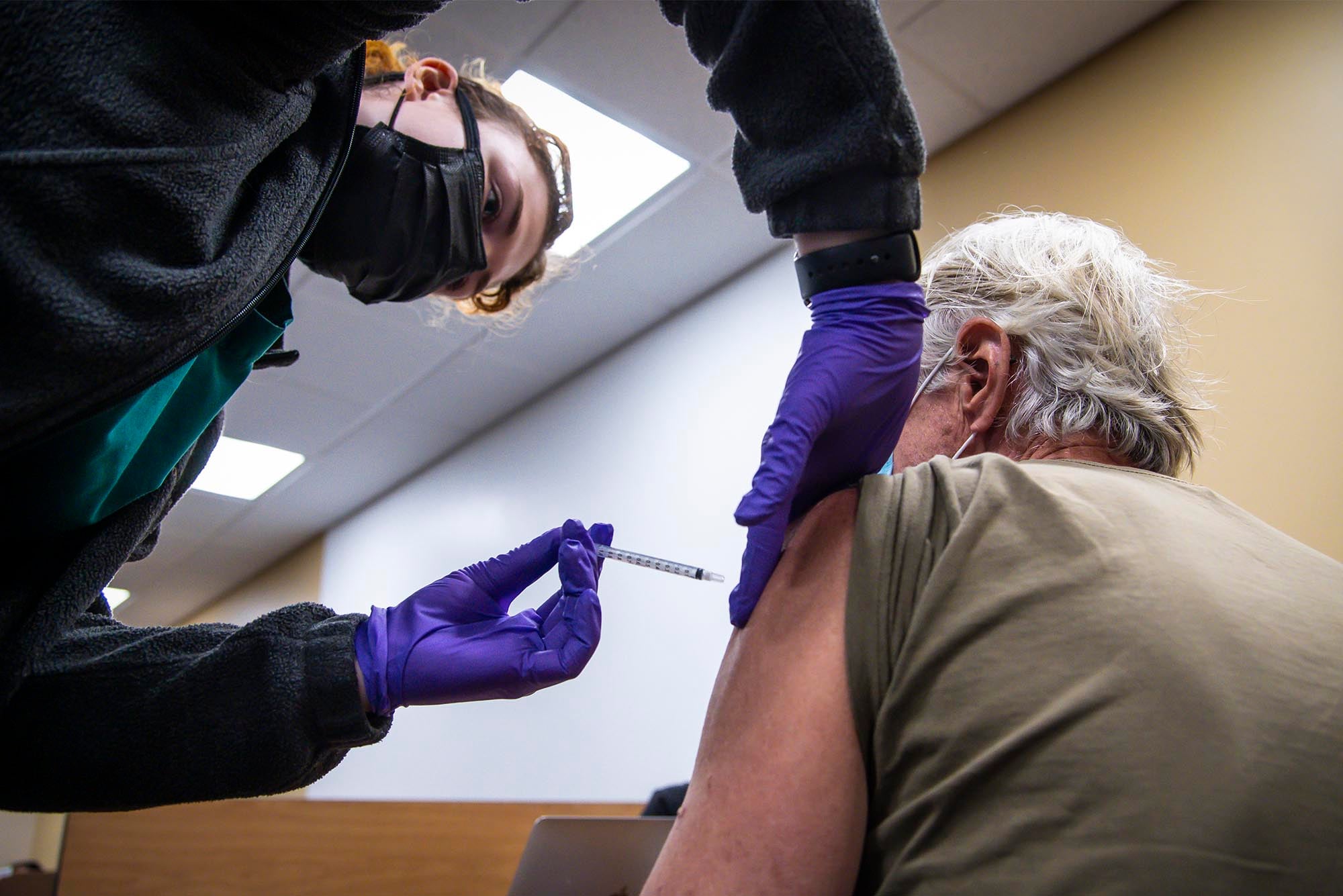
In Florida, Publix and Walgreens pharmacies now offer the 2025-26 COVID-19 booster shots to eligible individuals without requiring a prescription, expanding access alongside CVS. The vaccines are available to adults 65+ and younger individuals at high risk, with plans to remove restrictions soon. Most insurance plans will cover the cost through 2026, making it easier for Floridians to get vaccinated ahead of winter surges.
Vermont Strives to Maintain COVID Vaccine Access Amid Federal Changes

Originally Published 4 months ago — by VTDigger

Featured image for Vermont Strives to Maintain COVID Vaccine Access Amid Federal Changes
Source: VTDigger

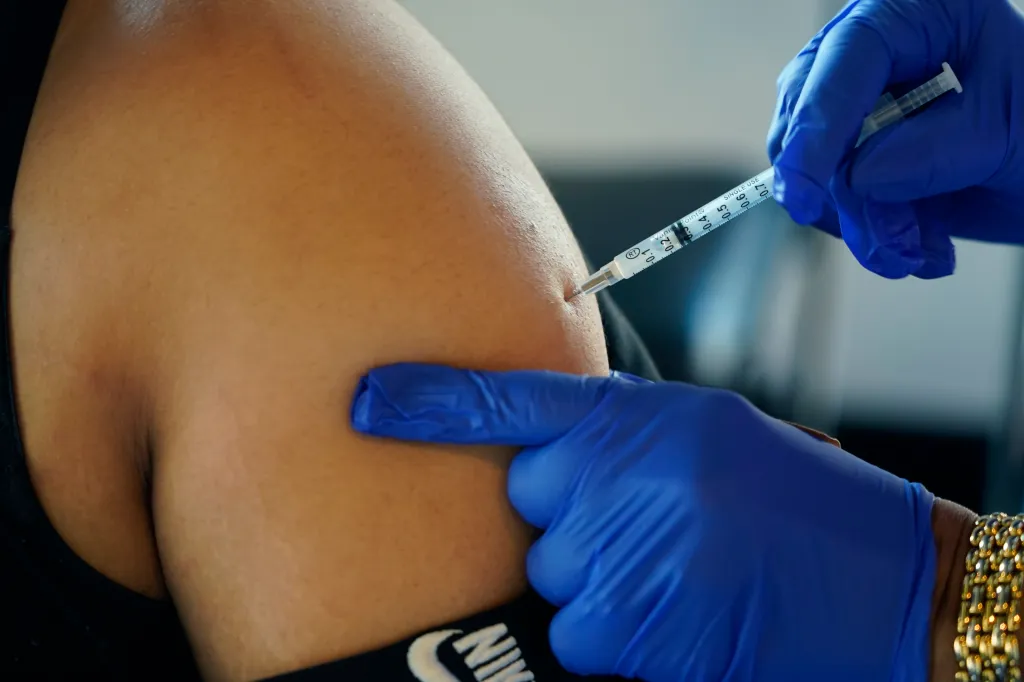
Vermont is working to maintain access to Covid booster shots amid tightening federal rules, with pharmacies like Kinney Drugs and CVS administering vaccines to eligible populations, while uncertainties remain around insurance coverage and federal recommendations, especially for those under 65.

Navigating COVID-19 Booster Shots and Vaccine Access Across U.S. Regions

Originally Published 4 months ago — by Orlando Sentinel

Featured image for Navigating COVID-19 Booster Shots and Vaccine Access Across U.S. Regions
Source: Orlando Sentinel

Residents in Florida are experiencing confusion and frustration over the availability of COVID-19 booster shots following new FDA restrictions, with some pharmacies requiring prescriptions and others not offering the vaccines until further guidance is received, leading to inconsistent access across states.

New Research Questions the Need for Decadal Vaccinations

Originally Published 6 months ago — by OregonLive.com

Featured image for New Research Questions the Need for Decadal Vaccinations
Source: OregonLive.com

New research from Oregon Health & Science University suggests that adults who are vaccinated in childhood may not need tetanus and diphtheria booster shots every 10 years, as immunity could last for 30 years or more, potentially leading to significant cost savings and a revision of current vaccination guidelines.

Pertussis Resurgence: The Need for Boosters in Some Countries

Originally Published 1 year ago — by Yahoo! Voices

Featured image for Pertussis Resurgence: The Need for Boosters in Some Countries
Source: Yahoo! Voices

Whooping cough cases have surged in the UK, Europe, and China, with smaller outbreaks in the US. The pandemic disrupted vaccination schedules, contributing to the rise. Babies are particularly vulnerable, and adults and teens may need booster shots to protect against the highly contagious respiratory illness. While the bacteria causing whooping cough has mutated, current vaccines still offer significant protection. Experts emphasize the importance of vaccination to prevent the spread of the disease and protect vulnerable populations.

"Rising Whooping Cough Cases Prompt Booster Recommendations and Investigations"

Originally Published 1 year ago — by NBC News

Featured image for "Rising Whooping Cough Cases Prompt Booster Recommendations and Investigations"
Source: NBC News

Cases of whooping cough have surged in the U.K., Europe, and China, with small clusters reported in the U.S. Experts attribute the rise to pandemic disruptions in vaccination schedules. While the disease is largely under control in the U.S., breakthrough cases occur. Babies are particularly vulnerable, and adults and teens may need booster shots to protect themselves and others. The CDC recommends pregnant women get vaccinated to protect newborns, and experts stress the importance of maintaining vaccination schedules to prevent the spread of whooping cough.

"Study Suggests Annual COVID-19 Vaccination Campaign Similar to Flu Shot"

Originally Published 1 year ago — by 9News

Featured image for "Study Suggests Annual COVID-19 Vaccination Campaign Similar to Flu Shot"
Source: 9News

A new study from Yale's Centre for Infectious Disease Modeling and Analysis suggests that an annual COVID-19 vaccination program, including booster shots, may be necessary to prevent hospitalization and death, as well as to reduce healthcare costs. The study compared different annual vaccination strategies and found that a single dose followed by a booster for those over 50 and under two years was the most effective. This supports a proposal by the US FDA for a population-wide annual vaccine program with booster doses for specific age groups. The researchers anticipate that COVID-19 will follow seasonal patterns similar to influenza, and widespread vaccination before seasonal peaks could help reduce the disease burden.

CDC Recommends Additional COVID Shots for Older Adults

Originally Published 1 year ago — by Yahoo! Voices

Featured image for CDC Recommends Additional COVID Shots for Older Adults
Source: Yahoo! Voices

The CDC has recommended a spring COVID-19 booster for everyone over 65, citing the dominance of the JN.1 subvariant of Omicron. The agency also advises updated booster shots for those over 5 years old and full vaccination for children aged 6 months to 4 years. The CDC suggests waiting four months between booster shots and three months after a COVID-19 infection to get vaccinated. With rising population immunity, the CDC anticipates declining severity of the virus, but warns that persistent infections may lead to new variants.

CDC Advisers Recommend Spring Covid Boosters for Older Adults

Originally Published 1 year ago — by NBC News

Featured image for CDC Advisers Recommend Spring Covid Boosters for Older Adults
Source: NBC News

CDC advisers recommend that older adults, particularly those 65 and older, receive a spring booster shot to provide the best protection against a potential summer rise in Covid-19 cases. The recommendation is pending CDC Director Dr. Mandy Cohen's approval and is necessary for health insurance coverage. The booster, to be administered at least four months after the previous dose for healthy older adults, aims to combat the XBB.1.5 subvariant, which currently causes the majority of new Covid infections in the United States. Data presented by the advisory committee shows that the shot reduces the likelihood of hospitalization in healthy individuals aged 65 and older by up to 54%.

"Maximizing COVID Vaccine Effectiveness: The Simple Trick You Need to Know, According to Studies"

Originally Published 1 year ago — by Yahoo! Voices

Featured image for "Maximizing COVID Vaccine Effectiveness: The Simple Trick You Need to Know, According to Studies"
Source: Yahoo! Voices

A study from the Oregon Health and Science University suggests that alternating arms for COVID-19 vaccine doses could lead to a four-fold increase in immune response, potentially making the vaccines more effective. By triggering an immune response from multiple lymph nodes in different parts of the body, the approach may enhance the production of antibodies capable of fighting off the virus. The findings could have implications for other multi-dose vaccines as well, offering the potential for incremental improvements in vaccine effectiveness.

"Latest COVID-19 Vaccine Shows Strong Protection Against Severe Disease and Symptomatic Infection"

Originally Published 1 year ago — by Medical Xpress

Featured image for "Latest COVID-19 Vaccine Shows Strong Protection Against Severe Disease and Symptomatic Infection"
Source: Medical Xpress

University of Michigan researchers evaluated 80 studies and 150 million patient observations to understand the effectiveness of COVID-19 vaccine doses, finding that all sequential doses provided substantial benefit in preventing hospitalization and death. They observed stronger estimates for the fall 2022 omicron-specific vaccine dose and support the practice of periodically updating COVID-19 vaccines for currently circulating variants. The study's findings suggest the utility of updating vaccines and establish an analytic pipeline for studying the effectiveness of future annual vaccine formulations.

"Record COVID Wastewater Levels in Boston Area Prompt Research on Nasal Spray Protection"

Originally Published 2 years ago — by Boston.com

Featured image for "Record COVID Wastewater Levels in Boston Area Prompt Research on Nasal Spray Protection"
Source: Boston.com

Wastewater levels of COVID-19 in Greater Boston have reached their second-highest point since the pandemic began, signaling a potential surge in cases. The JN.1 variant, a highly contagious strain, accounts for the majority of current cases in the U.S., raising concerns about hospitalizations. However, the latest booster shots have been shown to protect against the new strain, and there is currently no evidence that it causes more severe illness. Experts advise getting boosted and seeking prompt testing if experiencing symptoms to protect against potential surges.

Understanding Immune Response to Heterologous Boosting and Omicron Infections

Originally Published 2 years ago — by Nature.com

Featured image for Understanding Immune Response to Heterologous Boosting and Omicron Infections
Source: Nature.com

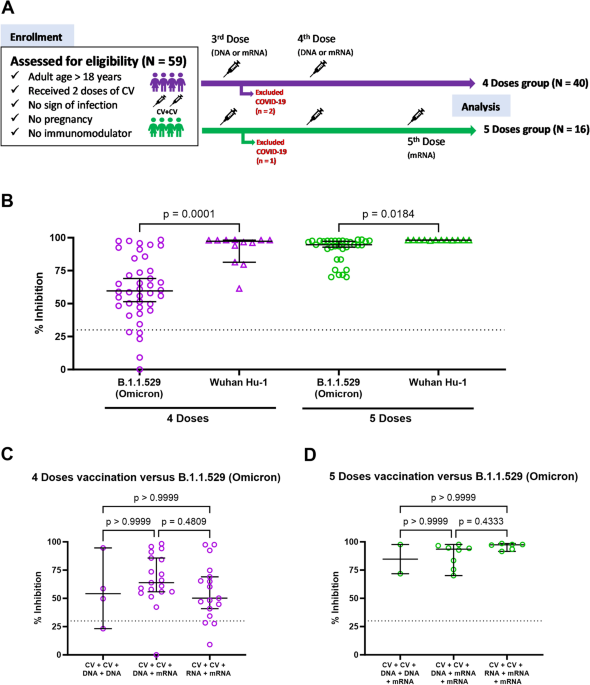
A study analyzed the immune response of healthcare workers who received two initial doses of the CoronaVac vaccine followed by 2 or 3 heterologous booster shots with either mRNA or DNA vaccines. The results showed that both DNA and mRNA booster vaccines increased levels of neutralizing antibodies and IFN-γ production, but had little effect on memory T cells. These findings support the use of booster vaccinations to maximize the effectiveness of immunity, especially for high-risk individuals.

The Rise of HV.1: A Dominant COVID Variant Emerges

Originally Published 2 years ago — by The Messenger

Featured image for The Rise of HV.1: A Dominant COVID Variant Emerges
Source: The Messenger

The HV.1 variant of COVID-19 has become the dominant strain circulating in the United States, accounting for over a quarter of reported cases. Experts suggest that HV.1 may be more transmissible and have the potential to bypass prior immunity. However, there is no evidence yet that it causes more severe infections. The new COVID boosters from Pfizer and Moderna, designed to target XBB variants, are expected to offer some protection against HV.1. However, the uptake of the updated boosters has been low, with only 3.5% of the U.S. population receiving them. The CDC recommends the updated shots for everyone six months and older.