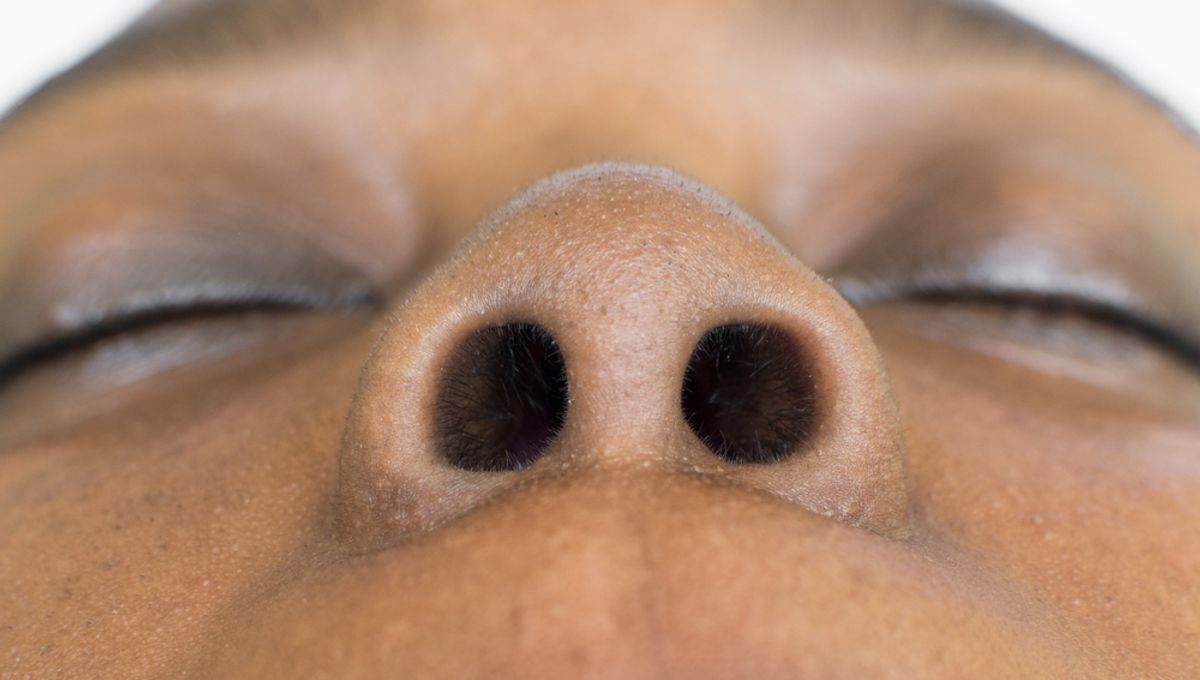
Humans have two nostrils primarily due to bilateral symmetry and the nasal cycle, which allows one nostril to rest while the other breathes, aiding in moisture regulation, smell, and survival. The dual nostrils also help locate smells and provide a backup in case one is blocked, offering significant evolutionary advantages.

A new study highlights that COPD can affect people under 50, with 4.5% of adults in this age group diagnosed, and that early onset COPD is linked to higher risks of hospitalization and death. Smoking remains the primary risk factor, but non-smokers can also develop COPD. Early diagnosis and lifestyle changes, including quitting smoking and vaccination, are crucial for managing the disease and improving outcomes.
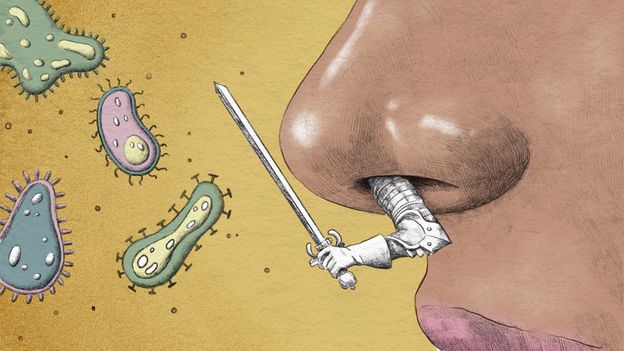
Scientists are exploring how the analysis of snot's color, consistency, and microbiome can provide valuable insights into health conditions like infections, allergies, and lung diseases, potentially leading to new diagnostic and treatment methods such as nasal microbiome transplants and personalized medicine approaches.
The article discusses the impact of wildfires on air quality, emphasizing the importance of protective equipment like N95 masks and air purifiers to safeguard respiratory health during wildfire seasons, which are becoming more severe due to climate change.
A deadly fungal infection called Aspergillosis is spreading rapidly across Europe, driven by climate change, and poses a significant health risk, especially to vulnerable populations, with potential to cause widespread fatalities and impact respiratory health.
A 14-year-old boy in California accidentally swallowed a quarter, which ended up getting lodged in his airway, causing hoarseness and difficulty swallowing. Doctors had to use long, optical forceps guided by a camera to remove the coin from its dangerous resting place in the subglottis. The boy's symptoms improved after the retrieval, and he was discharged home with ulcerations on his airway from the coin's ribbed edge.
Philips has agreed to halt sales of its CPAP devices in the US under a tentative agreement with regulators, following a global recall of over 5 million machines due to potential health risks from degraded foam. The company could face a $400 million cost as it works to address the issue and meet corrective actions outlined by the FDA. While it will continue servicing previously sold machines, it cannot sell new ones until compliance is achieved. The FDA has warned of potential health risks associated with the foam degradation, and the company still faces personal injury lawsuits related to the devices.
As many as 30 million people see a doctor each year due to a cough, and with various factors causing a lingering cough, emergency medicine physician Dr. Darien Sutton provides tips for recovery or seeking medical help. He explains that a cough can persist due to irritants and mucus buildup, and advises seeking medical attention if it lasts for more than three weeks. Home remedies such as soups, teas, honey, and eucalyptus oil can provide relief, but caution is advised with children and over-the-counter medications.
As many as 30 million people see a doctor each year due to a cough, and with various causes such as viral illnesses, acid reflux, and allergies, it's important to determine the underlying reason for a lingering cough. Emergency medicine physician Dr. Darien Sutton recommends seeking medical help if a cough lasts for at least three weeks, and suggests remedies like soups, teas, and honey for relief. For children, it's crucial to consult a pediatrician before giving any over-the-counter medications.
As many as 30 million people visit a doctor each year due to a cough, and with various factors causing lingering coughs, it's important to understand when to seek medical help. Emergency medicine physician Dr. Darien Sutton advises that while a cough after a cold or flu can be normal, it's essential to differentiate between causes such as viral illnesses, acid reflux, allergies, or asthma. Simple remedies like soups, teas, honey, and eucalyptus oil can provide relief, but it's crucial to consult a doctor if a cough persists for more than three weeks, as it may require further investigation and potential interventions.
As many as 30 million people see a doctor each year due to a cough, and with various factors causing mucus buildup and irritation in the airways, it's important to understand when to seek medical help. Emergency medicine physician Dr. Darien Sutton advises that a cough lasting more than three weeks should prompt a doctor's visit, with potential causes including viral illnesses, acid reflux, allergies, and asthma. Home remedies such as soups, teas, honey, and eucalyptus oil can provide relief, but it's crucial to consult a doctor, especially for children, and to consider additional interventions like steroids or inhalers if necessary.
As many as 30 million people see a doctor each year due to a cough, and with various causes such as viral illnesses, acid reflux, allergies, and asthma, it's important to determine the underlying reason for a lingering cough. Emergency medicine physician Dr. Darien Sutton recommends seeking medical help if a cough lasts for more than three weeks, and suggests remedies such as soups, teas, honey, and eucalyptus oil to alleviate symptoms. For children, it's crucial to consult a pediatrician before giving any over-the-counter medications.
The threat of black lung disease is increasing among coal miners, particularly younger miners, due to higher exposure levels to silica dust. The proposed rule by the Mine Safety and Health Administration to lower miners' exposure to silica dust faces opposition and lacks significant enforcement mechanisms. Miners report that coal companies often manipulate air quality tests, leading to inadequate ventilation and increased health risks. The disease is irreversible, and affected miners may require lung transplants, which come with significant expenses and challenges for both the individuals and their families.
Davey Bauer, a 34-year-old man, underwent a remarkable double lung transplant after his lungs were completely removed due to a severe bacterial infection. During the surgery, an "artificial lung" and breast implants were used as placeholders to support his heart. The innovative surgeries, devised by Dr. Ankit Bharat and his team at Northwestern Medicine, kept Bauer alive until donor lungs became available. The case demonstrates the potential of new technology to sustain patients without lungs and offers hope for future transplant candidates. Bauer, now recovering, hopes his story inspires others to quit smoking or vaping.
Mullein tea, made from the leaves of the mullein plant, has been used for centuries in folk medicine to treat respiratory problems and reduce inflammation. It is believed to have expectorant, anti-inflammatory, and antibacterial properties. Test tube and animal studies suggest that mullein may help treat respiratory conditions, fight certain bacteria and viruses, and reduce inflammation. However, more human studies are needed to confirm these effects and determine the long-term safety and potential benefits of mullein tea.