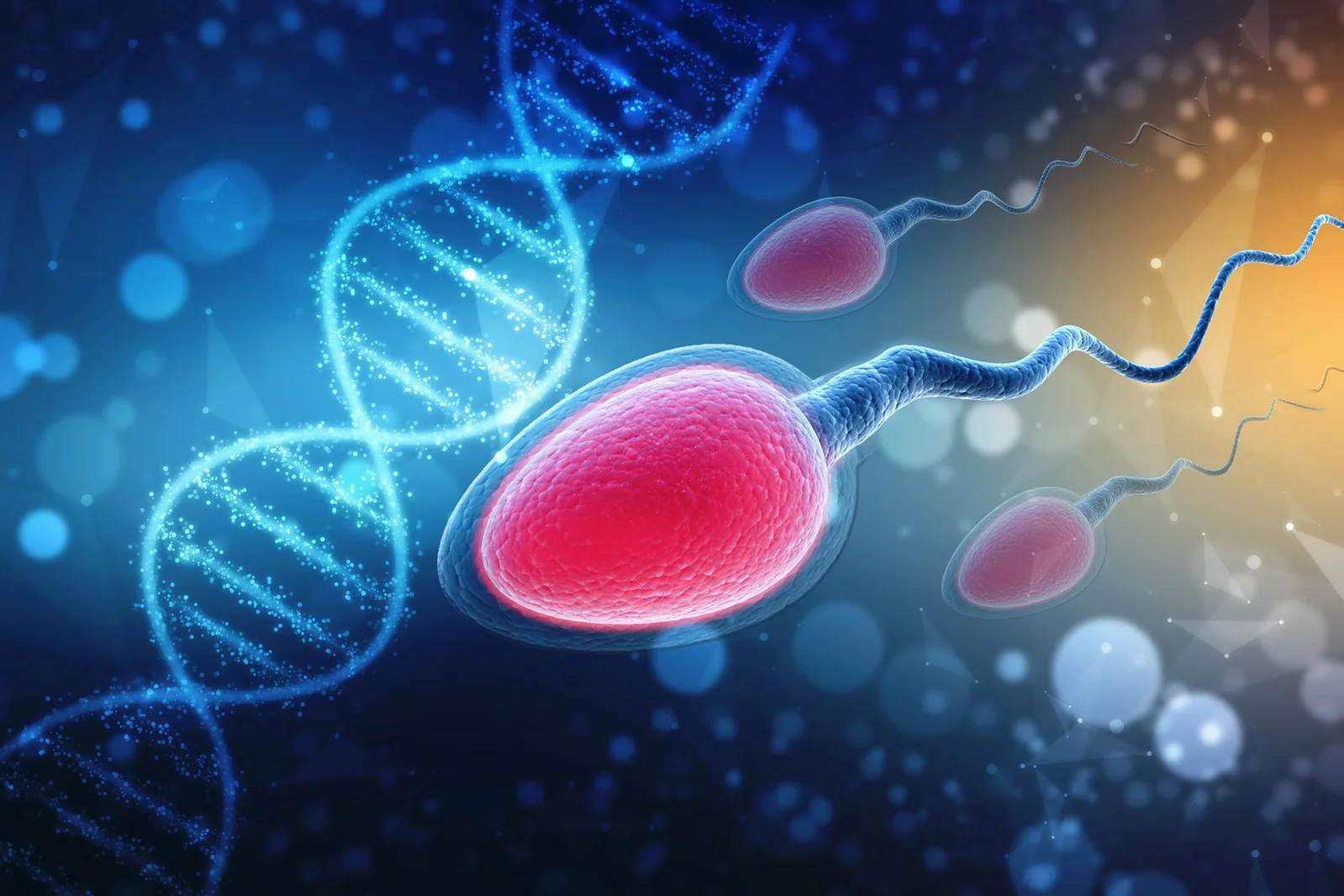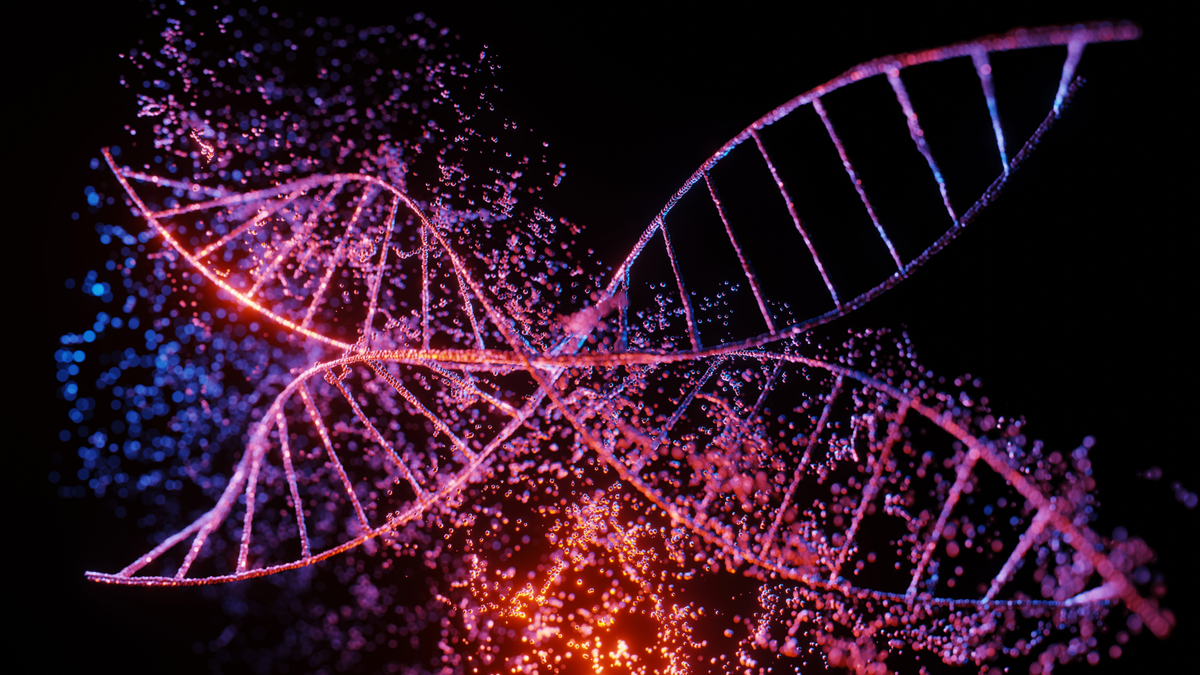
New research shows that harmful genetic mutations in sperm increase with age and are actively favored during sperm production, raising genetic risks for offspring as men grow older, with some mutations linked to serious diseases and cancer, and evidence of natural selection within the testes influencing mutation rates.
Research shows that as men age, their sperm accumulate more mutations, some of which are harmful and linked to developmental disorders and cancers, increasing the potential health risks for their children. The study highlights the role of 'selfish' mutations that outcompete others in the testes, with mutation rates rising from 2% in men in their 30s to about 4.5% in men over 70, though not all mutations are necessarily passed on or harmful. Further research is needed to understand the full impact on offspring health.
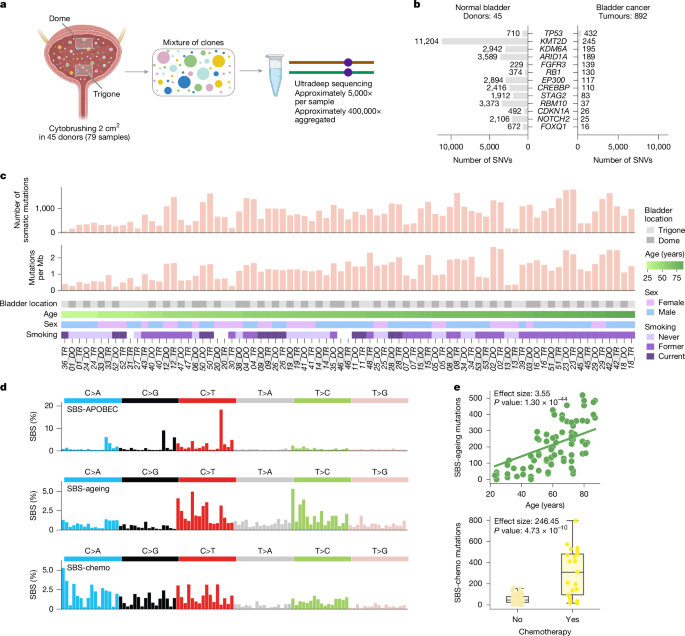
The study investigates how sex and smoking influence somatic mutations and clonal expansion in normal human bladder tissue, revealing sex-specific differences in mutation selection and a link between smoking and TERT promoter mutations, which may contribute to bladder cancer risk.
A study suggests that mutations driving evolution are influenced by the genome and occur more frequently where beneficial, challenging the traditional view that mutations are purely random, and proposing a new theory of evolution driven by internal genomic forces alongside natural selection.
Scientists warn that a newly discovered coronavirus in China, HKU5-CoV-2, is just one mutation away from infecting humans and potentially causing a pandemic, raising concerns due to its relation to deadly viruses like MERS and its presence in bats, with the risk of spillover heightened by wildlife trade and possible intermediate hosts.
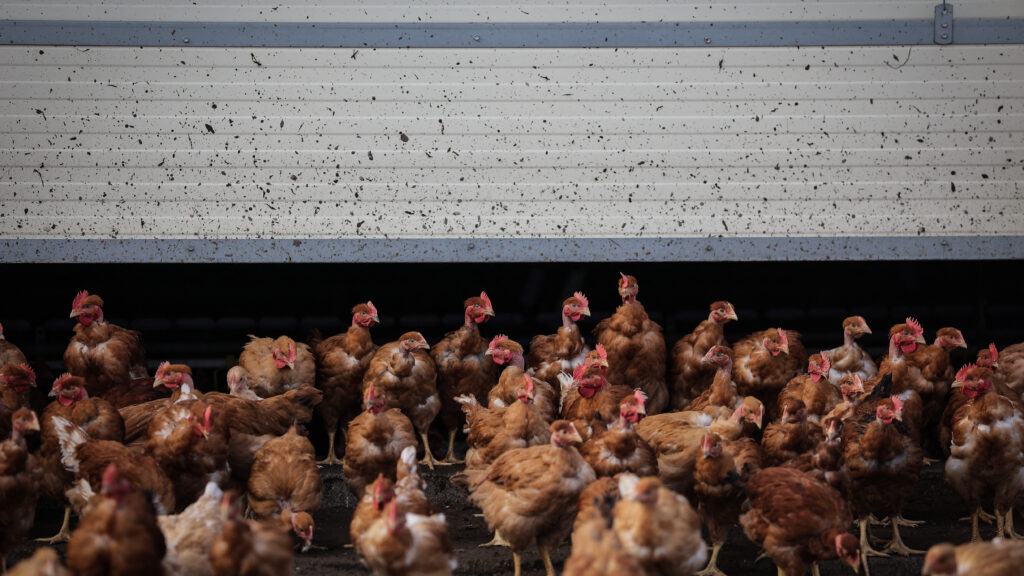
The H5N1 avian influenza virus is slowly spreading among mammals and has been detected in wastewater in Texas, raising concerns about its potential to cause a pandemic. A Canadian teenager recently fell critically ill with a mutated strain of the virus, highlighting its ability to infect humans. Public health experts advise stockpiling masks and supplies, practicing good hygiene, and staying informed through reliable news sources. The situation underscores the importance of preparedness and vigilance in the face of potential viral outbreaks.
A Canadian teenager infected with the H5N1 bird flu virus has shown mutations that could potentially make the virus more capable of infecting humans, though there is no evidence of human-to-human transmission. The mutations were identified in the virus's hemagglutinin protein, which is crucial for cell attachment. While the teenager remains in critical condition, the case highlights the potential pandemic risk if the virus acquires the ability to spread easily among humans. Scientists emphasize the need for increased surveillance and monitoring of such mutations.
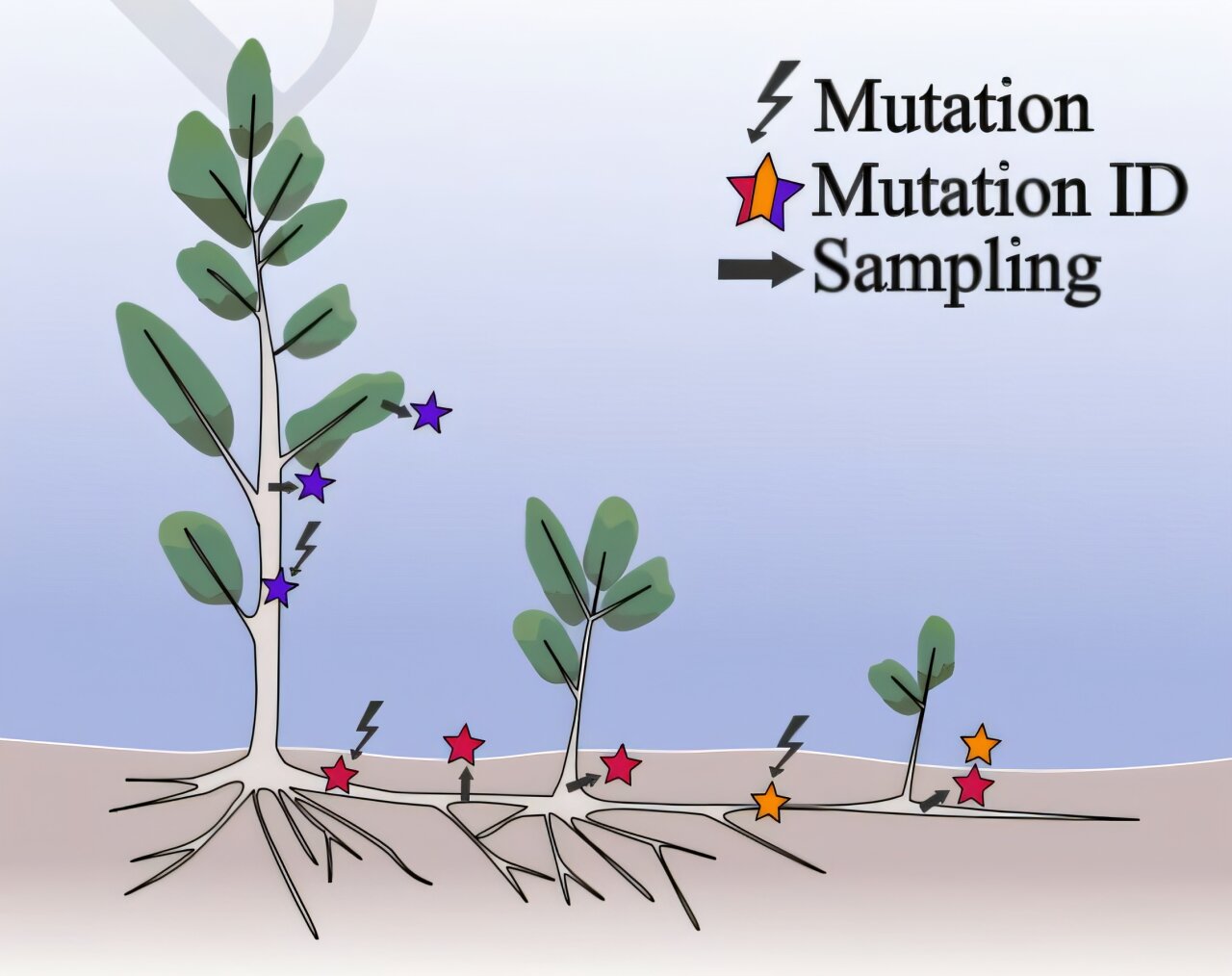
A team of researchers has sequenced the Pando aspen, one of the world's oldest trees, to study mutations in clonally reproducing organisms. The Pando aspen, a triploid species that reproduces by cloning, occupies 42.6 hectares in Utah's Fishlake National Forest and is estimated to be between 16,000 and 80,000 years old. The study identified approximately 4,000 genetic variants in the tree, highlighting its unique evolutionary traits, such as larger cells and enhanced fitness, which contribute to its longevity.
A new study suggests that inherited genetic mutations play a significant role in driving cancer risk, challenging the long-held belief that most cancer-related mutations are acquired rather than inherited.
A new study suggests that mutations in regulatory regions of DNA, known as promoters, can influence the expression of autism-related genes elsewhere in the genome through a complex mechanism called the "butterfly effect." These mutations, even if unrelated to autism, can impact the activity of genes tied to the disorder, potentially leading to an increased risk of autism spectrum disorder (ASD). The study, which analyzed the genomes of over 5,000 people with autism, found a direct association between autism and gene regulatory mechanisms within specific 3D configurations of the genome called topologically associated domains (TADs). The findings could have potential therapeutic implications for ASD, as they may lead to the development of treatments that modulate the activity of specific promoters to regulate multiple autism-linked genes simultaneously.
Israel has identified a new COVID-19 variant, JN.1, which has affected around 200 people and is a distant descendant of the Omicron family. This variant is more complex, potentially resistant to natural defenses and existing vaccines, and has different symptoms, including a runny nose, cough, headache, and fatigue. While existing vaccines may offer some protection, they are not comprehensive, but manufacturers are working on updates. The high mutation rate of coronaviruses suggests that new strains will continue to emerge, making high vaccination rates crucial. The Israeli Health Ministry advises the public, especially high-risk individuals, to get vaccinated and receive the flu vaccine.
The World Health Organization reported nearly 10,000 global COVID-19 deaths in December, with a surge in highly mutated variant "Pirola" JN.1 and its offspring, including JN.1.4, climbing the charts in the U.S. and globally. The variant is linked to increased hospitalizations and ICU admissions, with concerns about its potential to spawn more relatives. Experts warn that the pandemic's trajectory depends on mitigation efforts and the virus's ability to find new hosts.
Microbiologist Dr. Sneha S Hegadi provides insights into the JN.1 Covid variant in India, addressing concerns and separating fact from fiction to help people navigate the situation calmly and effectively.
The HV.1 variant of the coronavirus, a mutation of the EG.5 variant, has become dominant in the United States, accounting for 25% of cases. Experts say it is more transmissible but not more likely to cause severe disease. While concerns are raised over America's slow booster vaccine program, with less than 3% of Americans having received a booster shot, Covid cases and hospitalizations are currently declining. However, experts warn that colder weather and upcoming holiday gatherings could lead to an increase in cases. The HV.1 variant has been detected in over 41 countries, including the UK, Canada, and Israel, and has several mutations on its spike protein. The US is rolling out an updated booster vaccine based on the XBB.1.5 variant, which experts believe will still be effective against HV.1.
Certain bacteria can mutate and reproduce more quickly when exposed to microgravity, as observed in a study on Escherichia coli cells. These bacteria picked up at least 16 genetic mutations and grew about three times as many colonies as unmodified bacteria. Even when removed from microgravity conditions, the growth advantage was retained, suggesting permanent genomic changes. While the reasons for this response are unclear, scientists are studying ways to protect astronauts and mitigate potential damage from space-modified bacteria. The mutated bacteria were found to be susceptible to antibiotics, providing temporary relief from a potential supercharged bacteria invasion.