The WHO has identified a new Covid variant, BA.3.2, which shows increased resistance to antibodies and is spreading across Europe, prompting close monitoring and vaccine updates, though current data suggests it does not cause more severe illness.
Health experts in Ireland warn that the new Covid variant, Stratus, is spreading rapidly with subtle symptoms like hoarseness that are often overlooked, despite a decline in overall cases. The variant now accounts for over 76% of new infections and is characterized by increased transmissibility and a wider range of symptoms, though it doesn't seem to cause more severe illness. Public health guidance remains unchanged, emphasizing awareness of all Covid symptoms.
A new COVID-19 variant called Nimbus (NB.1.8.1.) has been linked to a painful sore throat, earning the nickname 'razor blade throat.' While it has caused a rise in cases in parts of Asia and the Pacific, health experts say it is not more severe than other variants, and current vaccines remain effective. The WHO monitors the variant, but the overall public health risk is considered low.
A new COVID-19 variant called Nimbus, characterized by severe sore throat symptoms likened to razor blades, has emerged in California and is spreading rapidly, but WHO states it is not more dangerous than other variants and vaccines remain effective.
A new Covid variant, NB.1.8.1, has been detected in the U.S., including New York, and is spreading more quickly than previous strains. Symptoms are similar to earlier Covid strains, and current vaccines may still offer protection against severe illness. Experts warn of increased transmissibility, but early data suggests it does not cause more severe disease. Vaccination and booster shots are recommended, especially for vulnerable populations.
A new Covid-19 variant, NB.1.8.1, has been detected in Washington state, but health officials are not overly concerned as it does not appear to cause more severe illness and current vaccines are expected to remain effective. The variant was identified through CDC surveillance at Seattle-Tacoma International Airport, and its global prevalence has led the WHO to monitor it. Meanwhile, U.S. vaccination guidelines have shifted, with some restrictions on vaccine recommendations for children and pregnant women, sparking criticism.
Microbiologist Dr. Sneha S Hegadi provides insights into the JN.1 Covid variant in India, addressing concerns and separating fact from fiction to help people navigate the situation calmly and effectively.
The World Health Organization (WHO) has designated the COVID variant JN.1 as a "variant of interest." JN.1 was previously classified under the parent strain BA.2.86 and is estimated to account for 21% of new cases in the U.S. While there is no evidence that JN.1 causes more severe disease, caution is urged as the holiday season may lead to increased respiratory infections. Existing tests, vaccines, and treatments are still expected to be effective against JN.1, and the public health risk is currently considered low.
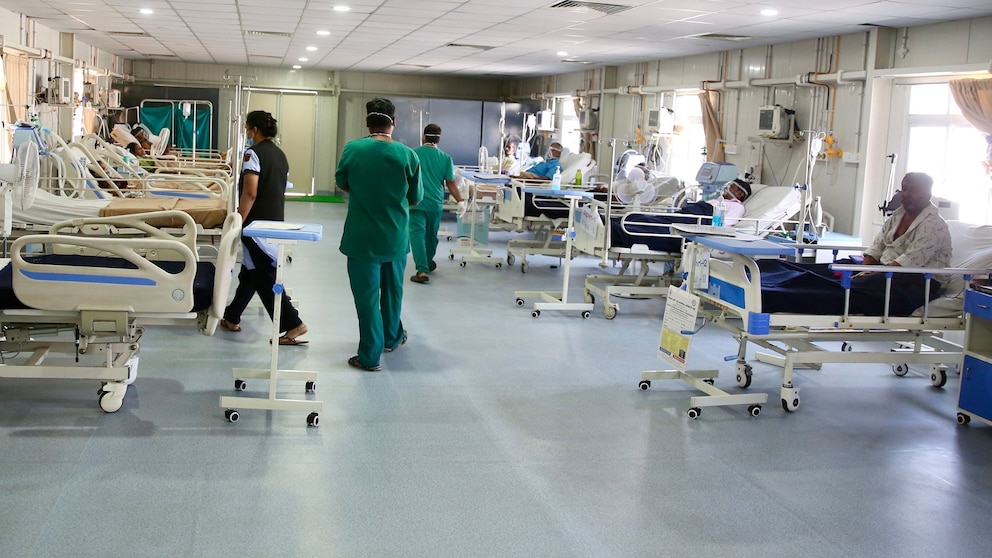
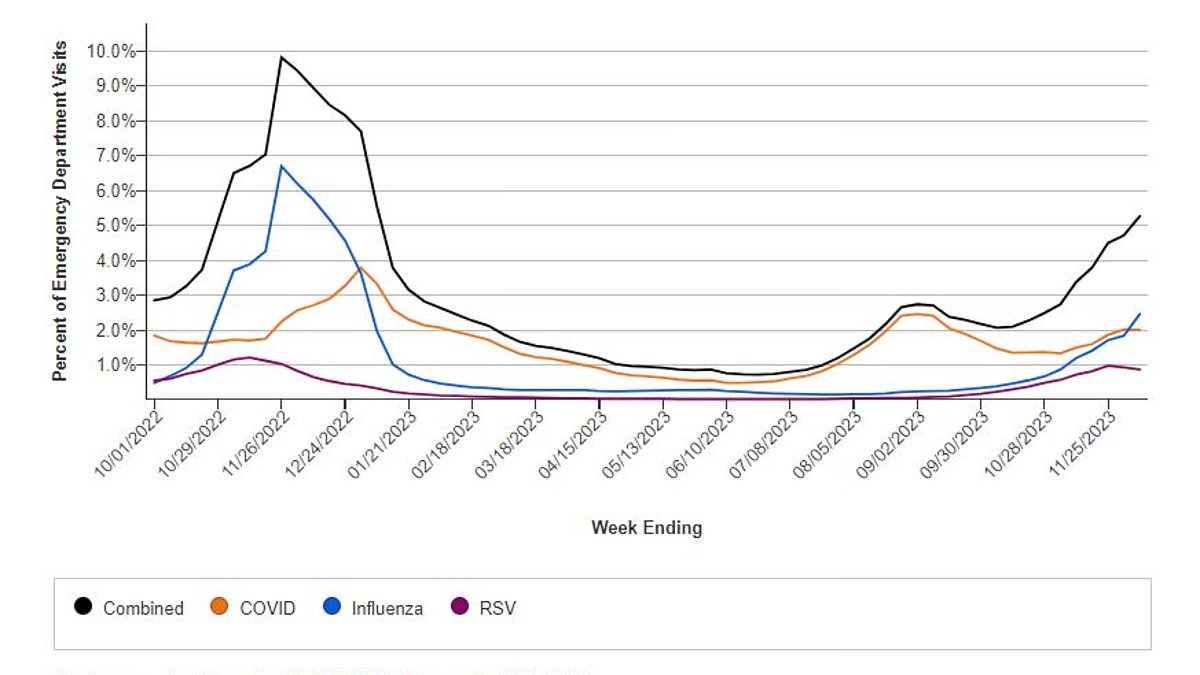
The CDC has raised concerns about the rapid spread of the new highly infectious Covid variant, JN.1, which now accounts for up to 29% of Covid cases in the US. Hospitals and emergency rooms could face the need to ration care by the end of this month, potentially causing delays in treatment for patients with other serious health conditions. Flu and respiratory syncytial virus (RSV) hospitalizations are also on the rise, further straining the healthcare system. Low vaccination rates for Covid, flu, and RSV are exacerbating the situation. The CDC warns that the situation could worsen as the JN.1 variant continues to spread, although there is no evidence that it poses an increased risk or is more severe than previous variants.
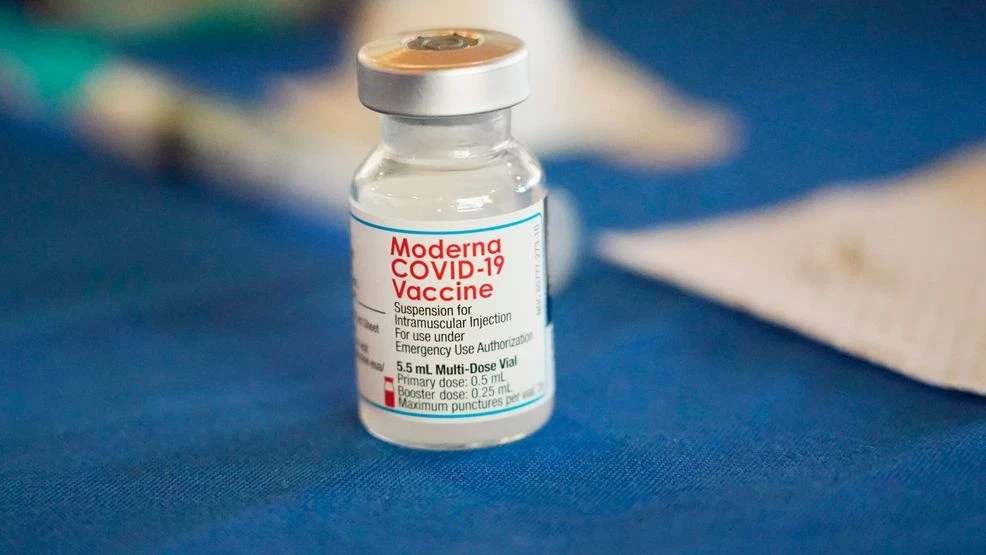
A new COVID vaccine is expected to be available in the Twin Lakes Area soon, with the vaccine anticipated to arrive late this week or early next week. Stephanie Free, the Infection Preventionist at Baxter Health, recommends the vaccine for most people and states that it will help with the latest COVID variant and other variants. Individuals aged five years or older should wait two months after their last vaccination shot to receive the new vaccine. Contact information for health units in the Twin Lakes Area is provided for further inquiries.
The COVID variant BA.2.86, which has a high number of mutations, has been detected in five states in the United States: Texas, Ohio, Michigan, New York, and Virginia. This variant was first identified in Denmark and has since been reported in several countries. Experts believe it may be contributing to the increase in COVID hospitalizations. The CDC's advisory committee is set to discuss new boosters targeting COVID subvariants, which are expected to become available in mid- to late-September. While it's unclear how well the new boosters will protect against BA.2.86, the current vaccine is designed to target a related variant, providing decent protection against severe disease and hospitalization. Wastewater sampling is being used as an early detection tool for monitoring the variant's spread.
UofL Health provides an update on the new Covid variant EG.5, also known as Eris, which is currently the dominant strain in the United States. The variant is highly transmissible, and with a population that is not fully immunized, it poses a significant challenge. A new booster is expected to be available in mid-September, which should provide protection against this new strain. UofL Health currently has seven Covid patients in the hospital.
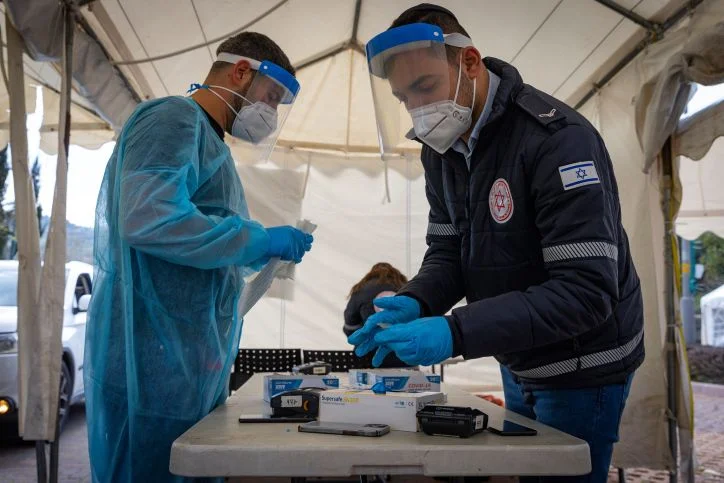
Israel has confirmed its first case of a new Covid variant, BA.2.86, which has been nicknamed "Pirola" by scientists. The variant has 36 mutations from the currently-dominant XBB.1.5 strain and is closely monitored by the World Health Organization. The U.S. Centers for Disease Control and Prevention advises that the same precautions for protecting against Covid-19 should be followed.
The Eris variant, a descendant of Omicron, has become the second most prevalent variant in the UK, accounting for one in 10 Covid cases. Symptoms of Eris are similar to those of Omicron, including a runny nose, headache, fatigue, sneezing, and sore throat. Experts suggest that the surge in cases may be driven by waning immunity, poor weather, and the spread of subvariants like Arcturus and Eris. While some believe the wave may slow down over the summer holidays, it is expected to grow faster in September when schools and workplaces reopen. However, others downplay concerns, stating that Eris is currently designated as a variant under monitoring and not a variant of concern, and further monitoring is needed to assess its impact on infections, hospital admissions, and deaths.