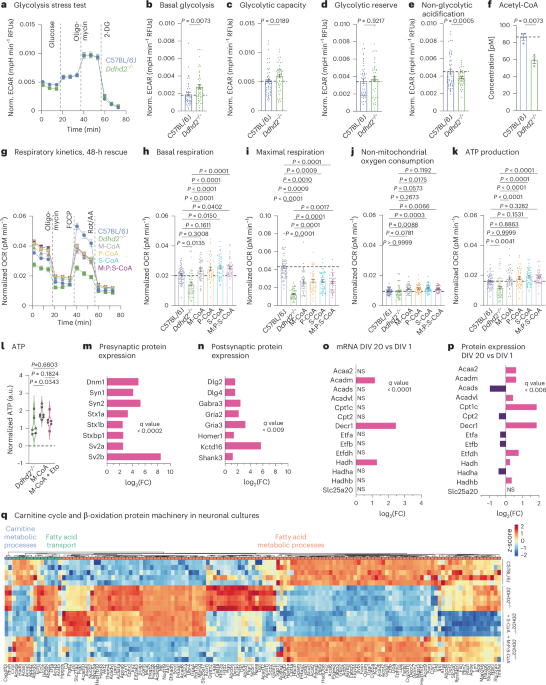
The study reveals that DDHD2 enzyme releases saturated fatty acids like myristic, palmitic, and stearic acids, which fuel mitochondrial beta-oxidation to support neuronal energy production. Loss of DDHD2 impairs this pathway, leading to reduced ATP, mitochondrial dysfunction, and neurological deficits akin to hereditary spastic paraplegia. Supplementing with CoA-conjugated fatty acids restores mitochondrial function and may offer a therapeutic approach for HSP54.
Researchers have discovered that saturated fatty acids in the brain play a crucial role in memory consolidation, identifying key genes such as PLA1 and STXBP1 that regulate the formation of these fatty acids during neuronal communication. Mouse models lacking the PLA1 gene showed cognitive decline and lower levels of saturated fatty acids, indicating their importance in memory acquisition. This breakthrough offers new insights into potential treatments for neurodegenerative diseases like Alzheimer’s, providing a significant advancement in the management of memory-related disorders.