The article highlights concerns about binge drinking among middle-aged and older adults, who often underestimate their alcohol intake during social gatherings. Experts warn that even moderate drinking can lead to health issues, including liver disease, and that the perception of binge drinking as a problem only for younger people is misleading. The UK guidelines suggest no more than 14 units of alcohol per week, but even within these limits, alcohol can cause structural changes in the body. The article also discusses the impact of alcohol on hangovers and offers tips to mitigate their effects.
A study from the University of Aberdeen found that middle-aged athletes who stopped exercising saw a rapid decline in their health, while sedentary men with early-stage type 2 diabetes who began exercising improved their health significantly within eight weeks.
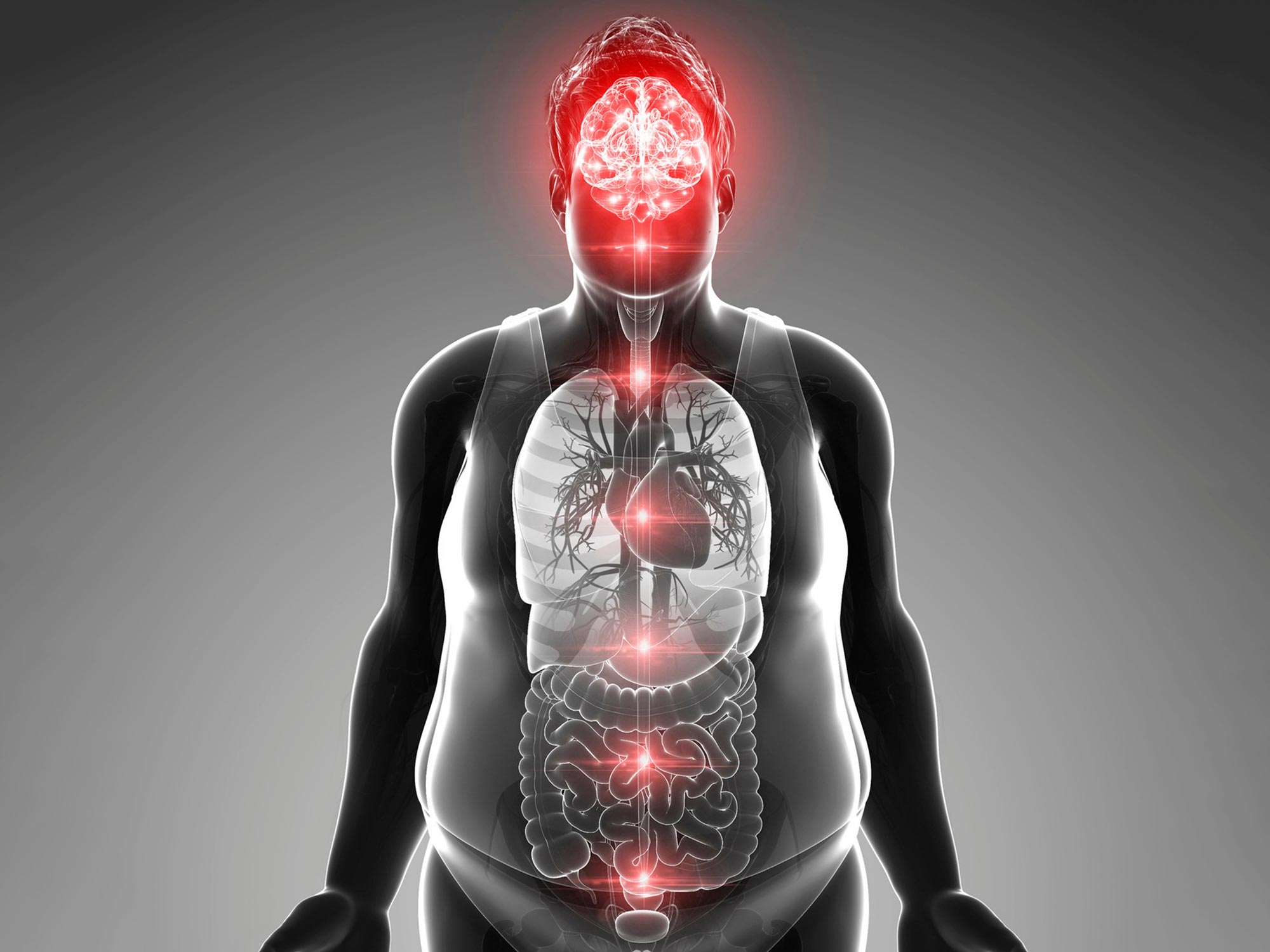
A study by Nagoya University suggests that middle-age obesity may be caused by the shortening of specific brain structures that regulate metabolism, leading to weight gain. The study found that a protein called melanocortin-4 receptor (MC4R) detects overnutrition and regulates metabolism and appetite to prevent obesity, and its concentration in primary cilia decreases with age, resulting in weight gain. The research also revealed that dietary restriction could prevent and treat overweight and obesity by maintaining the length of these brain structures.
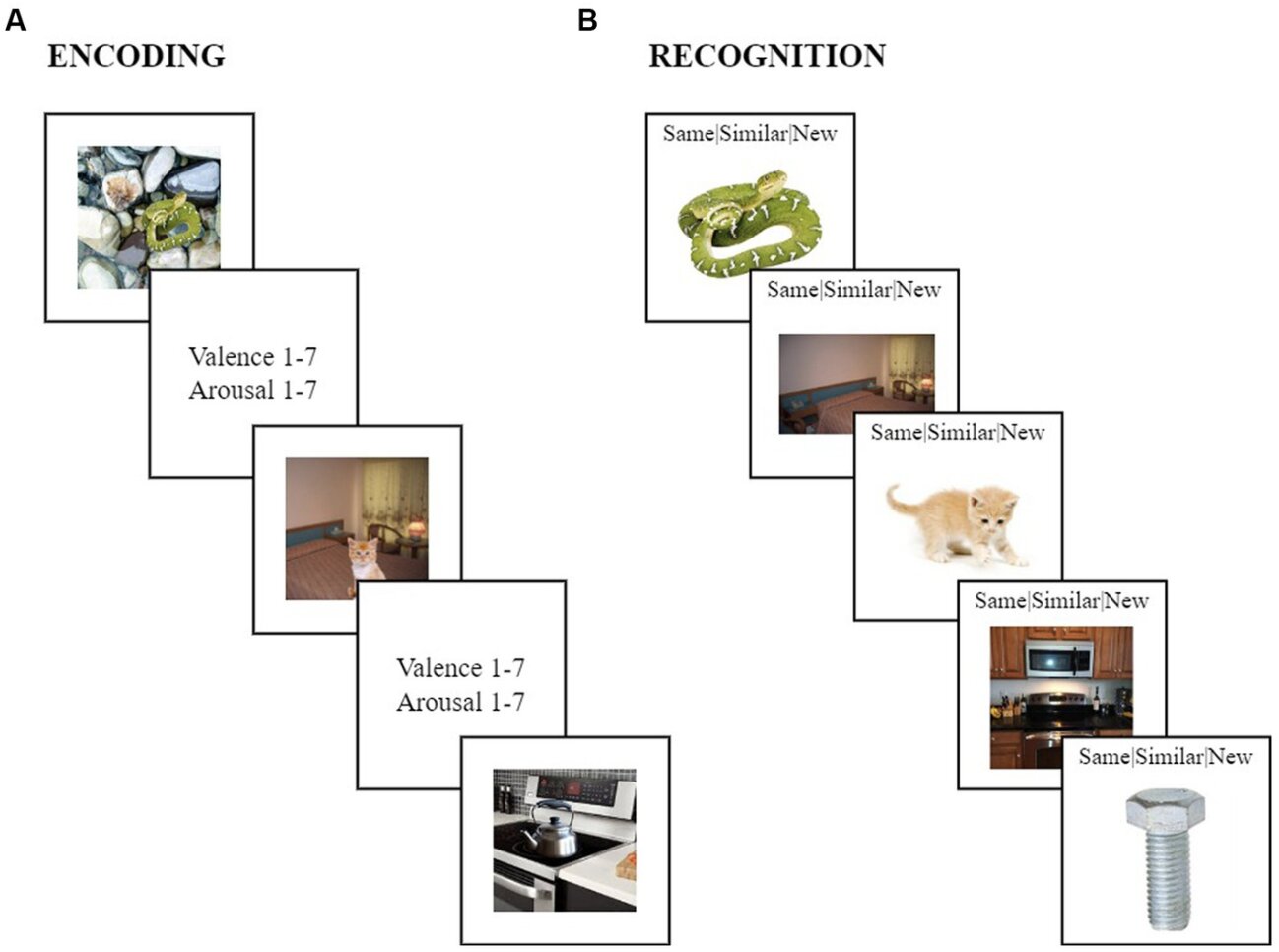
A study published in Frontiers in Behavioral Neuroscience suggests that the shift towards a more positive attitude, commonly observed in older adults, may begin as early as late middle age (48-59 years old). The research found that late middle-aged individuals displayed a greater preference for positive and neutral scenes compared to early middle-aged adults, indicating a potential early emergence of a positivity bias. These findings could inspire further studies on emotional processing at different life stages and provide insight into how aging impacts cognitive and emotional well-being.
A woman in her 40s reflects on the challenges and societal expectations she faces as an unmarried, childless woman. She discusses feeling isolated and unseen, as media often portrays middle-aged women as either married or single. She shares her own experiences of working a demanding job, caring for aging parents, and supporting her partner, while also dealing with financial struggles. Despite not conforming to societal norms, she emphasizes the value she has contributed through her relationships, writing, and advocacy work, and calls for empathy and understanding towards different life paths.