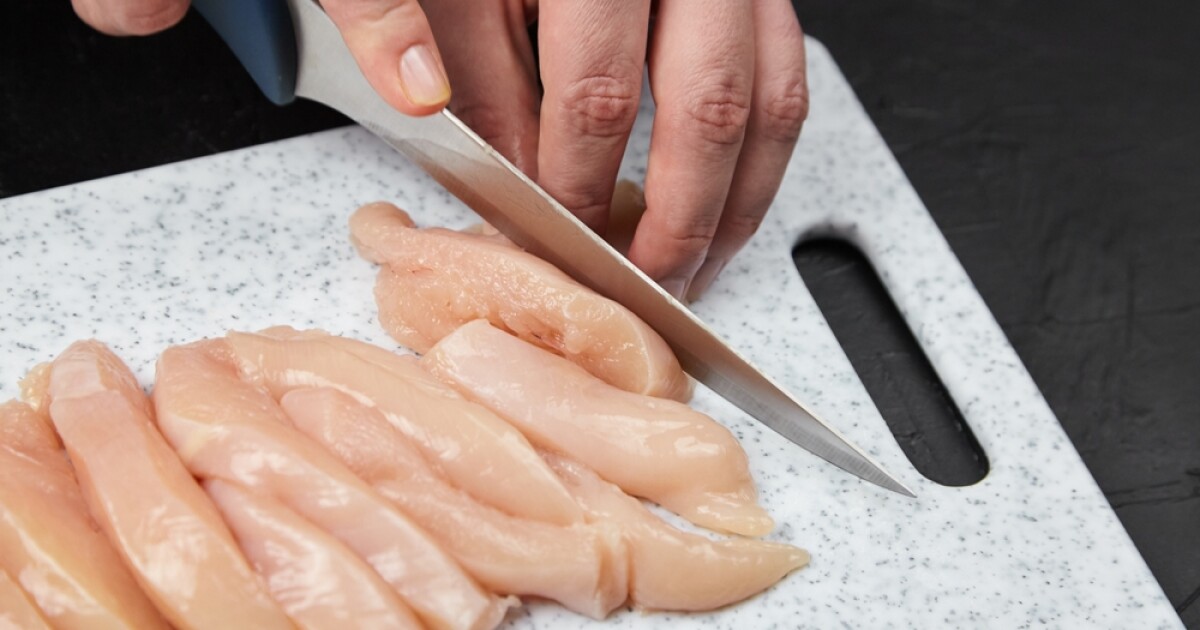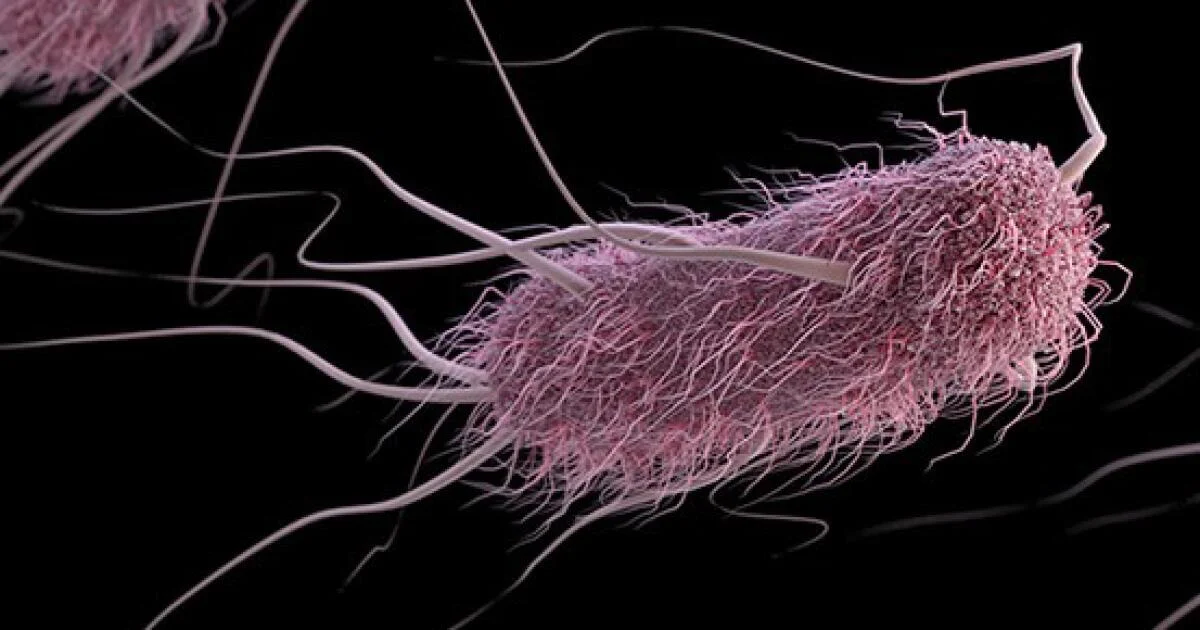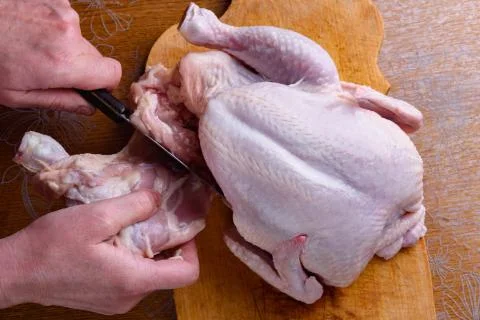
A new study links nearly 20% of urinary tract infections to E. coli strains from contaminated chicken and turkey, highlighting the importance of proper meat handling and cooking to prevent infections, especially in low-income areas.
A study links contaminated meat, especially chicken and turkey, to 20% of urinary tract infections in the U.S., highlighting food safety concerns and the need for proper meat handling practices.
A study finds that nearly 20% of urinary tract infections in Southern California are linked to E. coli from contaminated meat, especially chicken and turkey, with low-income communities at higher risk, highlighting a food safety concern that extends across the US.
A study shows that caffeine can interfere with antibiotic effectiveness by altering gene regulation in E. coli bacteria, potentially reducing drug uptake, though the implications for humans remain uncertain and further research is needed.
A study shows that caffeine can interfere with antibiotic effectiveness by altering gene regulation in E. coli bacteria, potentially reducing the bacteria's uptake of antibiotics like ciprofloxacin, though effects in humans are still unknown.
A severe food poisoning outbreak in northern France has resulted in the death of a 12-year-old girl and hospitalizations of seven children, with E.coli bacteria suspected as the cause. Authorities are investigating the source, including possible contaminated meat, and have closed several butchers in Saint-Quentin. Precautionary advice includes strict hygiene and proper food handling.
A woman claims she has suffered from a seven-year infection caused by her ex-boyfriend's fart in her face while she was immobile after ankle surgery, which was later diagnosed as an E.coli infection from fecal bacteria.
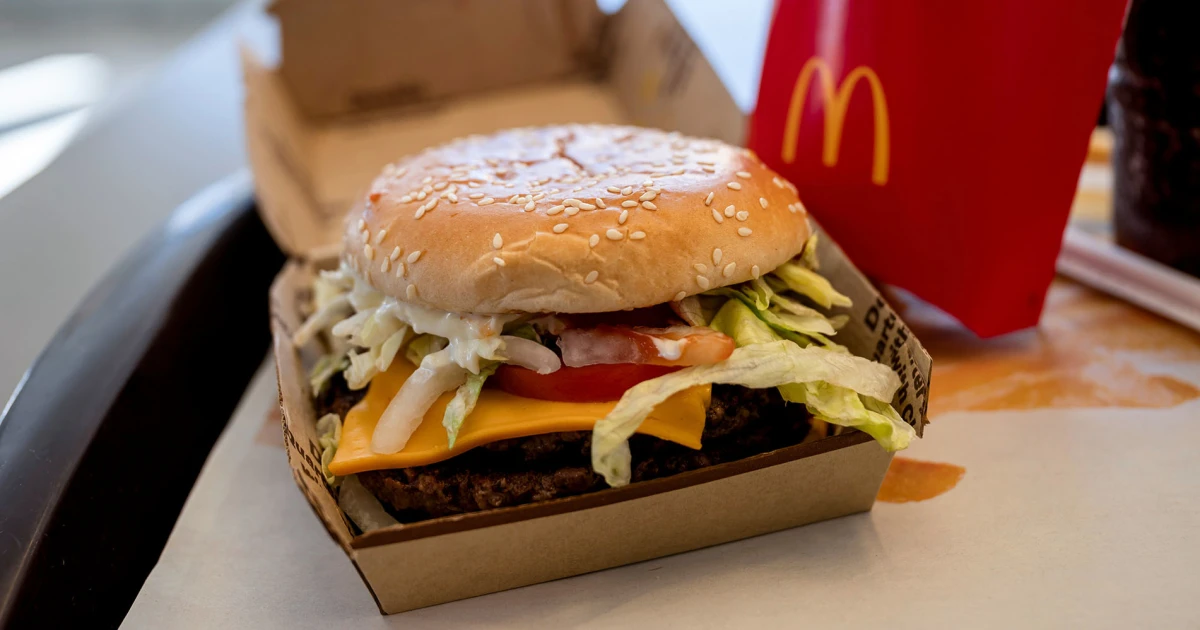
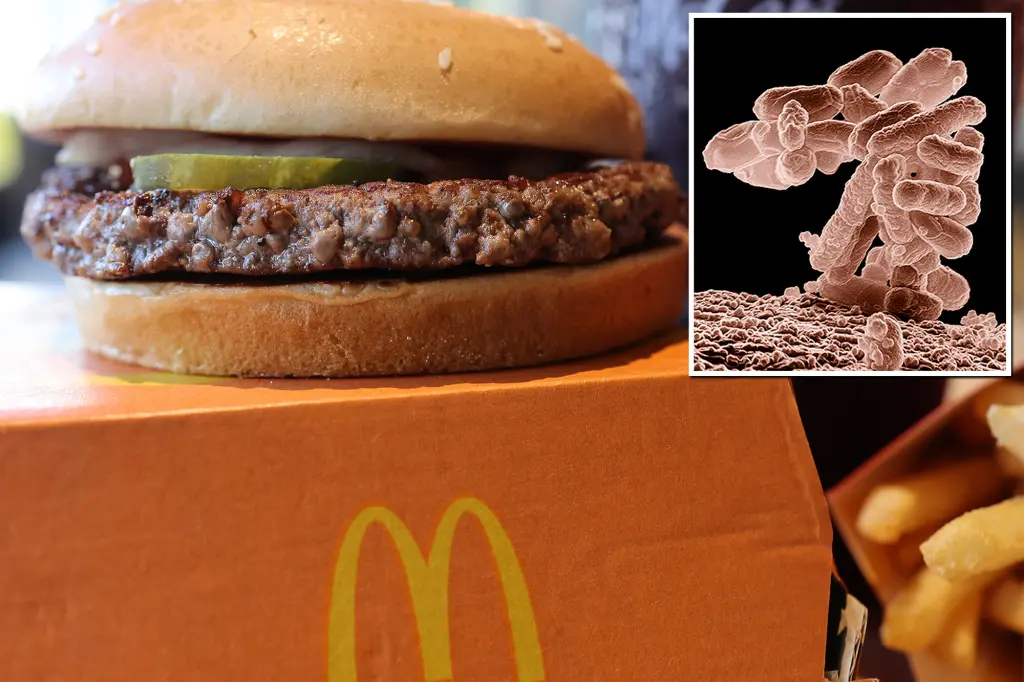
Public health officials quickly traced an E. coli outbreak to slivered onions used in McDonald's Quarter Pounders across 14 states, leading to 104 illnesses and one death. The CDC and FDA worked with state health officials and McDonald's to identify the source, resulting in a temporary halt of Quarter Pounder sales and a recall of onions from a Colorado supplier. Despite extensive testing, the exact contamination source remains unconfirmed, but the outbreak is now declared over.
Two law firms have filed a lawsuit against Taylor Farms California, Inc. and André’s Banquets and Catering, alleging their products are linked to an E. coli outbreak affecting 115 people in St. Louis and six other states. The lawsuit accuses the companies of negligence and failing to warn consumers about contaminated leafy greens. The outbreak has resulted in hospitalizations and severe health complications, with the lawsuit seeking at least $25,000 in damages. André’s denies responsibility, while Taylor Farms has not commented.
Two St. Louis-area law firms have identified Taylor Farms California as the alleged source of a multistate E. coli outbreak that has sickened 115 people in Missouri, including 13 hospitalizations. The St. Louis County Department of Public Health has not confirmed this source, but genetic testing linked 25 cases to Andre's Banquets and Catering in St. Louis, with additional cases reported in other states. The outbreak has been associated with leafy greens, and the law firms are representing multiple victims seeking compensation.
An E. coli outbreak in St. Louis County, linked to a local caterer, has spread to six other states, with 115 cases and 13 hospitalizations reported. Whole genome sequencing has connected cases in Missouri to those in Illinois, Indiana, Kansas, North Dakota, Ohio, and South Dakota, suggesting contamination from a common food supplier, possibly involving leafy greens. The caterer, André’s Banquets and Catering, faces lawsuits but denies responsibility, citing negative lettuce tests and pre-existing illnesses. Health officials continue to investigate the outbreak's source.
The CDC announced the end of a lethal E. coli outbreak linked to slivered onions in McDonald's Quarter Pounder burgers, which resulted in one death and 104 infections across 14 states. McDonald's has removed contaminated products from its supply chain and invested $100 million in marketing to restore its image. The outbreak primarily affected Colorado and Nebraska, with the company pausing sales and switching suppliers to address the issue. No new cases have been reported since October 22.
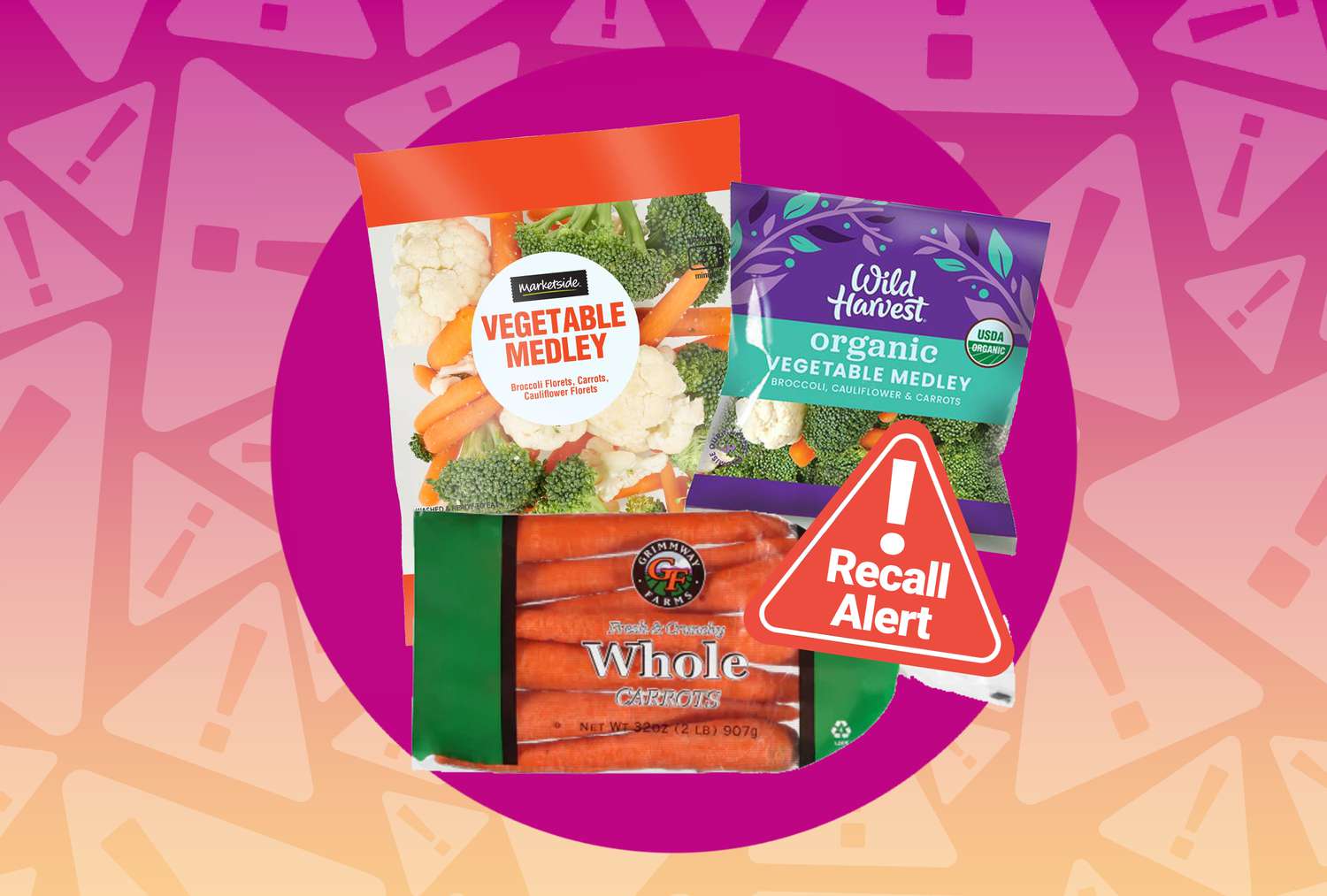
The FDA has announced a recall of various vegetable medleys, including broccoli and carrots, due to E. coli contamination. This recall is an expansion of a global carrot recall linked to an outbreak. Consumers are advised to check their refrigerators and freezers for affected products with best by dates from September 7 to November 7, 2024, and either dispose of them or return them for a refund. E. coli infections can cause symptoms like stomach cramps and diarrhea, and can be severe for young children and those with weakened immune systems.
Over 167,000 pounds of ground beef have been recalled in the US due to an E coli outbreak linked to a common meat supplier, affecting at least 19 people in Minnesota. The contaminated meat was traced to restaurants like Red Cow and Hen House Eatery. E coli O157:H7, a harmful strain, can cause severe illness, particularly in vulnerable populations. The USDA's Food Safety and Inspection Service is investigating, and Wolverine Packing Co is conducting an internal audit. Cooking meat to 71°C (160°F) can kill E coli.
Recent nationwide recalls have been issued for various food products due to contamination risks. Grimmway Farms' organic carrots are linked to an E. coli outbreak affecting multiple countries, while ground beef patties distributed to restaurants in the Midwest are also recalled for E. coli. In Canada, Nut Works pistachios are recalled for Salmonella risk. Additionally, Walmart's Great Value bakery items and Costco's Butter Croissants are recalled due to contamination with plastic and metal pieces, respectively. Consumers are advised to dispose of or return affected products.