Tag

Microbial Communities

All articles tagged with #microbial communities

Scientists Develop Microbial Method for Perfect Fine Chocolate

Originally Published 4 months ago — by Nature

Featured image for Scientists Develop Microbial Method for Perfect Fine Chocolate
Source: Nature

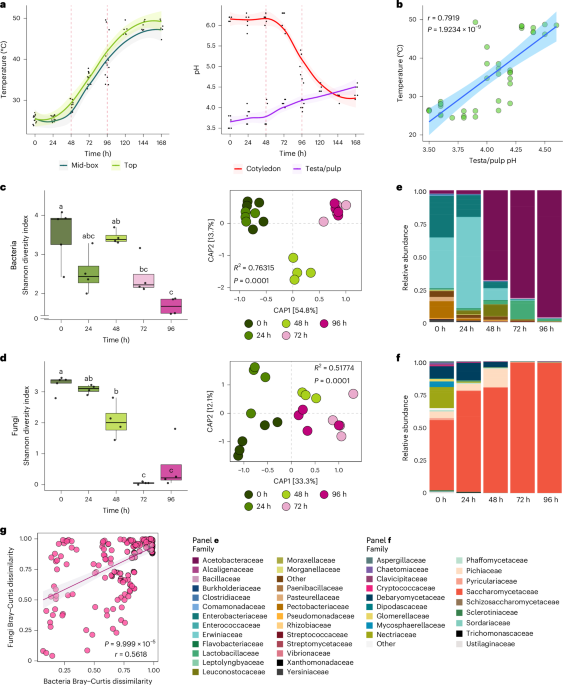
A study on cocoa fermentation reveals how specific microbial communities and abiotic factors like temperature and pH influence chocolate flavor development, demonstrating that defined microbial consortia can reproduce key fermentation traits and modulate flavor profiles, paving the way for controlled, high-quality chocolate production.

Why a Few Species Dominate While Most Remain Rare

Originally Published 7 months ago — by Earth.com

Featured image for Why a Few Species Dominate While Most Remain Rare
Source: Earth.com

Researchers from UVA have identified a universal mathematical model, the powerbend distribution, that explains the common pattern in nature where most species are rare and a few are very common, across various ecosystems and organisms, with practical implications for biodiversity estimation and conservation.

Antarctica's Lake Enigma Reveals Hidden Microbial Ecosystem

Originally Published 1 year ago — by Phys.org

Featured image for Antarctica's Lake Enigma Reveals Hidden Microbial Ecosystem
Source: Phys.org

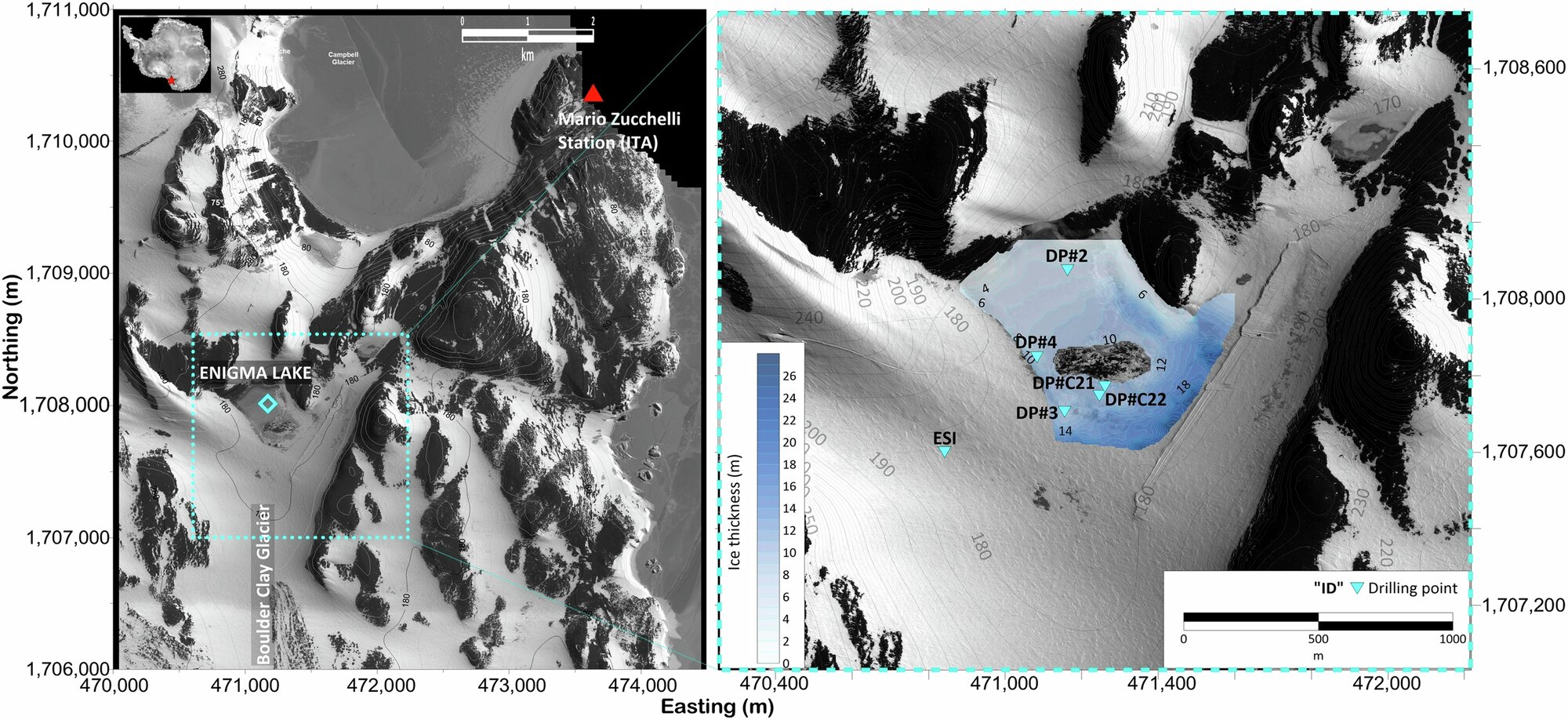
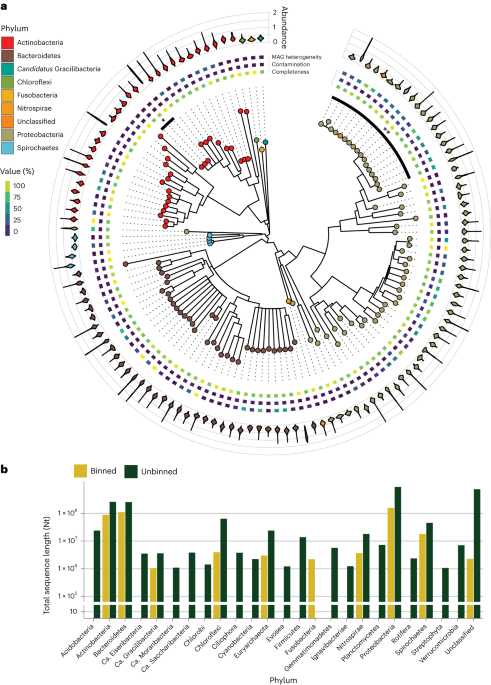
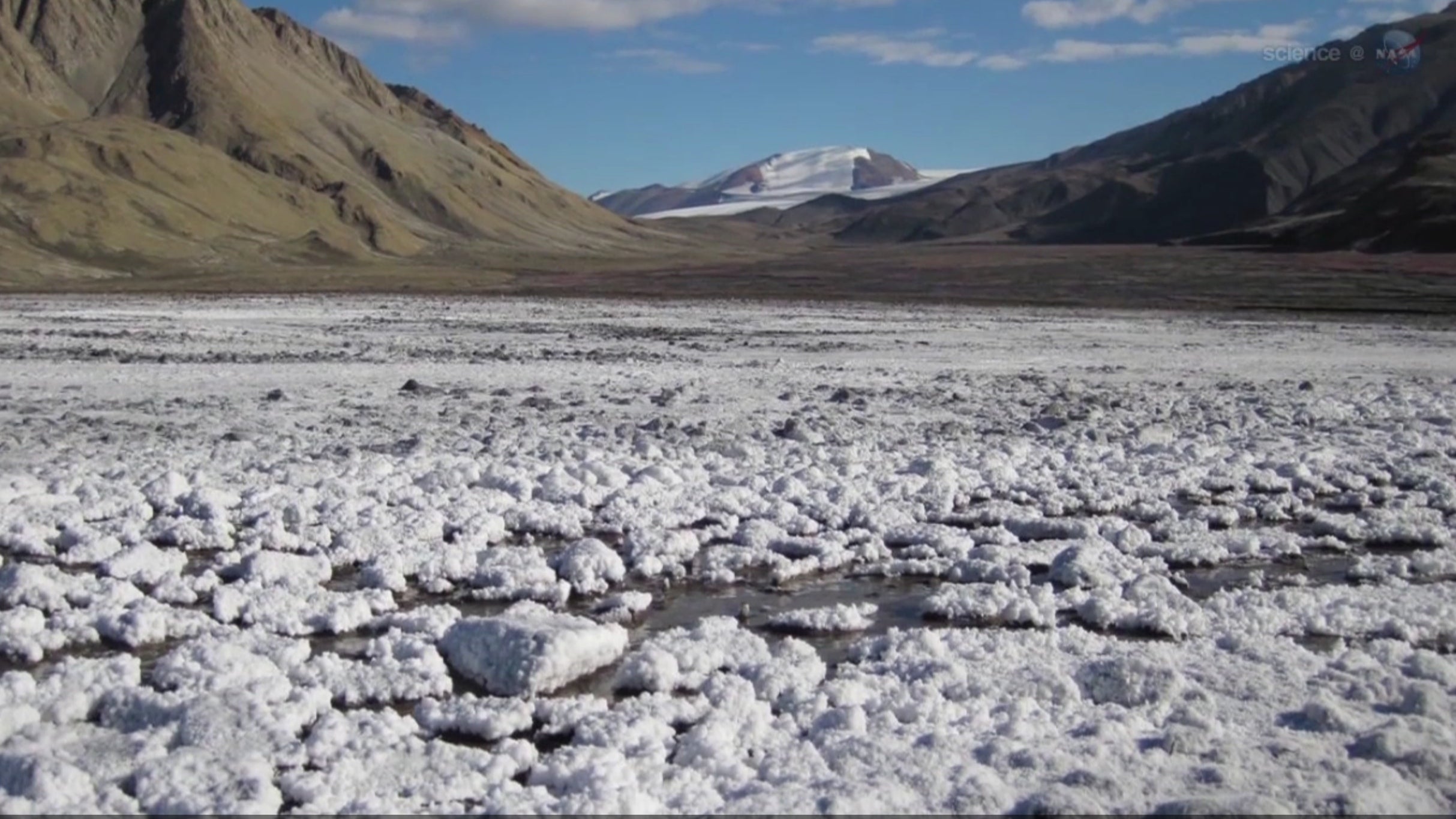
Researchers have discovered unique microbial communities beneath the frozen surface of Antarctica's Lake Enigma, challenging previous beliefs that the lake was entirely frozen. Using ground-penetrating radar and drilling techniques, the team found water 11 meters below the surface and identified various microbiota, including Pseudomonadota, Actinobacteriota, Bacteroidota, and a significant presence of Patescibacteria. The findings suggest the lake has an unknown water source and that its current microbial life descends from organisms that survived its freezing.

"The Water Content of Earth's Crust: Unveiling the Hidden Reservoirs"

Originally Published 1 year ago — by Livescience.com

Featured image for "The Water Content of Earth's Crust: Unveiling the Hidden Reservoirs"
Source: Livescience.com

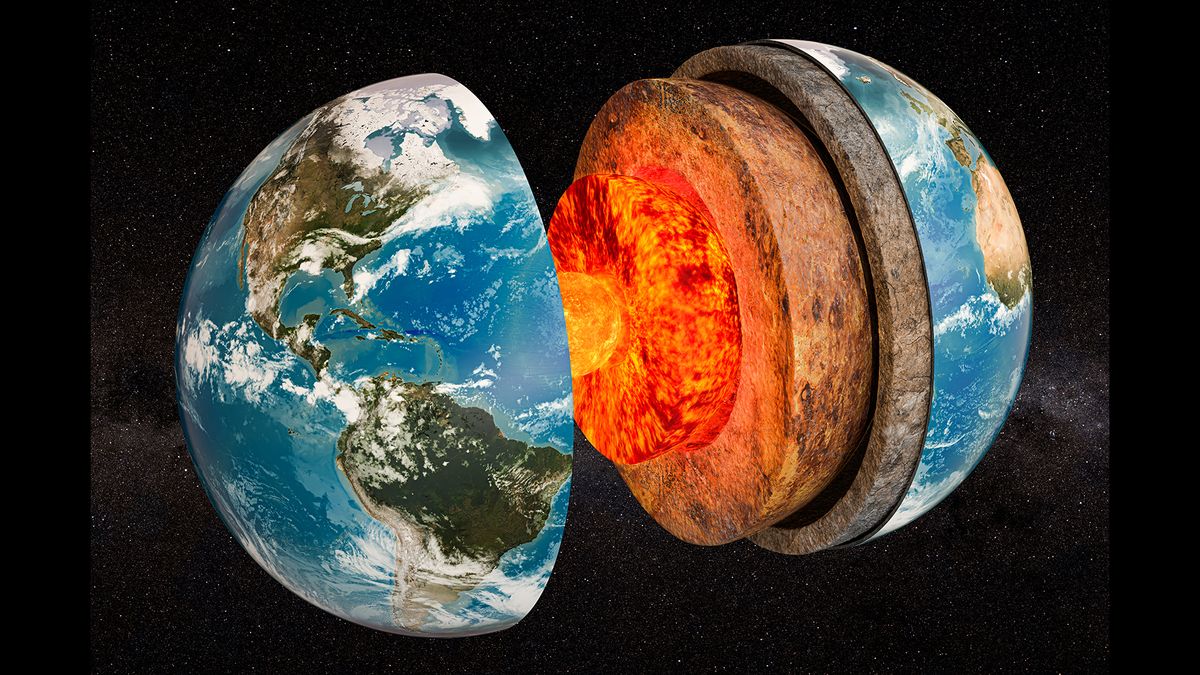
A 2021 study estimates that there are approximately 43.9 million cubic kilometers of water in Earth's crust, making groundwater the largest reservoir of water globally after the oceans. This deep groundwater, largely isolated and salty, could provide valuable insights into Earth's past and support ancient microbial ecosystems, shedding light on the evolution of life on our planet and potentially on other worlds. The study's findings more than doubled previous estimates of deep groundwater, emphasizing the need for further exploration of water at great depths on Earth and other planets.

Lost Lagoon: Uncovering Earth's Prehistoric Secrets in the Atacama Desert

Originally Published 2 years ago — by Slashdot

Featured image for Lost Lagoon: Uncovering Earth's Prehistoric Secrets in the Atacama Desert
Source: Slashdot

A system of lagoons in Argentina has been discovered, hosting rare microbial communities that resemble the earliest fossil evidence of life on Earth 3.5 billion years ago. These communities, known as stromatolites, could provide valuable insights into the possibility of life on Mars, which was more Earth-like in its early stages. Geologists believe that understanding these modern communities on Earth could help identify similar features in Martian rocks and inform future exploration efforts.

Unearthed: The Hidden Prehistoric "Lost World" on Earth

Originally Published 2 years ago — by indy100

Featured image for Unearthed: The Hidden Prehistoric "Lost World" on Earth
Source: indy100

Scientists have discovered an "alien" ecosystem in the Atacama desert in Argentina, unlike anything seen before. The ecosystem consists of a network of crystal-clear lagoons surrounded by salt plains, and is home to stromatolites, complex microbial communities that form massive rock mounds. These stromatolites resemble those that existed during the early Archaean period, suggesting they could be one of the best modern examples of the earliest signs of life on Earth. The discovery could also provide insights into how life may have arisen on Mars. However, the ecosystem is at risk due to plans for lithium mining in the area.

Predicting microbial community dynamics with integrated meta-omics

Originally Published 2 years ago — by Nature.com

Featured image for Predicting microbial community dynamics with integrated meta-omics
Source: Nature.com

Researchers have developed a framework for forecasting the dynamics of complex microbial communities using integrated meta-omics data. The study focused on a microbial community in a biological wastewater treatment plant (BWWTP) and used a combination of techniques including singular value decomposition (SVD) and autoregressive integrated moving average (ARIMA) modeling. The researchers identified 17 temporal signals representing different ecological events in the community and established causal relationships between these signals. The framework successfully predicted gene abundance and expression in the microbial community, demonstrating its potential for understanding and managing microbial ecosystems.

Exploring Yucatán's Hidden Microbial World in Underwater Caves

Originally Published 2 years ago — by Phys.org

Featured image for Exploring Yucatán's Hidden Microbial World in Underwater Caves
Source: Phys.org

Researchers from Northwestern University have conducted an extensive survey of the microbial communities living in the underwater caves beneath Mexico's Yucatán Peninsula. By collecting water samples from various sites within the cave system, the researchers discovered a rich and diverse ecosystem, with microbial communities organized into distinct patterns. One family of bacteria, Comamonadaceae, was found to be particularly prevalent and may play a crucial role in the broader community. The study provides valuable insights into the unique underground realm and its potential impact on drinking water sources for millions of people.

Microbial Clues Unveil Hidden Diamond Deposits in Soil

Originally Published 2 years ago — by Phys.org

Featured image for Microbial Clues Unveil Hidden Diamond Deposits in Soil
Source: Phys.org

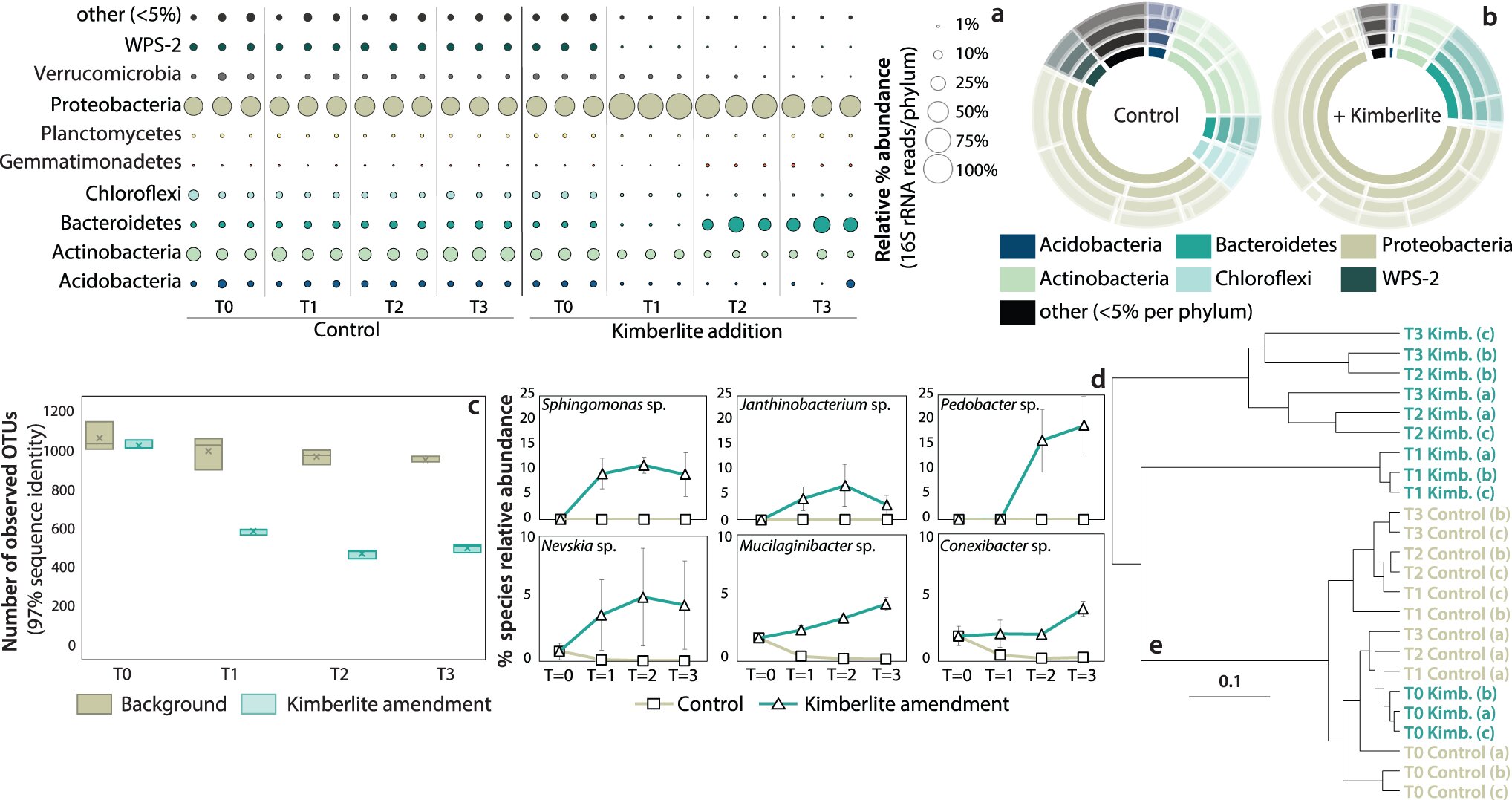
Researchers have developed a new technique for mineral exploration by analyzing the DNA of microbial communities in surface soil. These "biological fingerprints" can identify buried minerals, such as diamond-containing ore, without the need for drilling. By introducing kimberlite, the host rock of diamonds, to soil microbes in the lab, the researchers observed changes in microbial communities that served as indicators for the presence of ore materials. Testing the surface soil at exploration sites in the Northwest Territories, the team successfully located buried kimberlite deposits using these indicator microbes. The technique shows promise for identifying other metallic deposits and could have applications in fueling a green economy.

"Decoding Extraterrestrial Life: Can Perseverance Rover Unveil Martian Secrets?"

Originally Published 2 years ago — by Space.com

Featured image for "Decoding Extraterrestrial Life: Can Perseverance Rover Unveil Martian Secrets?"
Source: Space.com

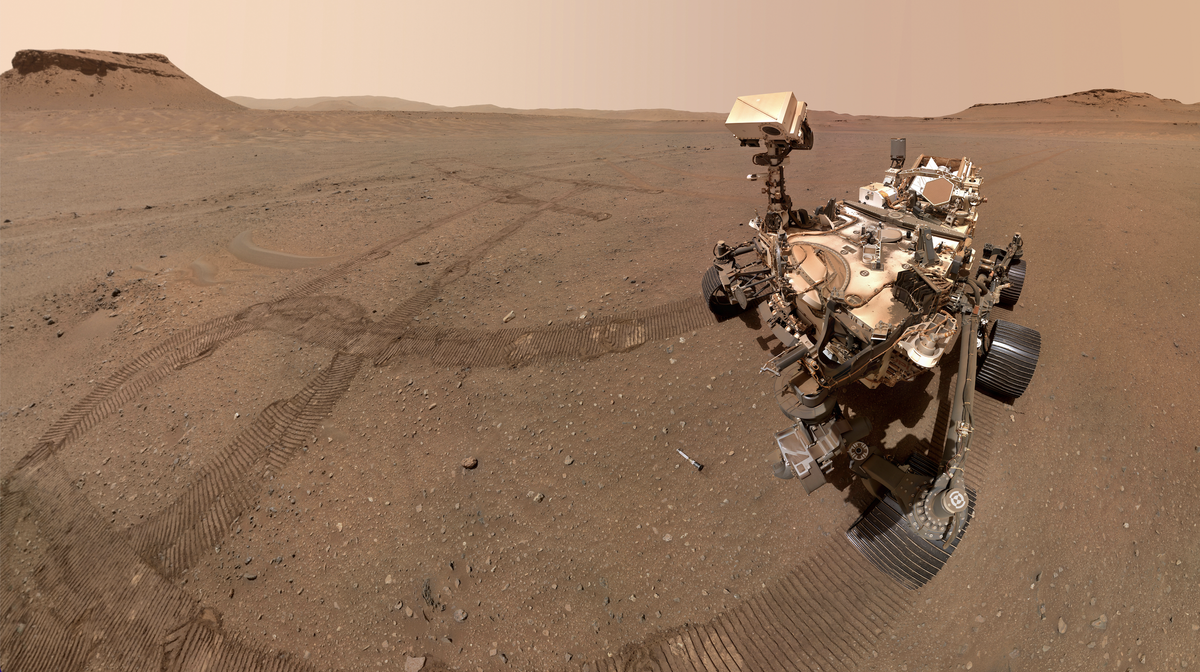
NASA's Perseverance rover has discovered circular rock structures on Mars that resemble ones formed by microbial communities on Earth, raising the question of whether they could be evidence of life. However, experts caution that it is important to consider geologic explanations first and that extraordinary evidence is needed to claim evidence for life. The debate highlights the need for a clear definition of biosignatures and the exploration of potential abiotic causes. While the images are intriguing, they are not enough to make a compelling case for life, and further analysis is required to determine the true nature of these structures.

Unveiling the Gut's Revolutionary Disease Treatments

Originally Published 2 years ago — by Medical Xpress

Featured image for Unveiling the Gut's Revolutionary Disease Treatments
Source: Medical Xpress

Researchers at the Hudson Institute of Medical Research have developed a new computational method to understand the interactions within the human gut microbiome, which could lead to new treatments for conditions such as inflammatory bowel disease, infections, autoimmune diseases, and cancers. By mapping the relationships between different bacterial species in the gut, the team has identified key interactions and dependencies that shape the microbiome. This knowledge opens up opportunities for targeted interventions and the development of complex microbial therapies. The findings also highlight the importance of restoring gut microbial ecology in disease prevention and treatment.

"Permafrost Thaw Unleashes Ancient Pathogens, Posing Health Risks"

Originally Published 2 years ago — by The Weather Channel

Featured image for "Permafrost Thaw Unleashes Ancient Pathogens, Posing Health Risks"
Source: The Weather Channel

A new study has found that ancient pathogens released from melting permafrost pose a potential threat to microbial communities and human health. Using computer simulations, researchers found that these ancient invading pathogens could survive and evolve in modern communities, with about 3% becoming dominant. While most had little effect on the larger community, approximately 1% caused significant disruptions, leading to the death of up to one-third of host species or an increase in diversity by up to 12%. The study suggests that the risks posed by these time-traveling pathogens, previously confined to science fiction, could be powerful drivers of ecological change and threats to human health.

Ecological pattern-based identification of microbial functional groups.

Originally Published 2 years ago — by Nature.com

Featured image for Ecological pattern-based identification of microbial functional groups.
Source: Nature.com

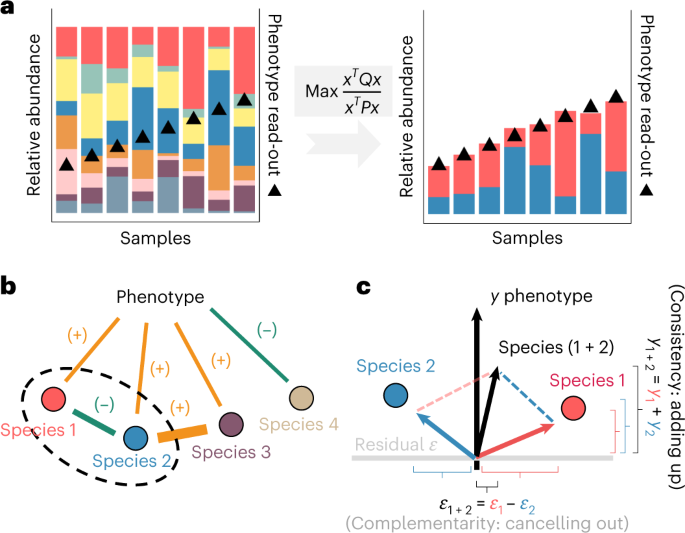
Researchers have developed a new method for identifying functional groups in microbial communities without relying on annotation. The method, called "functional group discovery," uses statistical analysis to identify groups of microbes that share similar metabolic pathways and ecological roles. The researchers used the method to identify groups involved in nitrogen cycling and polyamine production in gut microbiomes. The approach could help researchers better understand the ecological roles of microbes in complex communities.