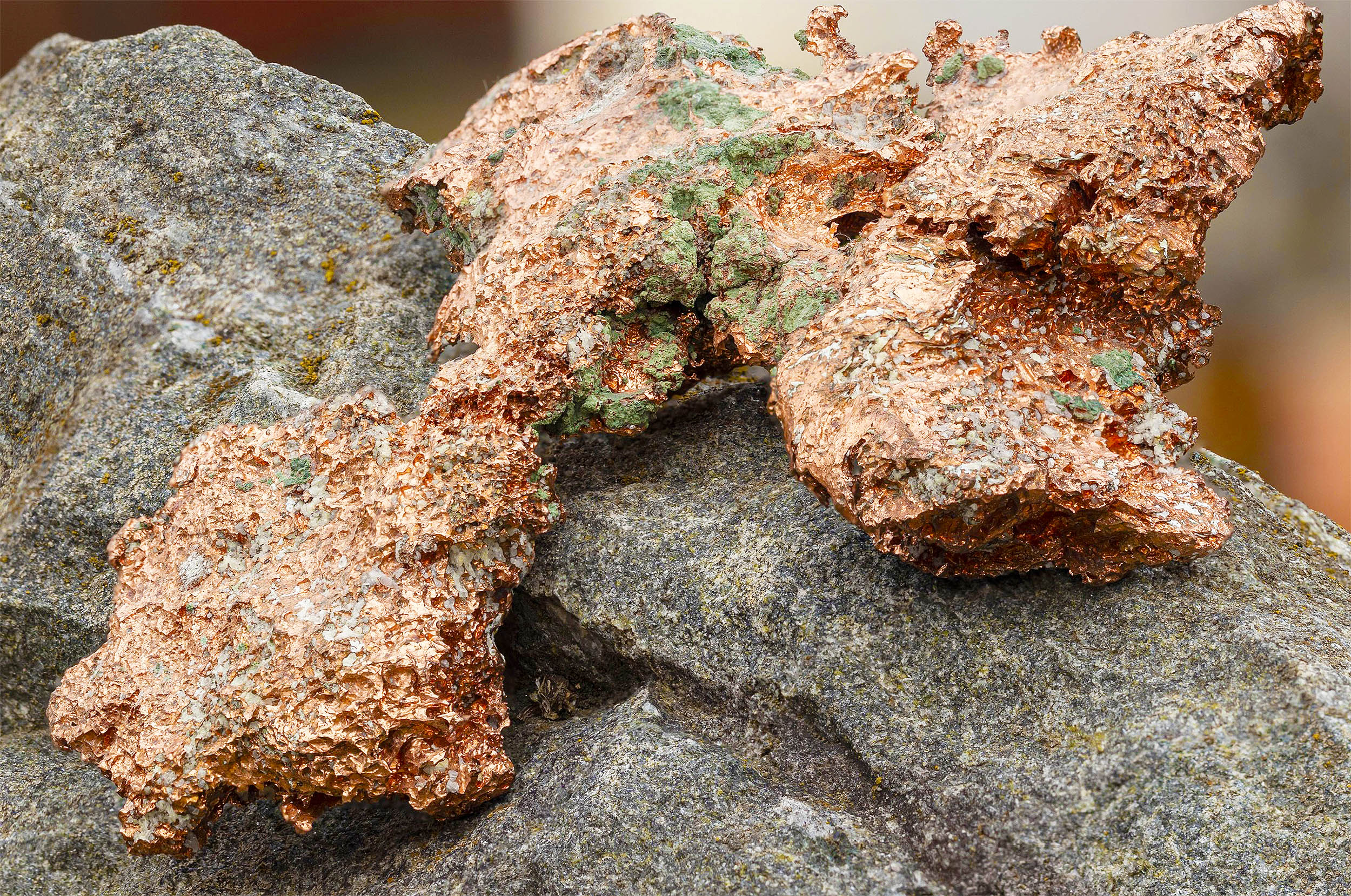
Scientists have discovered that some of Earth's largest copper deposits are formed not by ongoing subduction zones but by the chemical aftershocks of ancient continental collisions, particularly in Tibet, which could influence future mineral exploration and support the growing demand for copper in clean energy technologies.
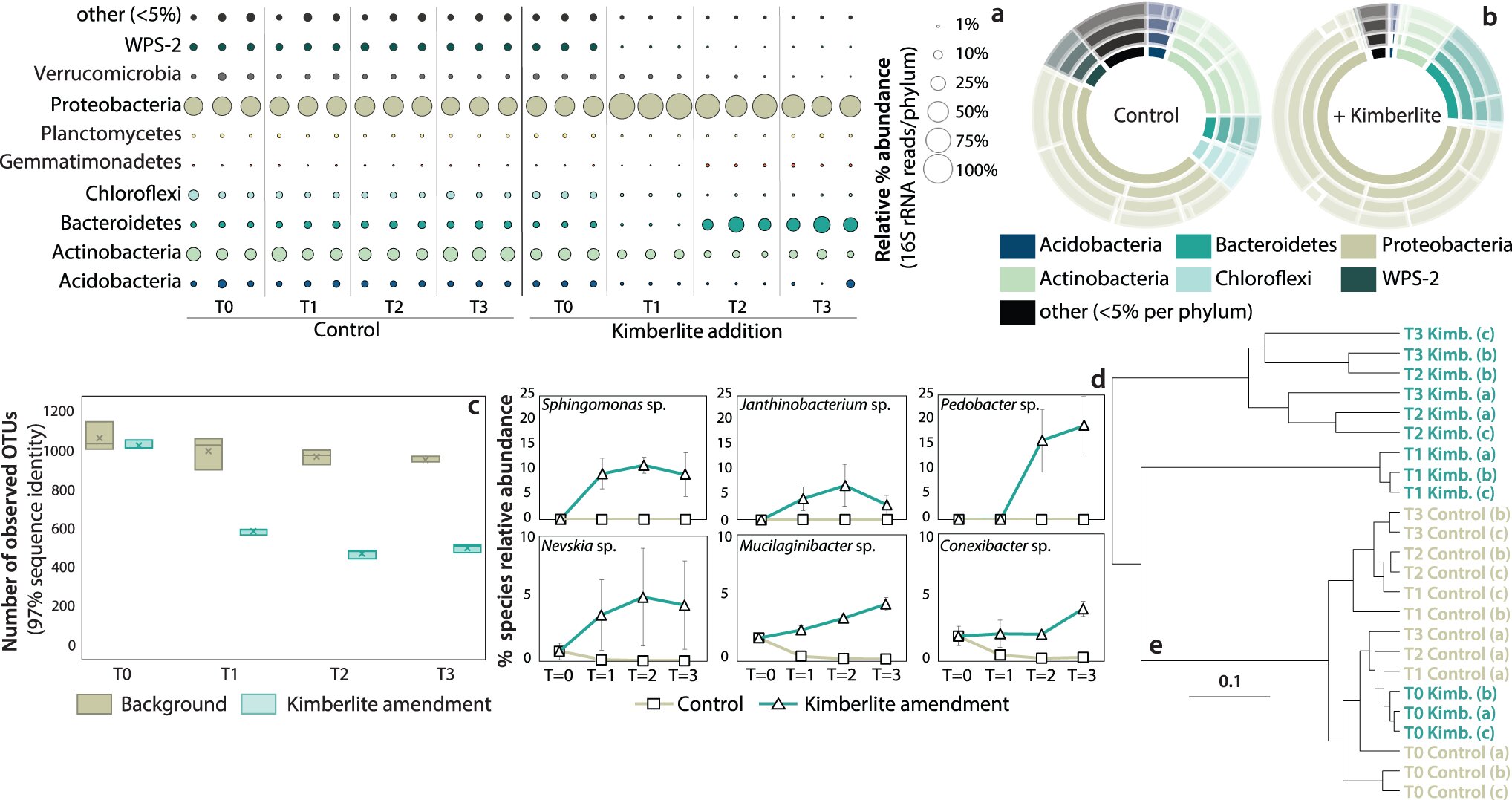
Researchers have developed a new technique for mineral exploration by analyzing the DNA of microbial communities in surface soil. These "biological fingerprints" can identify buried minerals, such as diamond-containing ore, without the need for drilling. By introducing kimberlite, the host rock of diamonds, to soil microbes in the lab, the researchers observed changes in microbial communities that served as indicators for the presence of ore materials. Testing the surface soil at exploration sites in the Northwest Territories, the team successfully located buried kimberlite deposits using these indicator microbes. The technique shows promise for identifying other metallic deposits and could have applications in fueling a green economy.