The article reviews 2025 predictions, with 19 correct, 4 incorrect, and 2 undecided, covering politics, science, technology, and culture, highlighting the accuracy and challenges of forecasting future events.
Polymarket, a cryptocurrency-based prediction market led by CEO Shayne Coplan, claims to be the most accurate source for predicting real-world events, with a history of outperforming experts in forecasts such as the 2024 US presidential election. The platform allows users to bet on outcomes across various categories, providing valuable insights and attracting significant investment, including a recent $2 billion from the NYSE owner. Despite regulatory challenges and legal issues, Polymarket aims to expand its user base globally and become a major tool for forecasting future events.
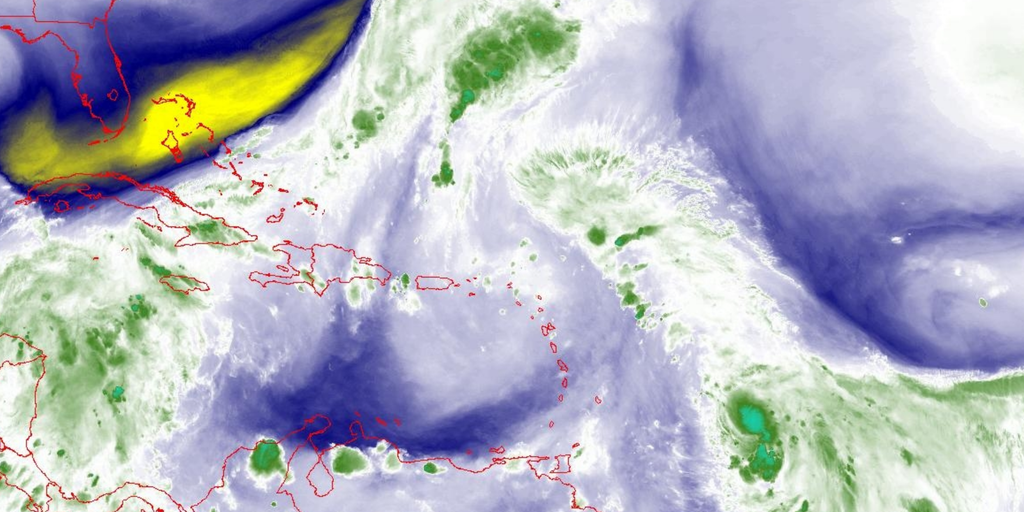
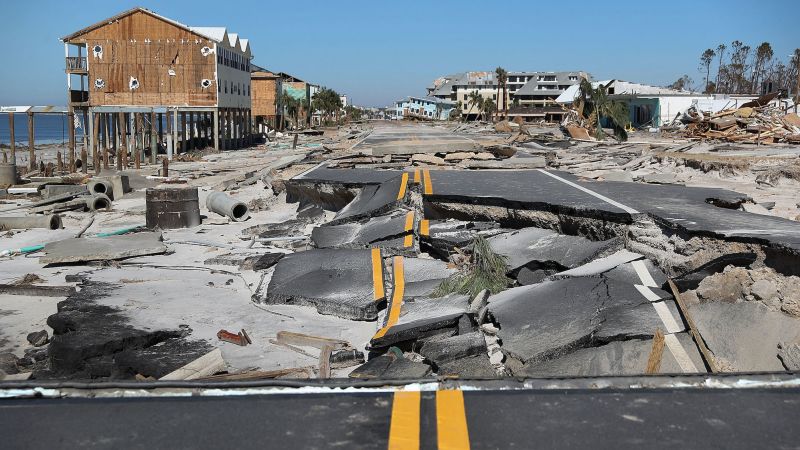
As the 2024 Atlantic hurricane season begins, forecasters warn of more storms that could rapidly intensify, a phenomenon that has historically been difficult to predict. However, advancements in technology and data collection have improved forecasting capabilities. Rapid intensification, where wind speeds increase dramatically in a short period, has been linked to catastrophic hurricanes in the past. The National Hurricane Center and other agencies are using new tools to better predict these events, though challenges remain, as evidenced by Hurricane Otis's unexpected intensification last year.
The Bank of England has announced plans to overhaul its forecasting process for the British economy following criticism for underestimating inflation. The review, led by former Federal Reserve chair Ben S. Bernanke, aims to improve the bank's ability to predict economic growth and inflation, particularly during times of high uncertainty. The overhaul includes 12 recommendations such as revising the presentation of inflation forecasts, reevaluating underlying assumptions, and investing in software and economic models. The bank has committed to implementing these changes, but acknowledges that substantial investment and time will be required.
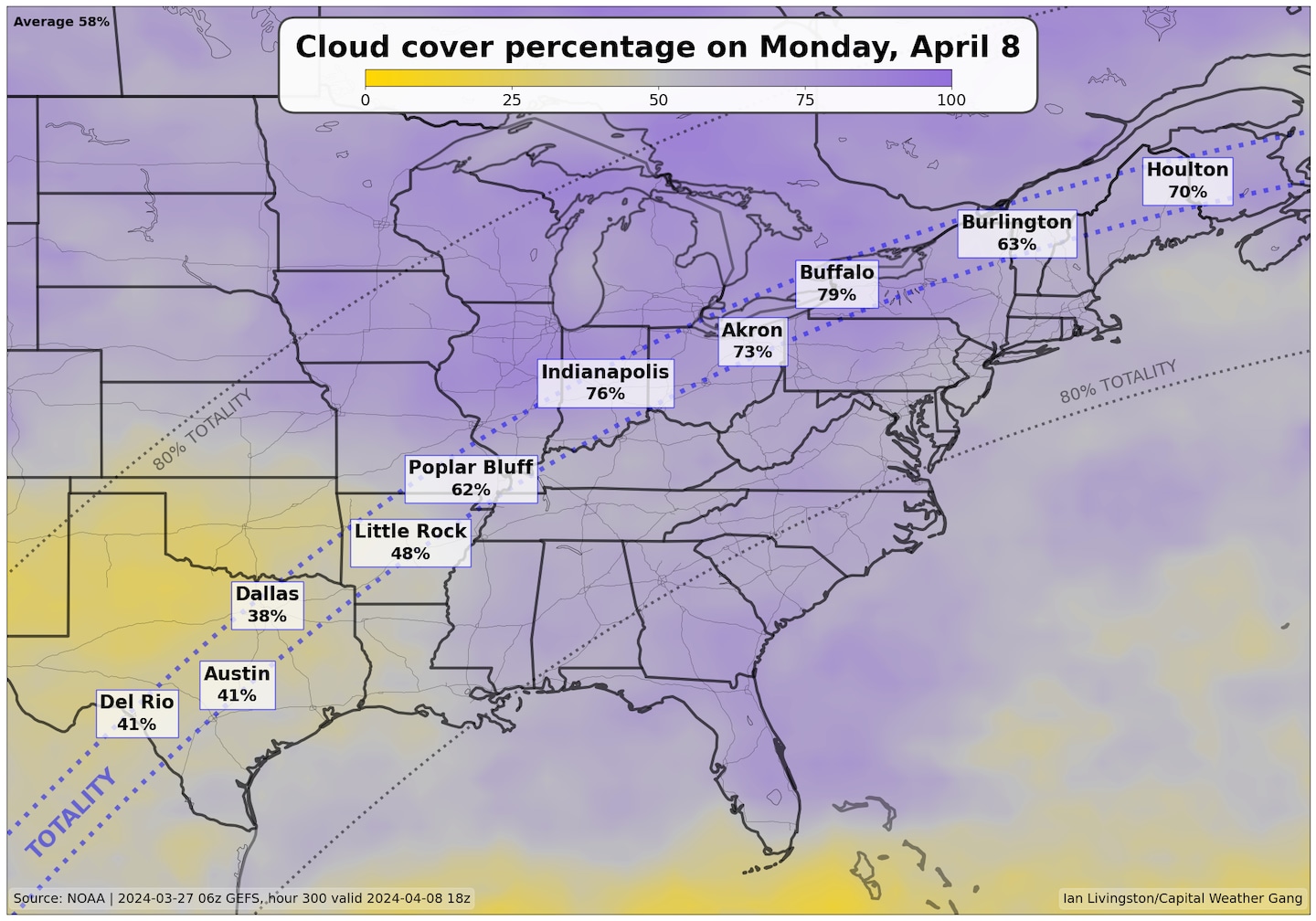
The cloud cover forecast for the upcoming solar eclipse on April 8 is still uncertain, as predicting clouds is challenging due to small-scale atmospheric processes. Meteorologists are using ensemble models to analyze a range of possible weather outcomes and their probabilities. While deterministic forecasts show extensive cloud cover along the eclipse path, AI weather forecasting start-up Excarta claims its forecasts can be 20% more accurate than traditional models, with current predictions showing varying cloud cover percentages for cities in the eclipse path. The Washington Post will launch its own eclipse cloud forecast tracker, but forecast confidence may not be high until just a day or two before the event.
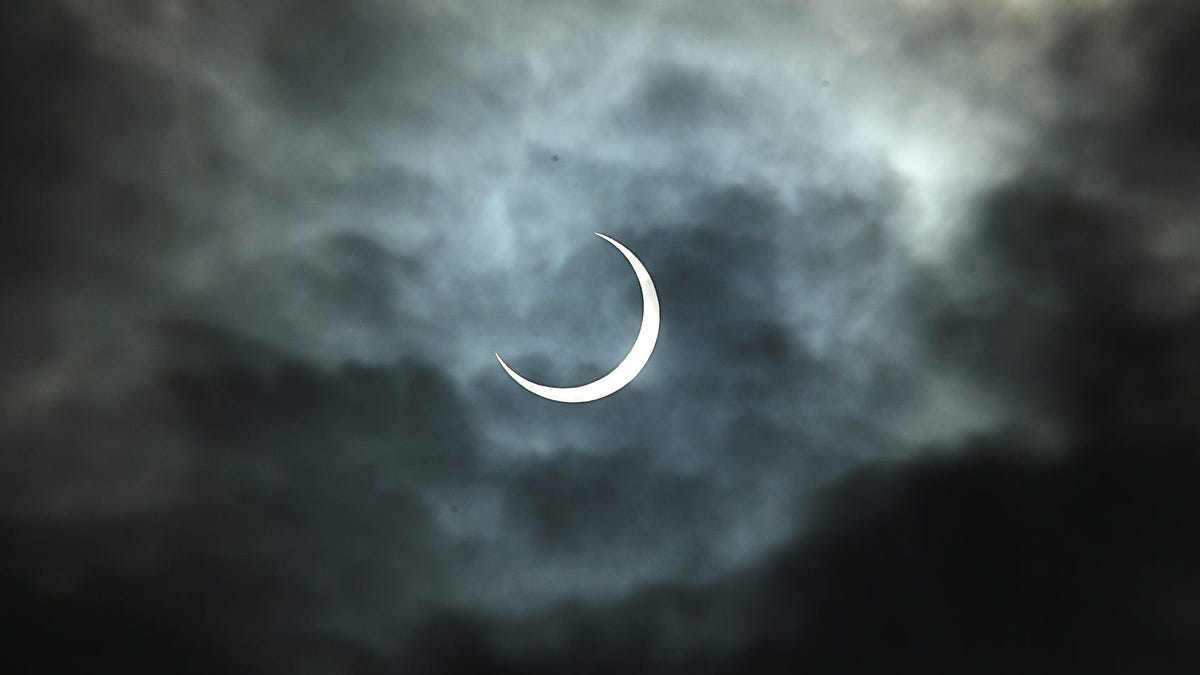
Clouds can impact the experience of a total eclipse, with some experts advising not to worry about overcast skies while others warn that clouds can ruin the event. The type of clouds present will determine the impact on visibility, with high, feathery cirrus clouds potentially allowing the eclipse to be seen, while thick, low stratus clouds could obstruct the view. Local forecast discussions from the National Weather Service can provide insight into predicted and current cloud types, helping eclipse chasers prepare for potential viewing conditions.
Economists are facing criticism for inaccurate forecasts on inflation, global supply chain disruptions, and a recession that did not materialize. Factors such as the Covid-19 pandemic, geopolitical tensions, and changing consumer behavior have made it difficult for economists to predict economic trends. Central banks have had to adjust interest rates in response to unexpected inflation, and there is a growing recognition that traditional economic models need to be expanded to incorporate new variables and methodologies.
Wall Street and the Federal Reserve have consistently underestimated the strength of the U.S. economy in 2023, with GDP growth outpacing their forecasts in each quarter. Despite initial expectations of no growth or even contraction, the economy performed much better than anticipated, leading to surprise and adjustment in forecasts throughout the year. The Federal Reserve also missed the mark with its growth projections, highlighting the challenges of forecasting an economy emerging from a pandemic and unprecedented fiscal stimulus.
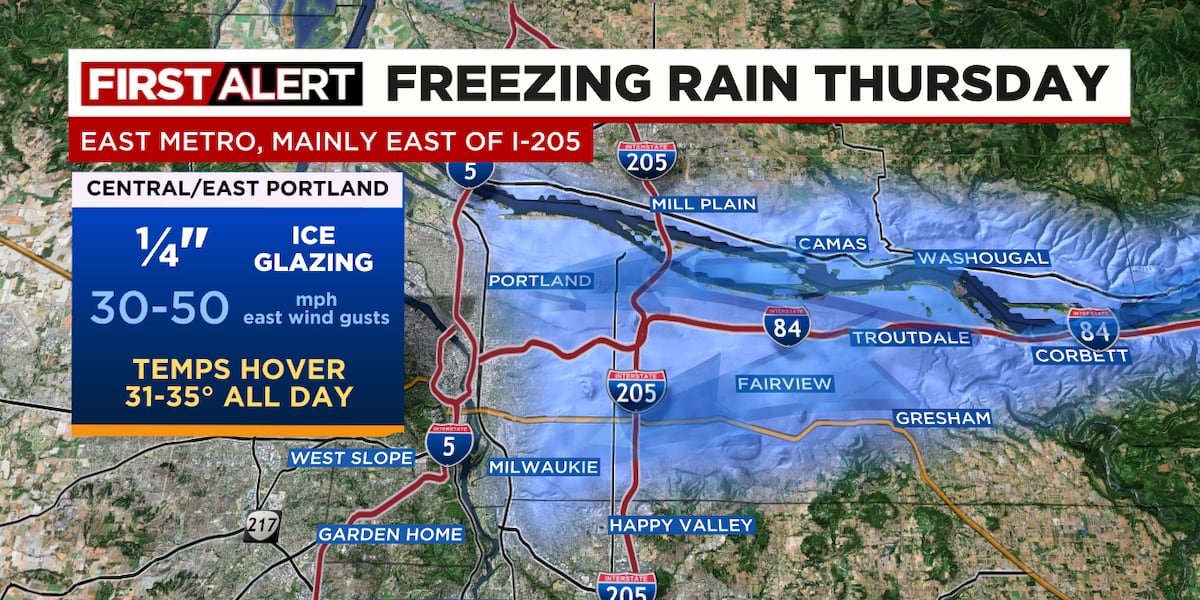
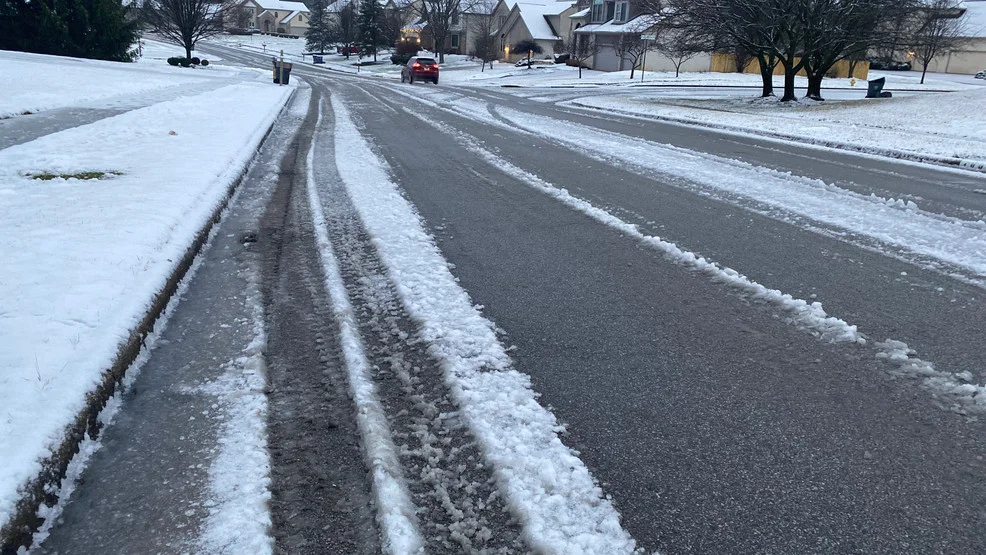
After a brief warm-up, the metro area will experience another blast of east wind on Thursday, bringing freezing rain to parts of the eastern/central metro area. The Columbia River Gorge will continue to be affected by easterly winds, leading to icy conditions and potential road closures. Dry weather is expected on Friday, with a possibility of freezing rain in the metro area on Saturday.
Ohio and much of the Midwest are preparing for potential winter weather and significant snowfall this weekend. Meteorologists are tracking a system over 2,000 miles away in the Pacific Ocean, which will affect the region's weather depending on its path. Accurate forecasting becomes more reliable as the system approaches, with the best predictions available one to two days before the weather event.
Chinese scientists successfully forecasted a 6.2 magnitude earthquake in Gansu using text alerts from multiple sensors with anomalous readings, although they couldn't pinpoint the exact location. By monitoring Earth's gravitational field, researchers in Shaanxi identified anomalies as earthquake indicators and calculated a high probability of the Gansu earthquake within three to five days. The China Earthquake Early Warning Network efficiently sent alerts within 30 seconds, with some areas receiving alerts in just 12 seconds, demonstrating the system's effectiveness.
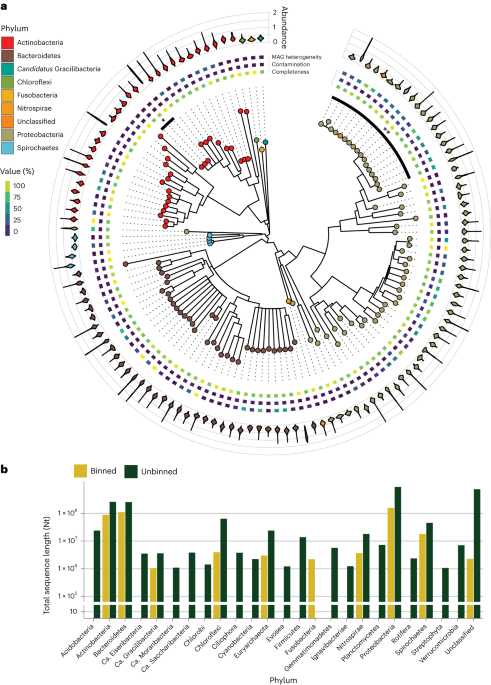
Researchers have developed a framework for forecasting the dynamics of complex microbial communities using integrated meta-omics data. The study focused on a microbial community in a biological wastewater treatment plant (BWWTP) and used a combination of techniques including singular value decomposition (SVD) and autoregressive integrated moving average (ARIMA) modeling. The researchers identified 17 temporal signals representing different ecological events in the community and established causal relationships between these signals. The framework successfully predicted gene abundance and expression in the microbial community, demonstrating its potential for understanding and managing microbial ecosystems.
As the hurricane season approaches its final month, the impact of the strengthening El Niño on the season's activity remains uncertain. While El Niño is typically associated with decreased hurricane activity in the Atlantic, this year has seen 20 storms and six hurricanes, contrary to expectations. Factors such as the Madden-Julian Oscillation and climate change may have a more significant influence on the season than El Niño. Climate experts suggest that traditional weather patterns are evolving due to climate change, making it challenging for forecasters to predict the level of activity in the remaining weeks of the season.
The remainder of the hurricane season is expected to be eventful and exceptional due to unusually warm ocean temperatures and a slow-to-emerge El Niño. The Atlantic hurricane season has already been above average with 18 named storms. Normally, the number of storms decreases by the end of October, but this year, high sea surface temperatures could expand the reach of storm formation into the late season. The clash between warm ocean temperatures and the effect of El Niño has posed a forecasting challenge, but the warmer ocean temperatures and weaker winds are currently winning. Any tropical system that forms would likely be strengthened by the exceptionally warm water. The Atlantic is in uncharted waters, making it difficult to make confident forecasts.
Economists are generally accurate in predicting recessions for the upcoming quarter, but their precision declines as the forecast extends further into the future, according to a study by economist Jeremy Majerovitz. While economists have been predicting a recession for months, their forecasts become less reliable the farther out they predict. A survey of economists at the Philadelphia Fed gives a 34.4% chance of a recession in the fourth quarter, which aligns with Majerovitz's findings. However, there is still significant uncertainty about future economic conditions, and accurate predictions become more challenging as the timeframe increases.