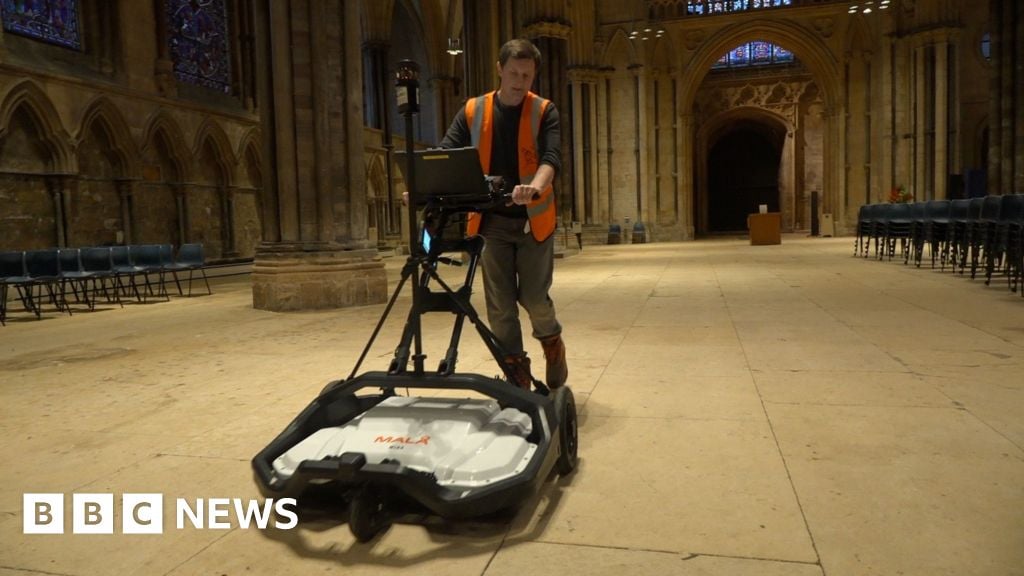
A pioneering project using ground-penetrating radar (GPR) is being conducted on Lincoln Cathedral to uncover its hidden history, including evidence of earlier structures and burials, potentially dating back to the Roman period, with results expected in spring.
Archaeologists using ground-penetrating radar near the Giza Pyramids discovered an L-shaped structure and a mysterious anomaly that may indicate an entrance to a hidden, deeper archaeological site, possibly a tomb, suggesting new potential discoveries beneath the ancient site.
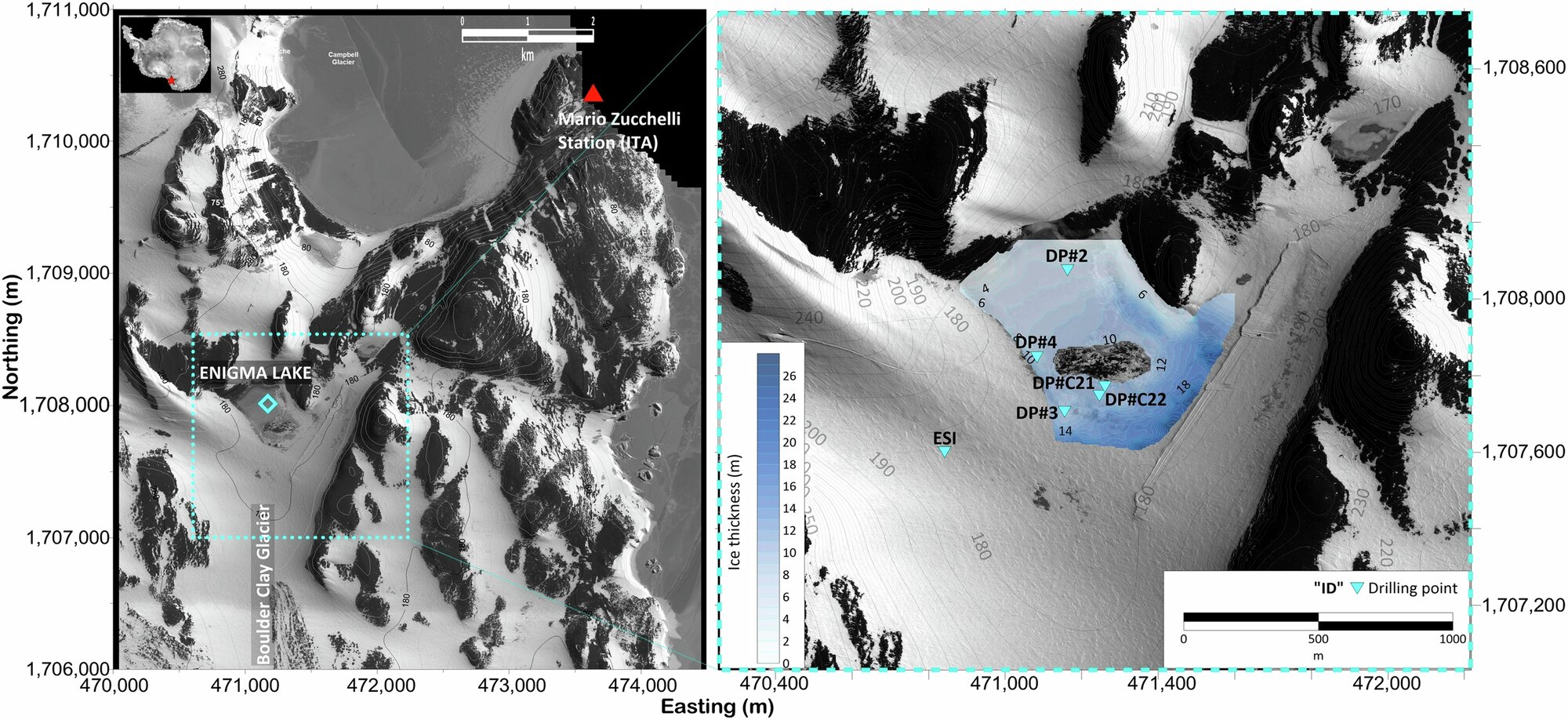
Researchers have discovered unique microbial communities beneath the frozen surface of Antarctica's Lake Enigma, challenging previous beliefs that the lake was entirely frozen. Using ground-penetrating radar and drilling techniques, the team found water 11 meters below the surface and identified various microbiota, including Pseudomonadota, Actinobacteriota, Bacteroidota, and a significant presence of Patescibacteria. The findings suggest the lake has an unknown water source and that its current microbial life descends from organisms that survived its freezing.
After 20 years, investigators in Florida used ground penetrating radar to find the remains of Autumn Lane McClure, who went missing at 16. The person of interest, Brian Donley, died in 2020, but new information led authorities to believe he killed Autumn in a trailer and buried her underneath it. Using ground penetrating radar, they found her remains, which were recovered and taken for confirmation. Donley's girlfriend, who gained immunity, revealed that he had killed Autumn and threatened her to keep silent. The case highlights the persistence of investigators in solving cold cases and bringing closure to families of missing persons.
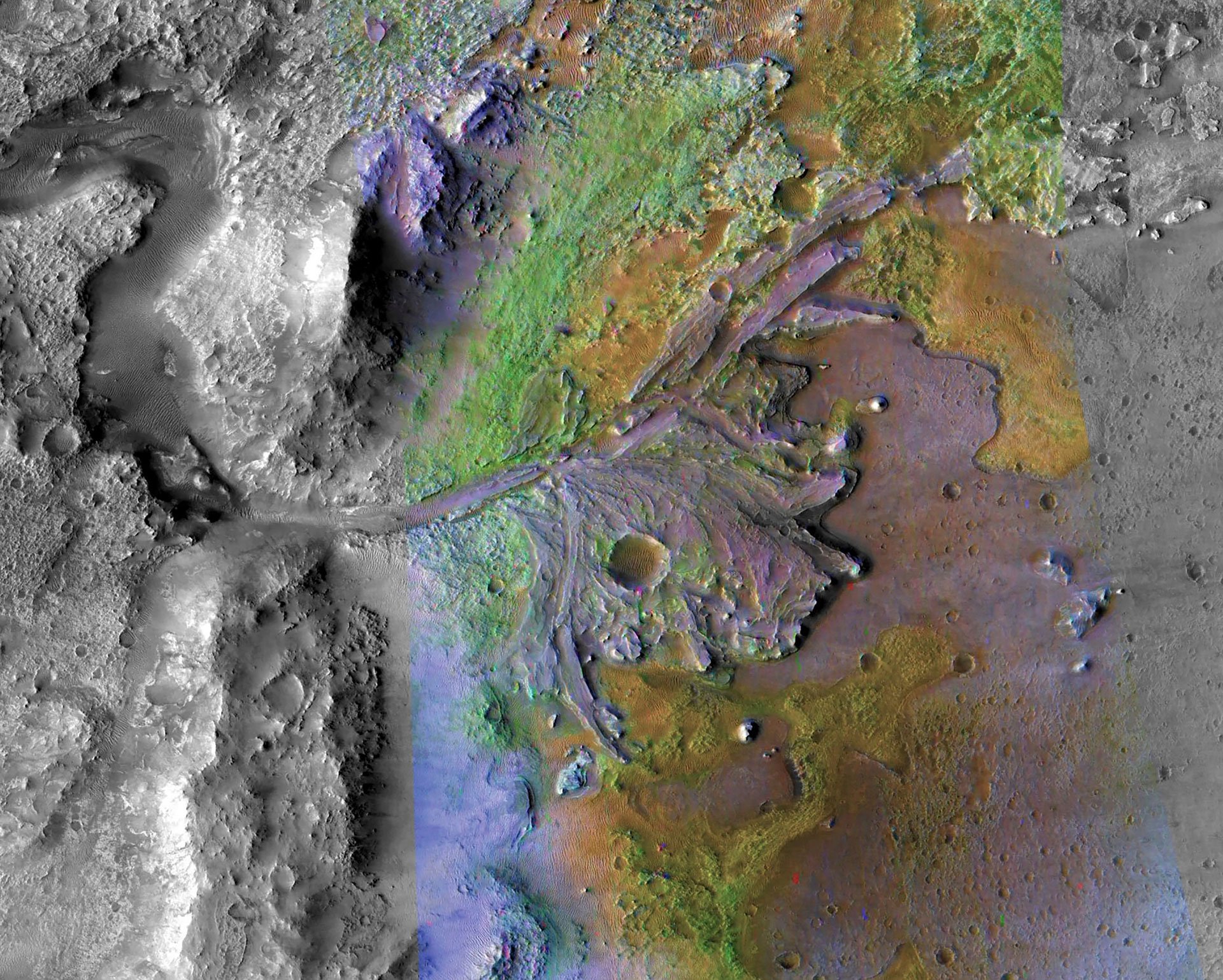
NASA's Perseverance rover, equipped with ground-penetrating radar, has confirmed that the Jezero crater on Mars once contained a vast lake and river delta, offering hope that soil samples may hold traces of past life. The radar revealed eons of environmental changes, showing periods of sediment deposition and erosion, and confirming the presence of lake sediments. The rover's exploration and collection of samples aim to provide further insight into Mars' geologic history and the potential for past life on the planet.
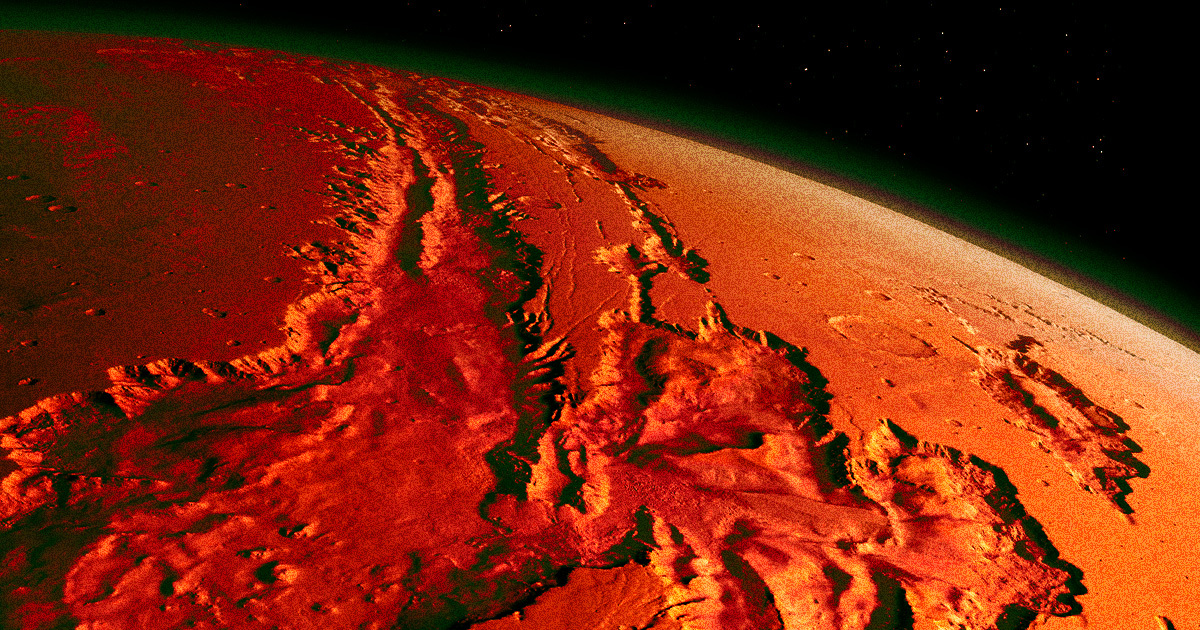
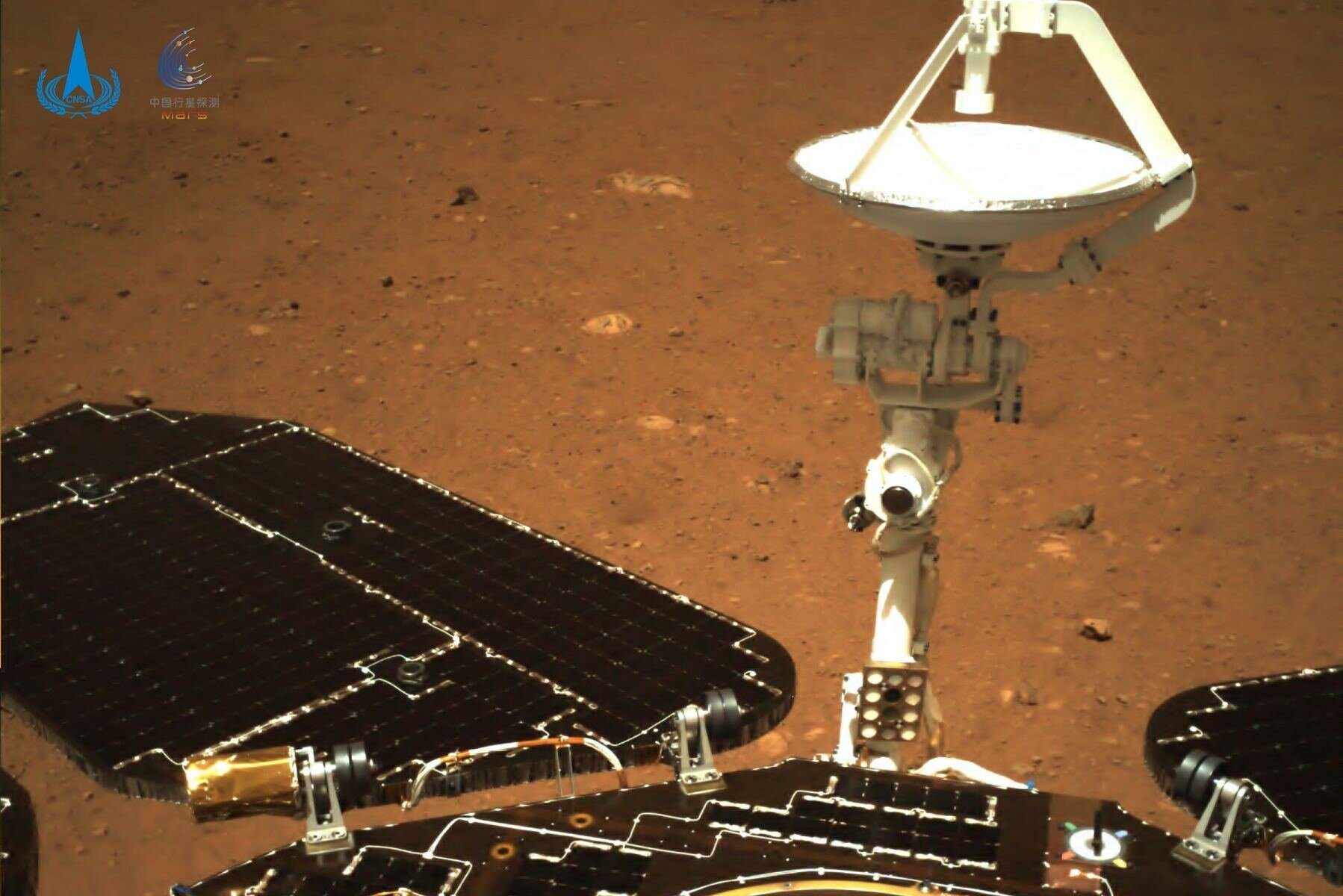
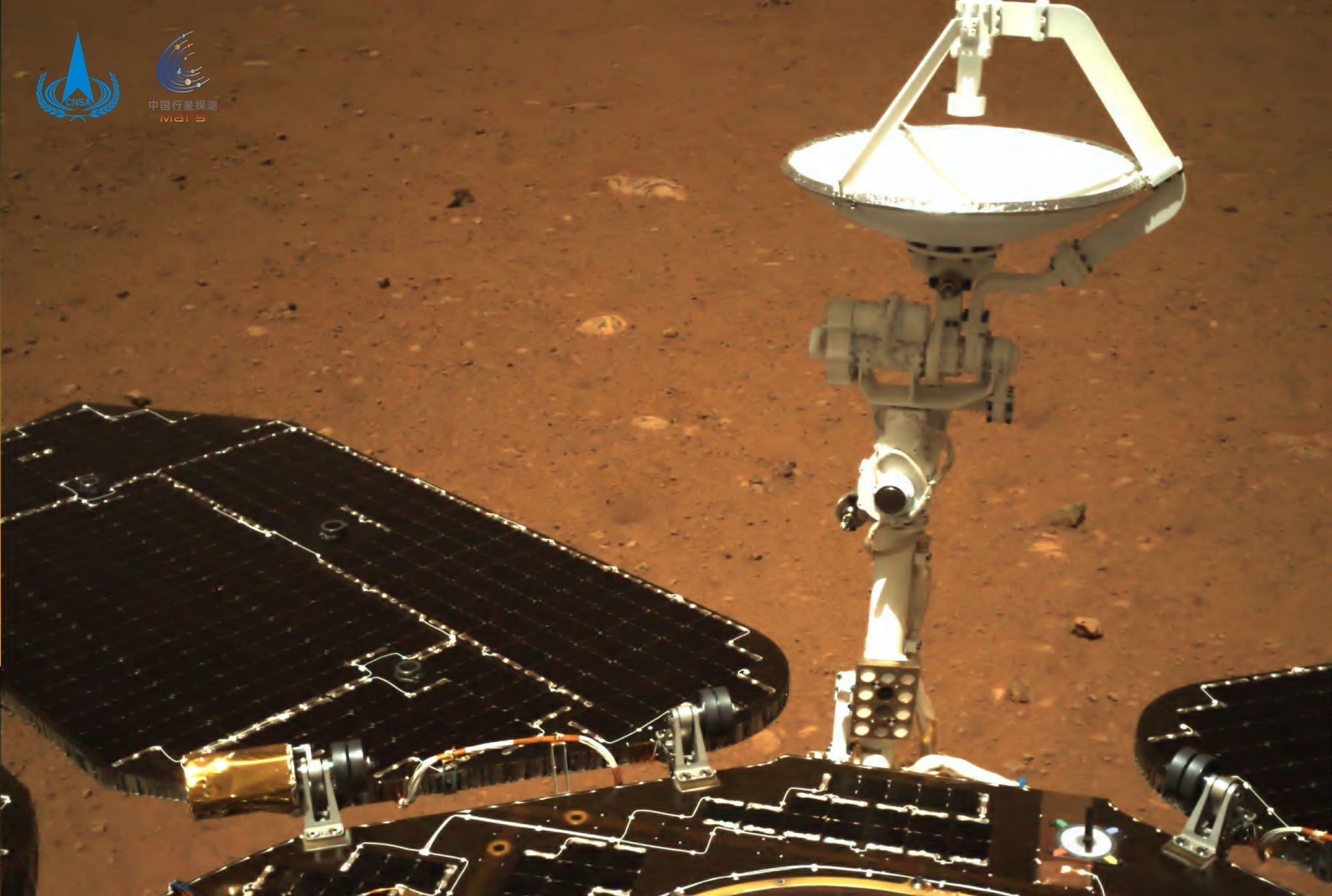
China's Zhurong rover, equipped with a ground-penetrating radar system, has detected irregular polygonal structures buried beneath Mars's surface at a depth of about 35 meters. These structures, measuring from centimeters to tens of meters across, are believed to have formed billions of years ago due to freeze-thaw cycles or volcanic activity. The findings provide important insights into Mars's geological history and suggest a notable transformation in the planet's climate. Zhurong, which landed on Mars in May 2021, successfully operated for over a year before entering hibernation. The rover's ground-penetrating radar complements orbital radar explorations and provides critical local details of shallow structures and composition.
China's Mars rover, Zhurong, has discovered underground polygon structures beneath the surface of Mars using ground-penetrating radar. The polygons, likely formed by ice, were found in Utopia Planitia and suggest a wide distribution of similar terrain. The findings indicate the presence of water on Mars during the Late Hesperian–Early Amazonian eras, between 3.7 and 2.9 billion years ago. These discoveries provide further evidence of Mars' past water abundance and the potential for past life on the planet.
China's Mars rover, Zhurong, has discovered underground polygon structures beneath the surface of Mars using ground-penetrating radar. The polygons, likely formed by ice, were found in Utopia Planitia and suggest a wide distribution of similar terrain. The findings indicate the presence of water on Mars during the Late Hesperian–Early Amazonian eras, between 3.7 and 2.9 billion years ago. These discoveries provide further evidence of Mars' past water abundance and the potential for past life on the planet.
China's Zhurong rover, equipped with a ground-penetrating radar system, has detected irregular polygonal wedges buried beneath the surface of Mars in Utopia Planitia. These features, measuring from centimeters to tens of meters across, are believed to have formed billions of years ago due to freeze-thaw cycles or volcanic activity. The radar scans provide important local details of shallow structures and composition, complementing orbital radar explorations. The discovery suggests a wide distribution of similar terrain and indicates a significant paleoclimatic transformation on Mars.
China's Zhurong rover, equipped with a ground-penetrating radar system, has detected irregular polygonal wedges buried beneath the surface of Mars at a depth of about 35 meters. These features, measuring from centimeters to tens of meters across, are believed to have formed billions of years ago due to freeze-thaw cycles or volcanic activity. The discovery suggests a wide distribution of similar terrain under Utopia Planitia and indicates a significant climatic transformation on Mars. The rover, which successfully operated for over a year, has been in hibernation since May 2022.