A global metagenomics study across more than 11,000 people finds the uncultured gut bacterium CAG-170 consistently higher in healthy individuals and capable of producing Vitamin B12, suggesting it helps sustain the gut ecosystem and could become a biomarker for gut health or a target for new probiotic therapies.
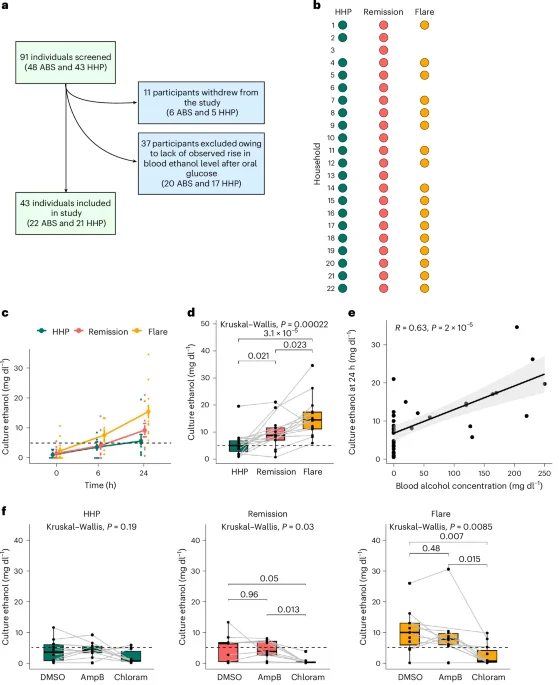
This study investigates how gut microbial ethanol metabolism contributes to auto-brewery syndrome, highlighting specific bacterial pathways and species involved, and providing data and tools for further research.
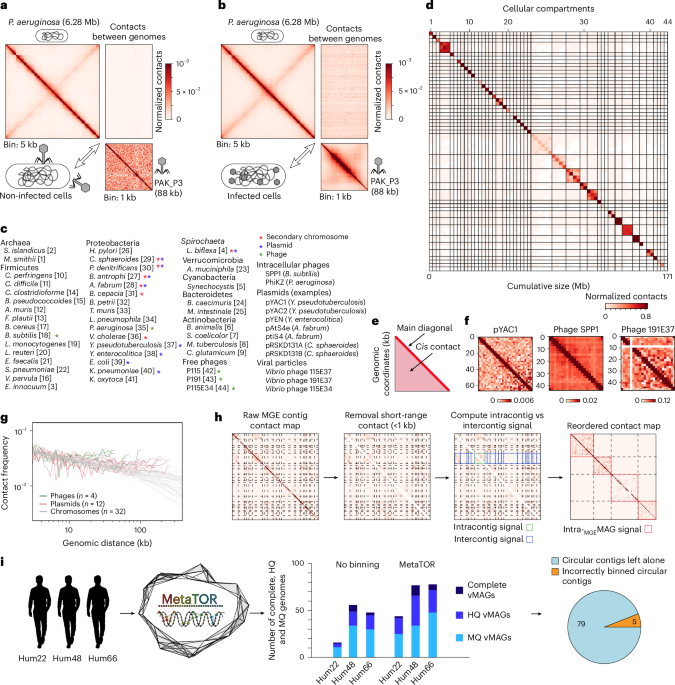
The study finds that phages with broad host ranges are common across various ecosystems, supported by extensive metagenomic data and advanced genomic analysis pipelines, highlighting their ecological significance and diversity.
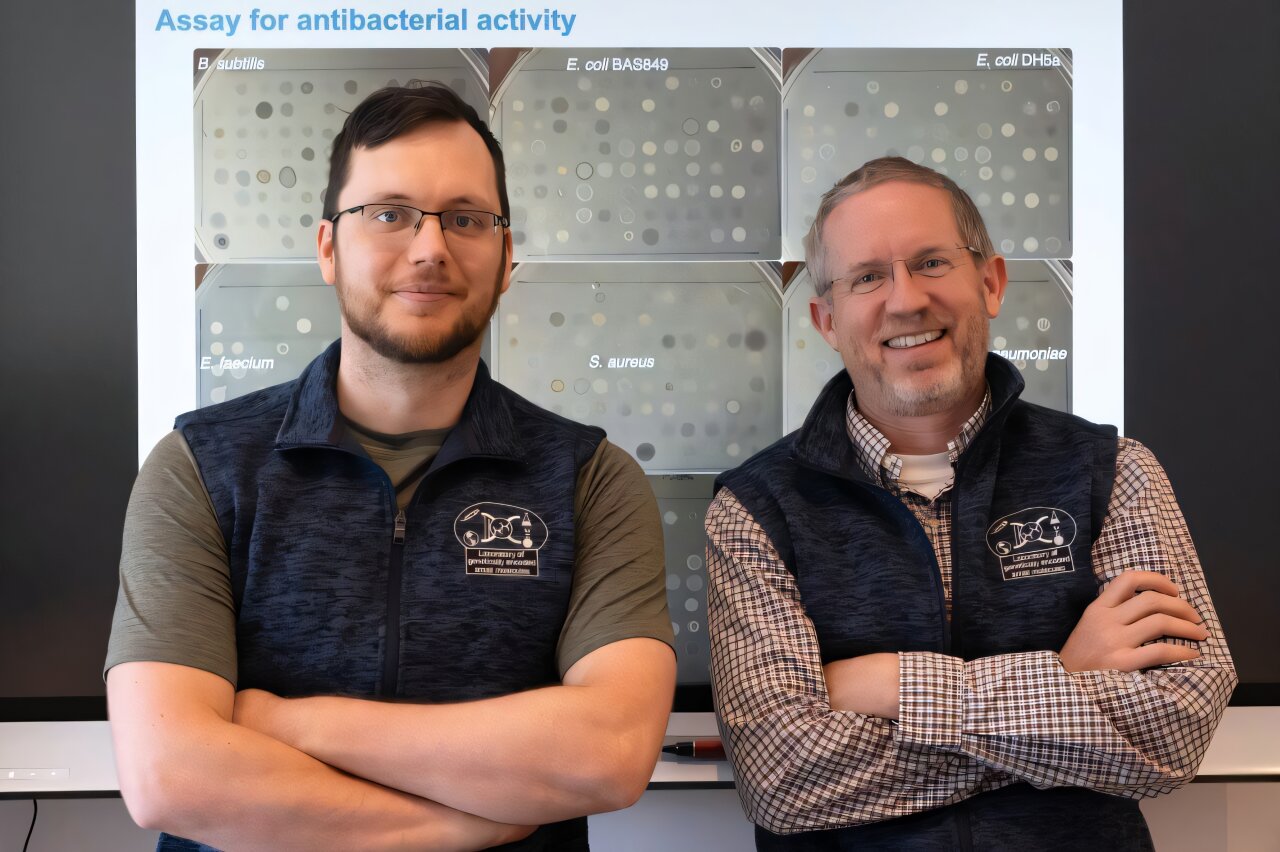
A team at Rockefeller has developed a new method to extract and analyze large DNA sequences from soil microbes, leading to the discovery of hundreds of new genomes and promising antibiotic candidates, potentially revolutionizing microbiology and drug discovery.
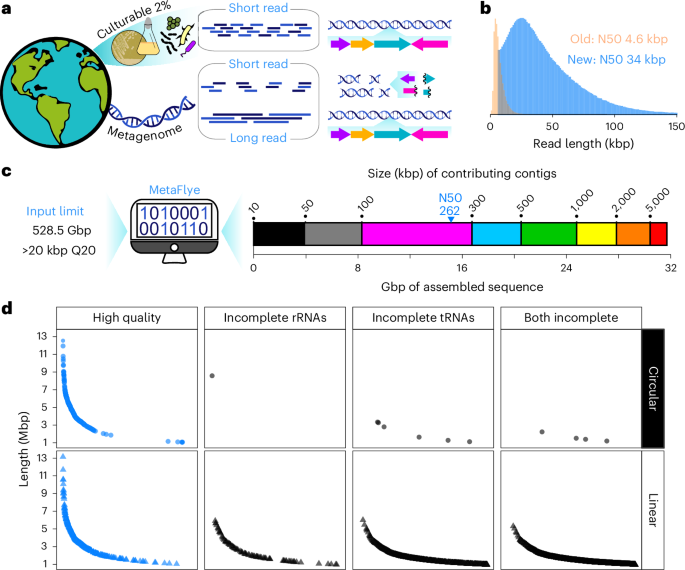
A soil metagenome was sequenced using terabase-scale long-read nanopore technology, leading to the assembly of hundreds of complete bacterial genomes and the discovery of novel biosynthetic gene clusters, including new antibiotics, demonstrating the power of long-read sequencing for exploring microbial dark matter and natural product potential.
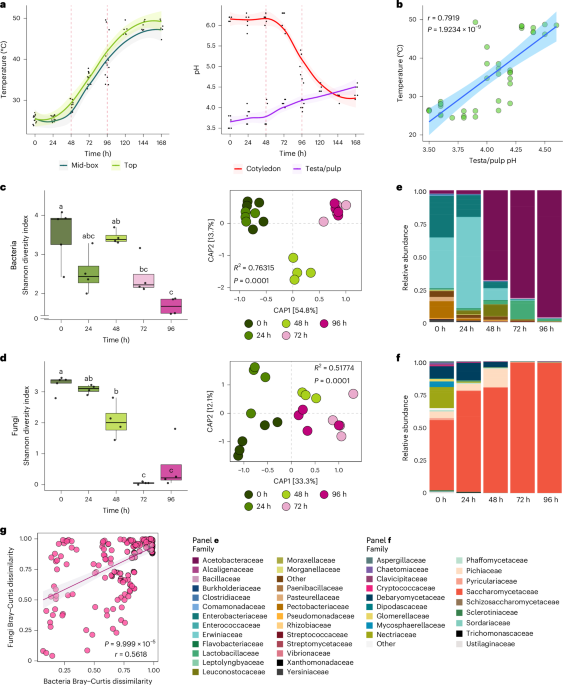
A study on cocoa fermentation reveals how specific microbial communities and abiotic factors like temperature and pH influence chocolate flavor development, demonstrating that defined microbial consortia can reproduce key fermentation traits and modulate flavor profiles, paving the way for controlled, high-quality chocolate production.
A comprehensive study using machine learning on nearly 4,500 samples links Parkinson's disease to alterations in the gut microbiome, notably an enrichment of bacteria involved in transforming environmental chemicals like pesticides and pollutants, suggesting potential pathways for early diagnosis and targeted therapies.
Researchers have analyzed 149,842 environmental genomes and compiled a catalog of 404,085 novel gene families exclusive to uncultivated prokaryotic taxa. These functionally and evolutionarily significant genes span multiple species and exhibit strong signals of purifying selection. The catalog includes novel families that can distinguish entire uncultivated phyla, classes, and orders, potentially representing synapomorphies that facilitated their evolutionary divergence. The researchers predicted functional associations for a significant portion of these gene families and experimentally validated a new gene family involved in cell motility and a novel set of antimicrobial peptides. The relative abundance profiles of these novel gene families can also discriminate between environments and clinical conditions, leading to the discovery of potential new biomarkers associated with colorectal cancer. This study expands our knowledge of the genetic repertory of uncultivated organisms and enhances future metagenomics studies.
The concept of holobionts, which refers to the idea that plants and animals are parts of a united meta-organism whose components evolve in concert with each other, represents a paradigm shift in biology. Biologists are using metagenomics to analyze the genomes of everything in a sample, and they are finding that almost every multicellular organism and even some single-celled ones have symbionts. The idea of holobionts is catching on, and it is acting as a reminder to biologists never to neglect a possible role for the microbiome in any phenomenon they are trying to understand.
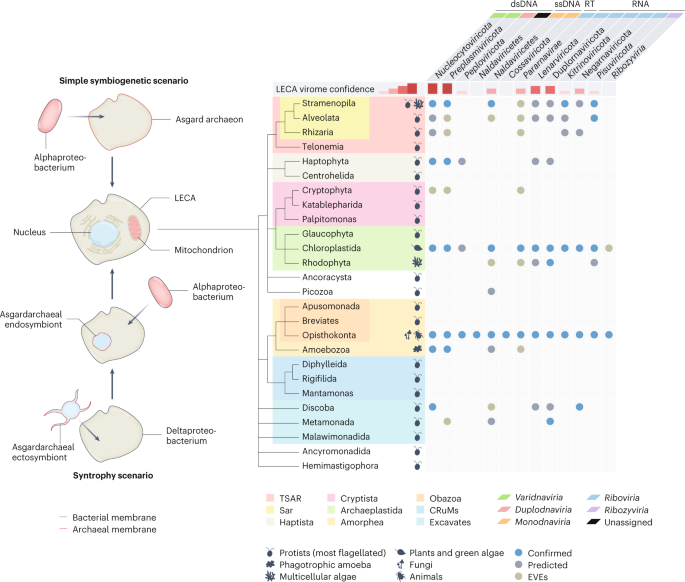
A new study explores the virome of the last eukaryotic common ancestor (LECA) and its implications for the origin of eukaryotes. The study suggests that the LECA virome was diverse and complex, with viruses potentially playing a role in the evolution of eukaryotes. The study also highlights the importance of metagenomics in uncovering the diversity and evolution of viruses, including those that infect eukaryotes.