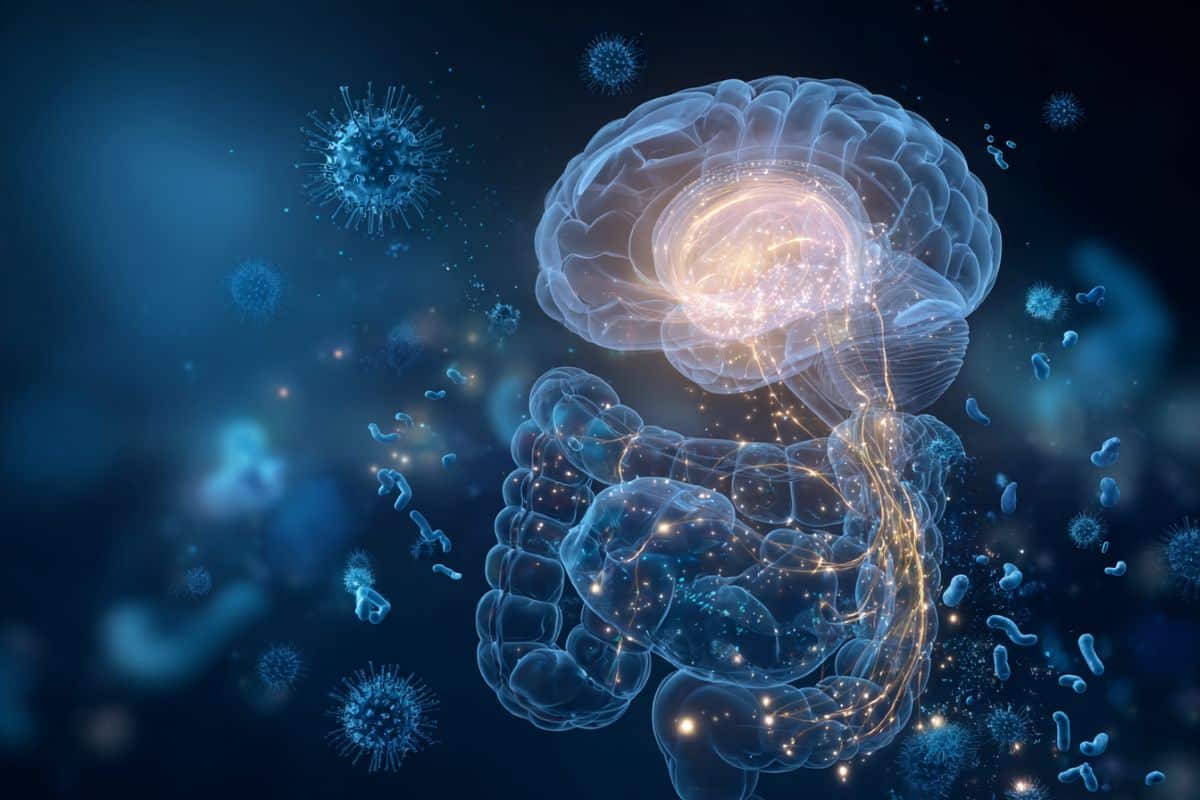
A Harvard-supported study identified gut-derived metabolites that influence liver function and insulin sensitivity, offering potential new strategies for treating obesity and type 2 diabetes by understanding how gut microbiome interactions affect metabolic health.

A large study of nearly 800 dogs has identified blood molecules linked to aging, particularly metabolites associated with kidney function and gut microbes, which could provide insights into aging processes in both dogs and humans and help develop strategies for healthier aging.
A study using Merino sheep found that tiny genetic mutations in gut microbes can influence brain-related behavior by affecting metabolites linked to neuroactivity and stress, revealing a new layer of the microbiome-brain connection and potential for targeted therapies.
A recent study links certain foods, like fermented and overripe foods containing tyramine and animal products with sphingomyelins, to increased daytime sleepiness, while foods rich in omega-3 and omega-6 fatty acids may help reduce it. Experts recommend maintaining stable blood sugar with balanced meals, staying hydrated, and considering overall eating patterns to combat fatigue, and advise consulting a healthcare provider if sleepiness persists.
A study by Harvard researchers found that adhering to a Mediterranean diet can reduce the risk of Alzheimer's disease, especially in individuals with a high genetic risk due to the APOE4 gene, by influencing key metabolic pathways related to dementia.
A study links certain blood metabolites, including omega-3 and omega-6 fatty acids, to reduced risk of excessive daytime sleepiness (EDS), suggesting diet and hormones influence sleep health and potential new treatments.,
A study by Mass General Brigham researchers identified seven blood molecules linked to excessive daytime sleepiness, highlighting the roles of diet and hormones, with potential for new treatments through dietary changes or medications.
Scientists have identified key molecules linked to metabolism that may influence excessive daytime sleepiness (EDS), with dietary factors such as omega-3 fatty acids reducing risk and foods high in tyramine increasing it. These findings suggest lifestyle and dietary modifications could help manage EDS, which affects about one in five people, and highlight the role of genetics and metabolism in sleep health.
Scientists have identified key molecules linked to metabolism that may cause excessive daytime sleepiness (EDS), and suggest that dietary modifications, such as increasing omega-3 and omega-6 fatty acids and reducing tyramine-rich foods, could help manage the condition, which affects about one in five people.
Scientists at the University of Tokyo used a specialized AI, Bayesian neural network, to analyze gut microbiome data, uncovering hidden links between microbes and human metabolites, which could lead to personalized treatments for various health conditions.
Researchers discovered three anti-aging compounds produced by the blood bacterium Paracoccus sanguinis that reduce inflammation and oxidative stress in skin cells, with two being newly identified, offering promising avenues for skin aging treatments.
Researchers at the University of Pittsburgh have identified blood-based markers that can determine biological age, potentially aiding in predicting disease risk and tailoring treatments. The study found 25 metabolites that differed significantly between healthy agers and rapid agers, leading to the creation of the Healthy Aging Metabolic (HAM) Index. This index proved 68 percent accurate at determining biological age and could pave the way for a blood test to assess biological age early on, allowing for lifestyle modifications to potentially reverse biological aging.
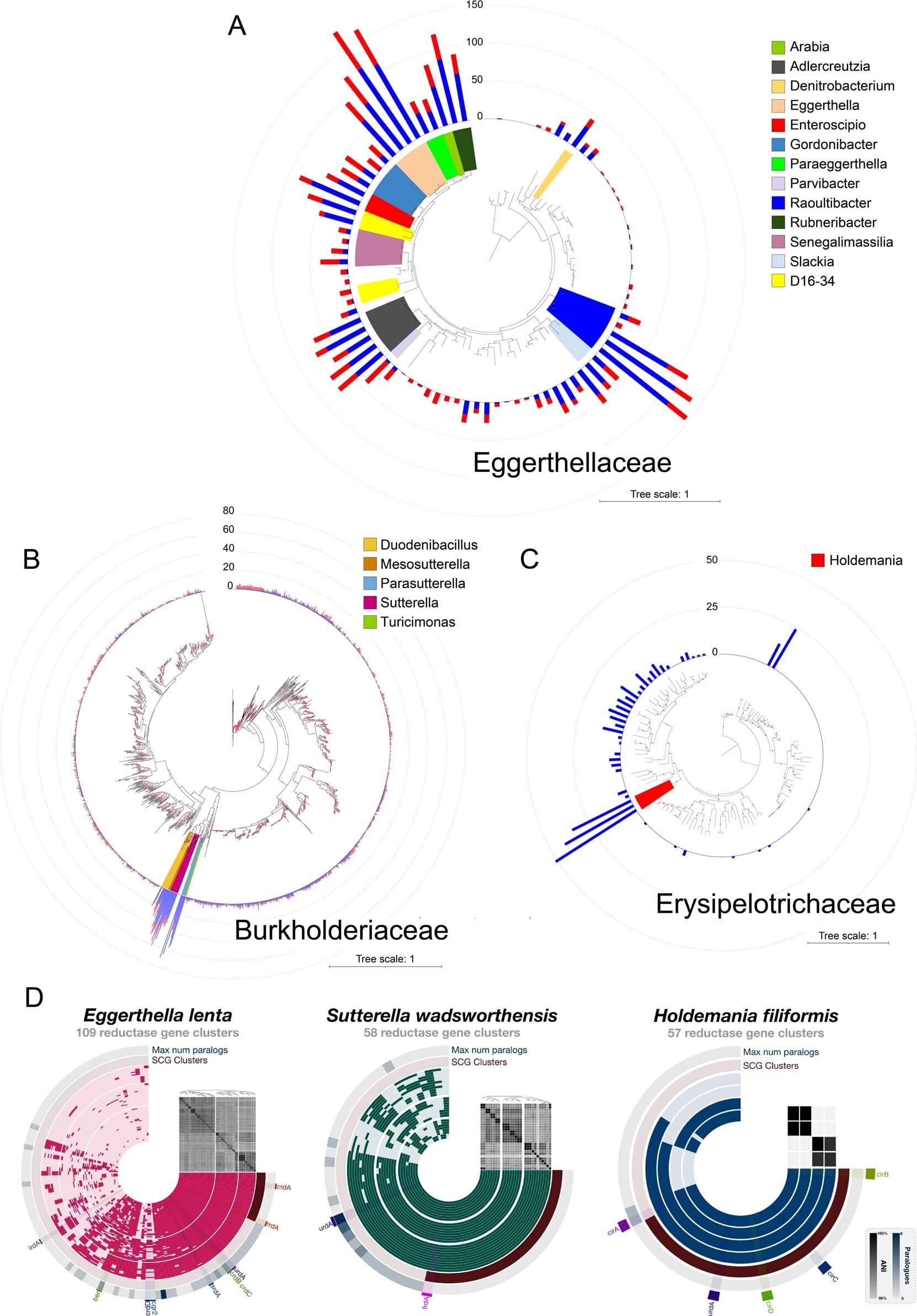
Researchers at the University of Chicago have discovered that certain gut bacteria possess a vast array of genes enabling them to use a variety of metabolites for anaerobic respiration, a process that generates energy in the absence of oxygen. These findings, published in Nature Microbiology, reveal that these bacteria can thrive in the gut's complex environment by utilizing 22 different metabolites, which may also influence human health. This research enhances our understanding of the gut microbiome's role in health and disease, potentially leading to new dietary or pharmacological interventions to manage conditions like type 2 diabetes or infections by modulating metabolite pathways.
Scientists at the Boyce Thompson Institute and Cornell University have discovered a new family of metabolites, acylspermidines, which are linked to sirtuins, enzymes involved in aging and disease. This connection could lead to new therapeutic strategies for extending health span and longevity. The findings, which show the presence of these metabolites in both the model organism C. elegans and mammals, suggest a conserved role in lifespan regulation and cell proliferation, offering a deeper understanding of the biochemical pathways involved in aging.
A new analysis led by Boston University School of Public Health and Friedman School of Nutrition Science and Policy at Tufts University sheds light on the complex relationship between alcohol consumption and cardiovascular disease (CVD) risk. The study found that alcohol consumption may have counteractive effects on CVD risk, depending on the presence of certain circulating metabolites. The researchers identified seven metabolites that link long-term moderate alcohol consumption with an increased risk of CVD, and three metabolites that link this same drinking pattern with a lower risk of CVD. The findings highlight the need for further research on these metabolites to inform targeted prevention and treatment of alcohol-related CVD.