A comprehensive meta-analysis of 511 studies from 2023-24 confirms that COVID-19, RSV, and flu vaccines provide significant protection against severe disease and hospitalization, reaffirming their safety and effectiveness amid ongoing vaccine guidance efforts.
AHIP announced it will continue to cover updated COVID-19 and flu vaccines with no patient cost-sharing through 2026, ahead of CDC discussions on vaccine recommendations. Meanwhile, US measles cases are rising, with a notable case in Chicago, and Moderna reports strong immune responses to its updated COVID vaccine targeting the LP.8.1 variant. Additionally, a French study highlights the significant burden of RSV in older adults, and WHO has downgraded its COVID risk level to moderate, citing declining hospitalizations and deaths.
The U.S. Department of Health and Human Services, influenced by Robert F. Kennedy Jr.'s vaccine advisers, has decided to remove the preservative thimerosal from all flu vaccines, citing safety concerns despite lack of evidence linking it to autism. This move aligns with Kennedy's long-standing stance against mercury in vaccines and aims to protect vulnerable populations from unnecessary exposure. Most Americans already receive thimerosal-free flu vaccines, and manufacturers have confirmed they can supply these alternatives without disruption.
The CDC advisory committee recommends that flu vaccines for all age groups be made without thimerosal, a mercury-containing preservative, due to safety concerns and public perception, despite extensive evidence of its safety and its removal from most vaccines since 2001. The move may impact vaccine manufacturing and public confidence, but most people likely won't notice the change.
FDA experts have recommended changes to flu vaccines, suggesting that quadrivalent flu vaccines be converted into trivalent vaccines for the 2024–2025 season to only reflect currently circulating viral strains, potentially increasing vaccine supplies. The removal of the B/Yamagata lineage component from the vaccines could boost annual production capacity from ~500M doses of quadrivalent shots to 700M trivalent vaccines, with flu vaccine makers like GSK, Sanofi, CSL Limited, and AstraZeneca involved. Additionally, drugmakers such as Pfizer/BioNTech, Moderna, and Novavax are studying combined flu and COVID vaccines.
Pharmaceutical companies that developed mRNA vaccines for COVID-19 are now exploring the flu vaccine market, which relies on an outdated production process. The advantages of mRNA flu shots include the potential for more accurate strain selection, quicker production timelines, and improved effectiveness. Additionally, mRNA vaccines could address supply issues during flu pandemics. However, challenges include public acceptance of mRNA technology, potential side effects, high costs, and a crowded market. The jury is still out on the effectiveness of combination vaccines for flu, COVID-19, and RSV. Experts believe that the mRNA platform has the potential to revolutionize flu vaccines, but further research and regulatory approval are needed to develop vaccines with longer-lasting and broader protection.
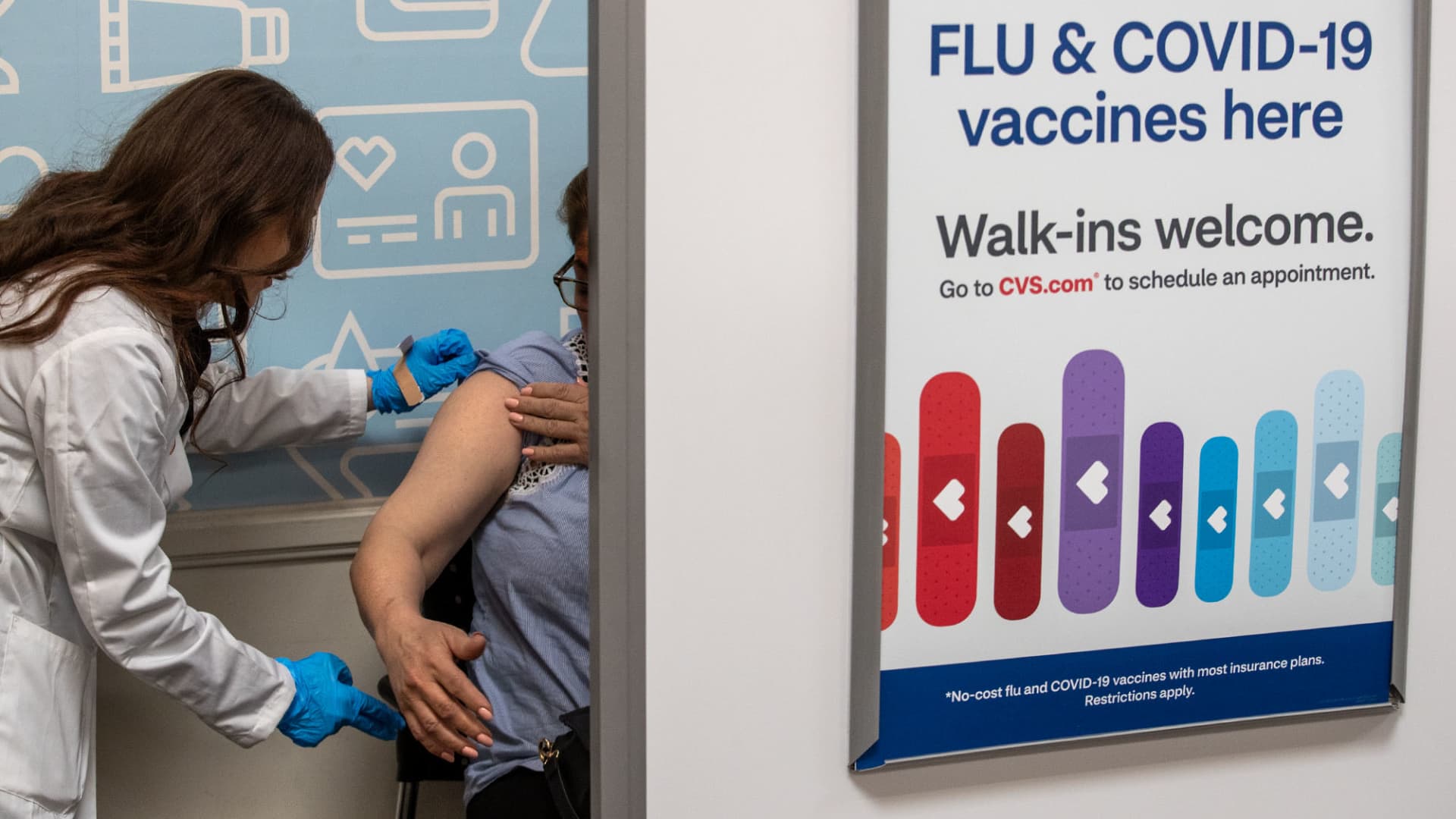
The US Centers for Disease Control and Prevention (CDC) says it is safe to get both the Covid-19 and flu vaccines at the same time, although a recent study found a slightly increased risk of stroke for seniors who received both shots simultaneously. However, other studies have not found the same risk, and the CDC and US Food and Drug Administration (FDA) have not changed their vaccine recommendations. Getting both shots together may increase the likelihood of temporary reactions such as fatigue, headache, and muscle pain. Some studies suggest that co-administration of the vaccines may lead to higher antibody responses, but more research is needed to confirm these findings. Ultimately, the decision to get both shots together or separately depends on personal preference, but health experts recommend getting vaccinated as soon as possible.
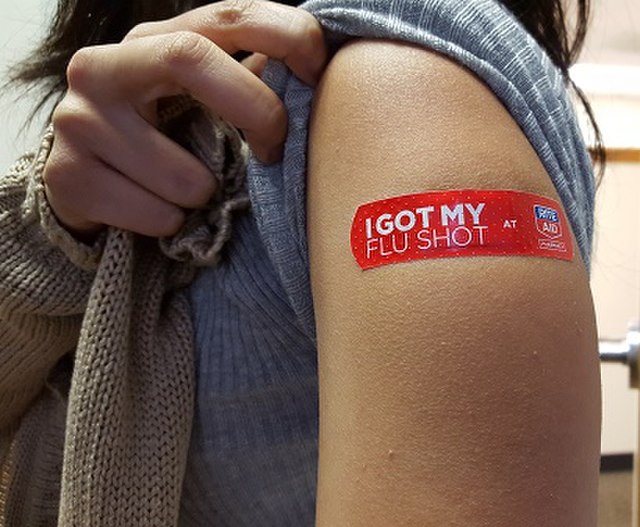
As the respiratory virus season begins, the CDC recommends that everyone 6 months and older get vaccinated against both influenza and COVID-19. For COVID-19, there are updated vaccines available from Pfizer-BioNTech, Moderna, and Novavax, with different dosing recommendations based on age and previous vaccination status. The CDC recommends the standard quadrivalent flu vaccine for most individuals, with special recommendations for those aged 65 and older. There are ongoing clinical trials for new flu and COVID-19 vaccines, including a potential combination vaccine. Health officials stress the importance of getting vaccinated and note that it's never too late to receive the flu shot.
A new study by the US Food and Drug Administration (FDA) suggests that Covid-19 and flu vaccines may slightly increase the risk of strokes caused by blood clots in the brains of older adults, particularly when administered together and to those aged 85 and older. The risk is very small, with roughly 3 strokes or transient ischemic attacks for every 100,000 doses given, and may be primarily driven by high-dose or adjuvanted flu vaccines. Other recent studies have not found any additional risk of stroke after vaccination for Covid-19 or influenza. Experts emphasize that the benefits of vaccination still greatly outweigh the risks, and getting vaccinated is crucial in light of the higher risk of stroke or other serious outcomes from flu or Covid-19 infections.
A new study by the US Food and Drug Administration (FDA) has found that Covid-19 and flu vaccines may slightly increase the risk of strokes caused by blood clots in the brains of older adults, particularly when administered together and to those aged 85 and older. The risk is very small, with roughly 3 strokes or transient ischemic attacks for every 100,000 doses given, and appears to be primarily driven by high-dose or adjuvanted flu vaccines. Other recent studies have not found any additional risk of stroke after vaccination for Covid-19 or influenza. Experts emphasize that the benefits of vaccination still greatly outweigh the risks, and getting vaccinated is crucial in preventing serious outcomes from flu or Covid-19 infections.
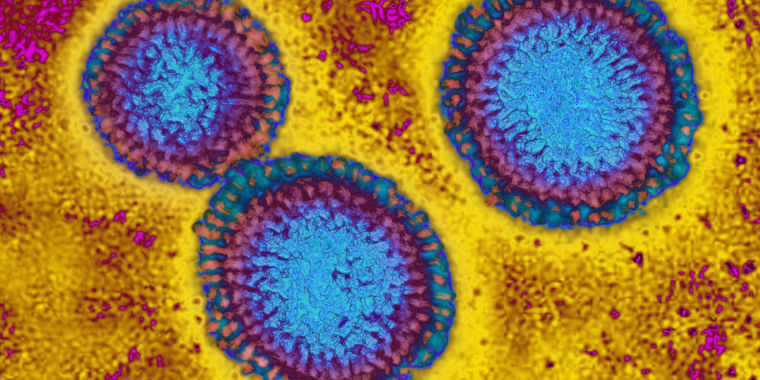
The World Health Organization (WHO) has recommended excluding a family of flu viruses, known as influenza B/Yamagata, from future flu vaccines as it hasn't been seen since the early days of the Covid-19 pandemic. Experts advising the WHO stated that since no B/Yamagata infections have been identified in years, there is no benefit to including it in vaccines. The decision was made to balance the absence of circulation of the Yamagata lineage virus with the theoretical risk of reintroduction into the population. Flu vaccines are regularly updated due to the continuous evolution of viruses, and final decisions about vaccine components are made by individual countries.
The World Health Organization (WHO) has recommended removing a component from seasonal flu vaccines that protects against the B/Yamagata lineage of influenza viruses, as this strain has not been detected since March 2020. The COVID-19 pandemic disrupted the spread and cycles of other infectious diseases, including the flu, resulting in a virtually nonexistent 2020-2021 flu season and a collapse in the genetic diversity of circulating flu strains. WHO advisors have now recommended excluding the B/Yamagata component from future flu vaccines, as the virus appears to be extinct and its inclusion could pose a theoretical risk of reintroduction.
The process of selecting viruses for the yearly flu vaccines is complex and inexact. However, mid-season data from the Southern Hemisphere suggest that the current season's flu vaccines for 2023-2024 provide good protection against the most serious outcomes. The vaccines reduced the risk of influenza-associated hospitalizations by 52% and the circulating influenza viruses were genetically similar to those targeted by the Northern Hemisphere's vaccine formulation. Despite this positive news, less than a quarter of hospitalized patients had been vaccinated, highlighting the need for health authorities to encourage influenza vaccination, especially for high-risk individuals.
Vaccines for Covid-19, flu, and respiratory syncytial virus (RSV) are now available in the US, and public health officials are encouraging eligible individuals to receive all three shots to prevent a potential "tripledemic." Taking the Covid-19 and flu vaccines together is safe and effective, according to experts. However, there is limited research on administering the RSV vaccine with other vaccines. Individuals can choose to take the RSV shot separately if they prefer. Taking all three shots simultaneously offers convenience and may help prevent missed doses. Those who opt to space out the vaccines should prioritize the Covid-19 shot, followed by the RSV vaccine and then the flu jab, with a one-week interval between each.
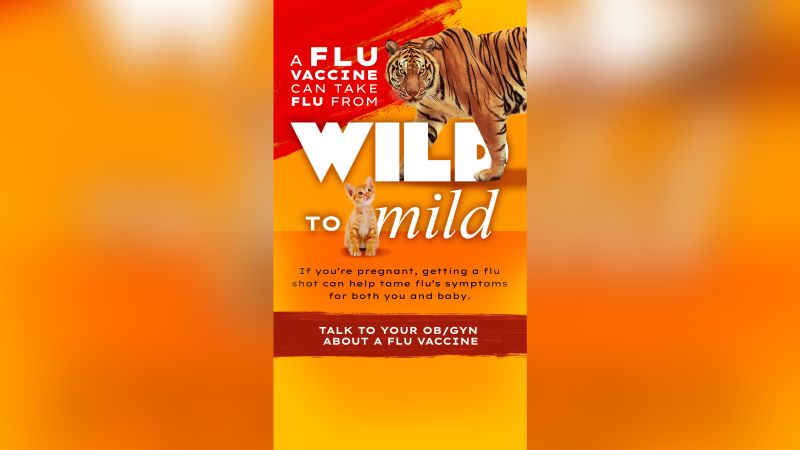
The US Centers for Disease Control and Prevention (CDC) is launching a new ad campaign called "Wild to Mild" to address skepticism about flu vaccines. The campaign aims to reset expectations by clarifying that while the flu vaccine may not prevent illness, it can significantly reduce the severity of the infection. The ads will target pregnant women and parents of young children, as vaccination rates have dropped in these high-risk groups. The CDC hopes to increase confidence in flu vaccines and combat misinformation surrounding their effectiveness.