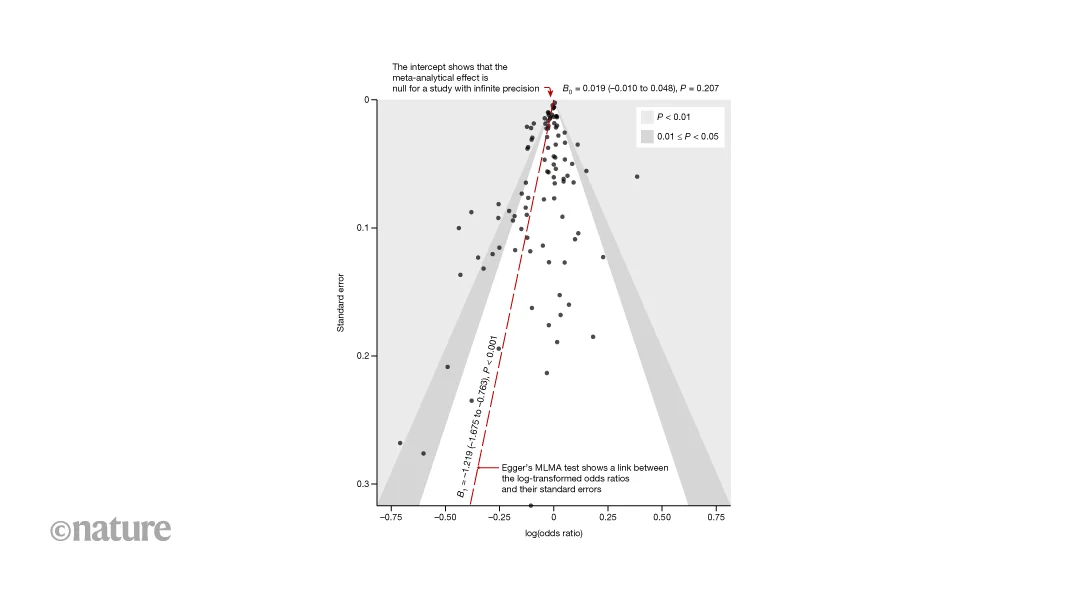
A comprehensive meta-analysis of 168 studies involving over 11 million people found no reliable link between economic inequality and well-being or mental health, suggesting that large income gaps do not necessarily impact these outcomes and informing policy considerations.
In 2025 and into 2026, the US economy exhibits a K-shaped recovery, with wealthier households benefiting from stock market gains and lower unemployment, while lower and middle-income households face rising living costs, mounting debt, and financial hardship, leading to a divided economic landscape.
In 2025 and into 2026, the US economy exhibits a K-shaped recovery where wealthier households thrive while middle- and lower-income families face increasing financial hardships due to persistent inflation, rising household debt, and uneven economic gains, leading to financial strain for many Americans despite positive macroeconomic indicators.
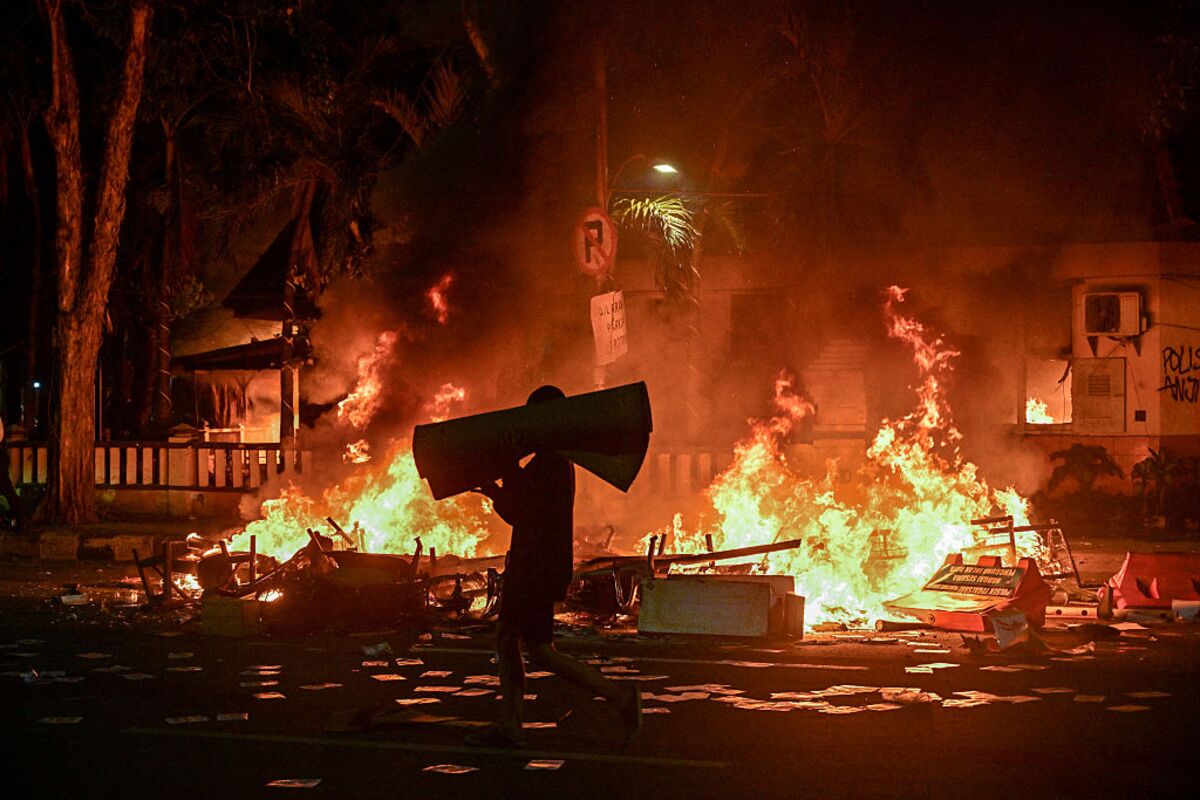
The death of delivery driver Affan Kurniawan during protests in Indonesia has sparked nationwide unrest, exposing deep-seated frustrations over economic inequality, government corruption, and elite privilege, leading to violence, looting, and a challenge to President Prabowo Subianto's leadership.
The article discusses a concerning rise in mortality rates among young Americans aged 25-44, which has persisted even after the COVID-19 pandemic, with experts linking this trend to long-term effects of policy decisions since the Reagan era that have undermined social safety nets, healthcare, and economic stability, disproportionately affecting millennials and contributing to a decline in life expectancy.
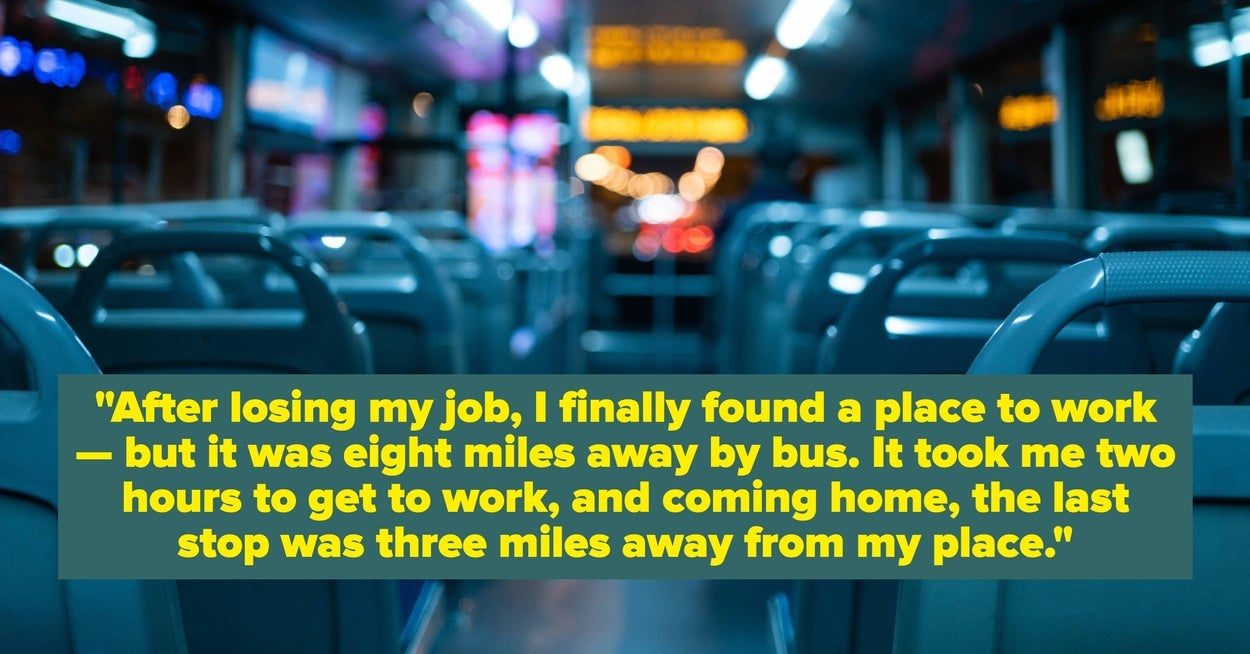
The article highlights how poverty incurs hidden costs that make it more expensive to live in a system where everything is costlier for the poor, revealing 25 ways in which being poor is more costly than commonly recognized.
Harrison Ford believes the US is experiencing a healthy swing to the right politically, but he criticizes deep polarization and disaggregation that hinder compromise, emphasizing the importance of the middle ground and economic issues as unifying factors.
Brazil's President Luiz Inacio Lula da Silva criticized neoliberalism for exacerbating economic and political inequality ahead of the G20 summit in Rio de Janeiro. Lula, who will host leaders including Joe Biden and Xi Jinping, emphasized the need for governments to align more closely with public concerns over market interests. He advocated for global initiatives against hunger, taxing the super-rich, and UN reforms. Lula's stance may face opposition from some leaders, but he urged civil society to pressure governments for change.
Kamala Harris lost the 2024 election due to a failure to connect with progressive and working-class voters, inadequate economic proposals, and a lack of focus on key issues like climate change and foreign policy. Her campaign was criticized for not addressing economic inequality, inflation, and ongoing wars, which alienated various voter groups, including Black, Latino, and young voters. Harris's inability to present a bold plan for economic reform and her alignment with unpopular policies contributed to her defeat.
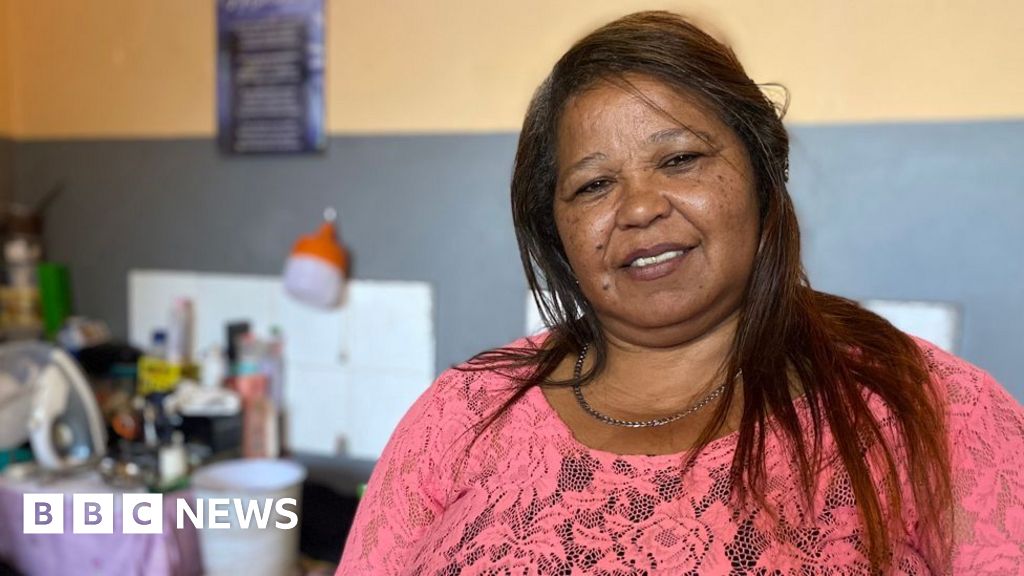
As South Africa approaches its seventh democratic election, the nation remains deeply divided by enduring economic inequalities and a housing crisis that echoes the spatial segregation of apartheid. Activists in Cape Town, squatting in a derelict hospital, highlight the government's failure to provide affordable housing close to city centers, forcing the poor to the periphery. Disillusionment with the ruling ANC, which has failed to reverse apartheid-era inequalities despite building millions of homes, suggests the party may lose its absolute majority for the first time since 1994.
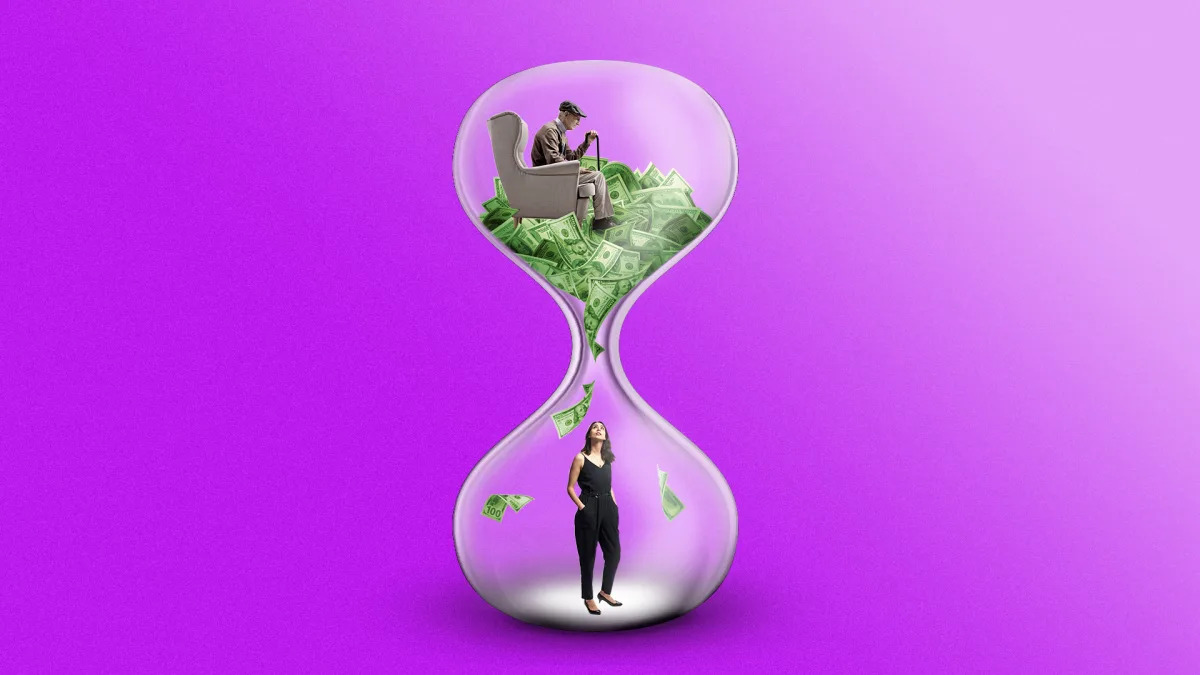
The "Great Wealth Transfer" from baby boomers to younger generations, particularly millennials, is expected to amount to trillions of dollars in assets. While some believe this transfer will help millennials recover from economic setbacks, others fear it will further entrench inequality. There are doubts about how much wealth will actually be passed down, with concerns that health care costs may deplete much of it. The impact of this transfer on the economy, culture, and politics is expected to be significant, leading to calls for new laws to ensure a more equitable distribution of wealth.
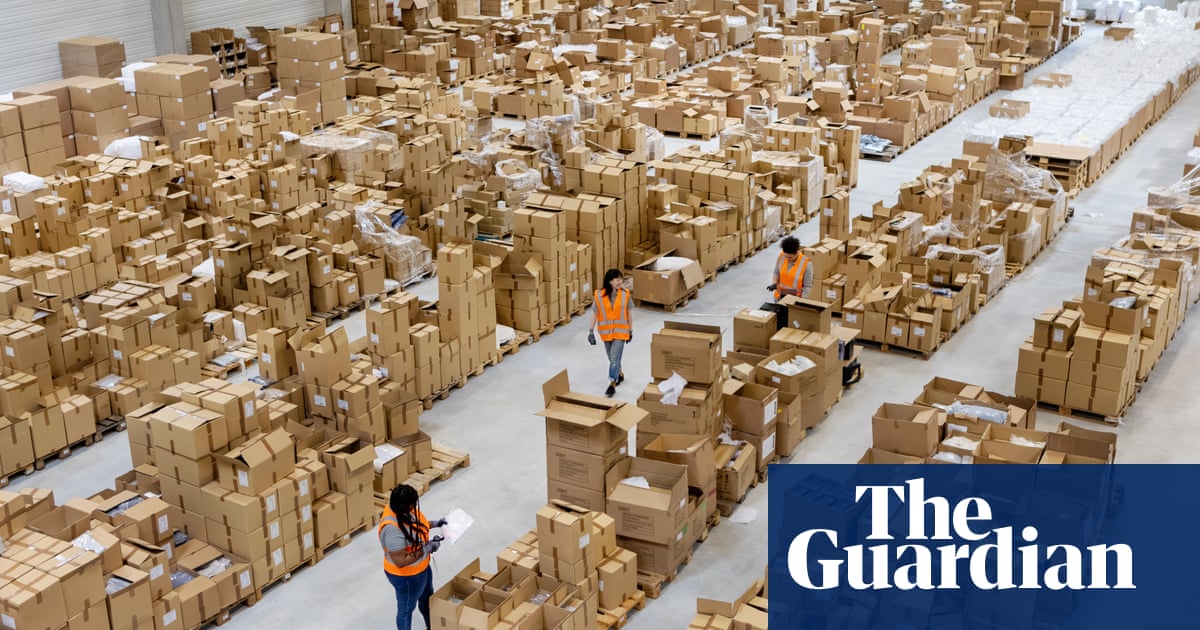
Adelle Waldman's novel "Help Wanted" is an acidic comedy that delves into the contemporary American class system, focusing on the struggles of workers at a big-box mega-retailer. The novel offers a finely honed account of the economic trap faced by the working poor, portraying the global economic prison with humor and anger. Through its portrayal of communal experiences and manipulation within a rigged system, "Help Wanted" serves as both a novel of manners and a systems novel, shedding light on the intimate link between these apparently disparate genres.
Developing countries have secured a larger role in international tax discussions at the United Nations, marking a shift away from the dominance of developed nations. This move aims to address economic inequality and ensure a more inclusive global governance system.
US credit card balances have reached a record high of $1.08 trillion, increasing by $154 billion from the previous year, the largest yearly leap on record, according to the Federal Reserve Bank of New York. However, a growing number of households are struggling to manage their debt, with delinquency rates on credit cards reaching the highest level since 2011. The rise in credit card debt is attributed to factors such as high inflation, high interest rates, and economic inequality. Additionally, delinquencies in subprime auto loans have worsened, and mortgage originations have fallen. Despite the overall strength of the economy, researchers are investigating the potential causes of the increase in delinquencies.
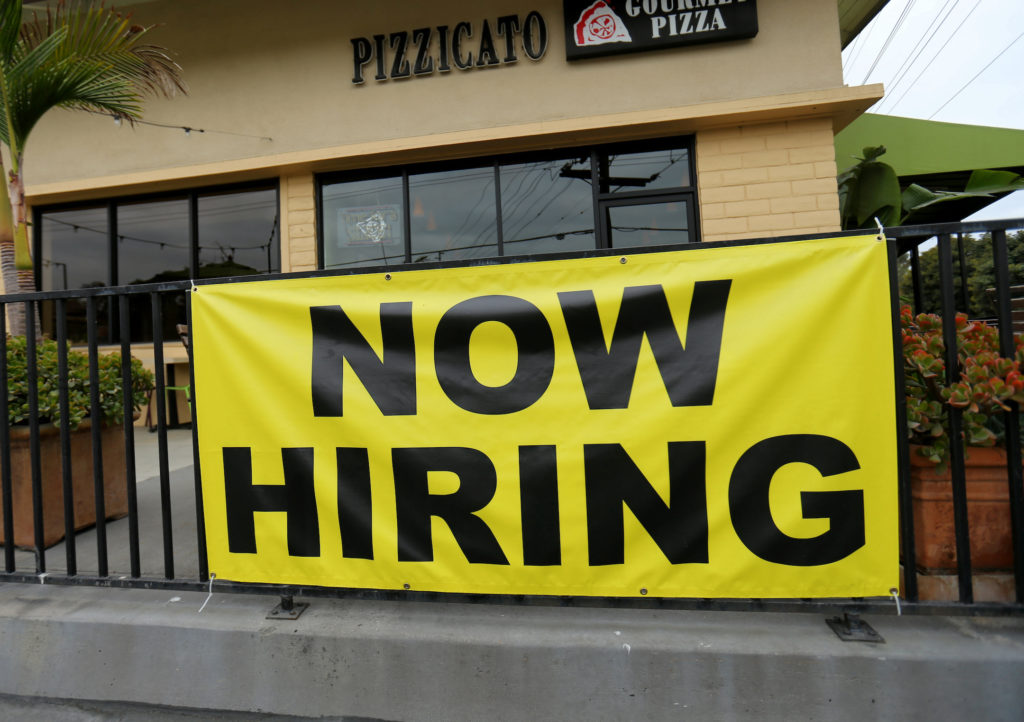
The US jobs market continues to defy expectations as employers added 336,000 jobs in September, with unemployment remaining at 3.8 percent. Additionally, there were upward revisions to job creation in July and August. However, the economy shows signs of divergence, with some sectors and states experiencing growth while others struggle. Persistent inflation, high interest rates, and strikes contribute to the two-faced nature of the economy. Economic inequality is also a concern, with the wealthiest becoming richer while poverty rates increase and real wages fall for others. Overall, the jobs report is positive, but questions remain about the overall health of the economy.