Tag

Dreaming

All articles tagged with #dreaming

science-and-research2 years ago

"Unraveling the Secrets of Dreaming: Exploring a Rare Sleep Phenomenon"

Researchers have made significant progress in understanding and communicating with dreamers during sleep, particularly with lucid dreamers who can remain aware of their dreams during REM sleep. Through experiments, they have been able to establish communication channels with sleepers, including non-lucid dreamers and those with narcolepsy, at various stages of sleep. This breakthrough offers the potential for real-time dialogue with sleepers, providing a unique opportunity to explore the mysteries of dreams as they happen.


science-and-medicine2 years ago

Unveiling the Mysteries of Sleep: The Unsung Geniuses and Unanswered Questions

"Mapping the Darkness: The Visionary Scientists Who Unlocked the Mysteries of Sleep" by Kenneth Miller explores the history of sleep research and the emergence of sleep as a medical discipline. The book highlights the contributions of pioneering scientists such as Nathaniel Kleitman, Eugene Aserinsky, and William Dement, who made groundbreaking discoveries about sleep and dreaming. It also discusses the challenges faced by early sleep scientists and the development of treatments for sleep disorders like sleep apnea and insomnia. The book pays tribute to the unsung geniuses who shaped the field of sleep science and continues to make foundational discoveries.

science2 years ago

Decoding the Secrets of Dreams: Unveiling the Unconscious Mind

REM sleep, also known as rapid eye movement sleep, is the stage of sleep where our brain activity is most likely to be recalled and reported when we're awake. It is believed to serve multiple purposes, including preventing us from sleeping too deeply, regulating body temperature, and consolidating memories and emotions. During REM sleep, our brain undergoes a deep-cleaning process, restoring chemicals and tidying up recent memories and feelings. Dreams during this stage may be a result of the brain's attempt to make sense of the day's activities. While the scientific understanding of the physiological aspects of REM sleep is good, the psychological and spiritual aspects of dreaming remain largely hidden.

psychology2 years ago

The Disturbing Connection Between Dark Personality Traits and Disturbing Dreams

A study published in Dreaming has found a link between dark personality traits, such as psychopathy, narcissism, Machiavellianism, and sadism, and dream content. Individuals with these traits are more likely to have dreams containing elements of aggression, sexuality, and grandiosity. The study suggests that a person's waking life influences their dream content, and the findings support previous research showing a connection between personality traits and dream content. However, the study also found that sadism, rather than psychopathy or narcissism, was a significant predictor of sexual and grandiose dreams, which puzzled the researchers. The study highlights the need for further research to understand this relationship.

science2 years ago

Dreaming Across the Animal Kingdom: From REM Dreams to Arachnid Discoveries

Researchers are discovering signs of REM sleep in a variety of animals, including spiders, lizards, cuttlefish, and zebrafish. These animals exhibit behaviors similar to rapid eye movement (REM) sleep, such as eye movements, twitching, and changes in brain activity. While the exact nature of their sleep and whether they dream is still being investigated, these findings challenge the notion that dreaming is limited to humans and suggest that it may be more widespread in the animal kingdom than previously thought.

science2 years ago

Octopuses: Dreaming in REM-like Sleep Patterns, Just Like Humans

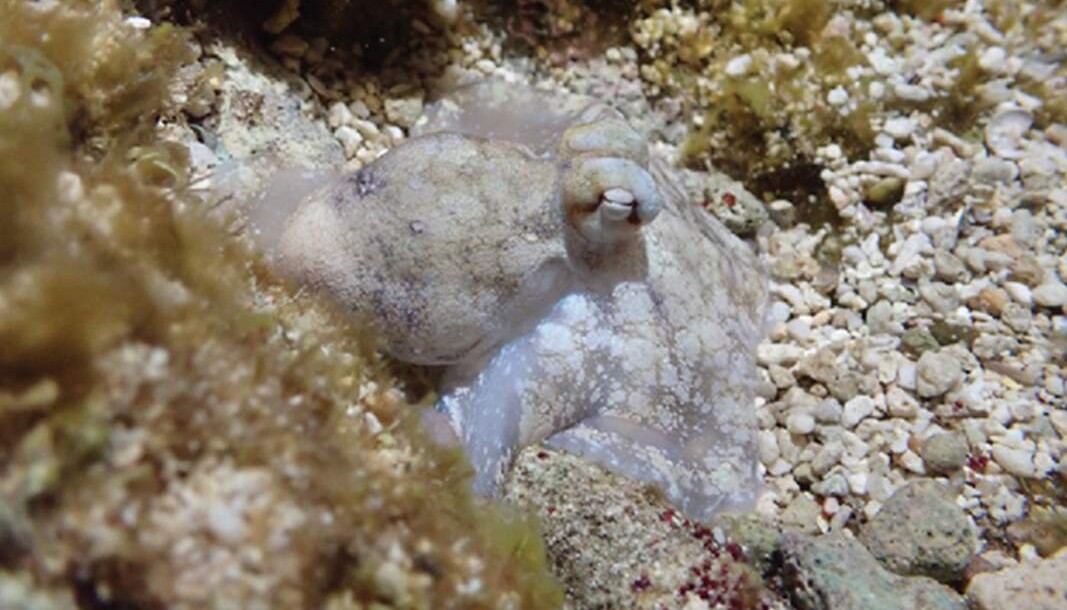
Octopuses have sleep patterns remarkably similar to humans, transitioning between a "quiet" stage and an "active" stage resembling REM sleep. During the active stage, their arms and eyes twitch, their breathing quickens, and their skin flashes with vibrant colors, suggesting they may even dream. Researchers found that octopuses cycle through the same skin patterns while sleeping, potentially practicing camouflage or reactivating patterns associated with waking experiences. The study highlights the similarities between octopus and human sleep behavior, suggesting that possessing an active sleep stage may be a general feature of complex cognition. The findings indicate that sleep, and potentially dreaming, is a fundamental need for life.

neuroscience2 years ago

Enhancing Memory Through Brain Stimulation During Sleep

Recent neuroscience studies highlight the crucial role of sleep in memory consolidation, selectively preserving relevant memories while discarding non-essential ones. Dreaming, particularly during REM sleep, has been linked with memory consolidation, and the content of dreams may reflect the neural activity related to recent experiences. Sleep disorders, including insomnia, sleep apnea, and restless legs syndrome, can significantly hinder memory consolidation, leading to memory impairments. Effective treatment strategies for sleep disorders are needed to optimize cognitive health and daily functioning.