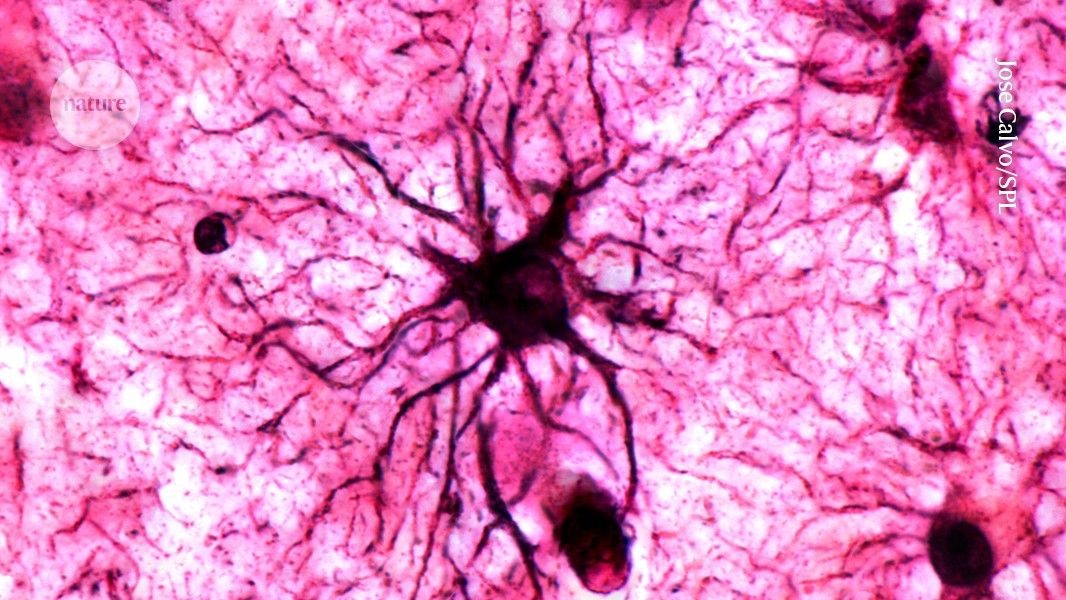
A recent study reveals that astrocytes, a type of brain cell previously thought to support neurons, actively stabilize long-term emotional memories, suggesting new targets for treating memory-related conditions like PTSD and Alzheimer's disease.
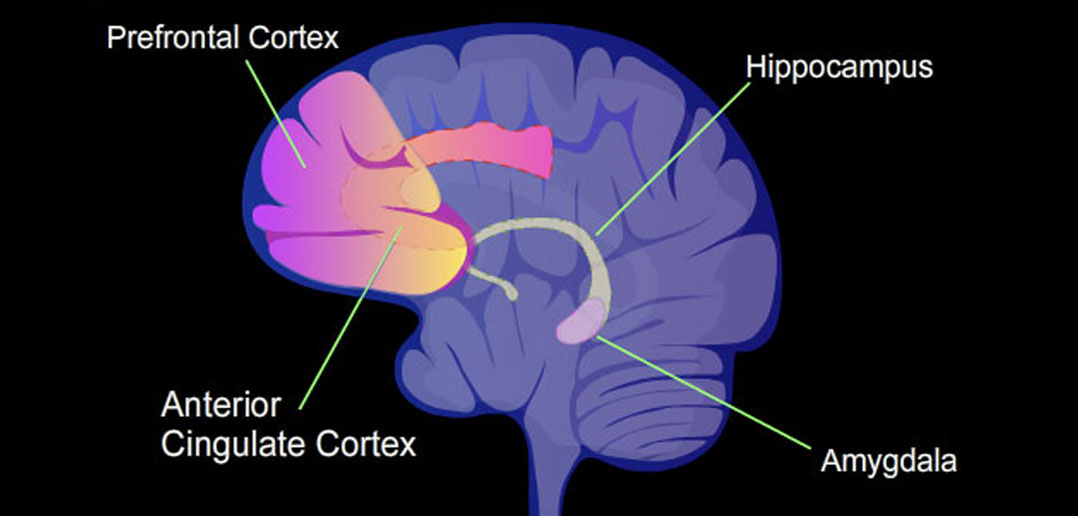
A new study published in Cell Press delves into how the brain consolidates emotional memories during sleep, focusing on the critical role of the hippocampus in integrating spatial and emotional aspects of memory. By analyzing rodent models, researchers found that different parts of the hippocampus have specialized roles in processing spatial and emotional memory, and that these regions interact during sleep to strengthen memories. While the study provides valuable insights, it primarily relies on rodent models and existing literature, potentially limiting its scope in capturing the complexity of human brain functions and emotions. Nonetheless, the findings open new avenues for understanding how our brains process and store memories, particularly those with emotional significance.